
How to Reduce Pipe Bundling Machine Downtime with Rapid Repair Services?
Pipe bundling machines are vital for efficient packaging, but downtime can cripple production. Discover how rapid repair services can minimize disruptions, keeping your operations running smoothly and maximizing profitability.
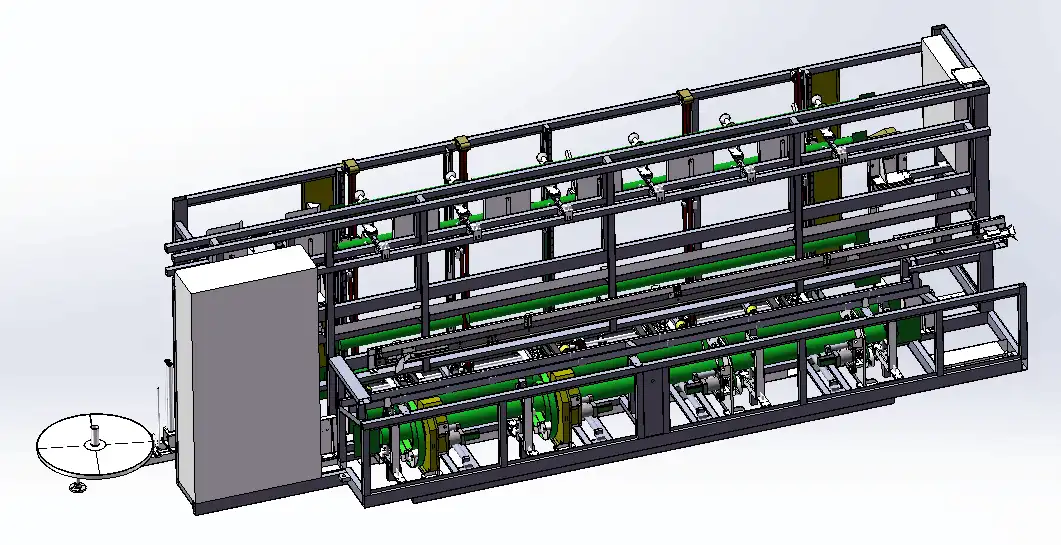
Rapid repair services minimize downtime by providing immediate support when your pipe bundling machine malfunctions. Skilled technicians diagnose and fix issues quickly, often with on-site repairs or readily available replacement parts. This proactive approach prevents prolonged shutdowns and keeps your production line operating at peak efficiency.
Ready to delve deeper? Let’s explore how strategic repair services can transform your pipe bundling machine maintenance and significantly reduce costly interruptions.
1: The High Cost of Downtime in Pipe Bundling Operations
Unplanned downtime in pipe bundling operations translates directly into lost revenue. Understanding the true cost is the first step toward implementing effective solutions.
Downtime in pipe bundling machines can severely impact productivity, leading to missed deadlines and decreased profitability. Investing in preventive maintenance and rapid repair services is essential for minimizing these disruptions and maintaining a competitive edge in the market. Quick response times and skilled technicians are crucial for getting your machine back up and running efficiently.
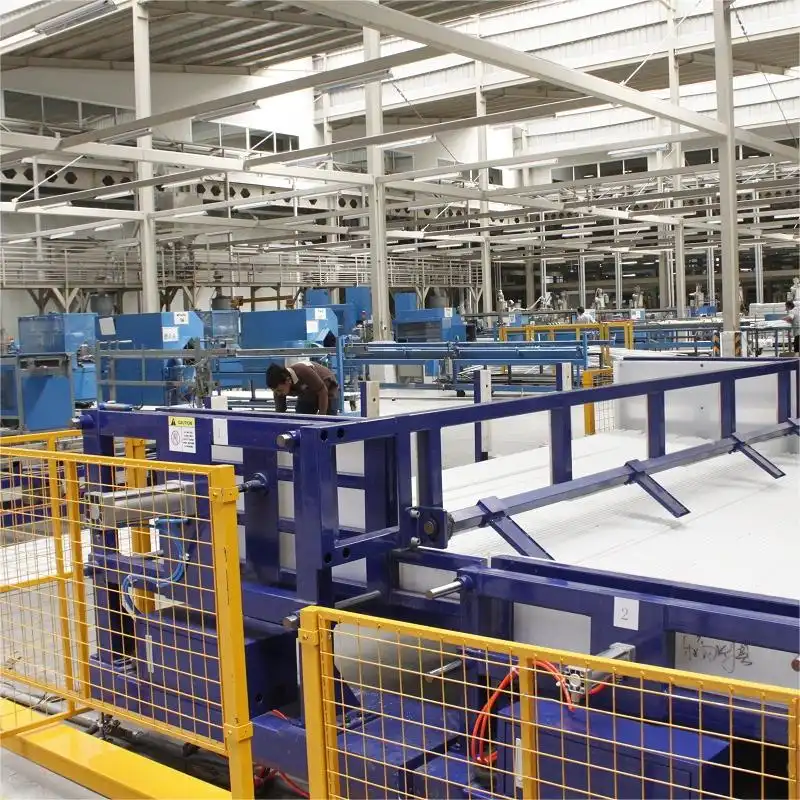
Quantifying Downtime: A Deeper Dive
Downtime isn’t just about idle machines; it triggers a cascade of negative consequences. Let’s break down the key areas affected and explore strategies to mitigate these challenges.
Direct Costs
These are the most obvious and immediately felt costs associated with downtime.
- Lost Production: The primary and most direct impact. Every minute of downtime is a minute of lost production, reducing overall output and potentially impacting order fulfillment.
- Labor Costs: Even when machines are down, employees are still on the payroll. Idle labor adds to the financial burden of downtime.
- Overtime Costs: To catch up on lost production, companies often resort to overtime, which increases labor costs significantly.
Indirect Costs
These costs are less apparent but can be equally damaging in the long run.
- Delayed Shipments: Downtime can lead to missed deadlines and delayed shipments, potentially damaging customer relationships.
- Expedited Shipping: To compensate for delays, companies may incur extra expenses for expedited shipping to meet customer demands.
- Damaged Reputation: Consistent delays and quality issues resulting from downtime can negatively affect a company’s reputation and brand image.
Hidden Costs
These are the most difficult to quantify but represent a significant drain on resources.
- Administrative Costs: Managing downtime incidents requires significant administrative effort, including troubleshooting, coordinating repairs, and processing paperwork.
- Stress and Morale: Unplanned downtime creates stress and frustration among employees, leading to decreased morale and potential turnover.
- Missed Opportunities: The time and resources spent dealing with downtime could be used for more strategic initiatives, such as product development or market expansion.
Illustrative Example: Cost Breakdown for a Typical Pipe Bundling Operation
To better illustrate the impact of downtime, consider the following hypothetical scenario:
Assumptions:
- Hourly Production: 50 bundles per hour
- Profit per Bundle: $10
- Hourly Labor Cost: $100
- Average Downtime Incident: 4 hours per month
Cost Analysis:
| Cost Category | Calculation | Monthly Cost | Annual Cost |
|---|---|---|---|
| Lost Production | 4 hours x 50 bundles x $10 | $2,000 | $24,000 |
| Idle Labor | 4 hours x $100 | $400 | $4,800 |
| Potential Overtime | 2 hours x $150 | $300 | $3,600 |
| Expedited Shipping | 5 shipments x $50 | $250 | $3,000 |
| Administrative Costs | Estimated | $100 | $1,200 |
| Total Cost | $3,050 | $36,600 |
This table highlights how a seemingly small amount of downtime can quickly escalate into a substantial financial burden. By proactively addressing potential issues and implementing rapid repair services, companies can significantly reduce these costs.
2: Implementing a Proactive Maintenance Strategy
Reactive repairs are costly and disruptive. A proactive maintenance strategy, combined with rapid repair services, is the key to minimizing downtime and maximizing efficiency.
A proactive maintenance strategy involves scheduled inspections, lubrication, and component replacements, preventing breakdowns before they occur. When coupled with rapid repair services, which ensure quick responses to unexpected failures, you create a robust system that minimizes downtime and keeps your pipe bundling machine running optimally, ensuring consistent production output.
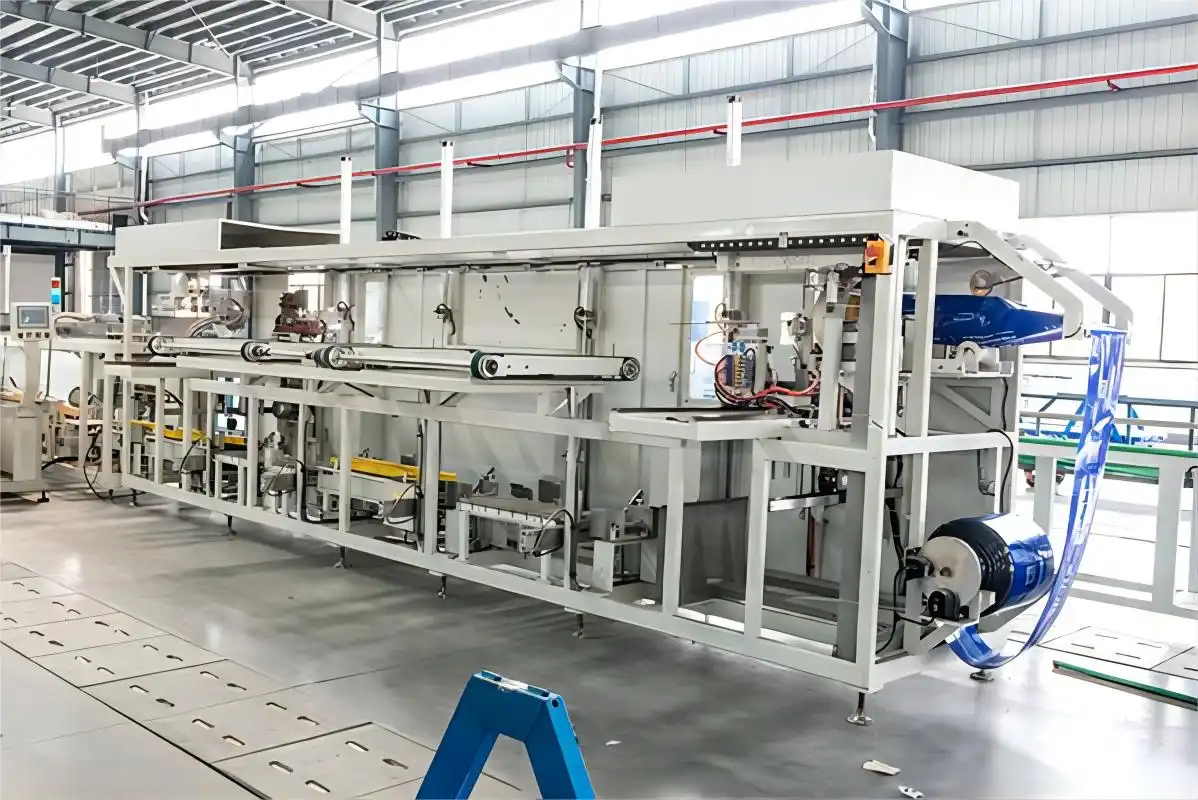
Diving Deeper: Key Elements of Proactive Maintenance
A proactive maintenance strategy is not simply about performing routine tasks; it requires a comprehensive and data-driven approach. Let’s explore the key elements that contribute to its success:
1. Regular Inspections
- Visual Checks: Regularly inspect the machine for any signs of wear, damage, or loose components.
- Functional Tests: Conduct functional tests to verify that all systems are operating correctly and within specified parameters.
- Sensor Calibration: Ensure that all sensors are properly calibrated to provide accurate readings and prevent false alarms.
2. Lubrication
- Proper Lubricant Selection: Use the correct type of lubricant as recommended by the machine manufacturer.
- Scheduled Lubrication: Establish a lubrication schedule based on operating hours and environmental conditions.
- Lubricant Analysis: Periodically analyze lubricant samples to detect any contamination or degradation.
3. Component Replacement
- Wear Parts Tracking: Monitor the lifespan of critical wear parts and replace them proactively based on manufacturer recommendations.
- Inventory Management: Maintain an adequate inventory of spare parts to minimize downtime in case of unexpected failures.
- Supplier Relationships: Establish strong relationships with reliable suppliers to ensure timely delivery of replacement parts.
4. Data Analysis
- Downtime Tracking: Record all downtime incidents, including the cause, duration, and corrective actions taken.
- Trend Analysis: Analyze downtime data to identify recurring issues and patterns.
- Predictive Maintenance: Use data analysis techniques to predict potential failures and schedule maintenance accordingly.
5. Training
- Operator Training: Train operators on proper machine operation, maintenance procedures, and troubleshooting techniques.
- Maintenance Staff Training: Provide maintenance staff with comprehensive training on machine repair, diagnostics, and preventive maintenance.
- Continuous Improvement: Encourage a culture of continuous improvement and knowledge sharing among operators and maintenance staff.
Example Implementation: Lubrication Schedule for a Pipe Bundling Machine
| Component | Lubricant Type | Frequency | Notes |
|---|---|---|---|
| Bearings | Grease | Weekly | Use a high-quality, lithium-based grease |
| Chains | Chain Lube | Bi-Weekly | Apply lubricant evenly along the entire length of the chain |
| Pneumatic Cylinders | Air Tool Oil | Monthly | Add a few drops of oil to the air inlet |
| Gearboxes | Gear Oil | Every 6 Months | Check oil level and change oil as needed |
| Hydraulic System | Hydraulic Fluid | Annually | Check fluid level and change fluid according to manufacturer recommendations |
This table provides a basic example of a lubrication schedule. The specific requirements for your machine may vary, so always consult the manufacturer’s recommendations.
3: The Role of Rapid Repair Services
Even with a proactive maintenance strategy, unexpected breakdowns can still occur. That’s where rapid repair services become essential.
Rapid repair services provide immediate support to diagnose and fix pipe bundling machine malfunctions quickly. These services minimize downtime by offering on-site repairs, readily available replacement parts, and skilled technicians who can efficiently resolve issues. A fast response is crucial for maintaining productivity and preventing significant financial losses.
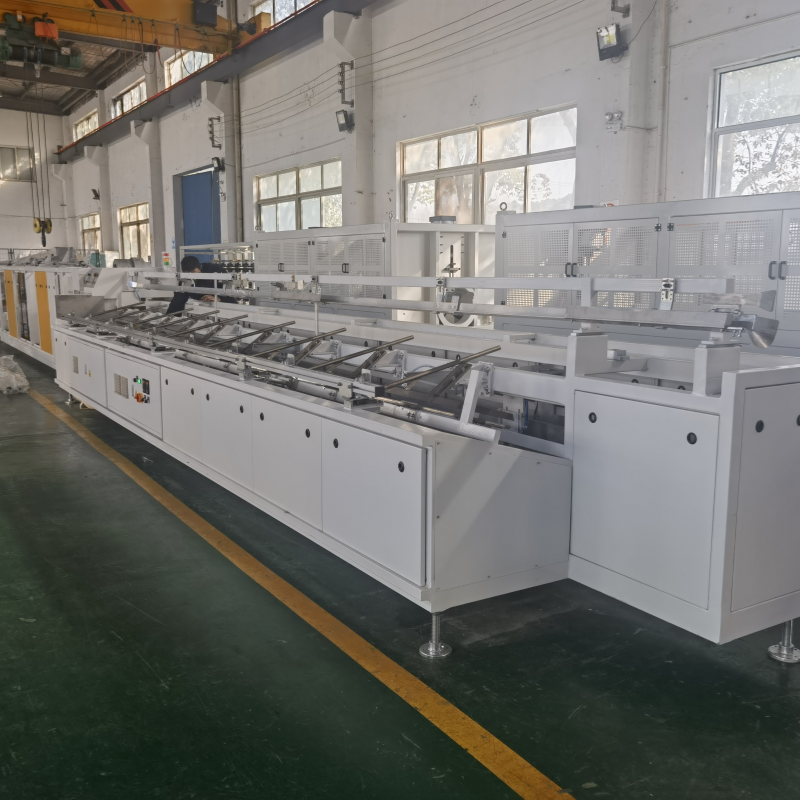
Beyond the Fix: What to Look for in a Rapid Repair Service
Selecting the right rapid repair service is crucial for minimizing downtime and ensuring long-term machine reliability. Here are some key factors to consider:
1. Response Time
- 24/7 Availability: Choose a service provider that offers 24/7 availability to respond to emergencies at any time.
- Guaranteed Response Time: Look for a provider that offers a guaranteed response time, ensuring that a technician will be on-site within a specified timeframe.
- Remote Support: Consider a provider that offers remote support for initial troubleshooting and diagnostics.
2. Technical Expertise
- Certified Technicians: Ensure that the service provider employs certified technicians with expertise in pipe bundling machines.
- OEM Training: Look for technicians who have received training from the original equipment manufacturer (OEM).
- Experience: Choose a provider with a proven track record of successfully repairing similar machines.
3. Parts Availability
- On-Site Inventory: Select a provider that maintains an on-site inventory of common spare parts to minimize delays in repairs.
- Rapid Sourcing: Ensure that the provider has a reliable system for rapidly sourcing less common parts.
- OEM Partnerships: Look for a provider that has established partnerships with OEMs to ensure access to genuine replacement parts.
4. Diagnostic Capabilities
- Advanced Diagnostics: Choose a provider that utilizes advanced diagnostic tools and techniques to quickly identify the root cause of the problem.
- Electrical and Mechanical Expertise: Ensure that the technicians have expertise in both electrical and mechanical systems.
- PLC Programming: Look for technicians with experience in PLC programming and troubleshooting.
5. Service Reporting
- Detailed Reports: Select a provider that provides detailed service reports outlining the work performed, parts replaced, and recommendations for preventive maintenance.
- Data Analysis: Ensure that the provider can analyze service data to identify trends and potential issues.
- Performance Monitoring: Consider a provider that offers performance monitoring services to track machine uptime and identify areas for improvement.
4: Case Studies: Real-World Downtime Reduction
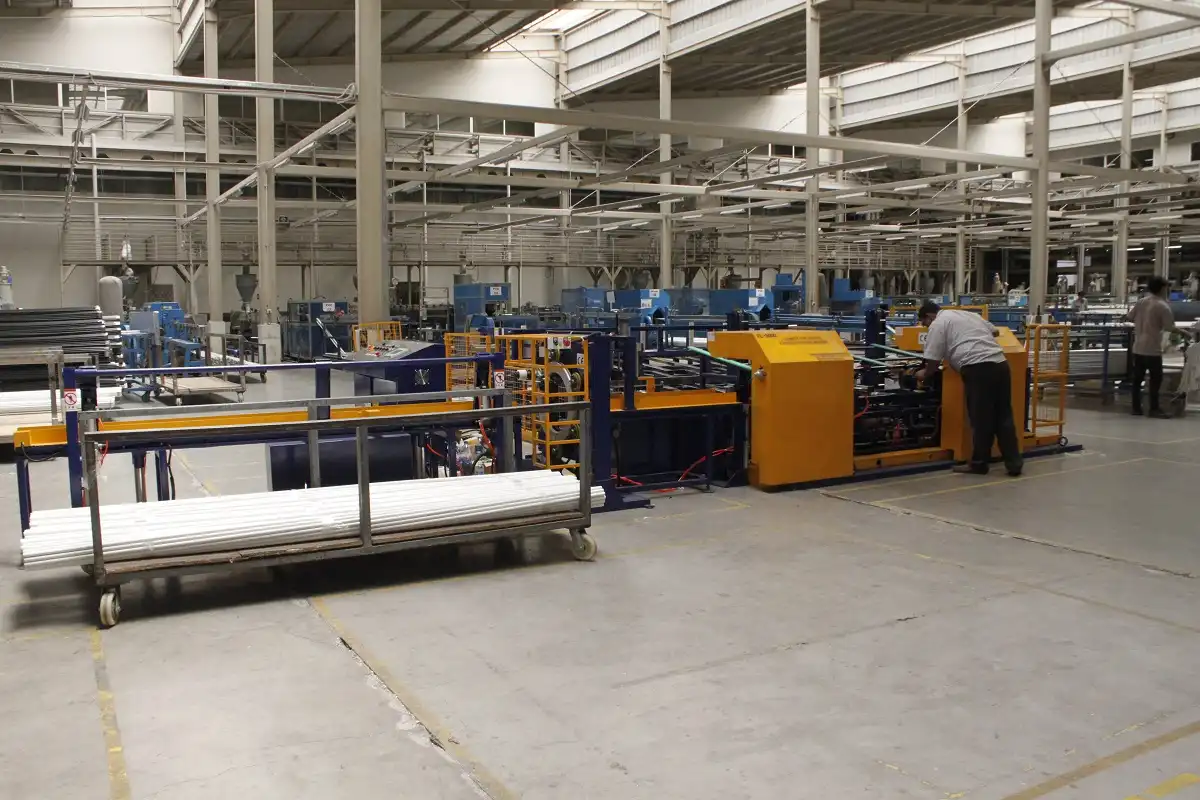
Companies across the pipe manufacturing industry have successfully reduced downtime by implementing proactive maintenance strategies and leveraging rapid repair services.
Case studies demonstrate the effectiveness of combining preventive maintenance with rapid repair services. Companies have significantly reduced downtime by implementing scheduled inspections, lubrication, and component replacements, alongside readily available rapid repair services for unexpected breakdowns. These strategies contribute to increased production efficiency and substantial cost savings.
Downtime Reduction Strategies in Action
Regular Maintenance Programs: Industries can reduce breakdowns and extend machinery lifespans by carrying out planned maintenance activities that tackle issues before they develop into more serious ones.Swift Repair Services: Quick repair services are essential in handling unplanned downtime in an efficient way, reducing production losses and getting equipment back to work promptly.Use of Advanced Diagnostic Methods: The use of new diagnostic tools helps technicians to rapidly diagnose problems, saving downtime and enabling quick solutions.
The implementation of quick repair services has allowed multiple businesses to cut equipment downtime significantly. For example, one company was able to decrease its downtime by 40% in the course of a year by combining standard checks with availability on-site of repair services. The quick reaction to malfunctions resulted in less time wasted and greater production capacity.
Conclusion
Minimizing downtime in pipe bundling machine operations requires a multifaceted approach. Proactive maintenance, coupled with rapid repair services, is the winning combination. By investing in preventive measures and securing access to swift, reliable repairs, companies can safeguard their productivity, reduce costs, and maintain a competitive edge. Regular maintenance, efficient repair services, and use of innovative diagnostic techniques, downtime can be reduced. This is advantageous for operations of all sizes. Make the shift to proactive maintenance, and you can protect your pipe bundling process, ensuring reliability and efficiency.








