
How to Reduce Labor Costs in PPR Pipe Packaging Operations?
In the competitive landscape of PPR pipe manufacturing, optimizing every aspect of production, including packaging, is crucial for profitability. Labor costs in packaging operations can significantly impact the bottom line, making efficiency improvements a top priority. Discover effective strategies to minimize these expenses and enhance your packaging process.
Reducing labor costs in PPR pipe packaging operations can be achieved through automation, optimized packaging design, streamlined processes, and strategic supplier partnerships. Automation minimizes manual handling, efficient designs reduce material usage and packing time, process optimization enhances workflow, and strong supplier relationships can lower material costs and improve service. Implementing these strategies can lead to substantial savings and a more efficient operation.
This article delves into actionable methods for reducing labor costs in PPR pipe packaging, providing a comprehensive guide to streamline your operations and boost your manufacturing efficiency. Read on to explore each strategy in detail and discover how they can be applied to your PPR pipe packaging processes.
1. Automate Your PPR Pipe Packaging Processes
To significantly reduce labor costs in PPR pipe packaging, automation is not just an option—it’s a necessity. Manual packaging processes are labor-intensive, slow, and prone to inconsistencies. Integrating automated systems can transform your packaging line, leading to substantial savings and increased throughput.
Automating PPR pipe packaging is the most effective way to reduce labor costs by minimizing manual intervention, increasing speed and consistency, and improving overall operational efficiency. Automated systems handle tasks from pipe counting and bundling to wrapping, bagging, and palletizing, significantly decreasing the need for manual labor. This not only lowers labor expenses but also reduces errors, improves packaging quality, and accelerates the entire packaging process, leading to higher production volumes and faster turnaround times.
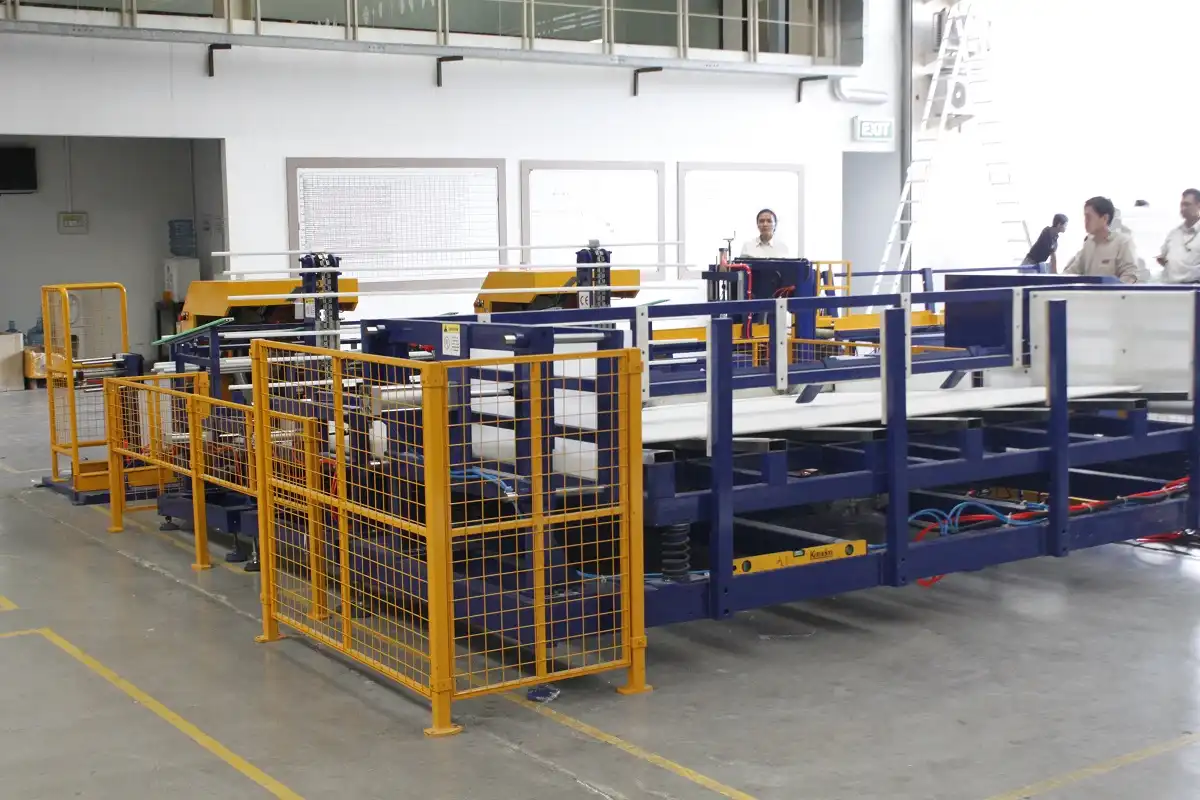
To fully understand the impact of automation, let’s break down the benefits and considerations in a more structured way. Automation impacts labor costs, efficiency, and the quality of packaging in multifaceted ways.
The Multifaceted Benefits of Automation in PPR Pipe Packaging
Implementing automation in PPR pipe packaging offers a range of advantages that extend beyond just labor cost reduction. It enhances efficiency, improves quality, and provides a better return on investment in the long run. Let’s explore these benefits in detail:
| Benefit | Description | Impact on Labor Costs | Impact on Efficiency | Impact on Packaging Quality |
|---|---|---|---|---|
| Reduced Manual Labor | Automated systems take over repetitive and physically demanding tasks such as pipe handling, bundling, wrapping, and palletizing. | Significant Reduction | Faster processing times, continuous operation without breaks, reduced bottlenecks. | Consistent and uniform packaging, minimizes human error in sealing and wrapping. |
| Increased Speed | Machines operate at a much faster pace than manual labor, significantly increasing the throughput of the packaging line. | No direct impact | Higher production volume, faster order fulfillment, improved response to demand fluctuations. | Maintained consistency even at high speeds, ensuring quality is not compromised by speed. |
| Improved Consistency | Automation ensures each pipe bundle or package is consistently prepared to the same standards, eliminating variations that can occur with manual packaging. | Reduced rework | Predictable output quality, easier integration with quality control systems. | Uniform package dimensions, consistent wrapping and sealing, enhanced product presentation. |
| Lower Error Rates | Automated systems are programmed to perform tasks accurately, minimizing errors in counting, bundling, and sealing, which are common in manual processes. | Reduced waste and rework | Fewer errors mean less time spent on corrections and adjustments, smoother workflow. | Reduced product damage during packaging due to precise handling, fewer instances of incorrect packaging leading to returns. |
| Enhanced Safety | Automation reduces the need for workers to perform physically strenuous and potentially hazardous tasks, such as lifting heavy bundles or operating machinery manually. | Reduced compensation claims | Safer work environment, less downtime due to accidents or injuries. | Indirectly improves quality by ensuring a focused and healthy workforce. |
| Scalability | Automated systems can be easily scaled to handle increased production volumes as your business grows, without a proportional increase in labor costs. | Cost-effective growth | Adaptable to changing production needs, allows for future expansion without significant overhauls. | Consistent quality maintained even at higher production scales. |
| Long-Term Cost Savings | While the initial investment in automation can be significant, the long-term savings in labor costs, reduced errors, and increased efficiency provide a substantial return on investment over time. | ROI over time | Continuous operational cost savings, predictable maintenance schedules contribute to long-term financial planning. | Reduced material wastage due to fewer errors contributes to cost-effectiveness and sustainability. |
By considering these multifaceted benefits, manufacturers can make informed decisions about automating their PPR pipe packaging operations, ensuring they not only reduce labor costs but also achieve a more efficient, reliable, and high-quality packaging process. This strategic investment in automation is key to staying competitive and profitable in the PPR pipe industry.
2. Optimize PPR Pipe Packaging Design for Efficiency
Beyond automation, optimizing the design of your PPR pipe packaging is a crucial step in reducing labor costs. Smart packaging design minimizes material usage, simplifies the packing process, and ensures product protection, all contributing to lower operational expenses and improved efficiency.
Efficient PPR pipe packaging design focuses on reducing material waste, simplifying assembly, and enhancing protection, directly impacting labor costs by decreasing packing time and material handling. Using right-sized packaging minimizes void fill and material consumption. Designs that are easy to assemble and close reduce the time packers spend on each bundle. Furthermore, robust designs that prevent damage reduce the need for repackaging and returns, saving both labor and material costs.
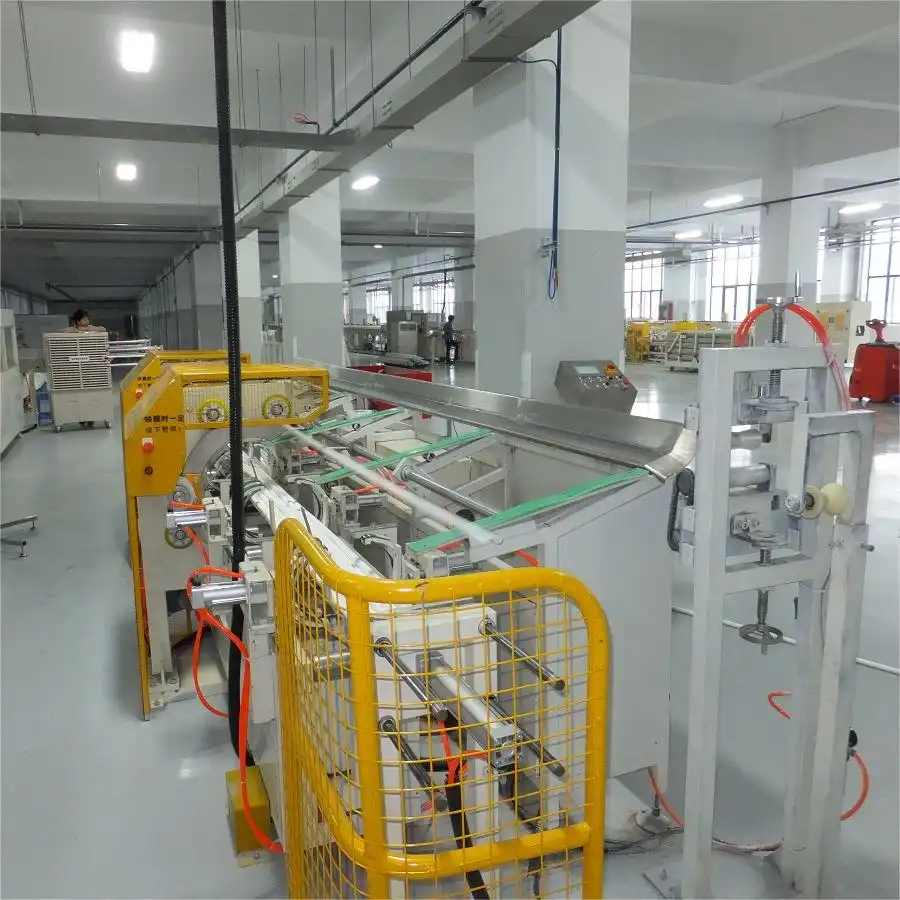
To delve deeper into optimizing packaging design, we should consider the technical aspects and practical implications of different design choices. Let’s explore specific design strategies that can lead to significant improvements in labor efficiency and cost savings.
Technical Strategies for Efficient Packaging Design
Optimizing PPR pipe packaging design involves a detailed consideration of materials, dimensions, and structural integrity. Each element plays a crucial role in enhancing efficiency and reducing labor costs. Here are key technical strategies to consider:
-
Right-Sized Packaging:
- Problem: Over-sized packaging leads to unnecessary material usage, increased void fill, and higher shipping costs. It also requires more labor to handle and secure larger packages.
- Solution: Implement custom-sized packaging that closely fits the dimensions of PPR pipe bundles. This minimizes material waste and reduces the need for excessive void fill.
- Technical Detail: Use precise measurements of typical PPR pipe bundle sizes to design packaging that offers a snug fit. Consider using variable depth or adjustable packaging designs to accommodate slight variations in bundle dimensions without requiring completely custom boxes for each size.
-
Material Optimization:
- Problem: Using overly robust or unnecessary expensive materials increases material costs without necessarily improving protection or efficiency.
- Solution: Select packaging materials that are appropriate for the level of protection needed for PPR pipes. For example, for pipes that are relatively robust, lighter-weight corrugated cardboard or even durable plastic films might suffice instead of heavy-duty cardboard boxes.
- Technical Detail: Evaluate different grades of corrugated cardboard (single-wall, double-wall) and plastic films (LDPE, HDPE) to find the optimal balance between protection and cost. Consider factors like burst strength, puncture resistance, and tear resistance when selecting materials.
-
Simplified Assembly and Closure:
- Problem: Complex packaging designs that require multiple steps for assembly and closure increase packing time and labor costs.
- Solution: Design packaging that is easy to assemble and close, minimizing the number of steps and tools required. Consider self-locking designs or those that use minimal tape or strapping.
- Technical Detail: Explore designs like Regular Slotted Containers (RSC) with minimal flaps, or die-cut designs that fold into shape with integrated locking mechanisms. For film wrapping, ensure easy start and tear points are designed for quick application and minimal waste.
-
Ergonomic Considerations:
- Problem: Poorly designed packaging can be difficult to handle, leading to slower packing times and potential injuries, which indirectly increase labor costs through reduced productivity and potential compensation claims.
- Solution: Design packaging that is easy for workers to handle, lift, and move. Incorporate features like handles, handholds, or lighter materials.
- Technical Detail: Adhere to ergonomic design principles, considering package weight limits, grip points, and package dimensions that facilitate easy handling. Test packaging designs with workers to get feedback on usability and make necessary adjustments.
-
Stackability and Palletization Efficiency:
- Problem: Inefficiently designed packages that do not stack well on pallets waste space in storage and during transportation, and can also lead to instability, requiring more labor for securing loads.
- Solution: Design packaging with uniform dimensions that stack efficiently on standard pallets. This maximizes pallet utilization and reduces the labor needed for palletizing and depalletizing.
- Technical Detail: Design package dimensions that are modular with standard pallet sizes (e.g., 40×48 inches or 1200×1000 mm). Consider using interlocking features or tray designs to improve stack stability and reduce the need for additional strapping or wrapping on pallets.
By strategically implementing these technical design strategies, manufacturers can create PPR pipe packaging that is not only cost-effective in terms of materials but also significantly reduces the labor required for packaging operations. This holistic approach to design optimization is essential for achieving substantial efficiency improvements and cost savings in the long run.
3. Streamline PPR Pipe Packaging Processes
Optimizing the physical process of packaging PPR pipes is as crucial as automation and design. Streamlined processes eliminate waste, reduce movement, and improve workflow, directly impacting labor efficiency and costs. A well-organized packaging process ensures smooth operations and minimizes downtime.
Streamlining PPR pipe packaging processes involves optimizing workflow, reducing unnecessary steps, and improving the layout of the packaging area to minimize movement and maximize efficiency. Implementing lean manufacturing principles, such as reducing motion, waiting, and transportation within the packaging process, can significantly cut down labor time. This includes optimizing the placement of materials, tools, and equipment to ensure a smooth, continuous flow from pipe production to final packaging.
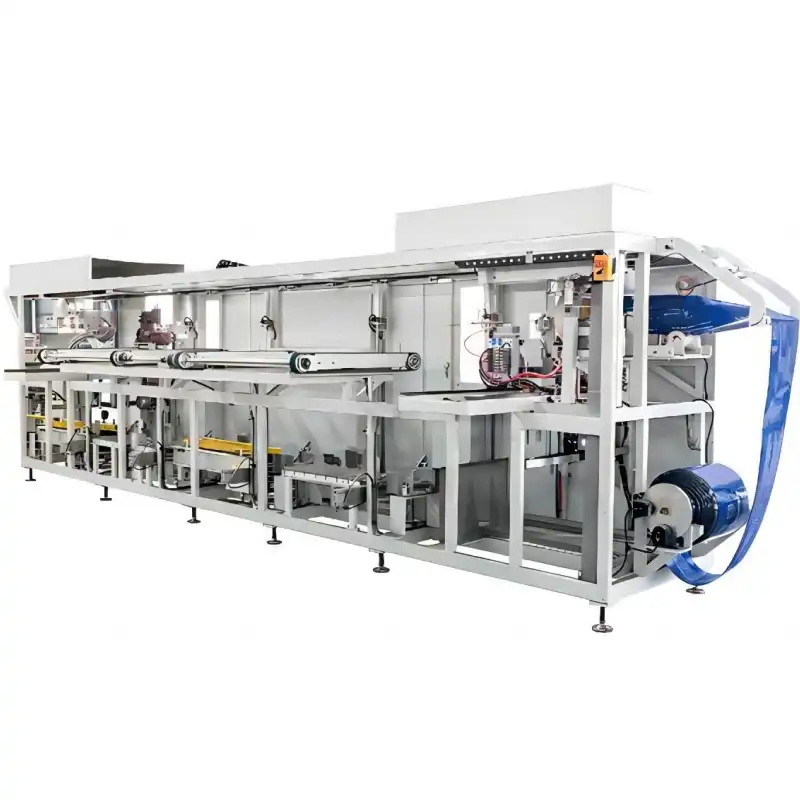
To fully leverage process optimization, we need to examine specific areas where improvements can be made. Let’s break down key strategies for streamlining your PPR pipe packaging processes, focusing on workflow, layout, and waste reduction.
Key Strategies for Streamlining Packaging Processes
Optimizing the PPR pipe packaging process involves a systematic approach to identify and eliminate inefficiencies. By focusing on workflow optimization, layout improvements, and waste reduction, manufacturers can achieve significant gains in labor efficiency and cost savings. Here are key strategies to implement:
| Strategy | Description | Impact on Labor Costs | Impact on Efficiency | Example Implementation |
|---|---|---|---|---|
| Optimize Workflow | Analyze the current packaging process to identify bottlenecks, redundancies, and unnecessary steps. Streamline the sequence of tasks to create a smooth, continuous flow from pipe intake to packaged output. | Reduces time spent on each package, minimizing labor hours per unit. | Increases throughput by eliminating delays and interruptions in the packaging line. | Implement a process mapping exercise to visualize the current workflow, identify bottlenecks, and redesign for linear flow. For example, combine pipe counting and bundling steps to reduce handling. |
| Improve Layout | Redesign the physical layout of the packaging area to minimize worker movement and material transportation. Position workstations, equipment, and material storage to ensure everything is within easy reach and logically sequenced. | Reduces worker travel time between tasks, decreasing overall labor input. | Speeds up the packaging process by minimizing motion waste and optimizing material flow. | Arrange workstations in a U-shape or linear layout to follow the packaging sequence. Place frequently used materials and tools close to the packing station to minimize reach and walk time. |
| Standardize Procedures | Develop and document standard operating procedures (SOPs) for each packaging task. Train workers thoroughly on these procedures to ensure consistent and efficient execution. Standardization reduces variability and guesswork, leading to faster and more reliable packaging. | Reduces training time for new staff and minimizes errors, decreasing rework and labor associated with corrections. | Ensures consistent packaging times and quality, making the process more predictable and efficient. | Create detailed SOPs with visual aids for each packaging task, from pipe loading to sealing and labeling. Conduct regular training sessions and audits to ensure adherence to SOPs. |
| Implement Just-In-Time (JIT) Material Delivery | Coordinate material delivery (packaging supplies, pipes) to arrive just when needed, minimizing on-hand inventory and reducing clutter in the packaging area. JIT delivery prevents delays caused by material shortages and frees up space, improving workflow. | Reduces labor involved in managing and moving excess inventory. | Improves space utilization, making the workspace more efficient and less cluttered, leading to smoother operations. | Schedule packaging material deliveries based on production forecasts to ensure materials arrive as needed. Use Kanban systems to signal when materials need replenishment, avoiding overstocking and shortages. |
| Ergonomic Workstations | Design workstations that are ergonomically optimized to reduce worker fatigue and strain. Adjustable height tables, comfortable seating, and properly positioned tools and equipment can improve worker comfort and productivity. | Reduces fatigue and potential injuries, leading to higher worker productivity and lower absenteeism. | Increases sustained work rate and reduces errors caused by fatigue, enhancing overall packaging efficiency. | Implement adjustable height workstations to accommodate different worker heights. Provide ergonomic tools and seating to minimize physical strain and improve comfort. Conduct ergonomic assessments to identify and address potential risk factors in workstations. |
| Waste Reduction Programs | Implement programs to minimize packaging material waste and reduce product damage during packaging. This includes using appropriate packaging sizes, improving material handling, and training workers on best practices for waste reduction. Reducing waste lowers material costs and reduces the labor needed for waste disposal and rework. | Reduces labor associated with waste disposal and rework due to damaged packaging. | Lowers material consumption, contributing to cost savings and environmental sustainability. | Train workers on proper material handling and packaging techniques to minimize waste. Implement recycling programs for packaging materials. Regularly monitor waste levels and identify areas for further reduction. |
By implementing these strategies, manufacturers can create a PPR pipe packaging process that is lean, efficient, and cost-effective. Streamlining the process not only reduces labor costs but also enhances overall operational performance and contributes to a more sustainable manufacturing environment.
4. Partner Strategically with Packaging Suppliers
Finally, strategic partnerships with packaging suppliers can offer significant opportunities to reduce labor costs. Suppliers are not just vendors; they can be valuable allies in optimizing your packaging process and reducing overall expenses. A strong supplier relationship can lead to better pricing, innovative solutions, and improved service.
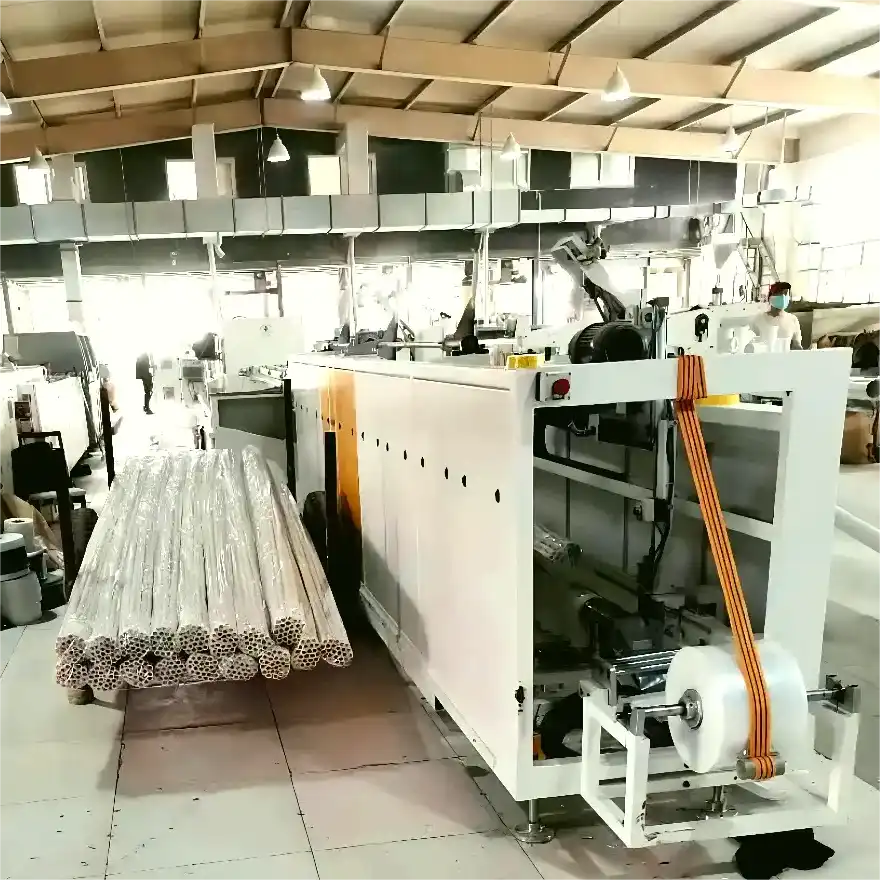
Partnering with packaging suppliers strategically can significantly reduce labor costs through optimized material procurement, just-in-time delivery, and collaborative design improvements. Consolidating suppliers can lead to volume discounts and simplified logistics. Suppliers can also offer expertise in packaging design and materials, helping to create more efficient and cost-effective packaging solutions. Furthermore, establishing reliable just-in-time delivery schedules can reduce warehousing needs and ensure packaging materials are available exactly when needed, streamlining the packaging process and minimizing delays.
A strategic partnership with a packaging supplier goes beyond simple procurement. It involves collaboration, shared goals, and mutual benefit. To maximize the advantages of such partnerships, consider these key aspects:
- Consolidate Suppliers: Working with a fewer number of key suppliers can lead to better pricing due to volume discounts. It also simplifies supply chain management and logistics, reducing administrative labor.
- Negotiate Volume Discounts: Leverage your purchasing volume to negotiate better prices on packaging materials. Long-term contracts with guaranteed volumes can often secure more favorable rates.
- Collaborative Design: Engage suppliers in the packaging design process. Their expertise in packaging materials and design can lead to innovative solutions that reduce material usage, simplify assembly, and improve protection, all of which can lower labor costs indirectly.
- Just-in-Time Delivery: Establish just-in-time (JIT) delivery schedules with your suppliers. This ensures that packaging materials arrive exactly when needed, reducing the need for large storage spaces and minimizing material handling labor.
- Vendor-Managed Inventory (VMI): Consider implementing a vendor-managed inventory system where the supplier takes responsibility for managing your packaging material inventory levels. This shifts the burden of inventory management to the supplier, reducing your internal labor needs.
- Performance-Based Contracts: Structure contracts that incentivize suppliers to improve quality and efficiency. Performance metrics can include on-time delivery rates, defect rates, and cost reduction targets.
- Regular Communication and Reviews: Maintain open communication with your suppliers and conduct regular performance reviews. This helps to identify areas for improvement, address issues proactively, and foster a strong, collaborative relationship.
By viewing packaging suppliers as strategic partners rather than mere vendors, PPR pipe manufacturers can unlock significant opportunities to reduce labor costs, improve packaging efficiency, and enhance overall operational performance. These partnerships are crucial for achieving sustainable cost reductions and maintaining a competitive edge in the market.
Conclusion
Reducing labor costs in PPR pipe packaging operations is essential for enhancing profitability and efficiency in the competitive manufacturing landscape. By strategically implementing automation, optimizing packaging design, streamlining processes, and building strong supplier partnerships, manufacturers can achieve significant reductions in labor expenses and improve overall operational performance. These strategies not only cut costs but also enhance packaging quality, increase throughput, and contribute to a more sustainable and efficient manufacturing environment for PPR pipes and related products like Collection. Embracing these comprehensive approaches is key to long-term success and competitiveness in the PPR pipe industry.








