
Steel coils, vital components in numerous industries, demand robust packaging to ensure they reach their destination in pristine condition. However, the ideal packaging isn’t universal; it’s heavily influenced by the environment the coils will encounter during storage and transit. Understanding these environmental factors is crucial for selecting the right packaging strategy.
Packaging steel coils effectively across diverse environments hinges on understanding potential hazards such as humidity, temperature fluctuations, and physical stress. Selecting appropriate materials like waterproof wraps for humid climates or reinforced strapping for rough handling ensures coil integrity. Tailoring the packaging to the specific environmental challenges is key to preventing damage and corrosion.
Choosing the correct packaging for steel coils is not merely about wrapping them up; it’s a strategic decision that impacts product integrity and customer satisfaction. Let’s delve into the critical considerations for packaging steel coils in various environments.

Understanding Environmental Factors in Steel Coil Packaging
The environment in which steel coils are stored and transported plays a pivotal role in determining the necessary packaging. Ignoring these factors can lead to significant damage and financial losses.
Effective steel coil packaging starts with a thorough assessment of the environmental conditions the coils will face. Key factors include humidity levels, temperature extremes, and potential for physical impact during transit. Analyzing these environmental variables ensures the selection of appropriate packaging materials and methods to safeguard the steel coils.
To effectively package steel coils, you must first understand the enemy: environmental stressors. These vary dramatically depending on location and transportation methods. Let’s break down the primary environmental threats and how they affect steel coils, making a case for tailored packaging solutions.
Decoding Environmental Threats to Steel Coils
Steel coils are susceptible to a range of environmental damages. Understanding these threats is the first step in creating an effective packaging strategy.
| Environmental Factor | Threat to Steel Coils | Packaging Solution Focus |
|---|---|---|
| Humidity | Corrosion, rust formation, degradation of steel surface | Moisture barrier materials, desiccants |
| Temperature Fluctuations | Condensation inside packaging, promoting rust; expansion/contraction stress | Breathable wraps, temperature-resistant materials |
| Physical Impact (Handling/Transit) | Dents, scratches, deformation, strap breakage | Robust outer wraps, edge protection, secure strapping |
| Saltwater/Marine Environments | Accelerated corrosion, especially in coastal shipping | Specialized anti-corrosion wraps, sealed packaging |
| Dust & Airborne Particles | Surface abrasion, contamination, aesthetic damage | Dustproof wraps, sealed packaging |
| UV Radiation (Outdoor Storage) | Degradation of some packaging materials, potential temperature increase inside wraps | UV-resistant wraps, opaque packaging |
As the table illustrates, each environmental factor necessitates a specific packaging approach. A one-size-fits-all approach is insufficient and can lead to costly damages. For instance, coils destined for humid Southeast Asia require vastly different packaging compared to those being shipped across a dry desert region.
Choosing the right packaging, therefore, becomes a process of environmental adaptation, carefully considering each potential hazard and selecting materials and methods that offer targeted protection. This tailored approach not only safeguards the steel coils but also optimizes packaging costs by avoiding unnecessary over-packaging.
Packaging Steel Coils for Humid Climates
Humid climates present a significant challenge for steel coil packaging due to the pervasive threat of moisture-induced corrosion. Proper packaging is essential to prevent rust and maintain the integrity of the steel.
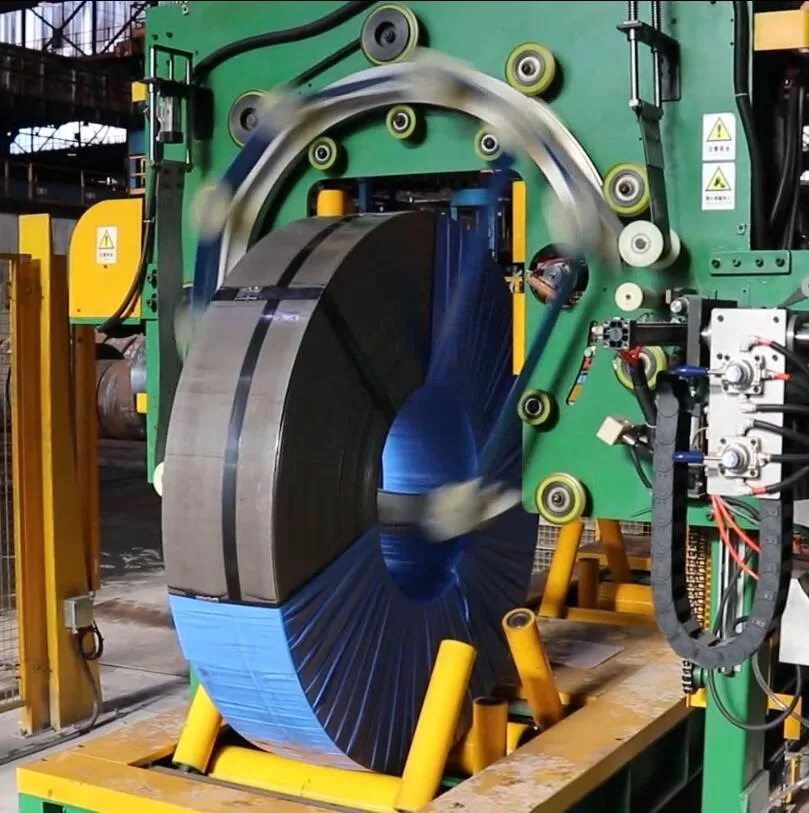
In humid environments, steel coils are vulnerable to corrosion. Effective packaging must incorporate robust moisture barriers, such as waterproof films and desiccants, to prevent rust formation. Sealed packaging and climate control within the wrap are crucial strategies for protecting steel coils from humidity damage.
Combating humidity requires a multi-layered approach. Simply wrapping a coil in standard plastic film isn’t enough. Here’s a breakdown of strategies to effectively package steel coils for humid environments:
- Waterproof Barrier Wraps: Utilize specialized multi-layer films that are completely waterproof. These films often consist of polyethylene layers combined with moisture barrier layers like aluminum foil or vapor barrier coatings.
- Desiccants: Incorporate desiccants like silica gel or clay within the packaging. These materials absorb moisture trapped inside the wrap, maintaining a dry environment around the steel coil. The amount of desiccant needed depends on the coil size, wrap permeability, and expected humidity levels.
- Sealed Packaging: Ensure all seams and overlaps in the wrapping are securely sealed to prevent moisture ingress. Heat sealing or specialized waterproof tapes can be used to achieve airtight seals.
- VCI (Vapor Corrosion Inhibitors) Technology: Consider using VCI films or emitters. These release corrosion-inhibiting vapors that create a protective layer on the steel surface, even if some moisture penetrates the packaging.
- Elevated Storage: If possible, store packaged coils in elevated areas within warehouses to avoid direct contact with damp floors, further minimizing moisture exposure.
For extreme humidity, particularly in coastal regions or during monsoon seasons, consider adding an extra layer of protection. This might include a heavier gauge waterproof outer wrap or even a rigid crate with internal moisture barriers. Regular inspections of packaged coils in humid storage are also recommended to detect any signs of moisture ingress early on.
Packaging Steel Coils for Extreme Temperature Variations
Steel coils transported or stored in regions with extreme temperature variations face unique packaging challenges. Fluctuating temperatures can lead to condensation and stress on packaging materials.
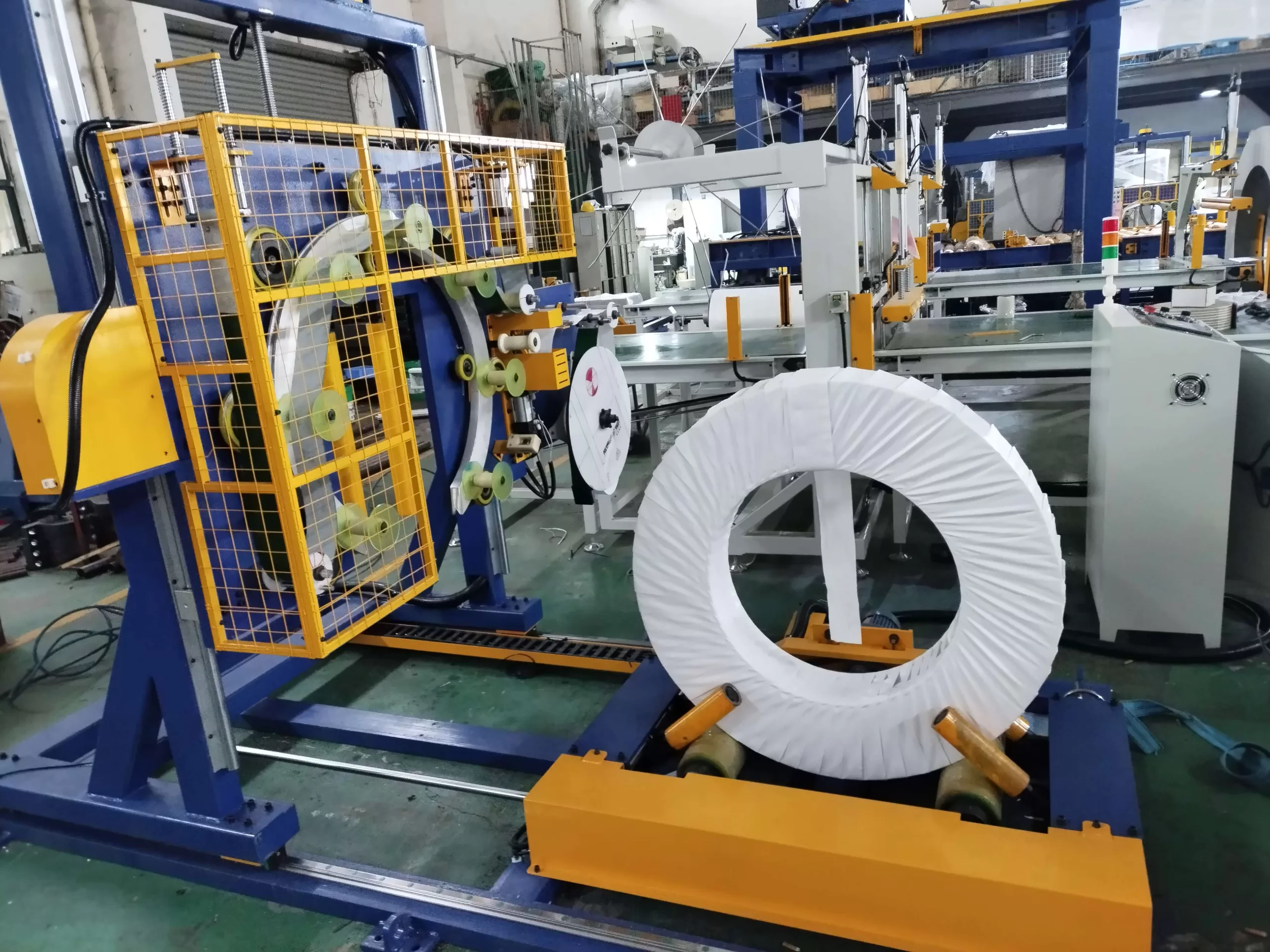
Packaging steel coils for extreme temperature changes requires materials that can withstand expansion and contraction without compromising protection. Breathable wraps can mitigate condensation, while temperature-resistant outer layers maintain package integrity across temperature extremes, ensuring coil protection.
Extreme temperature shifts, from scorching daytime heat to freezing nights, present a dual challenge: condensation and material stress. Here’s how to tackle these issues:
- Breathable Wraps: Employ breathable yet water-resistant wraps. These allow for some air circulation, reducing condensation buildup inside the packaging as temperatures fluctuate. Non-woven fabrics or specialized breathable films are suitable options.
- Temperature-Resistant Outer Layers: Use outer packaging materials that can withstand extreme temperatures without becoming brittle or losing their protective properties. Certain types of heavy-duty polyethylene films or laminated materials are designed for temperature resistance.
- UV Protection for Outdoor Exposure: If coils are stored outdoors in areas with extreme temperature swings and sun exposure, incorporate UV-resistant additives into the outer wrap or use a separate UV-protective layer to prevent material degradation from sunlight.
- Thermal Insulation (Optional): In cases of drastic temperature differences, consider adding a layer of thermal insulation within the packaging. This can help to moderate temperature fluctuations experienced by the steel coil itself, reducing condensation risk and thermal stress.
- Reinforced Strapping: Temperature changes can affect the tension of strapping. Use high-tensile strength steel or specialized plastic strapping that maintains its tension across a wider temperature range to ensure coils remain securely bundled.
It’s crucial to test packaging materials under simulated temperature variations to ensure their suitability. Consider cycle testing, exposing packaged coils to repeated hot-cold cycles to assess the long-term performance of the chosen packaging. Proper ventilation in storage areas can also help to minimize extreme temperature buildup and fluctuations.
Packaging Steel Coils for Long-Distance and Rough Transit
Steel coils undergoing long-distance transport, especially via sea or rough terrain, require robust packaging to withstand significant physical stresses. Protecting against impacts, vibrations, and shifting is paramount.

For long-distance and rough transit, steel coil packaging must prioritize physical protection. Employing reinforced outer wraps, robust strapping systems, and edge protectors is essential to prevent damage from impacts and vibrations. Secure loading and load distribution are also crucial for minimizing transit-related damage.
Long journeys and bumpy roads demand packaging that’s built to endure. Here’s how to fortify steel coil packaging for demanding transit conditions:
- Heavy-Duty Outer Wraps: Utilize thicker gauge, multi-layered wraps that offer superior puncture and tear resistance. Consider reinforced films with woven scrims or laminated layers for enhanced durability.
- Edge Protection: Apply edge protectors made of cardboard, plastic, or metal to all sharp edges of the coil. This prevents the strapping from cutting into the coil edges and also protects the edges from impact damage.
- Robust Strapping Systems: Employ multiple straps made of high-tensile steel or heavy-duty plastic. Ensure straps are evenly distributed around the coil and properly tensioned using automated strapping equipment for consistent tightness.
- Crate or Skid Base: For very long distances or particularly rough handling, consider placing coils on a wooden skid or within a crate. This provides a solid base for handling and distributes weight more evenly, reducing stress on the coil and packaging.
- Load Securement: Proper loading and securement within containers or trucks are as crucial as the packaging itself. Use dunnage, blocking, and bracing to prevent coils from shifting during transit. Follow industry best practices for load securement based on the mode of transport (sea, rail, road).
- Shock and Vibration Dampening (Optional): For sensitive steel grades or particularly jarring routes, consider incorporating vibration-dampening materials like foam pads or air cushions within the packaging to minimize shock transmission to the coil.
Selecting the right coil packing machine is also crucial for consistent and robust packaging, especially when dealing with large volumes of coils for long-distance transport. Automated systems can apply wraps and straps with precise tension and placement, ensuring uniform protection across all coils.
Specialized Packaging Considerations
Beyond the general environmental categories, certain situations necessitate specialized packaging approaches. These include long-term storage, marine shipping, and maintaining specific surface finishes.
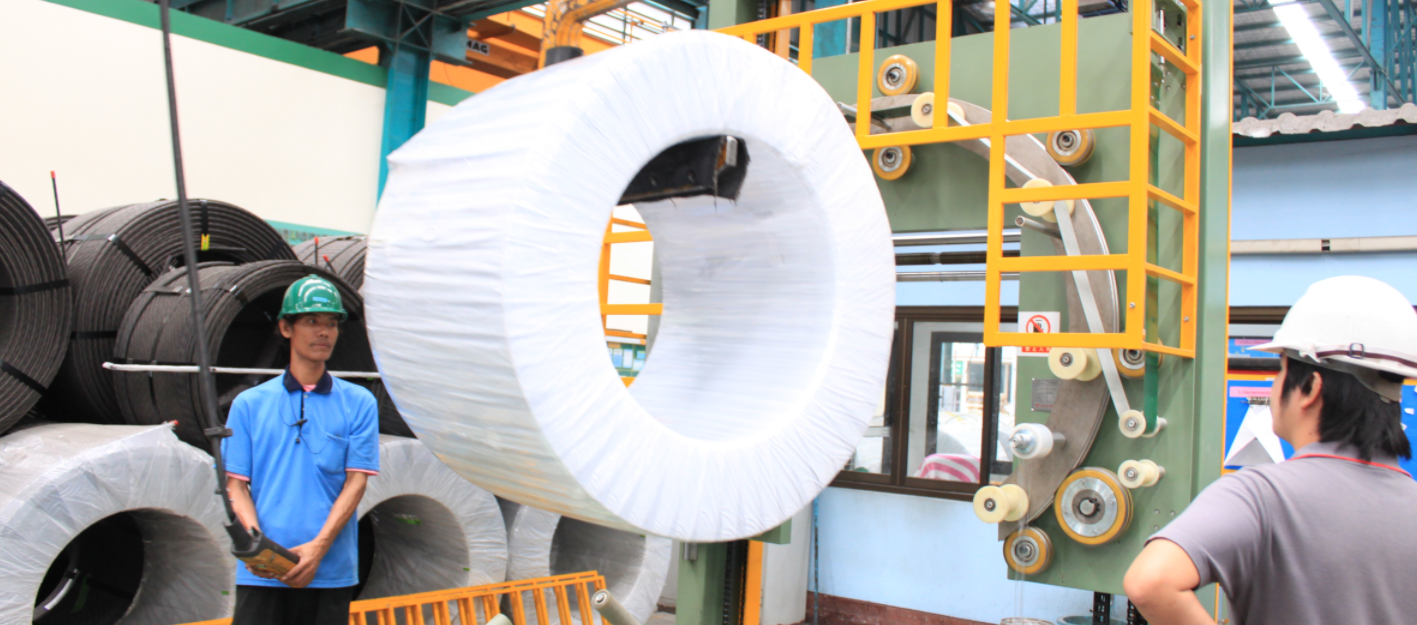
For long-term storage, focus on maximum corrosion protection and material longevity. Utilize high-barrier wraps with desiccants and VCI technology. Consider nitrogen purging within sealed wraps to create an inert atmosphere. Regularly inspect and re-wrap coils as needed, especially if stored outdoors.
For marine shipping, saltwater spray and high humidity are major concerns. Employ specialized marine-grade wraps that are highly water and salt-resistant. Seal all openings meticulously. Consider container liners with desiccants for added protection during sea voyages. Secure coils within containers to prevent shifting during rough seas.
When preserving specific surface finishes (e.g., polished or pre-painted steel), use interleaving materials like paper or non-scratch films between coil layers to prevent abrasion. Employ dust-proof and contaminant-free wraps to maintain surface cleanliness. Handle coils with care during packaging to avoid fingerprints or scratches.
Conclusion
Packaging steel coils effectively in different environments is a nuanced process that demands careful consideration of environmental factors, material selection, and robust techniques. By tailoring packaging strategies to specific environmental challenges – humidity, temperature extremes, and transit conditions – manufacturers can significantly reduce damage, minimize losses, and ensure their steel coils arrive at their destination in optimal condition, regardless of the journey. Embracing a proactive and environment-aware approach to coil packaging is not just a best practice; it’s a strategic imperative for success in the global steel industry.








