
How to Optimize the Performance of PVC Pipe Bagging Machines?
Ensuring optimal performance of PVC pipe bagging machines is critical for maintaining production efficiency and minimizing downtime. By understanding key factors and implementing effective strategies, businesses can significantly improve their bagging operations.
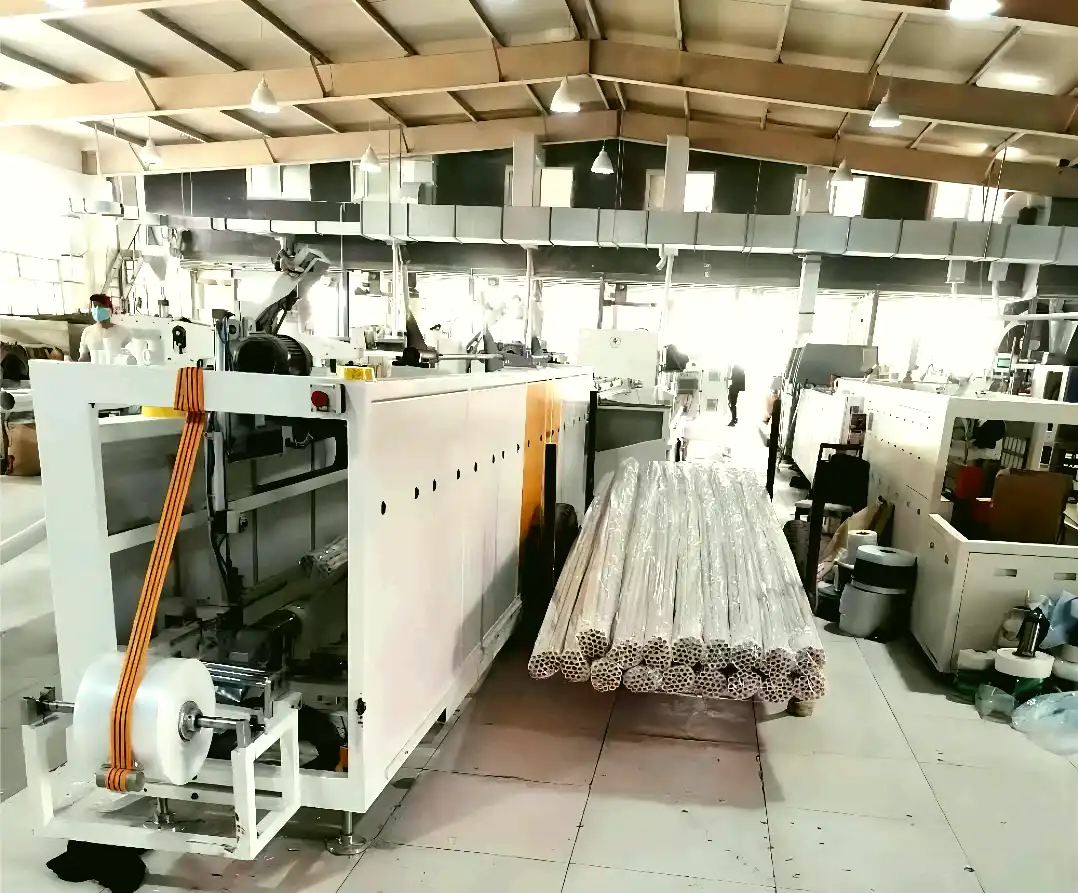
To optimize PVC pipe bagging machine performance, focus on predictive maintenance, operator training, and material handling. Predictive maintenance anticipates failures, reducing downtime. Skilled operators minimize errors and maximize machine settings. Efficient material flow ensures consistent operation, all contributing to enhanced productivity and reduced costs.
Transitioning to a proactive approach not only enhances machine reliability but also significantly improves overall operational efficiency and positions businesses for sustained success.
1. Understanding the Fundamentals of PVC Pipe Bagging Machine Optimization
For PVC pipe bagging machines, consistent operation is key to meeting production demands. Understanding the basic principles of bagging machine operation is essential for effective optimization.
PVC pipe bagging machine optimization involves understanding the machine’s components, identifying potential bottlenecks, and implementing data-driven strategies. This approach ensures consistent, efficient, and reliable bagging operations, leading to increased throughput and reduced waste. Proper lubrication, timely parts replacement, and optimized settings are key to maximizing machine performance.
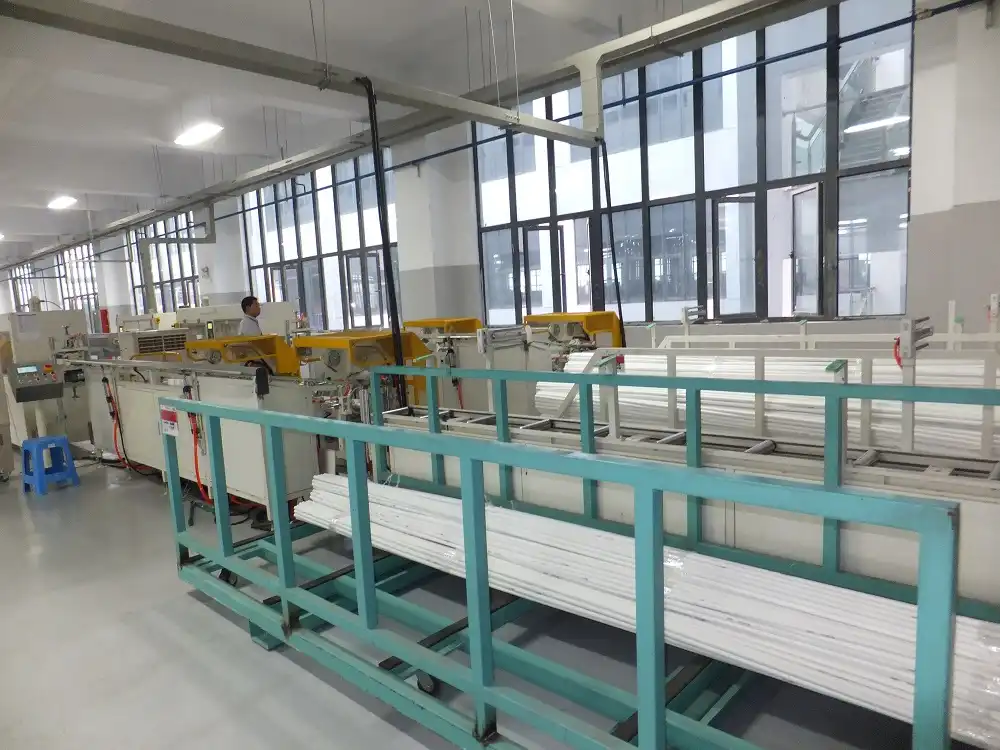
Decoding Machine Inefficiencies: A Data-Driven Approach to Optimization
Pinpointing areas for improvement requires a deep dive into machine data and operational metrics. By monitoring key performance indicators (KPIs) and analyzing trends, you can identify the root causes of inefficiencies and implement targeted solutions. A data-driven approach allows for proactive optimization, ensuring efforts are focused on areas with the biggest potential for improvement, leading to tangible gains in bagging machine efficiency.
Identifying Key Performance Indicators (KPIs)
To effectively optimize your bagging machine, it’s crucial to track and analyze relevant KPIs. These metrics provide valuable insights into machine performance, helping you identify bottlenecks and areas for improvement.
Here’s a look at some essential KPIs for PVC pipe bagging machines:
| KPI | Description | How to Track | Target Improvement |
|---|---|---|---|
| Overall Equipment Effectiveness (OEE) | A comprehensive metric encompassing Availability, Performance, and Quality. | Automated systems, manual data logging | Aim for 85% OEE or higher |
| Downtime | Total time the machine is not operational due to breakdowns, changeovers, etc. | Machine sensors, operator logs, maintenance records | Reduce downtime by 15-20% through preventative actions |
| Throughput Rate | Number of bags produced per hour or shift. | Production counters, automated tracking systems | Increase throughput by 5-10% by optimizing settings |
| Rejection Rate | Percentage of bags rejected due to errors (sealing issues, incorrect counts). | Quality control checks, automated inspection systems | Decrease rejection rate below 2% |
| Changeover Time | Time taken to switch between different pipe sizes or bag types. | Timed procedures, operator logs | Reduce changeover time by 20-30% through standardization |
By consistently monitoring these KPIs, you gain a clear picture of your bagging machine’s performance. Analyzing trends in these metrics will highlight specific areas dragging down efficiency. For example, a consistently low OEE coupled with high downtime points directly to maintenance issues. A high rejection rate might indicate problems with machine calibration or operator errors.
Using Data to Diagnose Issues
Once you’re collecting data, the next step is to analyze it to diagnose the root causes of inefficiencies.
- Pareto Charts for Downtime: Categorize downtime events (e.g., mechanical failures, electrical issues, material jams) and create a Pareto chart. This visually highlights the most frequent causes of downtime, allowing you to prioritize corrective actions.
- Trend Analysis for Throughput: Track throughput rates across different shifts and days. Significant variations might indicate inconsistencies in operator performance or material supply issues.
- Correlation Analysis for Rejection Rates: Investigate if rejection rates correlate with specific operators, shifts, or material batches. This can pinpoint training needs or material quality problems.
2. Implementing a Robust Preventative Maintenance Program
Consistent uptime is paramount in bagging operations. A well-structured preventative maintenance schedule is the cornerstone of minimizing downtime and maximizing bagging machine availability.
For continuous PVC pipe bagging, a preventative maintenance schedule is essential. This involves regular checks and in-depth inspections to minimize breakdowns. Proactive maintenance extends machine lifespan and ensures consistent performance. Daily cleaning, lubrication, and belt tension checks are crucial for smooth, efficient bagging operations.
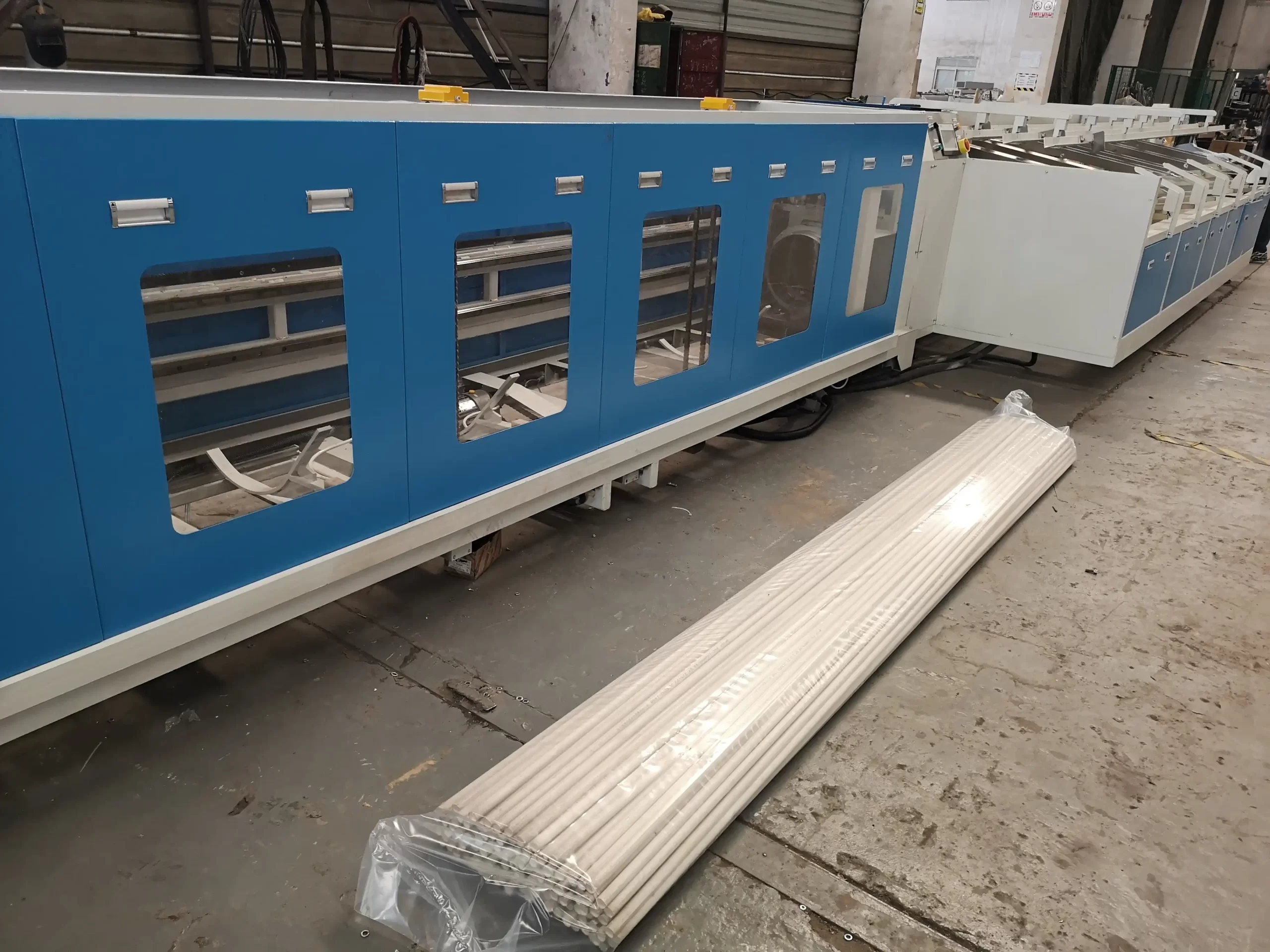
Crafting a Multi-Tiered Preventative Maintenance Plan
A truly effective preventative maintenance plan needs to be structured, comprehensive, and consistently executed. It should encompass various levels of maintenance, performed at different intervals.
Daily Maintenance (End of Each Shift)
- Cleaning: Remove PVC dust and debris from all accessible machine parts, especially sealing areas, conveyors, and sensors. Use compressed air and brushes.
- Visual Inspection: Check for loose bolts, worn belts, damaged wires, or any signs of wear and tear. Pay attention to critical components like sealing jaws and cutting blades.
- Lubrication (Minor): Apply a light lubricant to designated points as per the manufacturer’s manual, focusing on chains, gears, and moving joints.
- Sensor Check: Ensure all sensors (proximity, photoelectric) are clean and functioning correctly. Test their response if possible.
Weekly Maintenance
- Detailed Cleaning: More thorough cleaning, including removing guards (when safe and permissible) to access less accessible areas.
- Lubrication (Comprehensive): Lubricate all grease points and bearings according to the maintenance schedule, using the correct type of lubricant.
- Belt Tension Check: Verify and adjust belt tension for conveyors and drive systems. Improper tension can lead to slippage and premature wear.
- Chain and Sprocket Inspection: Inspect chains for wear, stretch, and proper lubrication. Check sprocket teeth for damage.
- Pneumatic System Check (if applicable): Drain air filters, check for leaks in hoses and fittings, and ensure proper air pressure.
- Safety System Check: Test emergency stops, safety interlocks, and light curtains to ensure they are functioning correctly. Document the checks.
Monthly/Quarterly Maintenance (Scheduled Downtime)
- In-Depth Inspection: A comprehensive inspection of all mechanical, electrical, and pneumatic systems by trained maintenance personnel.
- Component Replacement (Preventative): Replace wear parts proactively based on usage hours or manufacturer recommendations (e.g., sealing jaws, cutting blades, belts, bearings).
- Calibration and Adjustment: Recalibrate sensors, adjust timing mechanisms, and fine-tune machine settings to maintain optimal performance.
- Electrical System Inspection: Check wiring connections, motor condition, control panel components, and safety grounds.
- Software/PLC Check (if applicable): Verify software versions, backup PLC programs, and check for any error logs.
3. Optimizing Material Flow and Changeover Procedures
Efficient material flow and rapid changeovers are critical for minimizing downtime and maximizing throughput in [plastic packaging] bagging operations.
Effective material handling and quick changeovers minimize disruptions to the continuous flow of production. Automated infeed systems, buffer zones, and ergonomic material presentation are essential. Standardized procedures, quick-release mechanisms, and checklists reduce changeover times, ensuring high output and minimal waste.
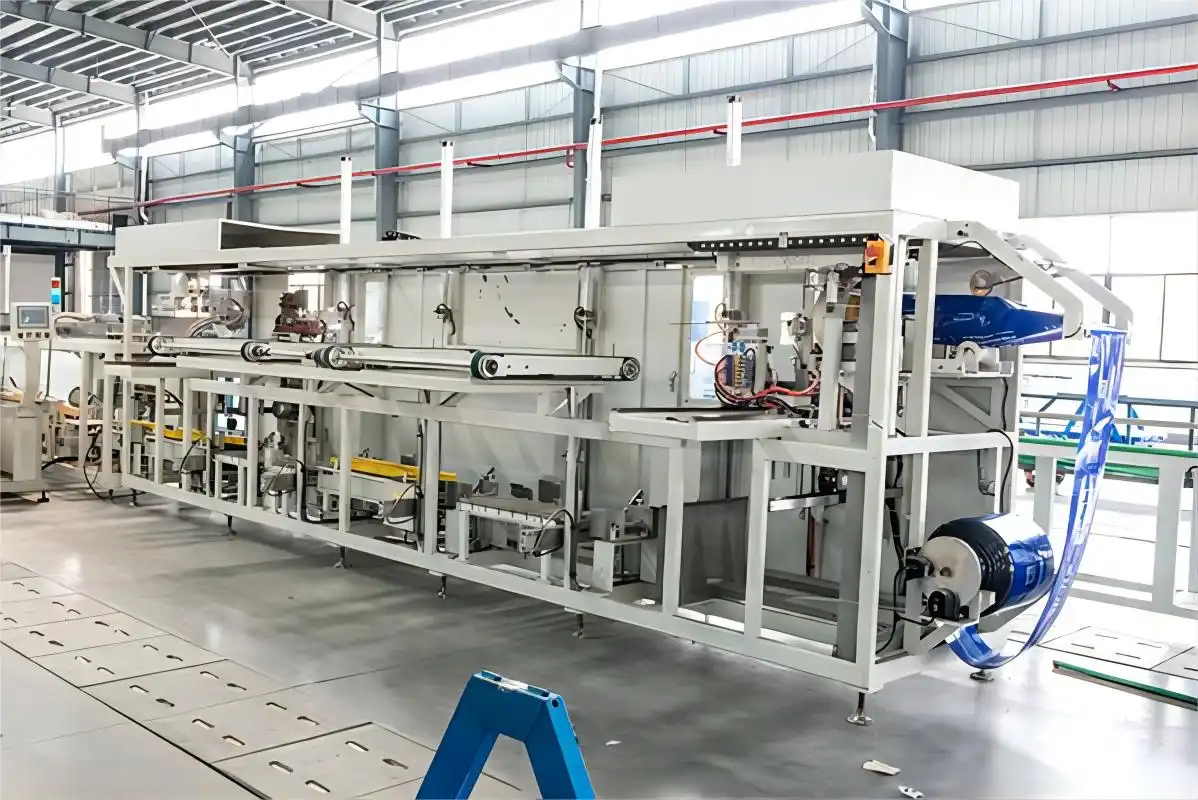
Streamlining for Sustained High Performance
In multi-shift operations, even small delays in material handling or changeovers can accumulate significantly, impacting overall efficiency. Streamlining these processes is key to sustained high performance.
| Strategy | Description | Benefits |
|---|---|---|
| Automated Infeed Systems | Implement automated conveyor systems or robotic arms to feed PVC pipes to the bagging machine. | Reduces manual handling, ensures a consistent supply. |
| Buffer Zones | Create buffer zones for pipes waiting to be bagged and for finished bags. | Prevents bottlenecks, ensures continuous machine operation. |
| Optimized Layout | Design the bagging machine layout to minimize material travel distances. | Eliminates unnecessary movements, improving efficiency. |
| Standardized Changeover Procedures | Develop detailed, step-by-step procedures for changeovers. | Minimizes the time spent on adjustments and component changes. |
| Quick-Release Mechanisms | Utilize quick-release clamps, fasteners, and tooling. | Reduces changeover time by converting internal tasks to external tasks. |
| Training and Practice | Train operators thoroughly on quick changeover procedures and conduct regular practice sessions. | Improves speed and accuracy, reduces errors, and enhances production flexibility. |
| Checklists and Verification | Use checklists to ensure all steps in the changeover process are completed correctly and to verify machine readiness. | Reduces downtime, increases throughput, improves operator efficiency, lowers material waste. |
Optimizing material flow and implementing quick changeover techniques leads to a more responsive and efficient bagging operation, maximizing output and minimizing waste.
4. Training and Skill Development for Operators
Investing in thorough operator training is crucial for maximizing PVC pipe bagging machine efficiency in any operational environment. Well-trained operators can optimize machine settings and quickly troubleshoot minor issues.
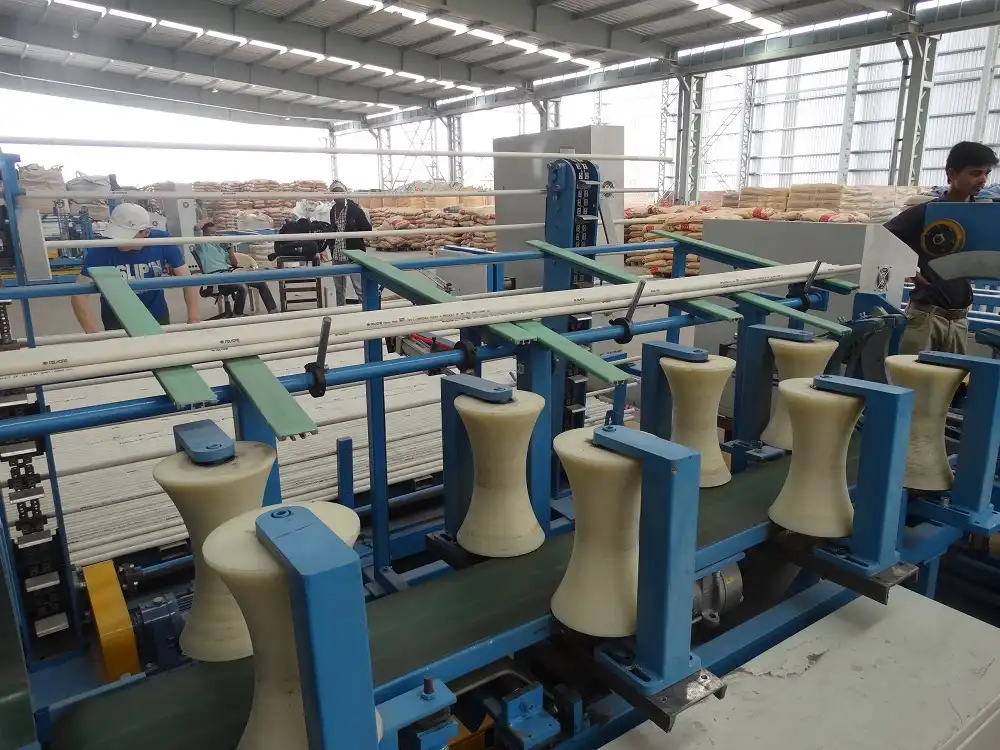
Building a Multi-Level Program An effective operator training program should be structured, progressive, and ongoing, catering to different skill levels and experience. It should encompass both theoretical knowledge and hands-on practical skills.
Comprehensive operator training is key to efficient bagging machine performance. Well-trained operators can optimize settings and quickly address issues. Basic operation and safety training is essential, followed by advanced optimization and maintenance skills. Hands-on training, structured manuals, and regular refresher sessions are vital for creating efficiency champions.
*Training and Skill Development for Operators
- Basic Operation and Safety (Initial Training for All New Operators):
- Machine Overview: Introduction to the bagging machine components, functions, and overall operation.
- Control Panel Operation: Detailed explanation of the control panel, HMI interface, and all control functions (start, stop, speed adjustment, sealing parameters, etc.).
- Safety Procedures: Comprehensive training on all safety protocols, emergency stops, lockout/tagout procedures, and safe operating practices.
- Basic Troubleshooting: Identification of common error messages and simple troubleshooting steps (e.g., clearing jams, resetting sensors).
- Quality Control Basics: Understanding quality standards for bagged pipes, visual inspection criteria, and rejection procedures.
- Advanced Operation and Optimization (For Experienced Operators):
- Parameter Optimization: In-depth training on adjusting machine parameters (sealing temperature, pressure, speed, film tension) to optimize performance for different pipe types and bag materials.
- Changeover Procedures: Detailed, step-by-step training on performing efficient and accurate changeovers between pipe sizes and bag types, minimizing downtime.
- Preventative Maintenance (Operator Level): Training on daily and weekly maintenance tasks operators are responsible for (cleaning, lubrication, visual checks).
- Advanced Troubleshooting: Diagnosis and resolution of more complex issues, using machine diagnostics and troubleshooting manuals.
- Data Logging and KPI Monitoring: Training on how to collect production data, monitor KPIs, and identify areas for improvement.
- Supervisory and Maintenance Skills (For Lead Operators and Potential Technicians):
- Machine Mechanics and Electrics (Basic): Fundamental understanding of machine mechanics, electrical systems, and pneumatic components.
- Advanced Maintenance Procedures: Training on more complex preventative maintenance tasks and basic repairs under supervision.
- Operator Training (Train-the-Trainer): Developing skills to train new operators and conduct refresher training for existing staff.
- Production Management Basics: Understanding production planning, scheduling, and efficiency metrics.
- Inventory Management (Basic): Managing consumables (bags, film) and spare parts at the operator level.
Conclusion
Maximizing the efficiency and lifespan of PVC pipe bagging machines requires a strategic, multifaceted approach. By focusing on data-driven analysis, proactive maintenance, skilled operators, and streamlined processes, businesses can unlock significant gains. These strategies ensure consistent output, reduced downtime, and enhanced profitability.








