
How to Optimize Steel Wire Strapping Machine Performance for Different Strapping Materials?
Selecting the right strapping material is crucial for maximizing the efficiency of your steel wire strapping machine. Understanding the properties of each material ensures optimal performance and minimizes downtime. This leads to cost savings and improved Collection.
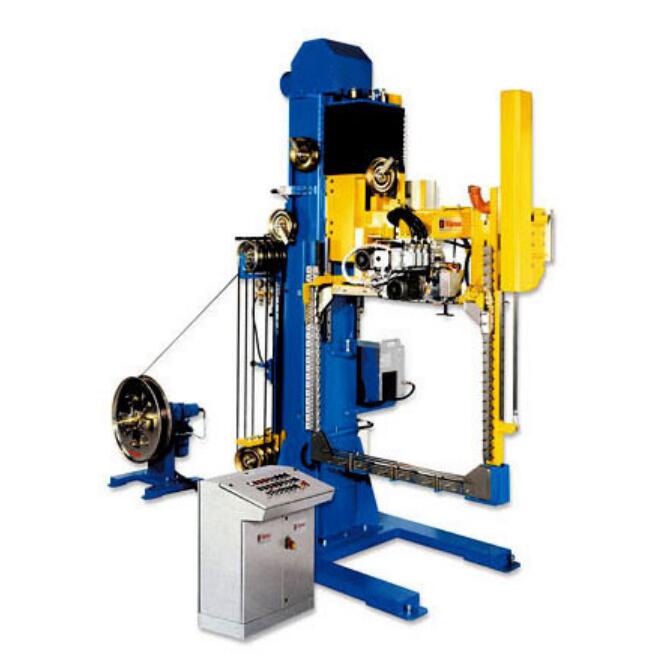
To optimize steel wire strapping machine performance, match the strapping material to the application. Consider load weight, shape, and environmental conditions. Proper tension settings and regular maintenance are crucial. Using the correct sealing method for each material ensures secure and efficient strapping.
Choosing the right strapping material and optimizing your machine settings can significantly improve your packaging process. Let’s delve deeper into how to achieve peak performance for different materials.
Understanding Steel Wire Strapping Material Varieties
Selecting the correct type of steel wire strapping is the first step in optimizing machine performance. Different grades and finishes cater to diverse application needs, directly impacting the strapping process.
To optimize performance, understand the different types of steel wire strapping: Regular Duty, High Tensile, and Zinc Coated. Regular Duty suits lighter loads. High Tensile handles heavier, more demanding applications. Zinc Coated provides corrosion resistance. Matching the steel grade to the load optimizes machine performance and ensures load security.

Optimizing Steel Wire Strapping Machine Performance Based on Material Type
Choosing the right steel wire strapping goes beyond simply selecting for strength. Factors like finish, width, and gauge all play a crucial role in ensuring your strapping machine operates at peak efficiency and delivers secure, reliable results. This section explores the nuances of steel wire strapping selection and how it impacts your machine’s performance.
Regular Duty Steel Strapping
Regular duty steel strapping is suitable for general-purpose applications where high tensile strength is not the primary requirement. It’s often used for bundling lighter loads and providing basic reinforcement.
High Tensile Steel Strapping
High tensile steel strapping is designed for heavy-duty applications that require maximum strength and durability. It’s ideal for securing heavy or irregularly shaped loads, providing superior resistance to breakage and elongation.
Zinc-Coated Steel Strapping
Zinc-coated steel strapping offers enhanced corrosion resistance, making it suitable for outdoor applications or environments where moisture and humidity are present. The zinc coating protects the steel from rust and degradation, extending the lifespan of the strapping.
Selecting the Right Steel Strapping: A Data-Driven Approach
The table below offers a data-driven approach to selecting the appropriate steel strapping based on different load characteristics and application requirements.
| Property | Regular Duty | High Tensile | Zinc-Coated |
|---|---|---|---|
| Tensile Strength (PSI) | 60,000 – 80,000 | 100,000 – 140,000 | 60,000 – 80,000 |
| Load Weight Capacity | Up to 1,000 lbs | 1,000+ lbs | Up to 1,000 lbs |
| Corrosion Resistance | Low | Low | High |
| Application | Light Bundling | Heavy Loads | Outdoor Environments |
| Cost | Low | Moderate | Moderate |
Optimizing Machine Settings for Each Type
Once you’ve selected the appropriate type of steel strapping, it’s essential to adjust your strapping machine settings to match. This includes:
- Tension: Regular duty strapping requires less tension than high tensile strapping. Overtightening can damage the load, while undertightening can compromise security.
- Sealing Method: Ensure the sealing mechanism is compatible with the strapping’s gauge and finish. Incorrect sealing can lead to strap failure.
- Cutting Mechanism: Adjust the cutting blades to ensure a clean, precise cut without burrs or sharp edges, which can be a safety hazard.
By carefully considering the type of steel strapping and optimizing your machine settings, you can maximize efficiency, minimize waste, and ensure the safe and secure transport of your goods.
Adjusting Tension Settings for Different Wire Diameters
Different steel wire diameters require precise tension settings to avoid damage to the wire or the strapping machine itself. Proper adjustment is key for both efficiency and safety.
To adjust tension, consider the wire diameter and material strength. Thicker wires need higher tension. Too much tension can damage the wire. Too little tension results in loose strapping. Consult the machine manual for recommended settings. Regular calibration ensures consistent performance.
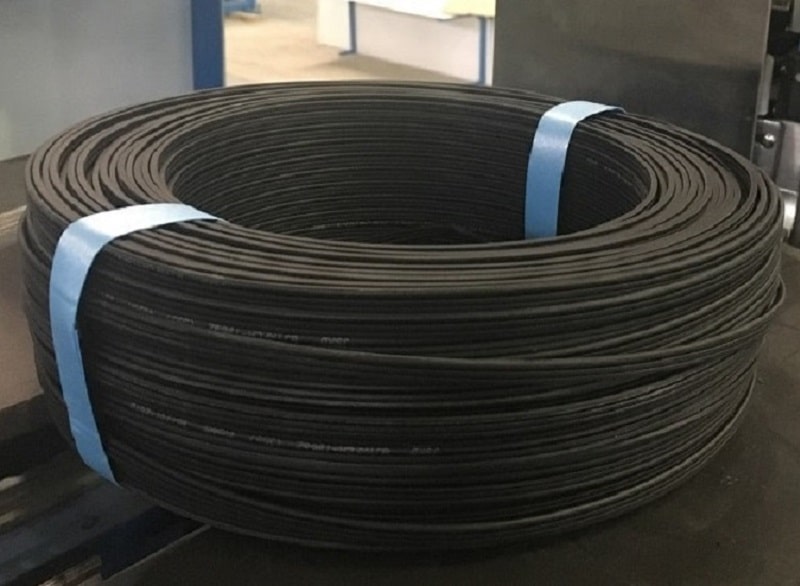
Fine-Tuning Tension: A Step-by-Step Guide
Achieving optimal tension is critical for secure strapping and preventing product damage. This requires a careful understanding of wire properties, machine mechanics, and proper adjustment techniques. This section will provide a detailed guide on how to fine-tune tension settings for different wire diameters, helping you maximize your strapping machine’s performance and ensure reliable results.
- Consult the Machine Manual: Always start by referring to the manufacturer’s manual for recommended tension settings based on the wire diameter and material strength.
- Perform Test Straps: Before running a full production batch, perform several test straps on sample wires. Visually inspect the straps for signs of over-tensioning (wire deformation) or under-tensioning (loose strapping).
- Adjust in Small Increments: Make small adjustments to the tension setting and repeat the test straps until you achieve the desired tightness without damaging the wire.
- Use a Tension Meter: For critical applications, use a tension meter to measure the actual tension applied to the strapping. This ensures accuracy and consistency.
- Monitor Regularly: Tension settings can drift over time due to wear and tear on the machine. Regularly monitor the tension and readjust as needed to maintain optimal performance.
By following these steps, you can fine-tune your tension settings and achieve secure, damage-free strapping for different wire diameters.
Maintaining and Cleaning the Sealing Head
A clean and well-maintained sealing head ensures consistent and reliable seals, reducing downtime and material waste. Regular cleaning prevents jams and ensures proper heat transfer.
To maintain the sealing head, clean it regularly with a non-abrasive cleaner. Remove any debris or residue that can interfere with the sealing process. Inspect the heating elements for wear and tear. Replace them as needed to ensure consistent sealing. Proper maintenance extends the life of the machine.

Sealing Head Maintenance: A Detailed Breakdown
The sealing head is the heart of your strapping machine. Its proper functioning is crucial for secure and reliable seals, which directly impacts the safety and integrity of your packaged goods. This section provides a detailed breakdown of sealing head maintenance, including cleaning procedures, inspection tips, and troubleshooting advice.
Cleaning Procedures
- Frequency: Clean the sealing head at least once per shift, or more frequently if you notice any buildup of residue or debris.
- Tools: Use a soft brush, lint-free cloth, and a non-abrasive cleaner specifically designed for strapping machines.
- Procedure:
- Turn off and unplug the machine.
- Allow the sealing head to cool completely.
- Remove any loose debris with the brush.
- Apply the cleaner to the cloth and gently wipe down the sealing surfaces.
- Dry the sealing head with a clean cloth before resuming operation.
Inspection Tips
Regularly inspect the sealing head for:
| Component | Inspection Criteria | Action |
|---|---|---|
| Heating Elements | Cracks, corrosion, or uneven heating | Replace immediately |
| Sealing Jaws | Misalignment, wear, or damage | Adjust or replace |
| Cutting Blades | Dullness, nicks, or misalignment | Sharpen or replace |
Troubleshooting
Common issues with the sealing head include:
- Weak Seals: May be caused by low temperature, contaminated sealing surfaces, or worn heating elements.
- Jammed Straps: Often due to debris buildup or misalignment of the sealing jaws.
- Inconsistent Seals: Can result from uneven heating or variations in strap thickness.
By following these maintenance and troubleshooting tips, you can keep your sealing head in optimal condition and ensure consistent, reliable seals.
Troubleshooting Common Issues
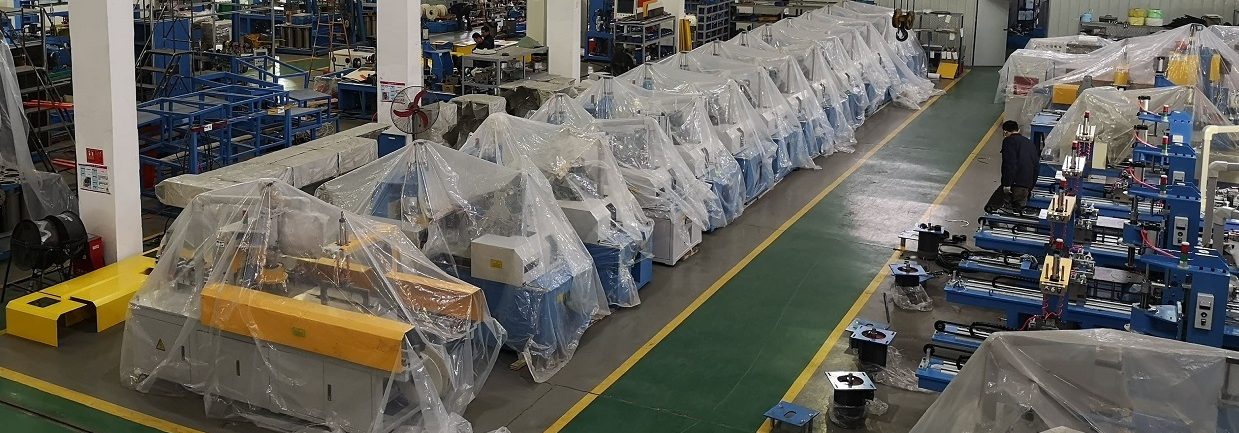
Ensuring optimal performance of your steel wire strapping machine involves addressing common operational issues promptly. Identifying and resolving these problems can significantly reduce downtime.
Troubleshoot common issues like strap breaks, misfeeds, and inconsistent tension. Strap breaks suggest incorrect tension settings or damaged strapping. Misfeeds often result from improper loading. Inconsistent tension may stem from a faulty tensioning mechanism. Addressing these issues promptly ensures efficient operation.
To optimize your steel wire strapping machine’s performance, you must understand how to troubleshoot the common issues that arise during operation. By swiftly and effectively addressing these challenges, you can minimize downtime and ensure your machine consistently delivers the desired results. Let’s explore some frequent issues and their corresponding solutions.
- Strap Breaks: Occur due to excessive tension or damaged strapping material. Reduce tension settings or switch to a higher-quality strap.
- Misfeeds: Result from incorrect strap loading or a dirty feed mechanism. Reload the strap properly and clean the feed mechanism.
- Inconsistent Tension: Indicates a faulty tensioning mechanism. Inspect and repair or replace the mechanism.
- Weak Seals: Stem from low temperature or debris buildup on the sealing head. Adjust the temperature or clean the sealing head.
By implementing these troubleshooting strategies, you can effectively maintain your steel wire strapping machine and ensure consistently reliable performance.
Conclusion
Optimizing steel wire strapping machine performance requires careful consideration of strapping materials, tension settings, and regular maintenance. By understanding the nuances of each material and adjusting machine settings accordingly, businesses can achieve greater efficiency, reduce downtime, and ensure secure packaging. Investing in proper maintenance and troubleshooting practices further extends the lifespan of the machine and maximizes its overall value. Ultimately, a well-maintained and optimized steel wire strapping machine contributes to streamlined operations and enhanced product protection.








