

How to Optimize Steel Wire Coiling Machine Performance for Variable Wire Sizes?
Optimizing steel wire coiling machine performance when dealing with variable wire sizes requires a multifaceted approach. The key lies in understanding the nuances of wire properties, machine capabilities, and the interplay between them to achieve seamless and efficient operation.


Efficiently coiling steel wire of varying sizes demands a comprehensive strategy. This article delves into the critical factors influencing coiling machine performance, offering practical tips and innovative solutions to achieve peak operational efficiency. By understanding these challenges and implementing the right strategies, you can significantly improve your coiling process.
1. Mastering the Fundamentals of Tension Control
Optimizing tension control is fundamental to achieving high-quality coils with consistent dimensions. Maintaining appropriate tension throughout the coiling process ensures the wire is wound tightly and evenly.
Effective tension control is crucial because it directly impacts coil quality, preventing issues like loose windings and uneven layering. Proper tension prevents wire breakage, reduces downtime, and produces uniform coils suitable for various applications.


To further refine tension control, consider the impact of wire diameter and material properties on the overall process. A nuanced approach, incorporating advanced technology and meticulous adjustments, can significantly enhance your coiling operation.
Understanding the Impact of Wire Diameter
Wire diameter is a primary factor affecting tension requirements. Thicker wires generally require higher tension to maintain a tight coil, while thinner wires are more susceptible to breakage under excessive tension.
Adjusting Tension Based on Wire Thickness
To effectively adjust tension based on wire thickness, consider the following guidelines:
| Wire Diameter (mm) | Recommended Tension (N) | Adjustment Increment (N) |
|---|---|---|
| 1.0 – 2.0 | 50 – 70 | 5 |
| 2.1 – 3.0 | 70 – 90 | 5 |
| 3.1 – 4.0 | 90 – 110 | 5 |
Implementing these adjustments ensures the wire is neither too loose nor overstressed during coiling, leading to higher quality coils and reduced material waste.
Optimizing for Different Wire Materials
Different wire materials possess varying tensile strengths and elasticity, directly influencing the tension required for optimal coiling. Understanding these material properties is crucial for preventing deformation or breakage.
Material-Specific Tension Settings
The following table outlines recommended tension settings for common wire materials:
| Wire Material | Tensile Strength (MPa) | Recommended Tension (N) |
|---|---|---|
| Mild Steel | 400 – 550 | 60 – 80 |
| High Carbon Steel | 700 – 900 | 80 – 100 |
| Copper | 200 – 250 | 40 – 60 |
| Aluminum | 150 – 190 | 30 – 50 |
Implementing Advanced Tension Control Systems
Advanced tension control systems utilize sensors and feedback loops to automatically adjust tension in real-time. These systems can significantly improve consistency and reduce the need for manual adjustments.
Key Features of Advanced Systems
- Real-time monitoring: Continuously monitors tension levels during coiling.
- Automated adjustments: Automatically adjusts tension based on sensor feedback.
- Data logging: Records tension data for analysis and optimization.
-
User-friendly interface: Allows operators to easily monitor and adjust settings.
These features ensure consistent coil quality, minimize material waste, and reduce the risk of machine downtime. Implementing such a system can dramatically improve overall efficiency and productivity.
2. The Role of Guide Rollers and Spooling Techniques
Guide rollers and spooling techniques play a crucial role in ensuring the smooth and accurate winding of wire onto the coil. Proper setup and maintenance of these components are essential for minimizing friction and preventing wire damage.
Guide rollers help direct the wire precisely onto the spool, ensuring even layering and preventing tangling. Optimized spooling techniques minimize stress on the wire, reducing the risk of breakage and ensuring a consistent coil build.

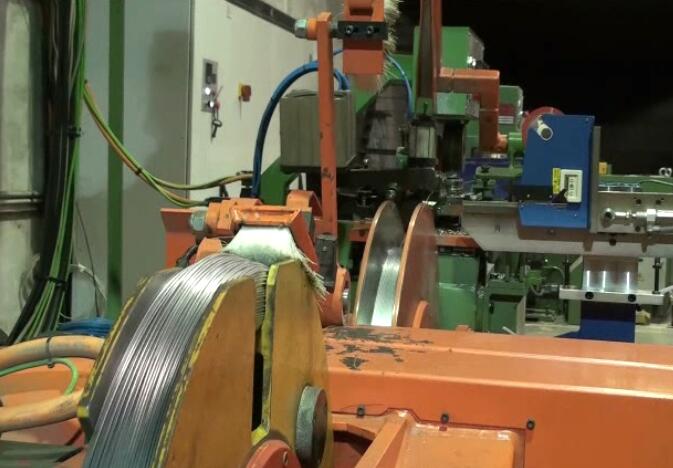
For a more in-depth understanding, let’s explore specific adjustments and techniques to maximize the efficiency and quality of your wire coiling operations.
Optimizing Guide Roller Placement and Material
The placement and material of guide rollers significantly impact wire smoothness and tension consistency. Proper alignment and low-friction materials can minimize stress on the wire.
Impact of Misalignment
Misaligned guide rollers can cause uneven tension, leading to coil defects and potential wire breakage. Regular inspections and adjustments are essential.
Material Selection for Guide Rollers
Common materials for guide rollers include:
-
Steel: Durable but can cause friction.
-
Ceramic: Low friction and high wear resistance.
-
Polyurethane: Good balance of friction and durability.
Choosing the right material depends on the wire type and operational demands. Ceramic rollers are often preferred for high-speed operations with delicate wires.
Advanced Spooling Techniques
Implementing advanced spooling techniques can further improve coil quality and reduce downtime. These techniques focus on optimizing wire layering and tension distribution.
Layer Winding vs. Random Winding
-
Layer Winding: Involves precisely layering the wire in a controlled pattern. This method results in more uniform coils with minimal stress points.
-
Random Winding: Allows the wire to wind more freely, which can be faster but may result in less consistent coils.
Techniques for Minimizing Wire Crossover
Wire crossover can lead to uneven coils and increased tension fluctuations. Techniques to minimize crossover include:
-
Adjustable traverse speed: Optimizing the speed at which the wire is guided across the spool.
-
Precise guide roller placement: Ensuring the wire is directed smoothly and accurately.
-
Tension control: Maintaining consistent tension to prevent slack and tangling.
Applying these techniques can significantly improve the overall efficiency and quality of your coiling process.
3. Quick Changeover Systems for Variable Wire Sizes
Quick changeover systems are invaluable for minimizing downtime when switching between different wire sizes. These systems enable rapid adjustments to machine settings, reducing idle time and increasing overall productivity.
Quick changeover systems reduce the time required to switch between different wire sizes, boosting overall productivity. These systems often involve modular components and preset adjustments that minimize manual intervention.

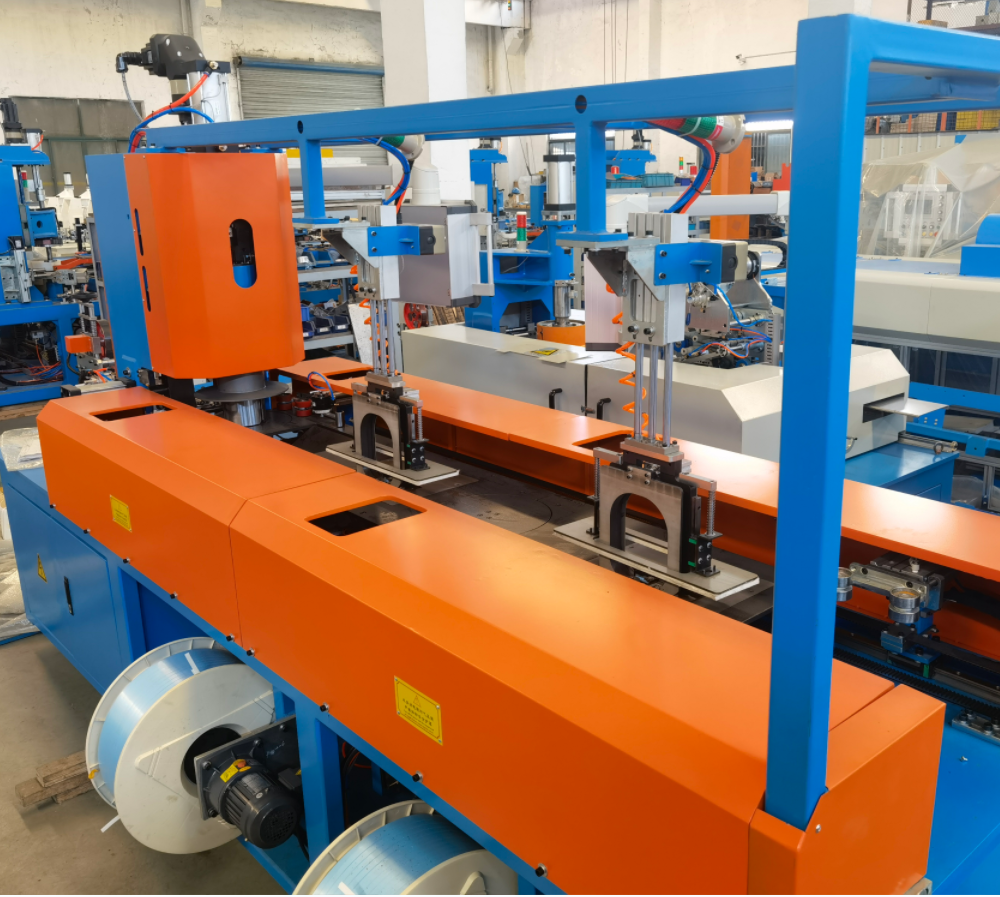
Let’s explore how to implement and optimize these systems for peak performance, considering both mechanical and automated solutions.
Implementing Mechanical Quick Changeover Systems
Mechanical quick changeover systems rely on manual adjustments that are designed for ease and speed. These systems often involve levers, clamps, and calibrated scales.
Essential Components
-
Adjustable guide rollers: Easily repositioned for different wire widths.
-
Quick-release clamps: Fasten components securely without tools.
-
Calibrated scales: Ensure accurate settings for tension and alignment.
Benefits
-
Reduced downtime: Faster changeovers compared to traditional methods.
-
Ease of use: Minimal training required for operators.
-
Cost-effective: Lower initial investment compared to automated systems.
Integrating Automated Quick Changeover Systems
Automated quick changeover systems use electronic controls and sensors to automatically adjust machine settings. These systems offer even faster and more precise changeovers.
Key Features
-
Automated adjustments: Electronic controls reposition guide rollers and adjust tension settings automatically.
-
Sensor feedback: Real-time monitoring ensures settings are accurate.
-
Programmable settings: Operators can store and recall settings for different wire sizes.
Benefits
-
Minimal downtime: Fastest changeovers possible.
-
High precision: Automated adjustments ensure consistent results.
-
Reduced labor: Minimal operator intervention required.
Comparative Analysis
Here’s a comparison of mechanical and automated quick changeover systems:
Feature Mechanical System Automated System Changeover Time Moderate (5-10 minutes) Fast (1-2 minutes) Precision Good Excellent Cost Lower Higher Skill Requirement Moderate Low Maintenance Simple Complex Choosing between mechanical and automated systems depends on your specific needs and budget.
4. Predictive Maintenance and Real-Time Monitoring
Predictive maintenance and real-time monitoring are critical for preventing downtime and ensuring consistent performance. These strategies involve continuously monitoring machine health and proactively addressing potential issues before they lead to breakdowns.


Predictive maintenance uses data analytics to anticipate failures, reducing downtime and extending machine lifespan. Real-time monitoring provides immediate feedback on machine performance, enabling proactive adjustments and preventing costly breakdowns.
Let’s explore the components of such systems in greater detail.
Components:
-
Vibration Sensors.
-
Thermal Imaging.
-
Lubrication Analysis.
-
Performance Monitoring Software.
-
Vibration Sensors: These sensors detect unusual vibrations that may indicate mechanical issues. By analyzing vibration patterns, potential problems like bearing wear or misalignment can be identified early.
-
Thermal Imaging: Thermal imaging cameras can detect overheating components, which may signal electrical or mechanical failures. Regular thermal scans can help prevent breakdowns by identifying hot spots that need attention.
-
Lubrication Analysis: Analyzing the condition of lubricants can reveal valuable information about the health of machine components. Tests can detect contaminants, wear particles, and degradation of the lubricant itself.
-
Performance Monitoring Software: This software collects data from various sensors and provides real-time insights into machine performance. It can track key metrics such as speed, tension, and power consumption, alerting operators to any deviations from optimal levels.
In conclusion, optimizing steel wire coiling machine performance for variable wire sizes requires a holistic approach encompassing tension control, guide roller optimization, quick changeover systems, and predictive maintenance. By implementing these strategies, manufacturers can achieve higher efficiency, improved quality, and reduced downtime.












