
How to Optimize Steel Wire Coiling Machine Performance for Cold Chain Operations?
Maintaining the integrity of steel wire coils in cold chain operations demands peak coiling machine performance. Environmental factors like temperature fluctuations and humidity can compromise the wire’s quality, necessitating optimized processes and equipment.
To optimize steel wire coiling machine performance in cold chain operations, focus on temperature control, humidity regulation, and protective packaging. Implement automated systems to minimize handling, use moisture-resistant materials, and regularly maintain equipment to ensure consistent operation and prevent corrosion.
Steel wire coiling machines play a crucial role in industries that rely on maintaining precise conditions. Let’s explore key strategies to enhance their performance in cold chain environments.
1. Understanding Cold Chain Challenges in Steel Wire Coiling
Ensuring consistent performance of steel wire coiling machines within cold chain operations presents unique challenges. The integrity of steel wire depends on stable environmental conditions.
Steel wire coiling machines face challenges in cold chains due to temperature fluctuations causing condensation and corrosion, as well as material embrittlement. Overcoming these issues requires specialized equipment, humidity control, and protective packaging to maintain wire quality and machine performance.
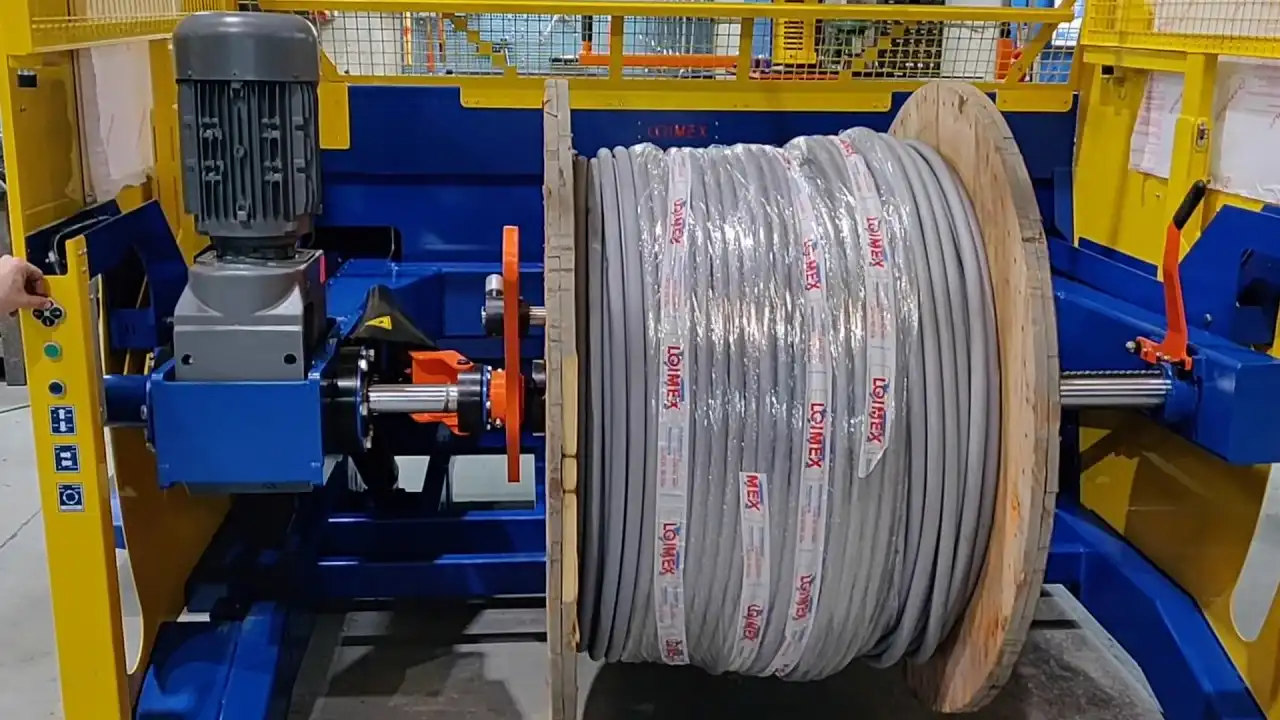
Addressing Environmental Factors: A Deep Dive
Environmental factors like temperature, humidity, and exposure to corrosive elements critically impact steel wire coiling machine performance within cold chain operations. Understanding these challenges is the first step toward implementing effective solutions.
Temperature Management
Temperature fluctuations can lead to condensation, causing corrosion and weakening the steel wire. Maintaining a consistent temperature within the recommended range for the specific steel grade is crucial. This may involve:
-
Insulated Enclosures: Encasing the coiling machine in an insulated enclosure to minimize temperature variations.
-
Climate Control Systems: Implementing HVAC systems to regulate temperature and humidity within the enclosure.
-
Temperature Monitoring: Using sensors to track temperature and trigger alerts if levels deviate from optimal ranges.
Humidity Control
High humidity accelerates corrosion, compromising both the steel wire and the coiling machine components. Effective humidity control strategies include:
-
Desiccant Systems: Utilizing desiccant dehumidifiers to maintain low humidity levels.
-
Sealed Environments: Creating airtight environments to prevent moisture ingress.
-
Corrosion-Inhibiting Coatings: Applying protective coatings to machine parts to resist corrosion.
Material Considerations
The selection of materials for the coiling machine itself is also critical. Components should be resistant to cold temperatures and corrosion.
-
Stainless Steel: Using stainless steel for critical parts to prevent rust.
-
Specialized Polymers: Employing polymers that maintain flexibility and strength in cold environments.
Table: Impact of Environmental Factors on Steel Wire
Environmental Factor Impact on Steel Wire Mitigation Strategies Temperature Condensation, corrosion, embrittlement Insulated enclosures, climate control systems, monitoring Humidity Accelerated corrosion, material degradation Desiccant systems, sealed environments, corrosion inhibitors Corrosive Elements Chemical reactions, structural weakening Protective coatings, regular cleaning By carefully managing these environmental factors, businesses can significantly improve the performance and longevity of their steel wire coiling machines in cold chain operations, ensuring the consistent quality of their products.
2. Selecting the Right Materials and Lubricants
Choosing suitable materials and lubricants is crucial for optimal performance of steel wire coiling machines in cold chain operations. Extreme temperatures can affect the properties of standard materials, leading to failures.
Utilizing low-temperature-resistant alloys for machine components and specialized lubricants ensures smooth operation even in freezing conditions. Select moisture-resistant packaging materials to protect steel wire coils from corrosion during cold chain transportation and storage, maintaining product integrity.
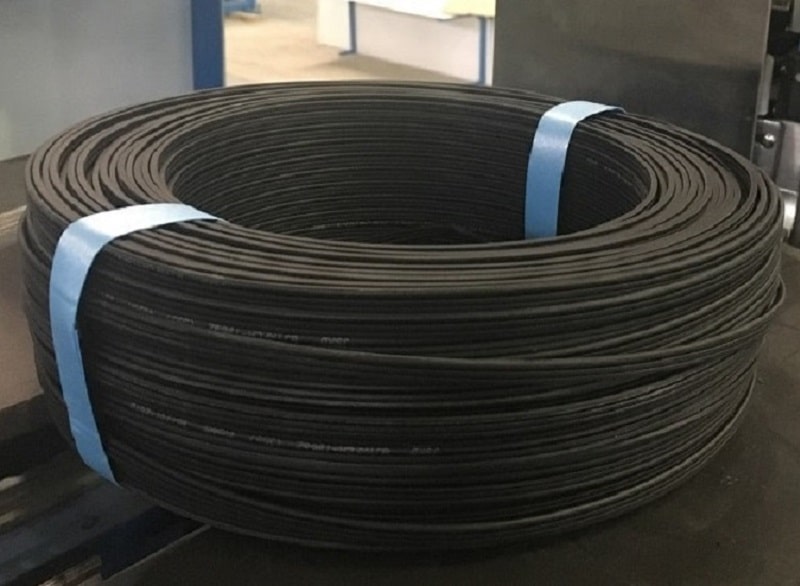
Optimizing Material Choice for Cold Environments
Selecting the right materials for your steel wire coiling machine is vital for maintaining functionality and durability in cold chain environments.
Standard materials can become brittle and prone to failure under freezing conditions, making it crucial to choose alternatives that can withstand extreme temperatures.
Here’s a look at how to optimize material selection:
-
Low-Temperature Alloys: Utilize alloys designed to maintain their mechanical properties at low temperatures. Examples include certain grades of stainless steel and aluminum alloys known for their resistance to embrittlement.
-
Specialized Polymers: Replace standard plastic components with polymers that remain flexible and durable in cold conditions. Consider using materials like polyurethane or specific grades of nylon.
-
Protective Coatings: Apply coatings that protect against corrosion and wear. Options include epoxy coatings and specialized paints that maintain elasticity even when cold.
Selecting the Right Lubricants: Lubricants play a critical role in ensuring smooth operation. Cold temperatures can increase lubricant viscosity, leading to increased friction and potential damage.
-
Synthetic Lubricants: Choose synthetic lubricants over mineral-based options, as they offer better low-temperature performance and maintain viscosity across a wider temperature range.
-
Low-Temperature Greases: Use greases formulated for cold environments. These greases typically have additives that prevent hardening and maintain lubricating properties.
-
Regular Maintenance: Implement a regular maintenance schedule to inspect and replace lubricants as needed, ensuring consistent machine performance.
Choosing the appropriate materials and lubricants can greatly extend the life and efficiency of steel wire coiling machines used in cold chain operations.
3. Implementing Automation and Precision Control
Automation and precision control are essential for optimizing steel wire coiling machine performance in cold chain operations. These technologies reduce manual handling and ensure consistent product quality.
Automate processes to minimize human contact, reducing the risk of contamination and damage from cold chain conditions. Precision controls ensure accurate coiling, preventing material waste and maintaining wire integrity. This leads to improved efficiency, reliability, and product quality.

Enhancing Performance Through Automation and Control Technologies
Automation and precision control technologies dramatically enhance the efficiency, reliability, and safety of steel wire coiling machine operations, especially in cold chain environments.
1. Automated Coiling Systems
By automating the coiling process, you reduce the need for manual intervention, minimizing the risk of contamination and improving overall consistency. Automated systems provide benefits such as:
-
Consistent Coiling: Ensures that each coil meets predefined specifications.
-
Reduced Material Waste: Precision controls minimize errors and reduce scrap material.
-
Increased Throughput: Automated systems can operate continuously, increasing production rates.
2. Precision Tension Control
Maintaining consistent tension during the coiling process is vital to preventing wire damage and ensuring uniform coils. Precision tension control systems offer:
-
Real-Time Adjustments: Sensors monitor tension and make adjustments in real-time.
-
Consistent Results: Ensures that each coil is wound with the correct tension, regardless of environmental conditions.
-
Reduced Breakage: Precise tension control minimizes the risk of wire breakage, reducing downtime.
3. Integrated Monitoring Systems
Monitoring system offers:
-
Real-Time Data: Provides immediate insights into machine performance and environmental conditions.
-
Predictive Maintenance: Enables proactive maintenance based on performance data, reducing unexpected downtime.
-
Remote Access: Allows for remote monitoring and control, facilitating timely interventions.
Table: Benefits of Automation and Precision Control
Feature Manual Process Automated System Coiling Consistency Variable, prone to human error Highly consistent, predefined specifications met Material Waste Higher due to errors and inconsistencies Minimal waste due to precision controls Tension Control Inconsistent, manual adjustments Precise, real-time adjustments Risk of Contamination High due to manual handling Low due to minimal human contact 4. Protective Packaging Strategies
%[Steel wire coiling machine performance, cold chain operations, packaging efficiency]( ) Proper packaging is essential to protect steel wire coils from moisture, temperature fluctuations, and physical damage during cold chain transport and storage.
Using vacuum sealing, corrosion inhibitors, and robust materials ensures coils remain intact and free from degradation. Implement automated packaging efficiency solutions to standardize and expedite the process, further minimizing exposure and ensuring product quality throughout the cold chain.
Protective packaging extends product lifespan, reduces waste, and enhances customer satisfaction by ensuring goods arrive in optimal condition.
Conclusion
Optimizing steel wire coiling machine performance for cold chain operations requires a multifaceted approach. By focusing on environmental controls, material selection, automation, and packaging, businesses can ensure efficiency. These strategies minimize risks, maintain product quality, and drive operational excellence.








