
How to Optimize Pipe Bundling Machine Performance for High-Speed Distribution Centers?
High-speed distribution centers demand efficiency. Optimizing pipe bundling machines is essential. This ensures streamlined packaging, reduces bottlenecks, and maximizes throughput. Ultimately, this supports the fast-paced environment.
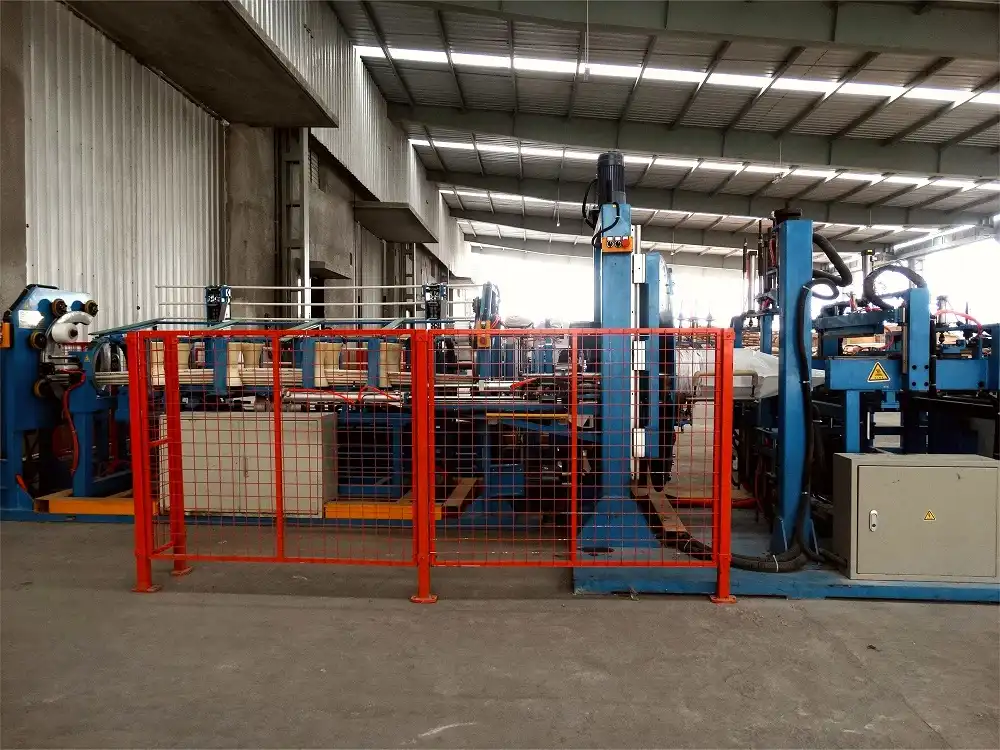
To optimize pipe bundling machine performance, focus on preventative maintenance, proper material selection, and regular calibration. Streamline the machine’s workflow by automating processes, upgrading components, and training personnel. This leads to fewer breakdowns and maximum output.
Ready to dive deeper? Let’s explore concrete steps to unlock your pipe bundling machine’s full potential! Read on to discover techniques that will boost productivity, reduce downtime, and ensure the smooth operation of your distribution center.
1. Implementing a Robust Preventative Maintenance Program
Preventative maintenance is crucial for pipe bundling machines. It ensures longevity and consistent performance. This reduces unexpected downtime and minimizes costly repairs, keeping your distribution center running smoothly.
A robust preventative maintenance program involves regular inspections, lubrication, and timely replacements of wear parts. This maximizes uptime, minimizes unexpected breakdowns, and ensures consistent throughput. Proper maintenance is key to achieving optimal pipe packaging efficiency.

Maximizing Uptime: A Deep Dive into Preventative Maintenance Strategies
A comprehensive preventative maintenance plan is more than just a checklist. It’s a strategic approach to equipment management. It directly impacts operational efficiency. Let’s break down key elements:
1. Scheduled Inspections
Regular visual inspections are paramount. Look for signs of wear, loose connections, or damage. Key areas include:
- Strapping Heads: Check for worn guides, rollers, and cutting blades.
- Conveyor Systems: Inspect belts, rollers, and motors for proper function.
- Pneumatic/Hydraulic Systems: Examine hoses, fittings, and cylinders for leaks.
2. Lubrication Programs
Proper lubrication reduces friction and wear on moving parts. Develop a lubrication schedule based on manufacturer recommendations. Consider the following:
- Grease Fittings: Regularly grease bearings, joints, and other lubrication points.
- Oil Levels: Monitor and maintain proper oil levels in gearboxes and hydraulic reservoirs.
- Lubricant Type: Use the correct type of lubricant for each component.
3. Component Replacement
Replace worn parts before they fail. Track the lifespan of critical components and schedule replacements accordingly. Common replacement items include:
- Cutting Blades: Replace blades when they become dull or chipped.
- Drive Belts: Replace belts that show signs of wear or cracking.
- Sensors: Replace sensors that become unreliable or inaccurate.
4. Data Analysis and Reporting
Track maintenance activities. Monitor equipment performance. This helps identify trends and predict potential failures.
Sample Maintenance Schedule
| Task | Frequency | Notes |
|---|---|---|
| Visual Inspection | Daily | Check for loose connections, leaks, and damage. |
| Lubrication | Weekly | Grease fittings and check oil levels. |
| Blade Replacement | Monthly | Replace cutting blades. |
| Belt Inspection | Quarterly | Inspect drive belts for wear and cracking. |
| Sensor Calibration | Annually | Calibrate sensors to ensure accurate readings. |
| Full System Overhaul | Biennially | Complete a thorough inspection and replacement of all critical components. |
5. Training and Documentation
Properly train maintenance personnel. Ensure they have the skills to perform maintenance tasks. Maintain detailed records of all maintenance activities. This includes:
- Training Programs: Provide comprehensive training on maintenance procedures.
- Maintenance Logs: Keep detailed records of all inspections, repairs, and replacements.
- Equipment Manuals: Ensure easy access to equipment manuals and schematics.
By implementing a comprehensive preventative maintenance program, distribution centers can significantly improve the reliability and performance of their pipe bundling machines.
2. Optimizing Material Selection for Peak Performance
The type of strapping material can significantly affect performance. Choosing the right material ensures secure bundles and prevents machine jams, improving overall efficiency.
Select strapping materials based on pipe weight, size, and transportation conditions. Consider steel, PET, or polypropylene. Ensure compatibility with the machine. Proper material selection prevents breakages, reduces downtime, and enhances pipe bundling machine performance.
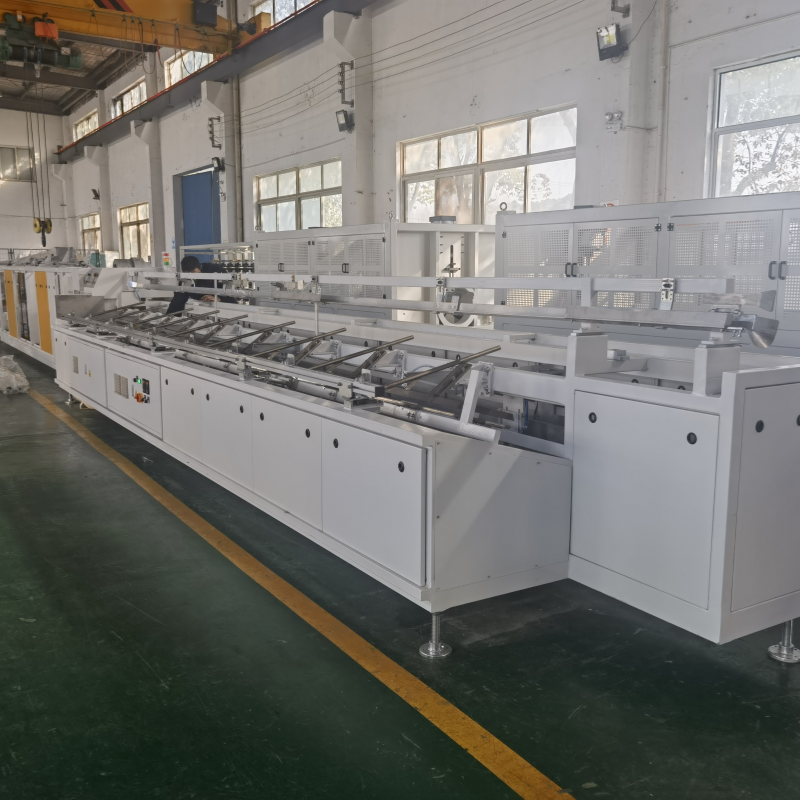
Material Matters: Selecting the Right Strapping for Your Needs
Strapping material isn’t one-size-fits-all. Different materials offer different strengths, flexibility, and cost profiles. Making the right choice ensures secure bundling and optimal machine performance. Consider the following factors:
1. Material Types
- Steel: Provides the highest tensile strength for heavy-duty applications. Ideal for large, heavy pipe bundles.
- PET (Polyester): Offers high strength and elongation. A good alternative to steel for medium to heavy loads.
- Polypropylene: A cost-effective option for light to medium loads. Suitable for smaller, lighter pipe bundles.
2. Load Characteristics
- Weight: Select a material with sufficient tensile strength to handle the weight of the bundle.
- Size: Consider the dimensions of the bundle. Wider straps may be necessary for larger bundles.
- Shape: Irregularly shaped bundles may require more flexible strapping.
3. Environmental Conditions
- Temperature: Consider temperature variations during storage and transportation. Some materials become brittle in cold temperatures.
- Humidity: High humidity can affect the strength and durability of some materials.
- UV Exposure: Prolonged exposure to sunlight can degrade some materials.
4. Machine Compatibility
- Strapping Head: Ensure the material is compatible with the strapping head. Different heads are designed for specific materials.
- Tensioning System: The tensioning system must be able to apply the correct tension to the material.
- Sealing Mechanism: The sealing mechanism must be able to create a secure seal with the material.
5. Cost Considerations
- Material Cost: Compare the cost of different materials.
- Waste Disposal: Consider the cost of disposing of waste strapping material.
- Overall Efficiency: Factor in the cost of downtime due to material failures.
Material Comparison Table
| Material | Tensile Strength | Elongation | Cost | Application |
|---|---|---|---|---|
| Steel | High | Low | High | Heavy, large pipe bundles |
| PET | Medium-High | Medium | Medium | Medium to heavy loads |
| Polypropylene | Low-Medium | High | Low | Light to medium loads |
By carefully considering these factors, distribution centers can select the optimal strapping material for their specific needs. This leads to more secure bundles, reduced downtime, and improved overall efficiency.
3. Calibrating for Accuracy: Ensuring Precise Bundling
Regular calibration of the pipe bundling machine is essential. This ensures accurate tensioning, sealing, and cutting. Accurate calibration reduces material waste and prevents improperly secured bundles.
Calibrate tensioning systems, sealing mechanisms, and cutting blades regularly. Use calibrated instruments. Ensure alignment. This minimizes errors, reduces material waste, and guarantees consistently secured bundles in high-speed distribution centers.
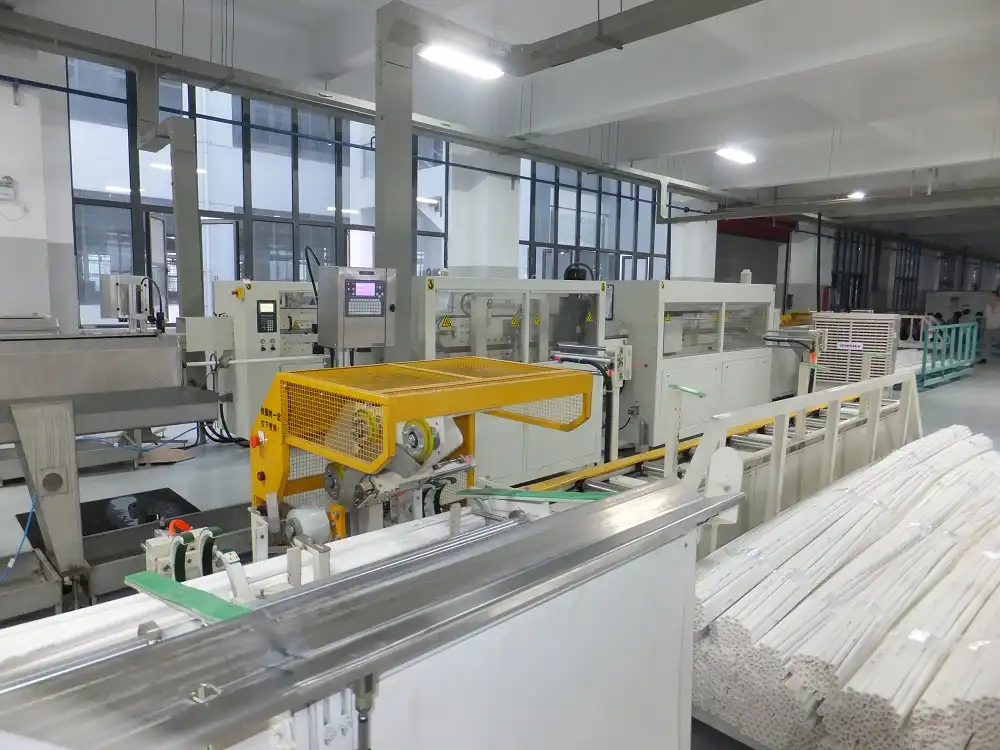
The Science of Calibration: Achieving Optimal Precision
Calibration goes beyond simple adjustments. It involves verifying and correcting the machine’s settings against established standards. This meticulous approach ensures reliable and consistent performance. Let’s delve into the key aspects:
1. Tensioning System Calibration
- Force Measurement: Use a calibrated force gauge to measure the tension applied by the strapping head.
- Adjustment: Adjust the tensioning system to achieve the specified tension for the selected strapping material.
- Verification: Verify the tension using the force gauge after adjustment.
2. Sealing Mechanism Calibration
- Temperature Control: Ensure the sealing mechanism maintains the correct temperature for the strapping material.
- Pressure Adjustment: Adjust the pressure applied by the sealing mechanism to create a secure seal.
- Seal Strength Testing: Periodically test the strength of the seals to ensure they meet the required standards.
3. Cutting Blade Calibration
- Blade Alignment: Ensure the cutting blade is properly aligned with the strapping material.
- Blade Sharpness: Replace dull or damaged blades to ensure clean cuts.
- Cutting Force Adjustment: Adjust the cutting force to ensure complete and clean cuts.
4. Frequency of Calibration
The frequency of calibration depends on several factors, including:
- Machine Usage: Machines used more frequently require more frequent calibration.
- Environmental Conditions: Extreme temperatures or humidity can affect calibration.
- Material Type: Different strapping materials may require different calibration settings.
Sample Calibration Schedule
| Component | Calibration Procedure | Frequency |
|---|---|---|
| Tensioning System | Measure and adjust tension using a calibrated force gauge | Monthly |
| Sealing Mechanism | Verify temperature and pressure settings | Monthly |
| Cutting Blade | Inspect blade sharpness and alignment | Weekly |
5. Documentation and Record Keeping
- Calibration Records: Maintain detailed records of all calibration activities.
- Calibration Certificates: Keep copies of calibration certificates for all calibrated instruments.
- Deviation Analysis: Analyze calibration data to identify trends and potential problems.
By implementing a rigorous calibration program, distribution centers can minimize errors, reduce material waste, and ensure that their pipe bundles are consistently secured. This leads to improved efficiency, reduced costs, and increased customer satisfaction.
4. Upgrading and Automating for Enhanced Throughput
Upgrading components and automating processes significantly boosts throughput. This ensures the machine operates at peak efficiency. Modernization can transform your distribution center.
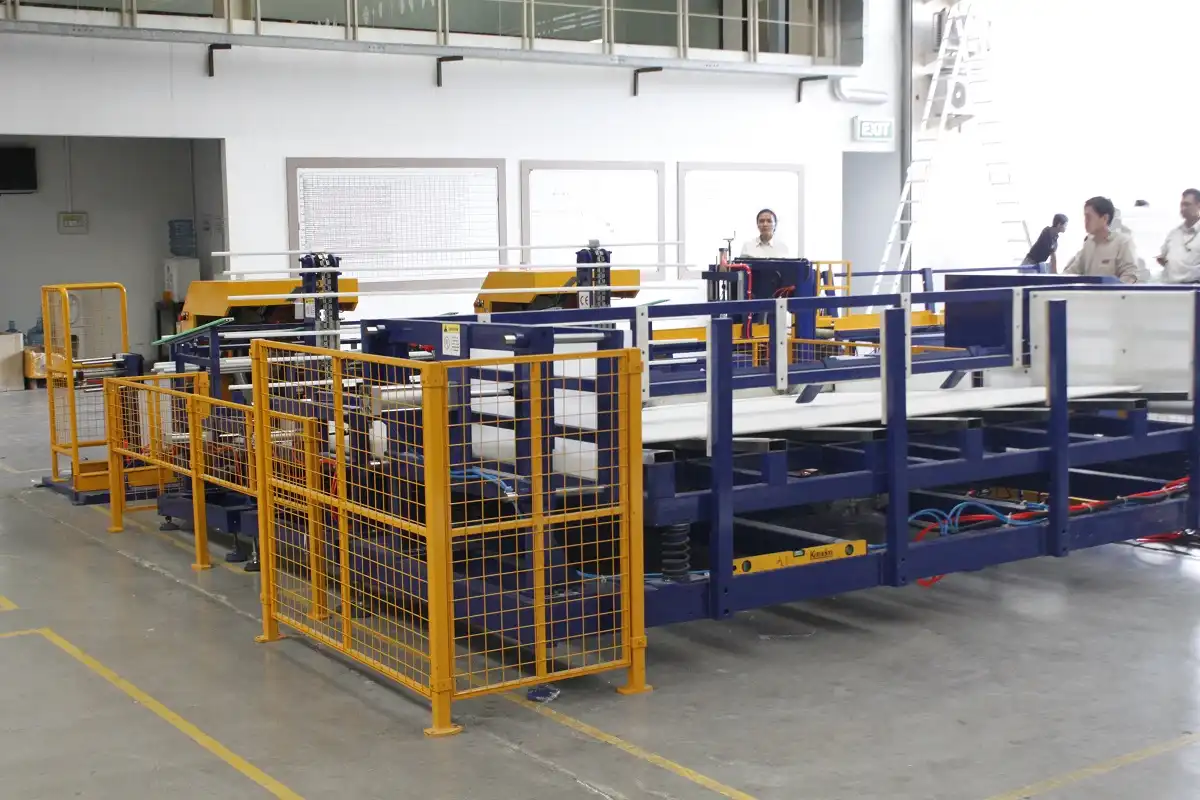
Modernization of equipment is essential to the viability of high speed production. The machine runs for longer with improved components and software. This extends the life of the bundling machine.
Conclusion
Optimizing pipe bundling machine performance is crucial for high-speed distribution centers. Implementing preventative maintenance, selecting the right materials, calibrating regularly, and automating processes all contribute to increased efficiency and reduced downtime. By focusing on these key areas, distribution centers can ensure their pipe bundling machines operate at peak performance, supporting a smooth and productive workflow.








