

How to Optimize Pipe Bundling Machine Performance for High-Speed Distribution Centers?
Optimizing pipe bundling machine performance is crucial for maintaining efficiency in high-speed distribution centers. Enhanced performance translates to faster throughput and reduced operational costs.

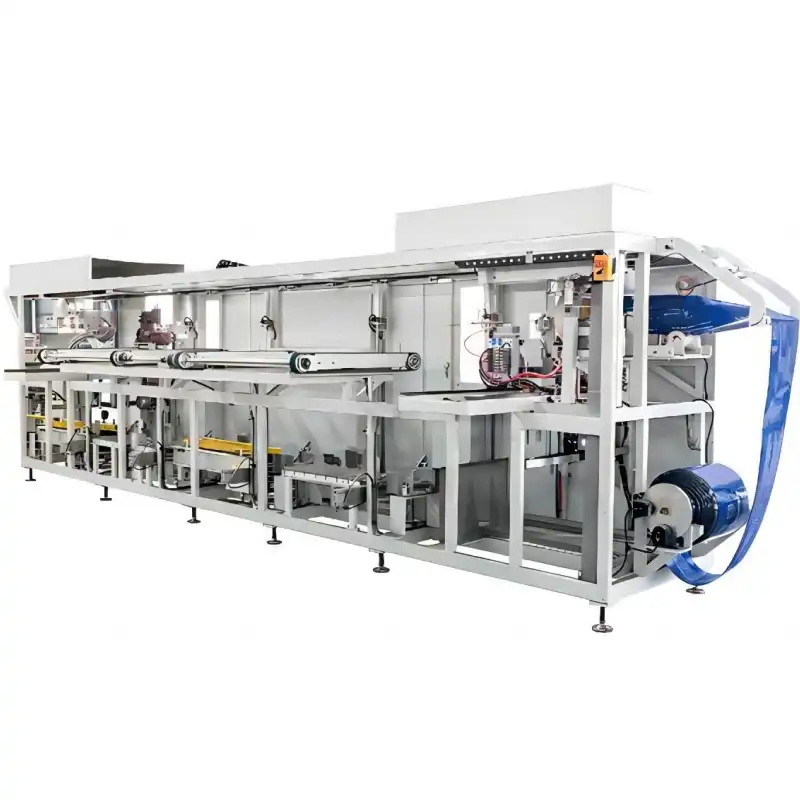
To optimize pipe bundling machine performance in high-speed distribution centers, focus on preventative maintenance, proper training, and efficient material handling. Regular inspections, timely repairs, and skilled operators are key. Integrating automated systems and optimizing workflow further boosts productivity, minimizing downtime and maximizing output.
Let’s delve deeper into these critical areas to unlock the full potential of your pipe bundling operations and achieve peak performance.
1: Implementing a Robust Preventative Maintenance Program
A well-structured preventative maintenance program is the cornerstone of optimal pipe bundling machine performance. Regular maintenance ensures that your machinery operates efficiently and reliably.

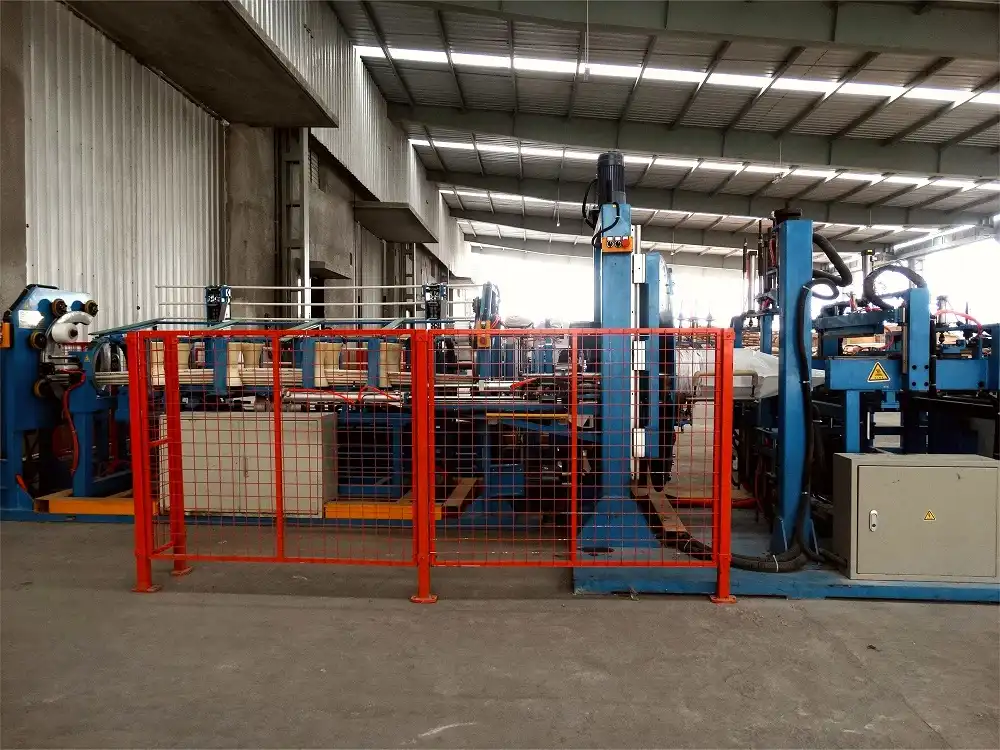
A robust preventative maintenance program involves scheduled inspections, lubrication, parts replacement, and system diagnostics. Consistent adherence minimizes unexpected breakdowns, extends machine lifespan, and maintains consistent high-speed distribution. It’s about proactively addressing potential issues before they escalate into costly repairs or downtime. By keeping your machine in top condition, you ensure optimal performance and reduce the risk of disruptions to your workflow.
Optimizing Maintenance Schedules for Maximum Uptime
Creating an effective maintenance schedule requires a deep understanding of your machine’s operational demands and its specific components. Consider these factors:
- Machine Usage: High-volume operations require more frequent maintenance checks.
- Environmental Conditions: Dusty or corrosive environments can accelerate wear and tear.
- Manufacturer Recommendations: Adhere to the manufacturer’s guidelines for maintenance intervals and procedures.
To illustrate the impact of maintenance frequency, consider the following table:
| Maintenance Frequency | Potential Downtime | Component Lifespan | Overall Efficiency |
|---|---|---|---|
| Daily | Minimal | Extended | Very High |
| Weekly | Low | High | High |
| Monthly | Moderate | Moderate | Moderate |
| Quarterly | High | Reduced | Low |
Regular lubrication, filter replacements, and belt tension adjustments are critical. Furthermore, consider investing in predictive maintenance technologies, such as vibration analysis and thermal imaging, to identify potential problems early. By monitoring key performance indicators (KPIs), you can proactively address issues before they lead to catastrophic failures.
For example, implementing a daily lubrication routine can significantly reduce friction and wear on moving parts, extending their lifespan and preventing costly breakdowns. Similarly, regularly inspecting and replacing worn belts can prevent slippage and maintain consistent bundling speeds.
By tailoring your maintenance schedule to your specific operational needs and leveraging predictive maintenance technologies, you can maximize uptime, minimize repair costs, and ensure consistent pipe packaging efficiency.
2: Training and Skill Development for Operators
Highly skilled operators are essential for maximizing the efficiency and lifespan of your pipe bundling machines. Proper training ensures operators understand the machine’s functions, troubleshooting procedures, and safety protocols.

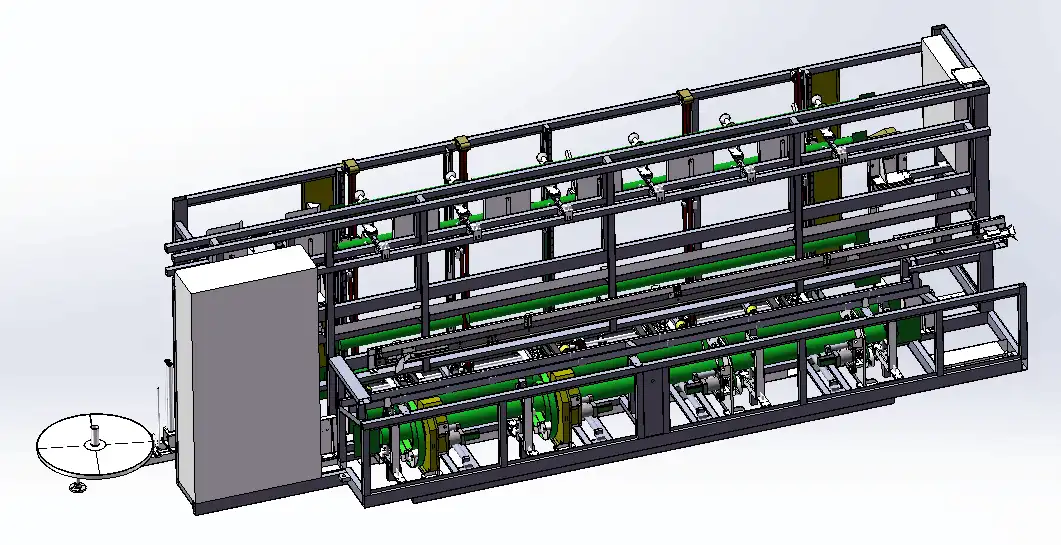
Comprehensive training programs empower operators to identify potential issues early, perform basic maintenance tasks, and optimize machine settings for different pipe sizes and materials. Skilled operators also contribute to a safer working environment, reducing the risk of accidents and injuries.
Implementing Effective Training Programs
Developing a comprehensive training program involves several key steps:
- Initial Training: Provide new operators with thorough instruction on machine operation, safety procedures, and basic troubleshooting.
- Ongoing Training: Offer refresher courses and advanced training to keep operators up-to-date on new technologies and best practices.
- Certification Programs: Implement a certification program to ensure operators meet a minimum level of competency.
To further enhance operator skills, consider incorporating the following elements:
- Hands-on Training: Provide ample opportunity for operators to practice on the machine under the supervision of experienced trainers.
- Simulated Scenarios: Use simulations to train operators on how to respond to various machine malfunctions and emergencies.
- Documentation and Resources: Provide operators with detailed manuals, troubleshooting guides, and online resources.
Investing in operator training yields significant returns. Skilled operators are better equipped to optimize machine settings, troubleshoot problems quickly, and perform preventative maintenance tasks, leading to increased efficiency, reduced downtime, and a safer working environment.
3: Optimizing Material Handling and Workflow
Efficient material handling and workflow are crucial for maximizing throughput in high-speed distribution centers. Streamlining the flow of pipes to and from the bundling machine reduces bottlenecks and minimizes downtime.
Optimizing material handling involves minimizing travel distances, using appropriate equipment, and implementing efficient inventory management practices. A well-organized workflow ensures a continuous supply of pipes to the bundling machine and facilitates the smooth removal of bundled products.
Streamlining the Pipe Bundling Process
Optimizing the material handling and workflow for pipe bundling machine performance requires a comprehensive approach that considers every stage of the process. This includes:
- Input Material Handling: Efficiently moving pipes from storage to the bundling machine.
- Bundling Process: Optimizing machine settings and operator procedures for maximum speed and accuracy.
- Output Material Handling: Quickly and safely removing bundled pipes from the machine.
The following table illustrates the impact of different material handling strategies:
| Material Handling Strategy | Throughput | Labor Costs | Floor Space Utilization |
|---|---|---|---|
| Manual Handling | Low | High | Low |
| Forklift Transport | Moderate | Moderate | Moderate |
| Conveyor Systems | High | Low | High |
Optimizing Layout and Workflow
A well-designed layout minimizes travel distances and maximizes the utilization of floor space. Consider these strategies:
- Dedicated Lanes: Designate specific lanes for incoming and outgoing materials.
- Strategic Placement: Position the bundling machine near storage areas and loading docks.
- Ergonomic Design: Ensure the workspace is ergonomically designed to reduce operator fatigue and improve efficiency.
By implementing these strategies, you can streamline the flow of materials, reduce bottlenecks, and maximize throughput in your pipe bundling operation.
4: Leveraging Automation and Technology


Automation boosts efficiency, reduces errors, and ensures consistent performance. Implementing smart technologies unlocks new levels of productivity. Modern automated solutions count pipes, align them, and bundle them securely. These automated technologies reduce downtime.
Investing in pipe bundling machine optimization and modernizing existing equipment or implementing new automation systems provides a competitive advantage.
Conclusion
Optimizing pipe bundling machine performance in high-speed distribution centers is a multifaceted endeavor. By prioritizing preventative maintenance, investing in operator training, streamlining material handling, and leveraging automation, businesses can achieve significant improvements in efficiency, productivity, and profitability. These strategic improvements create a safer, more productive workplace, ensuring continuous operations that meet dynamic market demands. Improved packaging protects pipes from damage, preserving their integrity and guaranteeing customer satisfaction.












