

How to Optimize Pipe Bundling Machine Performance for Heavy-Duty Construction Materials?
Securing heavy-duty construction materials like pipes requires robust and efficient bundling solutions. Optimizing the pipe bundling machine is critical for streamlined operations, reduced labor costs, and enhanced production output.

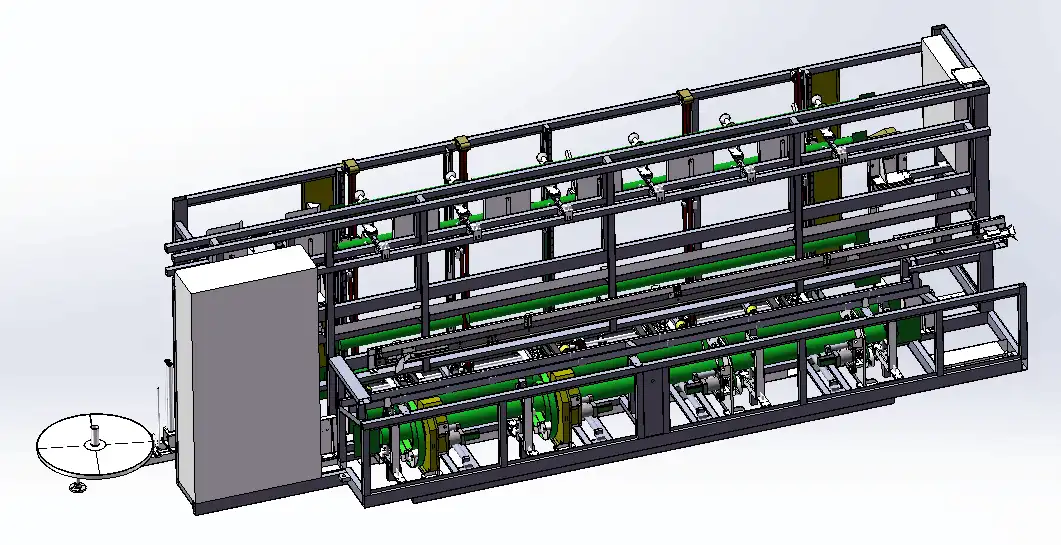
To optimize pipe bundling machine performance, focus on regular maintenance, proper material handling, and optimized machine settings. Calibrating strapping tension, ensuring proper alignment, and employing automation features are crucial for maximizing efficiency and minimizing downtime.
Ready to boost your construction material handling? Let’s explore proven optimization techniques that elevate your pipe bundling process to new heights of efficiency and reliability. Keep reading for a deep dive into these game-changing methods.
1. Selecting the Right Pipe Layer Transfer Mechanism
Choosing the appropriate pipe layer transfer mechanism is crucial for optimal pipe bundling machine performance. This decision significantly affects the speed, precision, and overall efficiency of the bundling process, particularly when dealing with heavy-duty construction materials.
Selecting the right pipe layer transfer mechanism depends on the weight, size, and material of the pipes being bundled. Options include transfer blades, magnets with servo drives, and up-chain conveyors. Evaluate factors like throughput needs, budget constraints, and the complexity of the bundling patterns to determine the best fit.

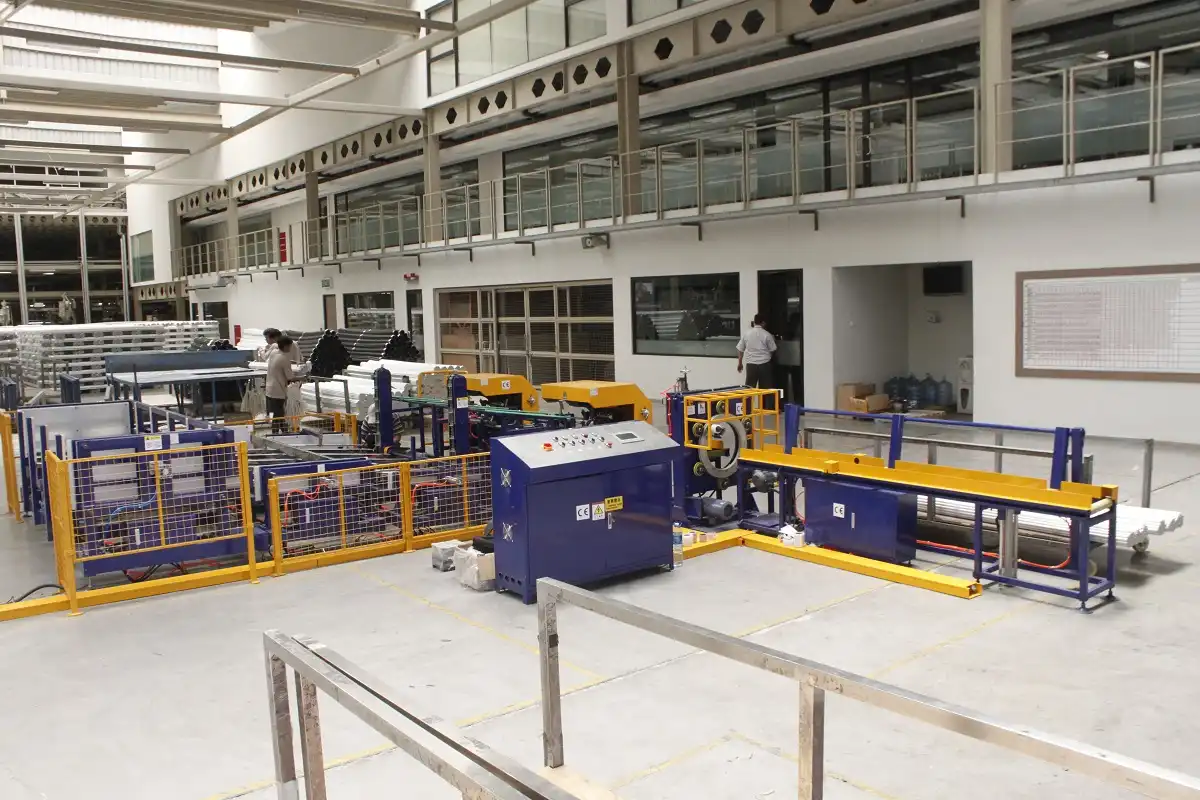
Enhancing Layer Transfer Efficiency: A Detailed Breakdown
To enhance layer transfer efficiency, one must analyze the specific challenges posed by heavy-duty construction materials. These materials often have considerable weight and varying dimensions, necessitating a system that can handle these factors without compromising speed or precision. Let’s examine different approaches and their effects on the overall performance.
Transfer Blade Mechanisms
Transfer blade mechanisms use pneumatic or hydraulic power to shift pipe layers onto the packing stand. While these are effective for many applications, they can sometimes struggle with very heavy or awkwardly shaped pipes. Optimization involves:
-
Upgrading Blade Material: Using high-strength steel or composite materials can improve the blade’s durability and load-bearing capacity.
-
Precision Actuation: Ensuring precise and synchronized movement through advanced control systems minimizes the risk of misalignment.
-
Dampening Systems: Integrating dampening systems reduces vibrations, thus ensuring smoother transfers and lower stress on the machine components.
Magnetic Layer Transfer Systems
Magnetic layer transfer, controlled by servo drives, offers a more sophisticated approach. This system is particularly effective for handling metallic pipes. However, factors such as pipe thickness, surface condition, and magnet strength influence performance. Key optimization areas include:
-
Optimized Magnet Strength: Adjusting magnet strength to the specific material and size ensures secure grip without causing damage.
-
Servo Drive Calibration: Calibrating the servo drive control system provides precise positioning and smooth acceleration/deceleration, maximizing speed and minimizing slippage.
-
Surface Preparation: Ensuring pipes are free of debris or coatings that reduce magnetic adhesion is vital.
Up-Chain Conveyor Systems
Up-chain conveyor systems offer a gentle, consistent method for transferring pipes. These systems are particularly useful when dealing with delicate or coated materials. Efficiency can be improved through:
-
Variable Speed Control: Implementing variable speed drives allows precise control over the transfer rate, synchronizing it with other bundling processes.
-
Chain Maintenance: Regular maintenance and lubrication ensure smooth operation and prevent jerky movements.
-
Alignment Precision: Precise alignment of the conveyor system with the packing stand is essential for accurate placement.
Comparative Analysis
To illustrate the benefits and drawbacks of each system, consider the following comparative table:
Feature Transfer Blade Magnetic Transfer Up-Chain Conveyor Material Suitability Versatile, but less effective with very heavy pipes Best for metallic pipes Suitable for delicate or coated materials Speed Moderate High Moderate Precision Good, but can vary based on hydraulic/pneumatic precision Excellent, with calibrated servo control Good, if alignment is precise Maintenance Moderate Moderate, requires magnet and drive maintenance Low, primarily chain lubrication and alignment Cost Moderate High Moderate Key Considerations for Heavy-Duty Materials
-
Load Capacity: Ensure the selected mechanism can handle the maximum weight of pipe layers.
-
Material Compatibility: Verify that the transfer method doesn’t damage or contaminate pipe surfaces.
-
Control System Integration: The transfer mechanism should integrate seamlessly with the overall control system for synchronized operation.
-
Maintenance and Downtime: Select a mechanism with low maintenance requirements and readily available spare parts to minimize downtime.
By carefully considering these factors and tailoring your choice to the specific needs of your operation, you can significantly enhance the efficiency and reliability of your pipe bundling machine.
2. Optimizing Bundle Discharge Methods
The method used to discharge bundles from the pipe bundling machine significantly impacts the overall speed and efficiency of the production line. Selecting the right discharge method, tailored to the factory layout and material flow, is crucial for optimizing pipe packaging efficiency.
Optimizing bundle discharge involves selecting between side discharge with bundle trolleys and end discharge onto roller conveyors. Side discharge is suitable for limited factory space, while end discharge is ideal for streamlined material flow. Consider space constraints, bundle weight, and throughput needs for the best option.

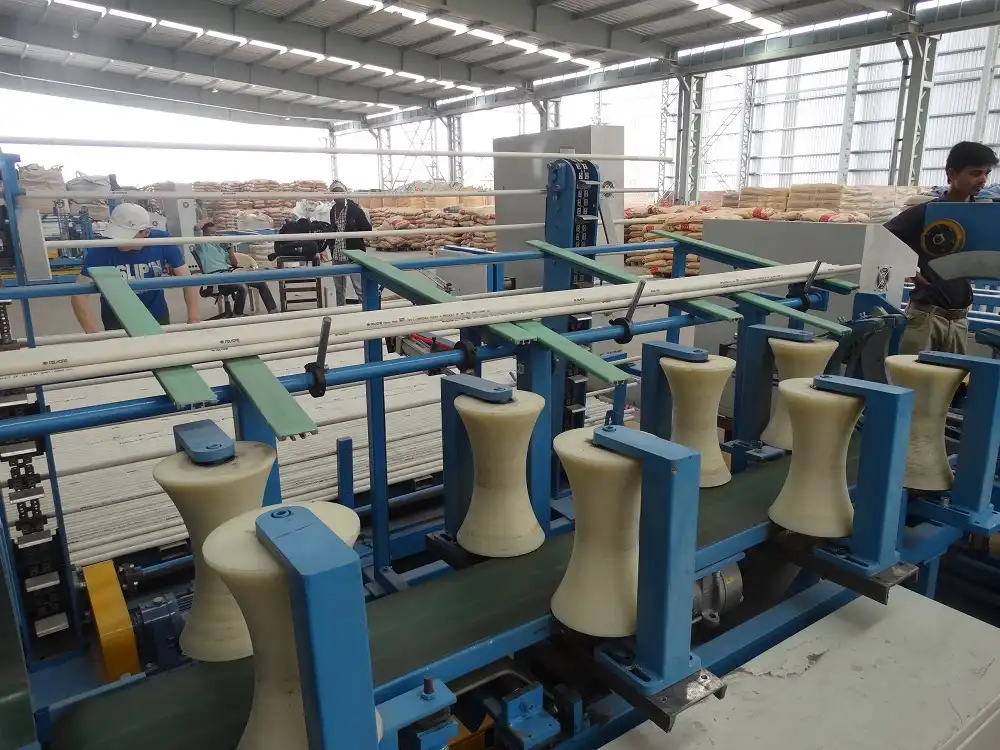
Navigating Bundle Discharge Challenges: A Comprehensive Analysis
Choosing an effective bundle discharge method is critical for keeping the production line moving. Factors like factory layout, bundle size, and the integration with subsequent processes all play a significant role. Let’s dissect the typical issues encountered during bundle discharge and strategies for mitigating them.
Side Discharge with Bundle Trolleys:
Side discharge employing bundle trolleys offers distinct advantages, particularly when factory space is limited. However, this system also presents unique challenges that require careful planning and execution.
-
Advantages:
- Space Efficiency: Ideal for factories where lengthwise space is restricted.
- Continuous Operation: Allows the packing stand to immediately begin a new bundle while the trolley removes the previous one.
-
Challenges:
- Trolley Management: Requires efficient management of trolley movement to avoid bottlenecks.
- Lifting Capacity: Trolleys must be robust enough to handle the weight of the heaviest bundles.
- Synchronization: Accurate synchronization between the packing stand and trolley is crucial.
-
Solutions:
- Automated Trolley Systems: Implementing automated guided vehicles (AGVs) or automated storage and retrieval systems (AS/RS) optimizes trolley movement.
- High-Capacity Trolleys: Using trolleys designed for heavy loads ensures stability and safety.
- PLC Integration: Integrating trolley controls with the machine’s programmable logic controller (PLC) ensures seamless coordination.
End Discharge with Roller Conveyors:
End discharge onto roller conveyors is another viable option, particularly when the factory layout permits a linear flow of materials. This method facilitates integration with downstream processes, but also has its set of considerations.
-
Advantages:
- Streamlined Flow: Facilitates a linear material flow, making it easier to integrate with downstream processes like strapping and storage.
- Simple Mechanics: Roller conveyors are mechanically simple and require less intensive maintenance compared to trolley systems.
-
Challenges:
- Space Requirements: Requires sufficient lengthwise space for conveyor installation.
- Gravity Dependence: Inclined conveyors may be necessary, increasing complexity and energy consumption.
- Bundle Stability: Ensuring the bundle remains stable as it transitions onto the conveyor is crucial.
-
Solutions:
- Optimized Conveyor Length: Determining the optimal conveyor length minimizes space usage while providing sufficient buffering.
- Powered Rollers: Using powered rollers ensures consistent and controlled movement.
- Bundle Support Systems: Implementing bundle support systems, such as cradles or guides, prevents shifting.
Comparative Analysis of Discharge Methods:
A side-by-side comparison can help decision-makers choose the most suitable discharge method:
Feature Side Discharge (Trolleys) End Discharge (Roller Conveyors) Space Requirements Ideal for limited lengthwise space Requires significant lengthwise space Material Flow More complex; may require multiple trolleys Streamlined and linear Integration with Downstream Processes Requires additional transfer mechanisms Easier to integrate directly with strapping and storage Bundle Weight Capacity Limited by trolley capacity Limited by conveyor and roller strength Maintenance Requirements Moderate; includes trolley maintenance, wheel lubrication, and PLC system checks Low; primarily involves roller lubrication and alignment checks Key Considerations:
-
Throughput Requirements: Assess the required discharge rate and select a method that matches it.
-
Bundle Dimensions: Consider the maximum bundle size and ensure the selected method can accommodate it.
-
Automation Level: Decide on the degree of automation desired. Automated trolley systems or powered conveyors can significantly enhance throughput.
-
Safety: Implement appropriate safety measures, such as emergency stop buttons and safety guards, to prevent accidents.
By considering these facets and selecting the appropriate bundle discharge method, manufacturers can optimize workflow, reduce manual labor, and enhance the safety of their operations.
3. Implementing Automatic Strapping Systems
Automatic strapping systems are indispensable for optimizing heavy-duty construction material bundling. These systems ensure consistent strap tension, reduce material waste, and significantly enhance the speed and reliability of the bundling process.
Automatic strapping systems improve bundle integrity and reduce labor costs. By ensuring consistent tension and secure fastening, these systems minimize the risk of bundle failure during handling and transportation. This results in improved safety and reduced material waste, increasing overall profitability.
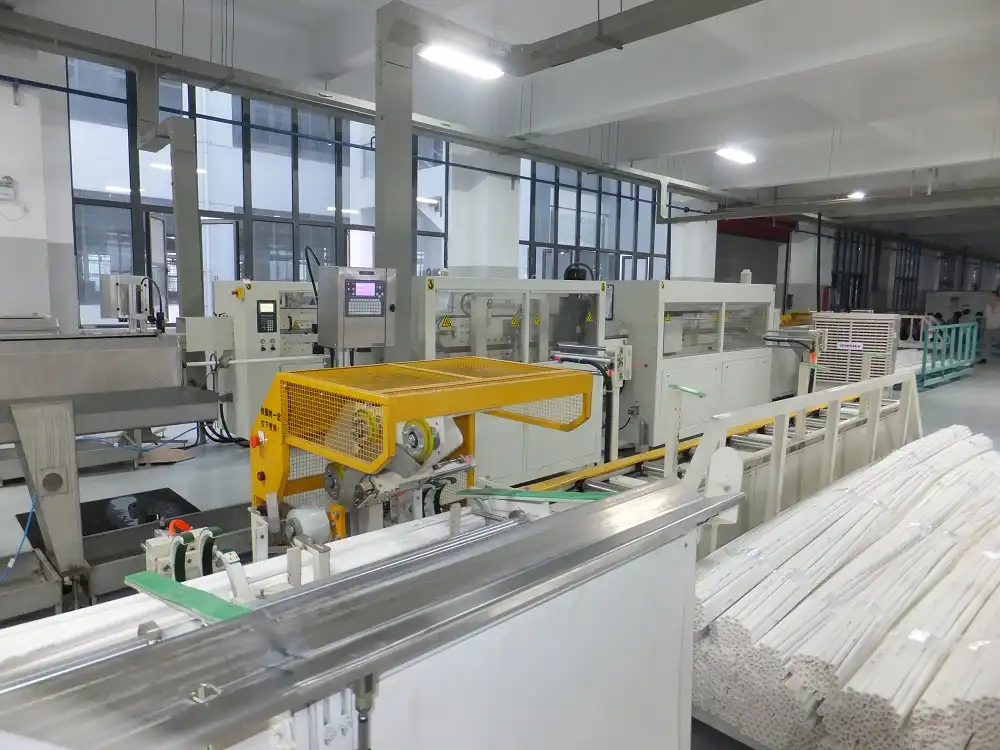
Pipe bundling machine performance, heavy-duty construction, pipe packaging efficiency Advanced Strapping Techniques: A Comprehensive Guide
To fully exploit the potential of automatic strapping systems, one must delve into the nuances of strap types, tension control, and sealing techniques. These elements significantly impact the stability and durability of bundled heavy-duty construction materials.
Strap Material Selection
The choice of strap material is paramount. Common options include steel, polypropylene (PP), and polyethylene terephthalate (PET). Each offers different tensile strengths and elongation characteristics. For heavy-duty construction materials, steel or high-tensile PET straps are typically preferred.
Strap Type Tensile Strength Elongation Advantages Disadvantages Steel High Low Maximum holding power, ideal for heavy, rigid materials Can corrode, sharp edges PET High Moderate High strength, recyclable, weather-resistant More expensive than PP PP Low High Economical, lightweight Not suitable for very heavy loads Tension Control Mechanisms
Consistent strap tension is essential. Too little tension results in a loose bundle; too much can damage the materials. Automatic strapping machines use pneumatic or servo-controlled tensioning systems to apply the correct tension consistently.
-
Pneumatic Tensioning: Uses compressed air to apply force. Reliable and cost-effective, but less precise than servo control.
-
Servo-Controlled Tensioning: Uses electric motors for precise control over strap tension. Ideal for delicate materials.
-
Feedback Systems: Advanced machines incorporate load cells and feedback loops to automatically adjust tension based on bundle characteristics.
Sealing Techniques
Securely sealing the strap ends is crucial for maintaining bundle integrity. Common sealing methods include heat sealing, friction welding, and mechanical crimping.
-
Heat Sealing: Melts the strap ends together. Suitable for PP and PET straps, but not steel.
-
Friction Welding: Rubs the strap ends together at high speed until they melt and fuse. Provides a strong, reliable seal.
-
Mechanical Crimping: Uses metal clips to fasten the strap ends. Ideal for steel straps.
Automation Features
To maximize efficiency, consider incorporating these automation features:
-
Automatic Strap Feeding: Eliminates manual strap loading.
-
Programmable Strapping Patterns: Allows pre-setting strapping patterns for different bundle types.
-
Error Detection: Detects and alerts operators to strap breaks or misalignments.
By understanding these advanced strapping techniques, manufacturers can significantly enhance the efficiency, reliability, and safety of their heavy-duty construction material bundling operations.
4. Maintenance and Troubleshooting
Regular maintenance and prompt troubleshooting are crucial for maintaining optimal pipe bundling machine performance. Neglecting these aspects can lead to reduced efficiency, increased downtime, and costly repairs.
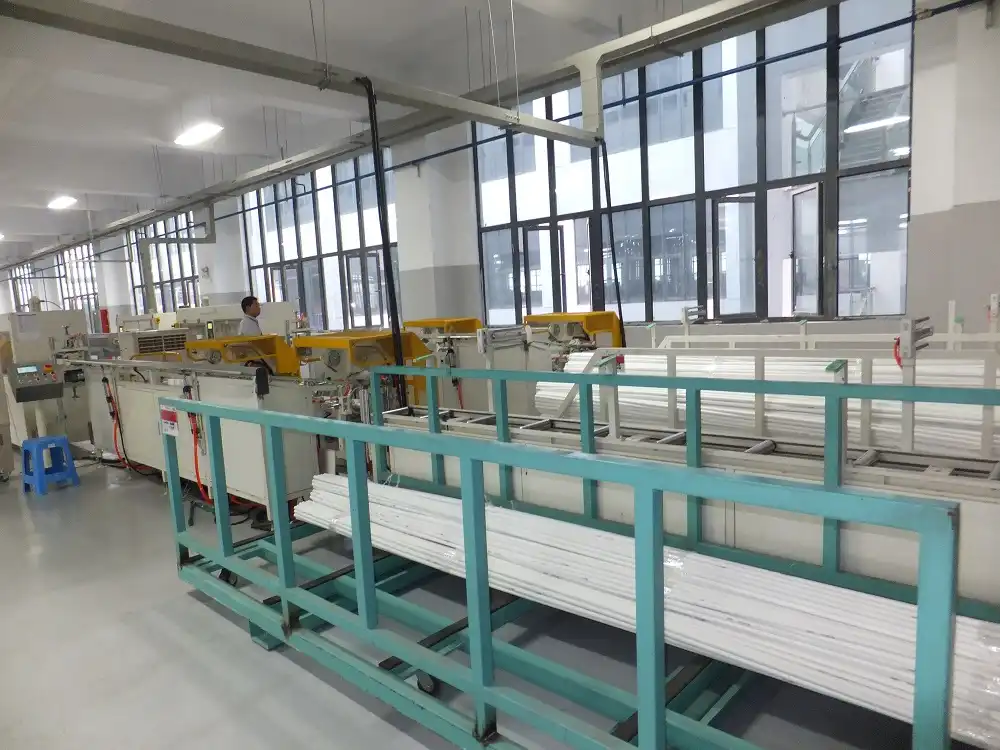
Pipe bundling machine performance, heavy-duty construction, pipe packaging efficiency Consistent maintenance prevents equipment failure, while quick troubleshooting minimizes downtime. Regular checks, lubrication, and timely repairs are essential for sustained optimal performance. Implementing a structured maintenance program extends the machine’s lifespan and reduces unexpected breakdowns.
Proactive Maintenance Strategies for Sustained Performance
Regular maintenance is key to optimizing the performance and longevity of your pipe bundling machine. Implementing a proactive maintenance strategy can minimize downtime, reduce repair costs, and ensure consistent output quality. Here’s a detailed guide to help you establish a comprehensive maintenance plan.
1. Establish a Routine Maintenance Schedule:
A well-structured maintenance schedule should include daily, weekly, monthly, and annual tasks. This schedule should be based on the manufacturer’s recommendations and your specific operational requirements.
2. Daily Checks:
-
Visual Inspection: Check for any signs of wear, damage, or misalignment.
-
Cleaning: Remove debris, dust, and loose materials from the machine.
-
Lubrication: Apply lubricant to moving parts as specified in the manual.
3. Weekly Tasks:
-
Belt Inspection: Check belts for tension and wear. Adjust or replace as needed.
-
Chain Inspection: Inspect chains for proper tension and lubrication.
-
Sensor Calibration: Verify the accuracy of sensors and adjust as necessary.
4. Monthly Tasks:
-
Hydraulic System Inspection: Check for leaks, pressure fluctuations, and fluid levels.
-
Pneumatic System Inspection: Inspect air lines for leaks and ensure proper pressure.
-
Electrical System Inspection: Check wiring, connections, and control panels.
5. Annual Overhaul:
-
Comprehensive Inspection: Conduct a thorough inspection of all components.
-
Parts Replacement: Replace worn or damaged parts.
-
System Calibration: Recalibrate the entire system to ensure optimal performance.
6. Troubleshooting Common Issues:
-
Strap Misalignment: Adjust the strap guides and tensioning mechanism.
-
Bundle Instability: Check the alignment of the packing stand and discharge system.
-
Machine Stoppage: Review error codes and consult the troubleshooting guide.
7. Record Keeping:
Maintain detailed maintenance records to track tasks performed, parts replaced, and issues resolved. This information is valuable for identifying trends and planning future maintenance activities.
8. Training:
Ensure that operators and maintenance personnel are properly trained on the machine’s operation, maintenance procedures, and troubleshooting techniques.
By implementing a proactive maintenance strategy, you can ensure that your pipe bundling machine operates at peak performance, reducing downtime, minimizing repair costs, and maximizing productivity.
Conclusion
Optimizing pipe bundling machine performance for heavy-duty construction materials demands a multifaceted approach. From selecting the right layer transfer mechanism and discharge method to implementing automatic strapping systems and rigorous maintenance routines, each aspect contributes to enhanced efficiency and reliability. By prioritizing these strategies, businesses can significantly improve their throughput, reduce labor costs, and ensure the safe and secure handling of valuable construction materials.












