

How to Optimize Pipe Bundling Machine Performance for Heavy-Duty Construction Materials?
Pipe bundling machines are vital for the construction industry, ensuring efficient handling and transportation of heavy-duty materials. Optimizing their performance translates to increased productivity and reduced operational costs. Let’s explore how to maximize the capabilities of these essential machines.

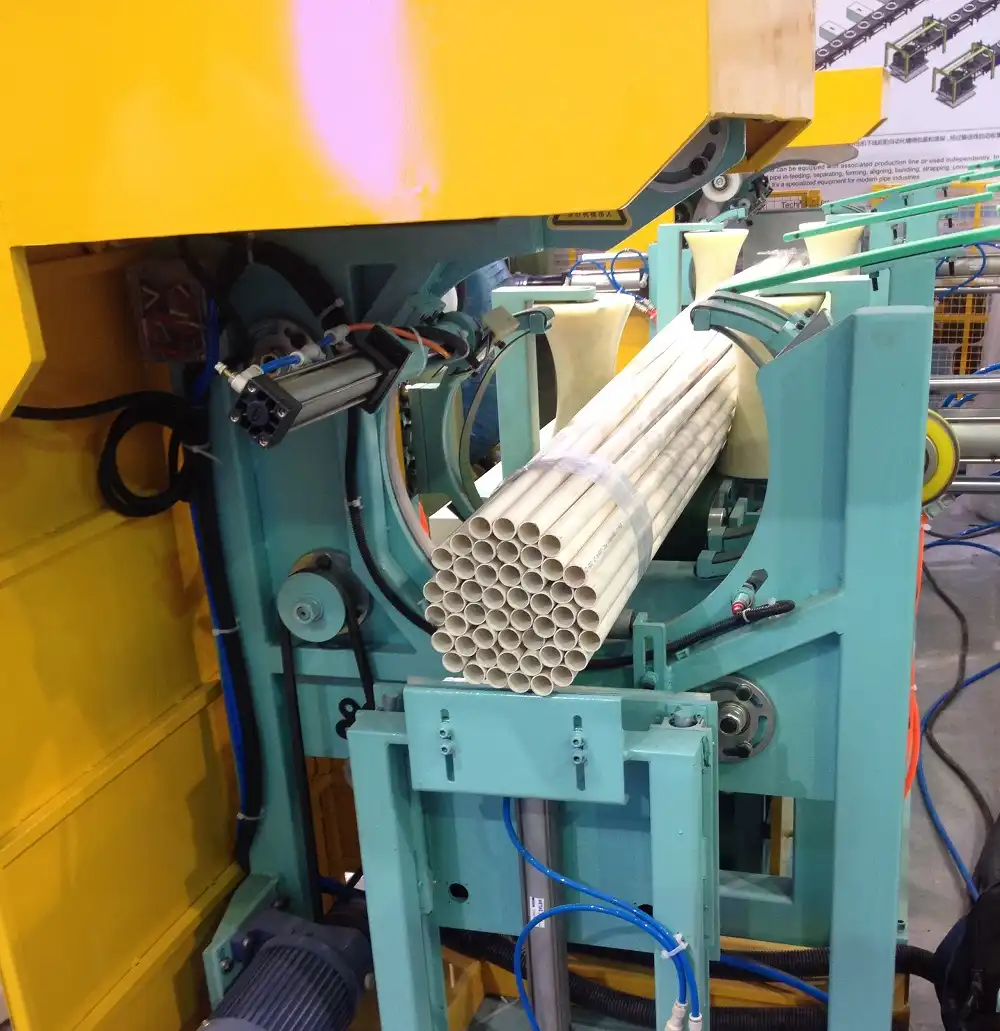
To optimize [Collection] for heavy-duty construction materials, focus on regular maintenance, proper material handling techniques, and strategic upgrades. Ensure correct machine settings for different pipe sizes and materials. Consider automation for increased speed and accuracy, and prioritize operator training to prevent errors and maximize efficiency.
Pipe bundling machines are undeniably crucial for the construction industry, yet fully harnessing their capabilities requires dedicated effort and continuous improvement. Ready to delve deeper into specific strategies? Keep reading to discover the best practices for maximizing the performance of your pipe bundling machine!
1. Implementing Preventative Maintenance for Peak Pipe Bundling Machine Performance
Prioritizing preventative maintenance is the first step in maximizing pipe bundling machine performance. Consistent maintenance reduces downtime and extends the lifespan of your equipment.
A well-maintained pipe bundling machine ensures consistent and reliable operation. Regular inspections, lubrication, and timely replacement of worn parts are crucial. By adhering to a strict maintenance schedule, you can prevent unexpected breakdowns and maintain optimal pipe packaging efficiency, ultimately leading to higher productivity and lower operating costs.

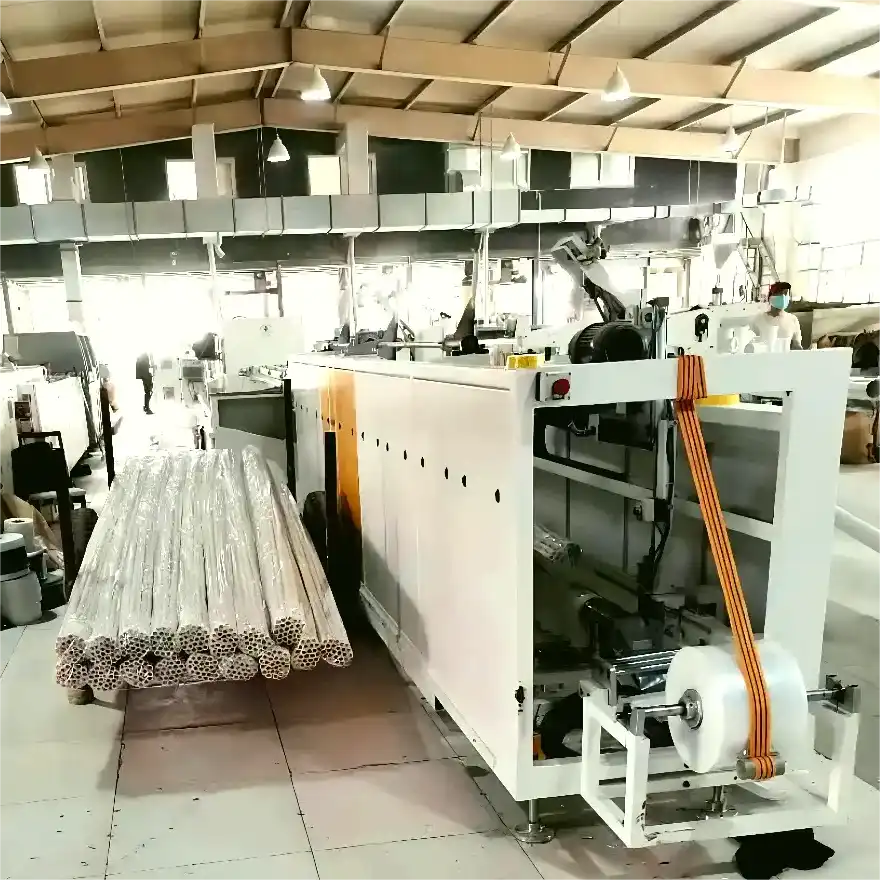
Maximizing Uptime: A Deep Dive into Preventative Maintenance Strategies
Preventative maintenance is not merely a checklist; it’s a holistic strategy that encompasses inspection, repair, and replacement. Implementing a structured approach can significantly enhance the longevity and performance of your pipe bundling machine. Let’s explore key aspects of a robust preventative maintenance program.
Understanding Key Components and Their Maintenance Needs
Different components require different maintenance schedules and procedures. Here’s a breakdown:
- Hydraulic System: Essential for powering many machine functions, the hydraulic system should be checked regularly for leaks, pressure inconsistencies, and fluid quality.
- Electrical System: Inspect wiring, connections, and control panels for damage or wear. Regular cleaning can prevent overheating and malfunctions.
- Mechanical Components: Belts, chains, gears, and bearings require lubrication and alignment checks. Replace worn parts promptly to avoid system failure.
- Sensors and Controls: These components ensure accurate operation. Regularly calibrate sensors and test controls to maintain precision.
Creating a Maintenance Schedule
A well-defined schedule ensures no critical maintenance tasks are overlooked.
| Maintenance Task | Frequency | Procedure |
|---|---|---|
| Lubrication | Daily/Weekly | Apply appropriate lubricants to all moving parts as per manufacturer guidelines. |
| Visual Inspection | Daily | Check for leaks, wear, and damage to components. |
| Hydraulic Fluid Check | Monthly | Inspect fluid level and quality. Replace if contaminated. |
| Electrical System Check | Quarterly | Inspect wiring and connections. Tighten or replace as needed. |
| Calibration of Sensors | Semi-Annually | Ensure accurate readings for proper machine operation. |
| Component Replacement | As Needed | Replace worn or damaged parts promptly. |
The Impact of Quality Lubrication
Proper lubrication is critical for reducing friction and wear. Selecting the right type of lubricant and applying it correctly can extend the life of machine components significantly.
Types of Lubricants
- Mineral-based lubricants: Suitable for standard applications and general use.
- Synthetic lubricants: Offer superior performance under extreme conditions, such as high temperatures or heavy loads.
- Greases: Ideal for components that require long-term lubrication and protection against contaminants.
Best Practices for Lubrication
- Follow manufacturer recommendations: Use the specified lubricants and application methods.
- Clean components before lubricating: Remove dirt and debris to prevent contamination.
- Avoid over-lubrication: Excess lubricant can attract dirt and cause damage.
Implementing a Digital Maintenance Log
A digital maintenance log simplifies tracking and managing maintenance tasks. This system should include:
- Task scheduling: Automated reminders for upcoming maintenance tasks.
- Maintenance history: Records of all maintenance activities performed, including dates, procedures, and parts replaced.
- Inventory management: Tracking of spare parts and supplies.
- Reporting: Generation of reports to identify trends and areas for improvement.
By systematically addressing these strategies, you can significantly minimize downtime and enhance the longevity and efficiency of your pipe bundling machine, ultimately contributing to improved productivity and cost savings.
2. Optimizing Material Handling Techniques for Heavy-Duty Construction
Efficient material handling is crucial for optimizing the performance of pipe bundling machines. Proper loading and unloading procedures can reduce cycle times and minimize the risk of damage.
Efficient material handling directly impacts the speed and accuracy of the bundling process. Using appropriate lifting equipment, ensuring proper alignment of pipes, and minimizing the distance materials travel can significantly improve throughput. Streamlined processes reduce bottlenecks and optimize the overall heavy-duty construction workflow.

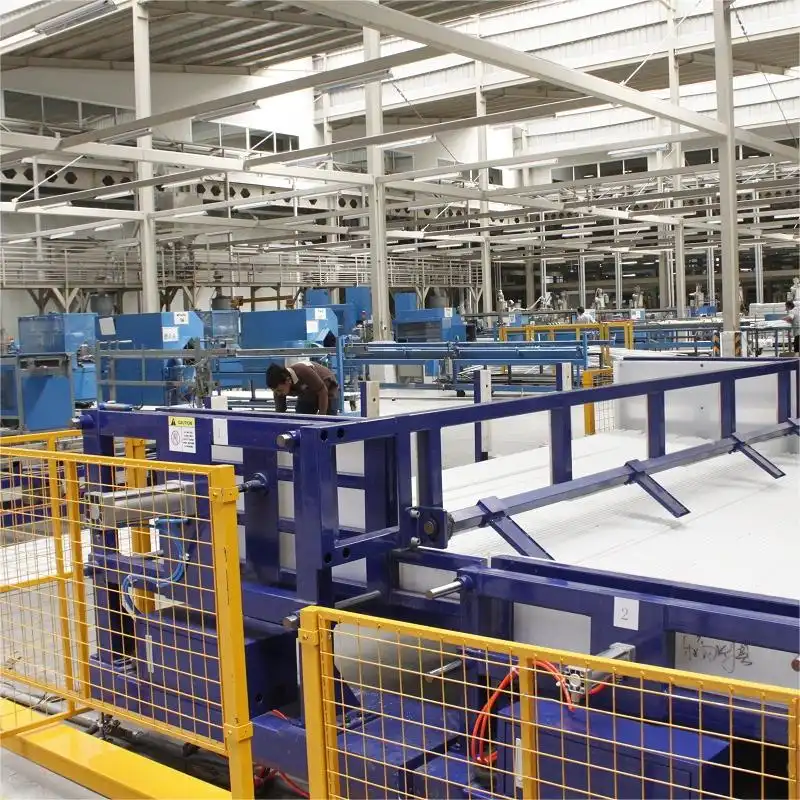
Streamlining the Process: Advanced Strategies for Material Handling
To truly maximize the efficiency of your pipe bundling operations, it’s essential to explore and implement advanced material handling techniques. These techniques focus on reducing manual labor, enhancing safety, and improving the overall flow of materials within your facility.
Integrating Automated Systems
Automation is a game-changer in material handling. By integrating automated systems, you can significantly reduce manual intervention, leading to faster cycle times, reduced errors, and improved safety.
Conveyor Systems
Conveyor systems are a cornerstone of automated material handling. They transport pipes from one stage of the production process to another, minimizing manual handling and reducing the risk of damage.
- Roller Conveyors: Ideal for moving heavy pipes over long distances.
- Belt Conveyors: Suitable for handling pipes of various sizes and shapes.
- Chain Conveyors: Designed for heavy-duty applications and can withstand harsh environments.
Robotic Arms
Robotic arms can perform tasks such as picking, placing, and aligning pipes with high precision and speed. They are particularly useful for handling heavy or awkwardly shaped materials.
- Benefits of Robotic Arms:
- Reduced labor costs
- Increased throughput
- Improved safety
- Consistent performance












