
How to Optimize Pipe Bundling Machine Performance for Heavy-Duty Construction Materials?
Optimizing pipe bundling machine performance is crucial for efficiently handling heavy-duty construction materials. Enhanced performance translates to faster processing, reduced labor costs, and improved safety in demanding industrial environments.
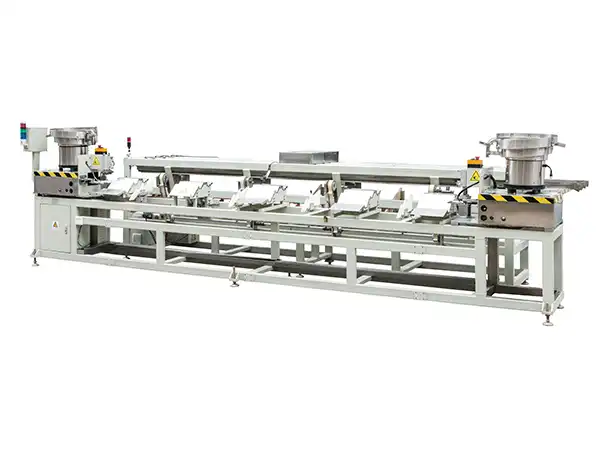
To optimize pipe bundling machine performance, focus on regular maintenance, proper material handling techniques, and appropriate machine settings. Upgrading components, ensuring proper lubrication, and training personnel are also key factors. Understanding material properties and adjusting bundling parameters accordingly is essential for handling heavy-duty construction materials.
Let’s delve deeper into the intricacies of optimizing pipe bundling machine performance. By understanding the challenges and implementing effective strategies, you can unlock the full potential of your equipment and improve overall operational efficiency.
1: Understanding Material Properties and Machine Capabilities
Maximizing the efficiency of a pipe bundling machine requires a solid grasp of the materials and capabilities. This helps to ensure that the machine operates effectively and produces optimal results for heavy-duty construction materials.
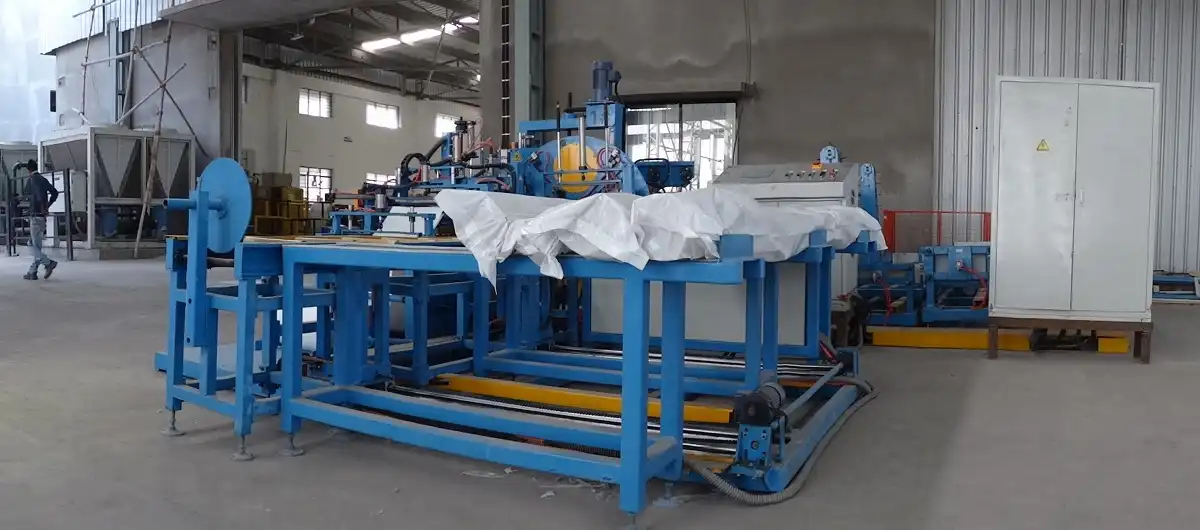
Optimizing a pipe bundling machine starts with understanding the construction materials’ properties. The weight, dimensions, and surface characteristics of pipes influence the machine settings, bundle size, and strapping method. Also, knowing machine specifications helps tailor its operation to specific material requirements.
Analyzing Material Specifications
Different construction materials necessitate varied approaches. Steel pipes, for example, demand robust bundling due to their weight and rigidity, whereas PVC pipes might require gentler handling to avoid deformation.
Steel Pipe
Steel pipes, known for their strength, often require heavy-duty bundling to prevent shifting during transit. Proper alignment and strapping are critical to maintain bundle integrity and safety.
PVC Pipe
PVC pipes, while lighter, are susceptible to bending or breaking under excessive pressure. Bundling must distribute weight evenly and use appropriate strapping materials to prevent damage.
Composite Materials
Newer composite materials offer a mix of strength and lightweight properties. These require a balanced approach to bundling, considering both support and protection from surface damage.
Tailoring Machine Settings
To meet the needs of varied materials, pipe packaging efficiency should be optimized by carefully adjusting machine parameters such as tension, speed, and bundling pattern. Fine-tuning these settings ensures the equipment operates at peak efficiency without compromising the materials’ integrity.
Tension Control
Adjusting strapping tension to the material’s properties prevents damage while maintaining secure bundling. For steel pipes, higher tension may be acceptable, while PVC pipes need lower tension to avoid crushing.
Speed Optimization
Balancing machine speed with material handling requirements maximizes throughput without increasing the risk of errors or damage. Faster speeds may suit lighter materials, but slower speeds are best for heavy or delicate pipes.
Bundling Pattern
Configuring the bundling pattern to distribute weight evenly and provide optimal support can significantly improve the bundle’s stability. Using cross-strapping or multiple straps can reinforce bundles of heavy construction materials.
Data-Driven Optimization
To effectively manage the bundling process and optimize machine settings, data collection and analysis are essential. This approach facilitates real-time adjustments that enhance operational efficiency and minimizes material waste.
Real-Time Feedback
Implementing sensors and feedback systems to monitor bundling parameters enables immediate adjustments. For example, tension sensors can detect over-tightening or looseness, allowing operators to correct settings in real-time.
Performance Analysis
Regular performance analysis, using metrics like bundle completion rate, strapping material usage, and downtime, reveals areas for improvement. This data-driven approach supports continuous enhancement of bundling processes.
Predictive Maintenance
Analyzing machine performance data helps predict maintenance needs, reducing downtime and ensuring continuous operation. By identifying patterns indicative of wear or malfunction, maintenance can be scheduled proactively.
| Metric | Steel Pipe | PVC Pipe | Composite Materials |
|---|---|---|---|
| Tension Setting | High | Low | Medium |
| Speed Setting | Slow to Medium | Medium to High | Medium |
| Bundling Pattern | Cross-strapping, multiple straps | Even weight distribution | Reinforced corners, light straps |
| Downtime | Low | Low | Low |
| Bundle Completion Rate | 98% | 99% | 98.5% |
Understanding and adapting to the specific requirements of construction materials is essential for enhancing the performance of pipe bundling machines.
2: Implementing Advanced Technology for Improved Accuracy
Advanced technology integration can significantly enhance the pipe bundling process. Precise control systems and smart sensors allow for efficient and reliable handling of heavy-duty construction materials.
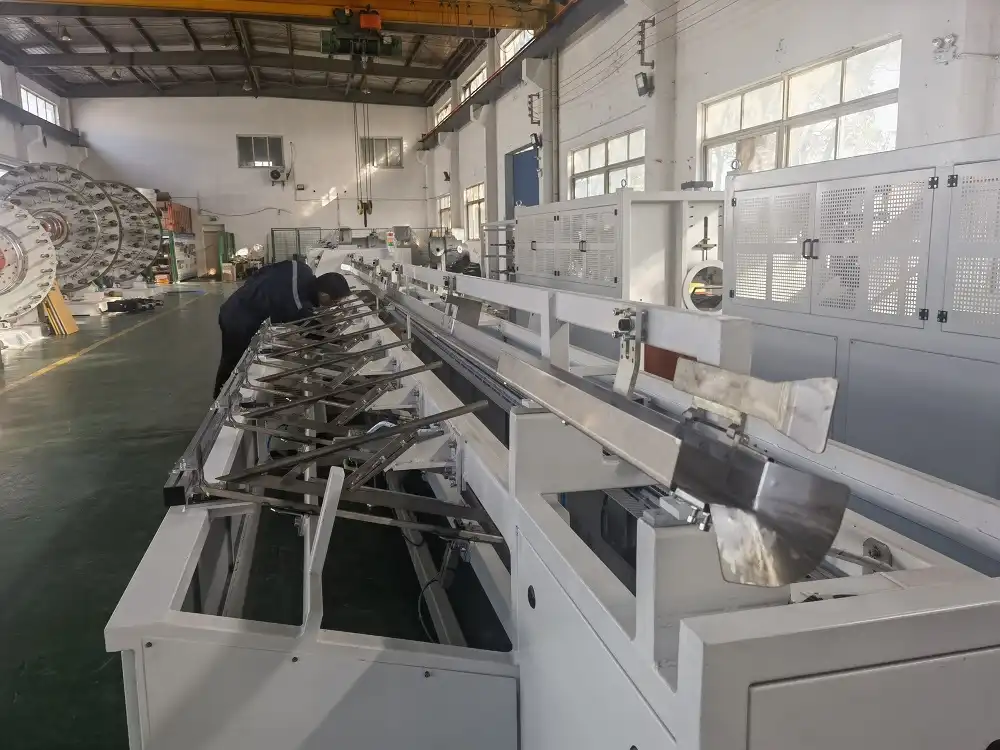
Implementing advanced technology boosts pipe bundling accuracy. Sensors ensure precise alignment, while automated tension control provides consistent strapping. These upgrades minimize material waste and enhance the overall efficiency of the bundling process. These advancements enable the machine to handle heavy-duty construction materials more effectively.
Automation and Control Systems
Incorporating automation and sophisticated control systems significantly streamlines operations. These innovations ensure that pipe bundling machines perform optimally, thereby reducing manual intervention and improving accuracy.
PLC Integration
Programmable Logic Controllers (PLCs) offer precise control over the bundling process. They allow for customized settings for different materials, ensuring consistent and accurate bundling.
Servo Motors
Servo motors provide accurate and repeatable movements, essential for alignment and strapping. Their precision enhances the quality of the bundle, reducing the risk of misalignment or damage.
Sensor Technologies
Sensor technologies enhance machine performance by offering real-time data and adjustments. They enable precise monitoring and control, ensuring the machine adapts to varying material properties.
Laser Alignment
Laser alignment sensors ensure precise positioning of pipes before bundling. This technology minimizes errors and enhances the overall quality of the bundle.
Load Cells
Load cells monitor the weight distribution within the bundle, preventing overloads and ensuring structural integrity. This is particularly important for heavy-duty construction materials.
Tension Sensors
Tension sensors maintain consistent strapping tension, preventing damage to the materials while securing the bundle effectively. This ensures that bundles are tight enough to remain stable during transport and storage.
Benefits of Technological Integration
Implementing advanced technology offers multiple benefits, including reduced labor costs, minimized material waste, and enhanced operational efficiency.
Reduced Labor Costs
Automation reduces the need for manual labor, decreasing operational expenses and freeing up personnel for other tasks.
Minimized Material Waste
Precise control systems minimize errors, reducing material waste and improving overall sustainability.
Enhanced Operational Efficiency
Faster processing times and fewer errors result in enhanced operational efficiency, increasing throughput and productivity.
3: Ensuring Proper Maintenance and Training
Regular maintenance and comprehensive training are essential for the reliable and efficient operation of pipe bundling machines. These practices extend the lifespan of the equipment and ensure consistent performance.
Proper maintenance and training are critical for pipe bundling machines. Regular inspections, lubrication, and timely repairs prevent breakdowns and maintain optimal performance. Training operators on machine settings, safety protocols, and troubleshooting minimizes errors and maximizes efficiency. These steps ensure heavy-duty construction materials are handled safely and effectively.
Importance of Preventative Maintenance
Preventative maintenance involves regular inspections, servicing, and component replacements to prevent equipment failures. It keeps the machine running smoothly and reliably, maximizing uptime and productivity.
Regular Inspections
Regular visual and functional inspections can identify potential problems early. Checking for loose connections, worn parts, and abnormal noises helps in addressing issues before they escalate.
Lubrication
Proper lubrication reduces friction and wear on moving parts, extending their lifespan. Using the correct lubricants, as specified by the manufacturer, ensures optimal performance.
Component Replacement
Replacing worn or damaged components during scheduled maintenance prevents unexpected breakdowns. Keeping critical spare parts on hand minimizes downtime.
Comprehensive Training Programs
Well-trained operators are essential for efficient and safe machine operation. Training programs should cover machine settings, safety protocols, troubleshooting, and basic maintenance tasks.
Machine Settings
Operators should be trained on adjusting machine settings for different materials and bundle sizes. Understanding how to fine-tune parameters for optimal performance is crucial.
Safety Protocols
Thorough training on safety protocols reduces the risk of accidents and injuries. Operators should be aware of emergency stop procedures and proper handling techniques.
Troubleshooting
Training operators to identify and resolve common issues minimizes downtime. Providing troubleshooting guides and hands-on practice ensures quick and effective problem-solving.
Benefits of Maintenance and Training
Consistent maintenance and comprehensive training result in numerous benefits, including increased uptime, reduced repair costs, and improved safety.
Increased Uptime
Regular maintenance prevents breakdowns, maximizing uptime and ensuring continuous operation.
Reduced Repair Costs
Addressing minor issues early prevents them from becoming major problems, reducing repair costs.
Improved Safety
Well-trained operators are more likely to follow safety protocols, reducing the risk of accidents and injuries.
| Aspect | Detail | Benefit |
|---|---|---|
| Regular Inspections | Check for loose connections, worn parts, abnormal noises | Early problem detection, prevents escalation |
| Lubrication | Use correct lubricants as specified by the manufacturer | Reduces friction and wear, extends component lifespan |
| Component Replacement | Replace worn or damaged components during scheduled maintenance | Prevents unexpected breakdowns, minimizes downtime |
| Machine Settings | Train operators on adjusting parameters for different materials | Optimal performance, reduces errors |
| Safety Protocols | Thorough training on emergency stop procedures and safe handling | Reduces the risk of accidents and injuries |
| Troubleshooting | Provide guides and hands-on practice for resolving common issues | Minimizes downtime, ensures quick and effective problem-solving |
4: Selecting the Right Strapping Materials
Selecting the appropriate strapping material is pivotal for secure and efficient bundling. Different materials offer varying strengths and properties, making them suitable for specific applications.
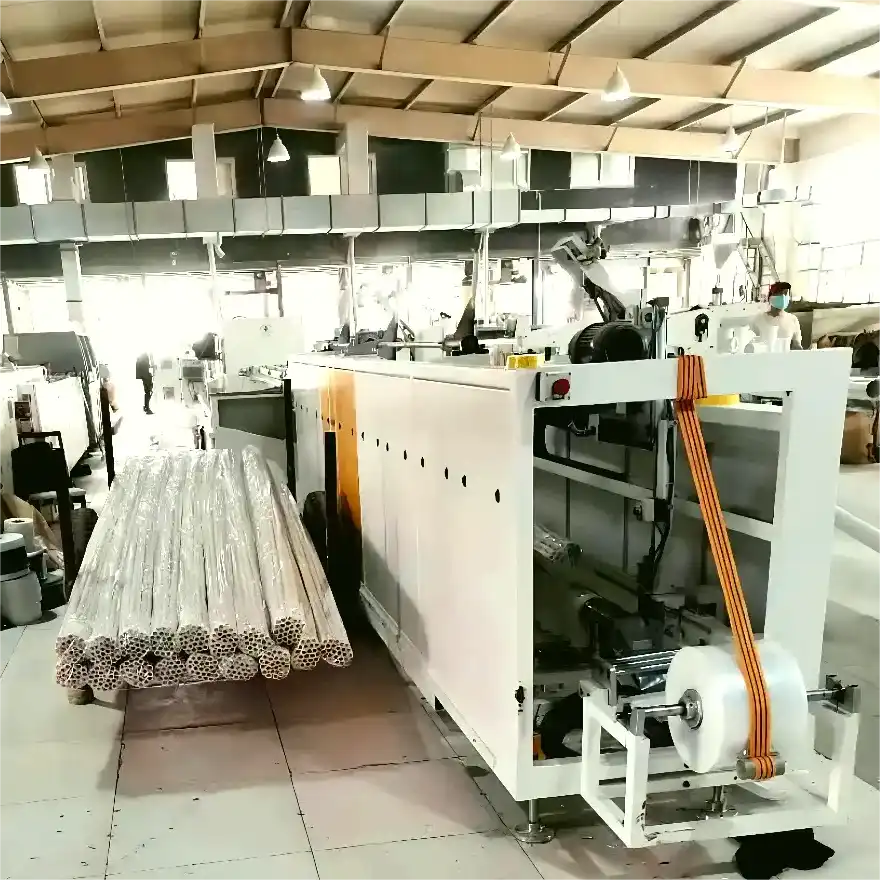
Choosing the right strapping is critical for reliable pipe bundling. Steel strapping offers high strength for heavy materials, while polyester strapping provides flexibility and resistance to weathering. Polypropylene strapping is cost-effective for lighter loads. Consider the material’s weight, size, and transport conditions to select the optimal strapping solution.
Selecting the right strapping material ensures secure bundling, protects materials, and enhances overall operational efficiency, significantly impacting the safety and reliability of material handling processes. Careful consideration of these factors leads to optimized performance and cost-effectiveness.
Conclusion
Optimizing pipe bundling machine performance for heavy-duty construction materials involves understanding material properties, implementing advanced technology, ensuring proper maintenance, and selecting the right strapping materials. By addressing these critical areas, you can enhance efficiency, reduce costs, and improve safety in your operations.








