
How to Operate an Automatic Coil Packing Machine Safely?
The roar of machinery, the rhythm of production – it’s all part of a busy factory floor. For years, I’ve navigated this world, from working on the packing machine lines myself to building FHOPEPACK into a leader in industrial packaging. I understand the constant pressure to boost output, cut costs, and most importantly, keep everyone safe. When it comes to something as vital as an automatic coil packing machine, safety isn’t just a guideline; it’s the foundation of everything we do. Ignoring it can lead to catastrophic consequences – injuries, costly downtime, and even damaged reputation.
Operating an automatic coil packing machine safely begins with a comprehensive understanding of its functions, rigorous adherence to established safety protocols, and a commitment to continuous training for all personnel involved in the packaging process. Prioritizing safety features during machine selection, implementing regular maintenance schedules, and fostering a culture of vigilance are key to preventing accidents and ensuring smooth, efficient operations in metal processing plants worldwide.

I know from experience that even the most robust machinery needs careful handling. The stakes are high when you’re dealing with heavy steel coils and complex automation. That’s why I want to share my insights on how to ensure your operations are not just productive, but impeccably safe. Let’s dive deeper into the strategies that can transform your coil packing process.
1. What are the essential pre-operation safety checks for an automatic coil packing machine?
In any high-stakes environment, preparation is key. Think of it like a pilot’s checklist before takeoff. Missing even one crucial step can lead to disaster. For an automatic coil packing machine, the pre-operation checks are your first and most vital line of defense against potential hazards, ensuring the machinery is ready to perform its heavy-duty task without incident.
Before starting any automatic coil packing machine, operators must conduct a thorough visual inspection of all components, verify that all safety guards are correctly in place and functional, and confirm emergency stop buttons are accessible and operational. This proactive approach to pre-operational safety minimizes the risk of mechanical failures, enhances operator protection, and ensures the packaging equipment is prepared for efficient and secure processing of steel coils.
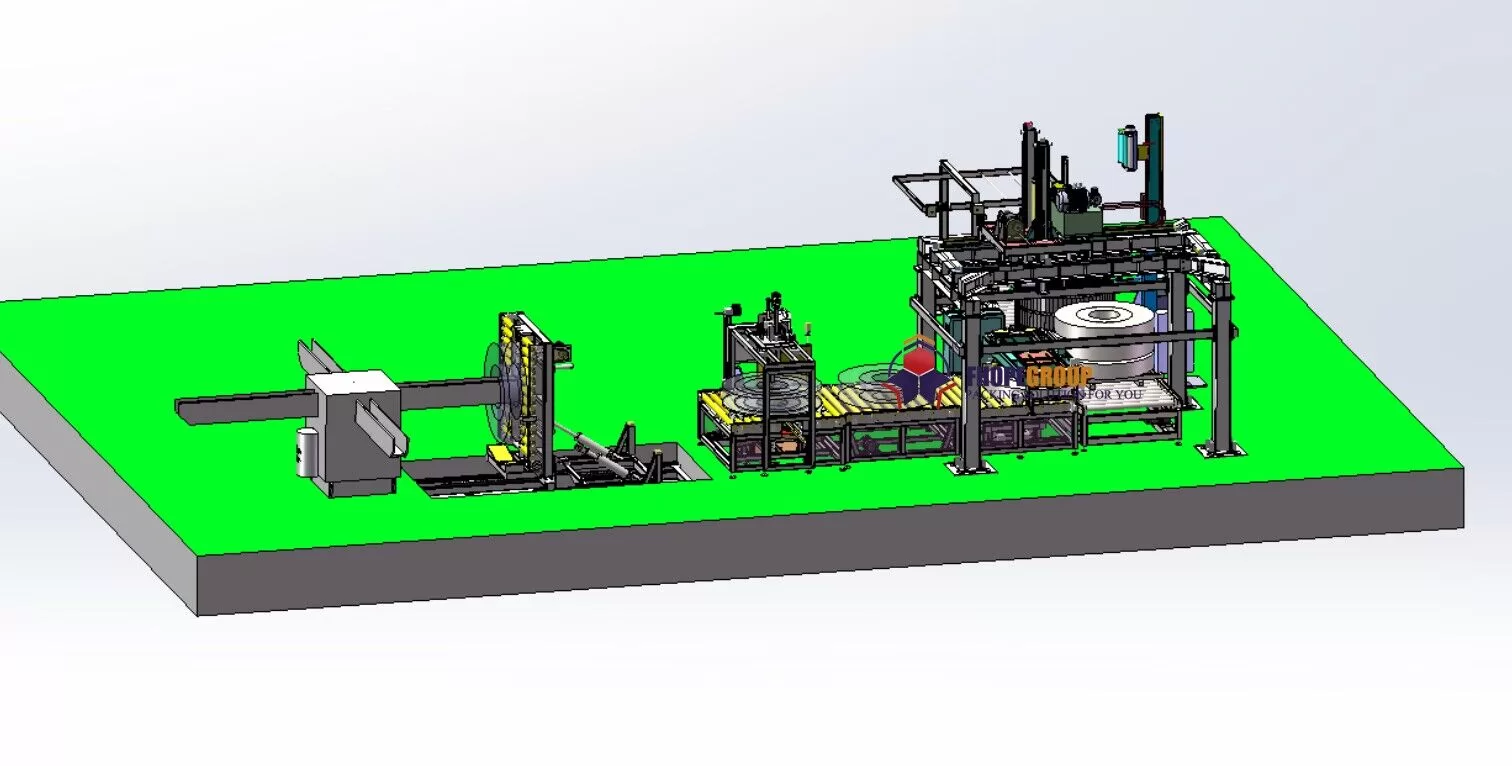
My journey in the packing machine industry has shown me that shortcuts here lead to long-term problems. A diligent pre-start routine isn’t just about ticking boxes; it’s about embedding a safety-first mindset into your team. This is especially crucial in environments like a metal processing plant in Mexico, where consistent operation and worker well-being are paramount.
Key Pre-Operation Safety Checkpoints:
-
Machine Inspection & Area Clearance
- Before powering up, visually inspect the entire machine. Look for loose parts, damaged cables, or any foreign objects that might interfere with operation.
- Ensure the work area around the machine is clean, dry, and free from obstructions. Spills or debris can cause slips and falls, especially when operators are moving around heavy equipment.
- Confirm proper lighting in the work zone. Adequate visibility prevents errors and improves safety.
- Actionable Tip: Implement a daily “5S” (Sort, Set in order, Shine, Standardize, Sustain) routine for the coil packing area to maintain order and cleanliness. This simple practice significantly reduces workplace hazards. (workplace hazard reduction)
-
Safety Guards and Interlocks
- Check that all protective guards, fences, and barriers are securely in position and undamaged. These are designed to prevent access to moving parts during operation.
- Verify that safety interlocks are functioning correctly. These devices prevent the machine from operating if a guard is open or removed.
- Common Issue: Sometimes, due to maintenance or perceived inconvenience, operators might bypass or remove guards. This is a critical safety violation and must be strictly prohibited and monitored.
- Example Checklist Item:
- ✅ Are all perimeter safety fences intact and securely bolted?
- ✅ Are access gates equipped with functional interlock switches?
- ✅ Are machine covers for rotating parts closed and locked? (packing machine safety features)
-
Emergency Stop Systems
- Locate all emergency stop buttons on the machine and at control panels. Ensure they are clearly marked, easily accessible, and free from obstructions.
- Test each emergency stop button to confirm it immediately halts all machine movement. The machine should not restart until the E-stop is reset manually.
- Why it Matters: In an emergency, milliseconds count. A faulty E-stop can turn a minor incident into a severe accident. Regular testing builds confidence in the system.
- Testing Procedure:
- Press an E-stop button.
- Verify the machine stops completely.
- Reset the E-stop.
- Attempt to restart the machine (it should require a deliberate restart sequence). (emergency stop protocols)
-
Hydraulic and Pneumatic Systems
- Inspect hydraulic hoses and pneumatic lines for leaks, cracks, or damage. High-pressure fluids or air can cause serious injuries.
- Check fluid levels (e.g., hydraulic oil) and ensure pressure gauges are reading within the recommended ranges.
- Maintenance Note: Leaks often indicate wear and tear that could lead to system failure. Addressing them immediately prevents breakdowns and maintains operational safety. (coil packing machine maintenance)
-
Electrical Connections
- Visually inspect power cables and electrical connections for any signs of fraying, cuts, or loose terminals.
- Ensure proper grounding of the equipment. Grounding protects against electrical shock hazards.
- Risk Mitigation: Only qualified personnel should handle electrical repairs or inspections. Unauthorized tampering can be extremely dangerous. (electrical safety in factories)








