
How to Integrate a Door Packing Machine into Your Existing Production Line?
Are you struggling with slow packing speeds? Do your workers face risks handling heavy items every day? Many factory managers I talk to feel this pressure. They want to boost output and keep their team safe. But manual packing is a bottleneck. It causes delays and increases the chance of accidents.
Integrating a door packing machine into your factory line needs careful thought. You start by understanding your current process. Then, you choose the right machine that fits your space and production needs. Next, you plan the installation without stopping your whole operation. Finally, you train your team. This makes sure the new machine works smoothly.

You might be wondering how to start. Or maybe you worry about disruption. This article will walk you through each step. We will cover planning, installation, and long-term success. Let us explore how a new packing machine can change your factory.
Is Your Current Packing Process Holding You Back?
Do you feel your packing area slows everything down? Are your workers tired from moving heavy doors? This can be a real headache for any factory manager. Slow packing means products sit waiting. It delays customer orders. It also wastes time and money.
Your current manual packing might be inefficient. It probably involves a lot of hand labor. This is slow. It also costs a lot in wages. Manual handling of heavy doors creates risks. Workers can get hurt. This means more insurance costs. It also means people leave your team. Sometimes, products even get damaged during handling. This leads to unhappy customers. It also means you lose money.
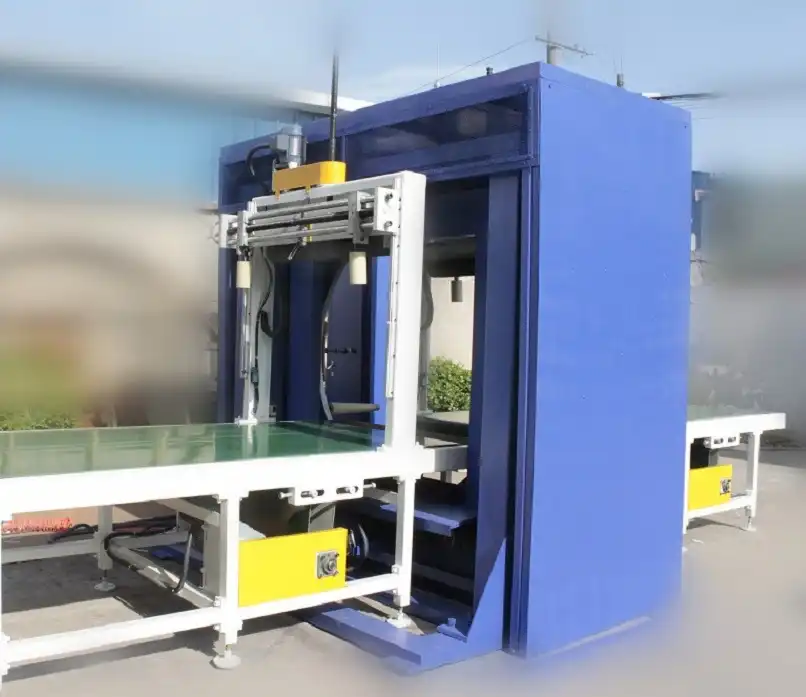
I have seen many factories in my career. When I started my own packing machine factory, I saw these problems firsthand. Many managers like Michael Chen from Mexico tell me about these exact issues. His factory deals with metal processing. Heavy items are always moved. He needs durable equipment. He wants to reduce manual work and improve safety. This is a common story. Michael also wants to cut costs. He wants to stop product damage. These are big challenges. My experience taught me that automation is the answer. It solves these problems. It frees up workers for other tasks. It makes your factory safer and more profitable.
Evaluating Your Current Workflow
Before you add any new machine, you must understand what you do now. Look at every step of your door packing. How do doors move from the production line to packing? How are they wrapped? How are they loaded for shipping?
Manual Labor vs. Machine Efficiency
Think about how many people work in your packing area. How much time does it take them to pack one door?
-
Manual Process:
- Speed: Slow. Each door needs individual attention. Workers must lift, position, and wrap by hand.
- Labor Costs: High. You need many workers for this. Wages add up quickly.
- Safety: Dangerous. Lifting heavy doors can cause back injuries or crushed limbs. This leads to high insurance and worker turnover.
- Consistency: Variable. Packing quality can differ between workers. Some might pack better than others.
- Product Damage: High risk. Doors can get scratched or dented during manual handling. Edges might chip.
-
Automated Process:
- Speed: Fast. Machines work continuously. They pack doors much quicker.
- Labor Costs: Low. Fewer workers are needed for packing. They can do other jobs.
- Safety: Much safer. Machines do the heavy lifting. Workers stay out of the danger zone.
- Consistency: High. Every door is packed the same way. The machine follows exact settings.
- Product Damage: Low risk. Machines handle doors gently. They reduce chances of damage.
I remember a client years ago. Their factory packed steel coils. Workers struggled with the weight. Injuries were common. They lost money from damaged coils. We helped them add an automated wrapper. They cut their labor costs. Their safety record improved greatly. Product damage almost stopped. It was a huge win for them.
Identifying Bottlenecks and Safety Risks
Where does your packing process slow down? Is it when doors are moved to the packing station? Is it during the actual wrapping?
- Common Bottlenecks:
- Material Handling: Moving doors from one area to another. This often needs forklifts or manual pushing. This can create traffic jams.
- Wrapping Time: If wrapping takes too long, doors pile up. This stops the flow.
- Storage Before Shipping: If packed doors cannot move out fast enough, they block space.
- Key Safety Risks:
- Lifting Heavy Objects: The biggest risk. Workers can strain muscles or drop items.
- Repetitive Motion Injuries: Wrapping by hand repeatedly can cause joint problems.
- Moving Machinery: Forklifts or manual carts can hit workers if paths are not clear.
- Falling Objects: Poorly stacked doors can fall.








