
How to Improve the Efficiency of Mold Flippers?
Are you facing production bottlenecks due to slow mold changes and heavy manual lifting? Imagine a solution that not only speeds up your mold handling but also significantly enhances safety and reduces downtime. Mold flippers are revolutionizing manufacturing, but are you leveraging them to their fullest potential?
Improving the efficiency of mold flippers involves optimizing their integration into your workflow, ensuring proper maintenance, and utilizing advanced features for faster, safer, and more precise mold handling. By focusing on automation, precision, and seamless operation, you can unlock significant gains in productivity and reduce operational costs.
This article delves into practical strategies and advanced techniques to maximize the efficiency of your mold flippers, transforming your manufacturing process and giving you a competitive edge.
1. How Does a Mold Flipping Machine Enhance Production Efficiency?
Are you tired of manual mold handling processes that are not only time-consuming but also pose safety risks to your team? Picture a streamlined production line where heavy molds are effortlessly and precisely flipped, significantly reducing downtime and boosting overall output. A mold flipping machine is the key to unlocking this enhanced efficiency.
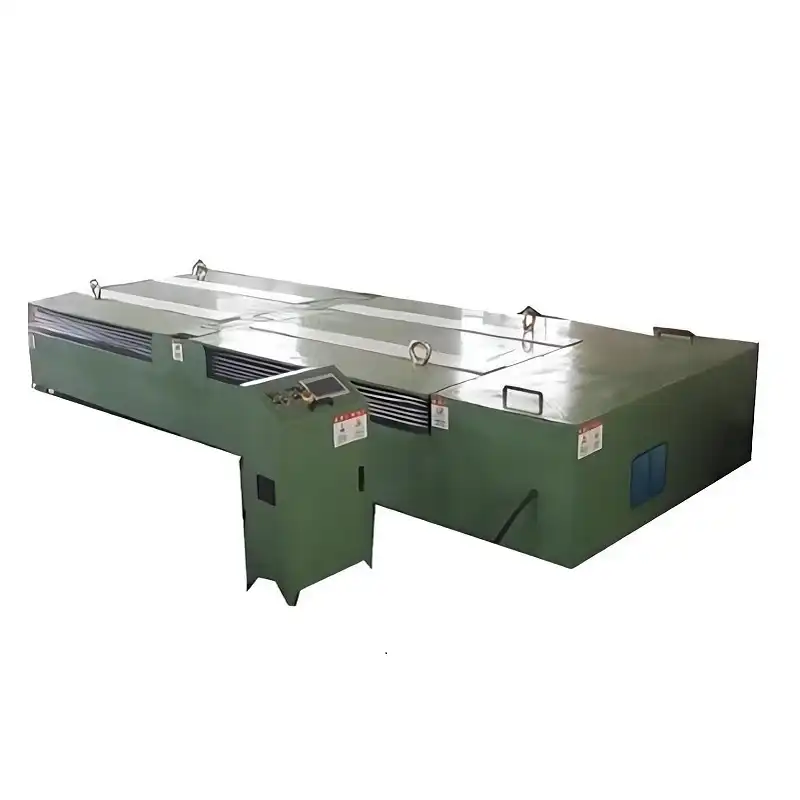
A mold flipping machine enhances production efficiency by automating the time-consuming and risky task of manually turning heavy molds. This automation drastically reduces mold changeover times, minimizes the risk of worker injury, and ensures consistent, precise mold handling, leading to increased throughput and reduced operational bottlenecks. By integrating a mold flipper, manufacturers can achieve a smoother, faster, and safer production environment.
Diving Deeper: The Mechanics Behind Enhanced Efficiency
To truly understand how mold flipping machines amplify production efficiency, we need to break down the limitations of manual mold handling and explore the advantages of automation. Manual mold flipping is fraught with inefficiencies and risks that directly impact productivity. Let’s examine these aspects in detail:
The Bottleneck of Manual Mold Handling
Manual mold handling is often a significant bottleneck in manufacturing for several reasons:
- Time-Consuming Process: Flipping heavy molds manually is a slow and laborious task. It requires multiple personnel, specialized lifting equipment, and careful maneuvering to avoid damage and injury. The table below illustrates the stark contrast in time taken for manual versus automated flipping:
| Key Metric | Manual Flipping | Automated Mold Flipping |
|---|---|---|
| Time to Flip a Mold | ~30 minutes | ~5 minutes |
| Labor Required | 2-4 workers | 1 operator |
| Risk of Mold Damage | High | Low |
| Consistency of Mold Positioning | Variable | Consistent |
-
Safety Hazards: Handling heavy molds manually presents significant safety risks. Workers can suffer strains, sprains, and serious injuries from lifting, pushing, and maneuvering heavy objects. The risk of accidents increases further when dealing with molds that are awkwardly shaped or have sharp edges.
-
Inconsistency and Errors: Manual processes are prone to human error. Inconsistent mold positioning after flipping can lead to production defects, requiring rework and causing delays. Furthermore, damage to molds due to mishandling can result in costly repairs and downtime.
Automation: The Efficiency Multiplier
Mold flipping machines address these challenges head-on by automating the entire mold flipping process. The key mechanisms that drive efficiency gains include:
-
Reduced Cycle Times: Automation significantly reduces the time required to flip molds. As demonstrated in the table above, automated flipping can be completed in a fraction of the time compared to manual methods. This faster turnaround directly translates to increased production throughput and shorter lead times.
-
Minimized Labor Costs and Risks: By automating the process, mold flipping machines drastically reduce the need for manual labor. This not only lowers labor costs but also eliminates the safety risks associated with manual handling. A safer working environment leads to reduced workplace injuries and improved employee morale.
-
Enhanced Precision and Consistency: Automated systems ensure precise and consistent 180-degree flips every time. This accuracy minimizes the risk of mold damage and ensures proper alignment for the next stage of production. Consistent mold positioning leads to higher product quality and reduced defect rates.
-
Seamless Integration and Workflow Continuity: Modern mold flipping machines are designed for seamless integration into existing manufacturing setups. They can be easily incorporated into production lines without requiring major infrastructure changes. This adaptability ensures smooth workflow continuity and minimizes disruption during implementation.
In conclusion, the efficiency gains offered by mold flipping machines are not merely incremental improvements; they represent a paradigm shift in mold handling. By eliminating the bottlenecks and risks associated with manual processes, these machines unlock significant potential for increased productivity, reduced costs, and a safer working environment. Embracing automation through mold flipping machines is a strategic imperative for manufacturers seeking to optimize their operations and maintain a competitive edge.
2. What are the Key Features of Modern Mold Flipping Machines?
In today’s competitive manufacturing landscape, efficiency and safety are paramount. Imagine mold handling equipment that not only streamlines your operations but also incorporates advanced features to protect your team and your valuable molds. Modern mold flipping machines are engineered with these critical needs in mind.
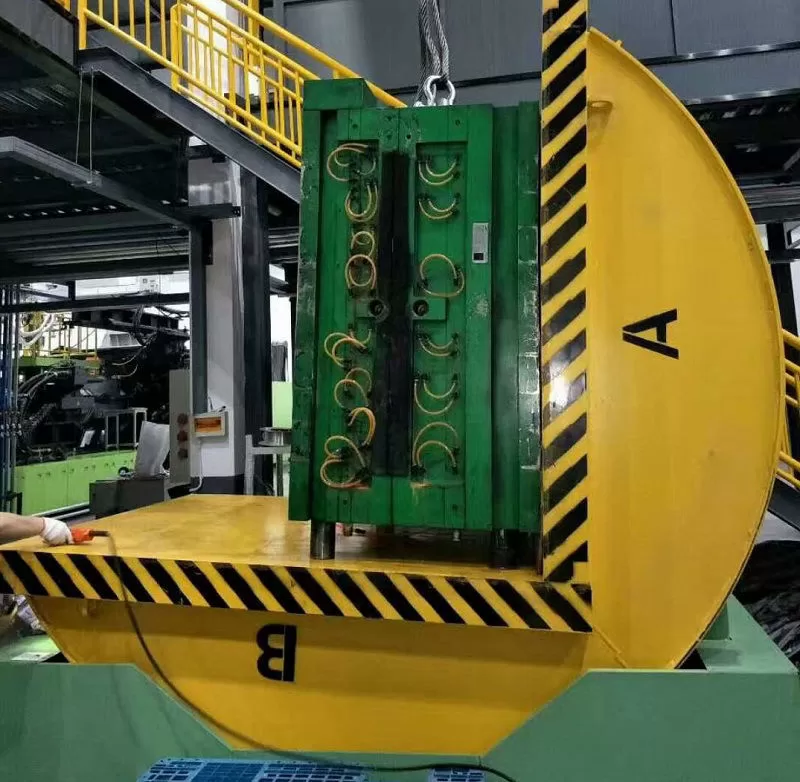
Modern mold flipping machines are characterized by key features such as robust safety sensors, rapid automation capabilities, and enhanced control systems. These features work in concert to ensure safe, precise, and fast mold handling, minimizing downtime and maximizing production efficiency. Investing in advanced mold flipping equipment translates directly to a more productive and secure manufacturing environment.
Benefits of Advanced Mold Flipping Equipment: A Feature-Focused Examination
Modern mold flipping machines have evolved significantly, incorporating a range of advanced features that deliver tangible benefits to manufacturing operations. Let’s delve into these features and understand how they contribute to improved efficiency and safety:
Safety First: Integrated Safety Sensors
Safety is a non-negotiable priority in any manufacturing setting, especially when dealing with heavy machinery and molds. Modern mold flipping machines are equipped with sophisticated safety sensors to protect both operators and equipment. These sensors include:
- Obstruction Detection Sensors: These sensors detect any obstructions in the machine’s operating path, such as personnel or objects, and immediately halt operation to prevent accidents.
- Overload Protection Sensors: These sensors monitor the weight being lifted and flipped, preventing the machine from exceeding its safe working load. This protects the machine from damage and ensures safe operation.
- Emergency Stop Buttons: Strategically placed emergency stop buttons allow operators to quickly halt the machine in case of any unforeseen issues or emergencies.
Efficiency and Speed: Rapid Automation
The core function of a mold flipping machine is to automate the mold flipping process, and modern machines excel in speed and efficiency. Key features contributing to rapid automation include:
- High-Speed Motors and Hydraulics: Advanced motors and hydraulic systems enable quick and smooth mold flipping operations, significantly reducing cycle times.
- Programmable Logic Controllers (PLCs): PLCs allow for precise control and programming of flipping cycles, optimizing speed and movement for different mold sizes and weights.
- User-Friendly Interfaces: Intuitive touch screen interfaces simplify operation and allow for quick setup and adjustments, minimizing operator training time and maximizing efficiency.
Precision and Accuracy: Enhanced Control Systems
Precise mold handling is crucial for maintaining product quality and minimizing errors. Modern mold flipping machines incorporate enhanced control systems to ensure accuracy and consistency:
- Precise Positioning Systems: Advanced positioning systems ensure that molds are flipped exactly 180 degrees every time, eliminating variations and ensuring consistent mold orientation.
- Variable Speed Control: Operators can adjust the flipping speed to suit different mold types and sensitivities, ensuring smooth and controlled movements and preventing damage.
- Remote Control Operation: Remote control options allow operators to control the machine from a safe distance, improving visibility and control during the flipping process, particularly for very large molds.
| Feature | Benefit | Outcome |
|---|---|---|
| Safety Sensors | Prevents Accidents | Safer Work Environment |
| Rapid Automation | Quick Turnaround | Increased Production Rates |
| Enhanced Control Systems | Precise Flipping | Reduced Error Margins, Consistent Quality |
| Variable Speed Control | Adaptable Operation | Safe Handling of Various Mold Types |
| Remote Control | Improved Operator Safety | Enhanced Control and Visibility |
By investing in modern mold flipping machines equipped with these advanced features, manufacturers can create a safer, more efficient, and more productive manufacturing environment. These features not only streamline operations but also protect valuable assets and personnel, contributing to long-term success and competitiveness.
3. How Can a Mold 180 Degree Turning Improve Mold Handling?
Are you seeking ways to minimize human error and streamline your mold handling processes? Imagine a simple yet powerful solution that ensures every mold is turned with perfect precision, reducing inconsistencies and enhancing workflow. Mold 180-degree turning technology is the answer to optimizing your mold handling operations.
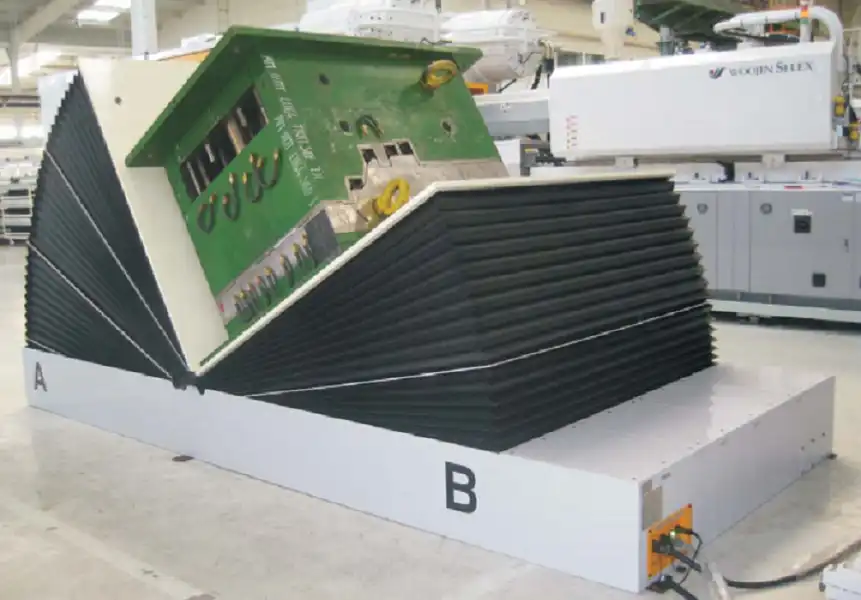
Mold 180-degree turning significantly improves mold handling by automating the process of flipping molds with precision and consistency. This technology reduces reliance on manual labor, minimizes the risk of errors and injuries, and ensures that molds are always in the correct orientation for subsequent manufacturing stages, leading to streamlined production and enhanced overall efficiency. By implementing 180-degree turning, manufacturers can achieve a more reliable and efficient mold handling system.
Leveraging Mold Turning for Optimal Performance: A Deeper Dive into 180-Degree Technology
The effectiveness of mold 180-degree turning in enhancing mold handling lies in its ability to address the inherent limitations of manual methods. Let’s explore the key aspects of this technology and how it optimizes performance across various dimensions of mold handling:
Precision Improvement: Eliminating Manual Variability
Manual mold turning is inherently prone to variability. Even with skilled operators, achieving consistent 180-degree turns with heavy molds is challenging. Mold 180-degree turning machines eliminate this variability by:
-
Automated Rotation Mechanisms: These machines utilize automated mechanisms, such as hydraulic or electric actuators, to rotate molds precisely to 180 degrees. This automation ensures consistent and accurate flipping every time.
-
Digital Control Systems: Advanced digital control systems provide precise control over the rotation angle, speed, and acceleration, ensuring smooth and accurate turns without jerking or sudden movements that could damage the mold.
-
Pre-programmed Cycles: Operators can program specific flipping cycles for different mold types, ensuring that the turning process is optimized for each mold, further enhancing precision and consistency.
Cycle Time Reduction: Streamlining the Workflow
Manual mold turning is a time-consuming process that adds to overall cycle times. Mold 180-degree turning machines significantly reduce cycle times by:
-
Automated and Rapid Flipping: Automated systems can flip molds much faster than manual methods. This speed advantage directly translates to reduced cycle times and increased throughput.
-
Seamless Integration with Production Lines: Mold turning machines can be seamlessly integrated into automated production lines, minimizing manual intervention and streamlining the entire workflow.
-
Reduced Downtime: Faster mold flipping reduces the downtime associated with mold changes and maintenance, maximizing machine uptime and production capacity.
Operational Cost Cut: Long-Term Savings
While the initial investment in a mold 180-degree turning machine is a factor, the long-term operational cost savings are substantial. These savings are realized through:
-
Reduced Labor Costs: Automation reduces the need for multiple workers to handle mold flipping, leading to significant labor cost savings over time.
-
Minimized Mold Damage and Repair Costs: Precise and controlled flipping minimizes the risk of mold damage, reducing repair and replacement costs.
-
Improved Product Quality and Reduced Scrap: Consistent and accurate mold handling contributes to improved product quality and reduces scrap rates, further enhancing cost efficiency.
| Parameter | Insight | Outcomes |
|---|---|---|
| Precision Improvement | Ensures exact flipping that maintains mold form and alignment | Reduces defects, guarantees quality and consistency |
| Cycle Time Reduction | Automated operations save substantial time compared to manual methods | Improves scheduling, increases throughput |
| Operational Cost Cut | Minimal wear-and-tear through smooth operations preserves machinery | Lowers maintenance expenses, increases system longevity |
| Labor Cost Reduction | Reduces manual labor requirements | Significant savings on labor expenses |
| Reduced Damage Risk | Controlled and precise movements | Lower mold repair and replacement costs |
By leveraging mold 180-degree turning technology, manufacturers can achieve a significant improvement in mold handling efficiency, leading to enhanced productivity, reduced costs, and improved product quality. This technology is a crucial component of modern, optimized manufacturing operations.
4. Practical Tips for Implementing Mold Design Optimization
To effectively implement mold design optimization for improved mold flipper efficiency, focus on early collaboration among stakeholders, utilize mold flow analysis software for regular testing and validation, commit to continuous improvement based on production data, and ensure your team receives comprehensive training and education on relevant tools and principles. These practical steps are crucial for maximizing the benefits of mold design optimization and achieving significant improvements in injection molding efficiency.
Optimizing mold design is a multifaceted process that requires a strategic and holistic approach. Simply implementing mold flow analysis software is not enough; it’s the practical application of these tools and principles throughout the design and production lifecycle that yields significant results. Here’s a more detailed look at practical tips for successful implementation:
Early Collaboration: Break Down Silos
Effective mold design optimization starts with breaking down communication silos and fostering collaboration from the outset. This means involving all relevant stakeholders – mold designers, material suppliers, injection molders, and even end-users – early in the design process. By bringing diverse perspectives to the table, you can:
-
Identify Potential Issues Early: Each stakeholder brings unique expertise. Material suppliers can advise on material-specific considerations, molders can provide insights into manufacturability, and designers can focus on functionality and performance. Early collaboration helps identify potential problems and design flaws before they become costly downstream issues.
-
Ensure Design for Manufacturability (DFM): DFM principles are crucial for efficient injection molding. Early collaboration ensures that the mold design is optimized for manufacturability, considering factors like mold filling, cooling, and ejection.
-
Streamline Communication and Decision-Making: Establishing clear communication channels and collaborative workflows from the beginning streamlines the design process, reduces misunderstandings, and accelerates decision-making.
Regular Testing and Validation: Mold Flow Analysis as a Continuous Tool
Mold flow analysis software is not a one-time tool to be used only at the initial design stage. To truly optimize mold design, it should be used iteratively throughout the design process for regular testing and validation. This involves:
-
Simulating Different Design Iterations: Use mold flow analysis to simulate various design iterations and compare their performance. This allows you to evaluate the impact of design changes on mold filling, cooling, warpage, and other critical parameters.
-
Validating Design Changes: Before implementing any design changes, use mold flow analysis to validate their effectiveness. This helps ensure that changes are actually improving the design and not introducing new problems.
-
Identifying and Addressing Potential Defects: Proactively use mold flow analysis to identify potential injection molding defects, such as short shots, sink marks, and warpage, and make necessary design modifications to prevent them.
Continuous Improvement: Data-Driven Refinement
Mold design optimization is not a static process; it’s a journey of continuous improvement. To achieve long-term optimization, it’s essential to:
-
Track Production Data: Collect and analyze production data, including cycle times, defect rates, and mold maintenance records. This data provides valuable insights into mold performance and areas for improvement.
-
Refine Mold Designs Based on Data: Use production data to identify areas where mold designs can be further refined. For example, if data reveals consistent cooling issues in a specific mold region, adjust the cooling line design in subsequent iterations.
-
Implement a Feedback Loop: Establish a feedback loop between production and design teams. Production data and operator feedback should inform design improvements, creating a cycle of continuous optimization.
Training and Education: Empower Your Team
Investing in training and education for your team is crucial for successful mold design optimization. Ensure that your team is:
-
Proficient in Mold Flow Analysis Software: Provide comprehensive training on using mold flow analysis software effectively. This includes training on software functionalities, simulation techniques, and interpreting simulation results.
-
Knowledgeable in Mold Design Principles: Ensure your team has a strong understanding of mold design principles, including gating, runner systems, cooling systems, and material selection.
-
Up-to-Date with Industry Best Practices: Encourage continuous learning and professional development to keep your team up-to-date with the latest industry best practices and advancements in mold design and injection molding technologies.
By implementing these practical tips, manufacturers can move beyond simply acquiring mold design optimization tools and truly integrate optimization principles into their processes. This holistic approach, focused on collaboration, continuous testing, data-driven refinement, and team empowerment, is the key to unlocking the full potential of mold design optimization and achieving significant and sustainable improvements in injection molding efficiency.
Conclusion
Mold flipping machines are indispensable assets for manufacturers striving for peak efficiency. By automating and refining mold handling processes, these machines not only boost productivity and ensure precision but also contribute to a safer and more cost-effective operation. Embracing mold flipper technology is a strategic move towards future-proofing your manufacturing capabilities and achieving operational excellence.








