
How to Improve Steel Wire Strapping Machine Safety in High-Risk Industrial Environments?
In high-risk industrial settings, steel wire strapping machines are essential. Prioritizing operational safety is crucial for protecting workers, preventing accidents, and ensuring productivity. This involves comprehensive safety measures and continuous improvements.
To improve steel wire strapping machine safety, implement regular training, PPE usage, and proper maintenance. Utilize advanced safety features like light curtains and emergency stops. Foster a strong safety culture through continuous monitoring and feedback.
The dangers inherent in operating these machines necessitate a proactive approach. Let’s delve into specific strategies to enhance safety and minimize risks.
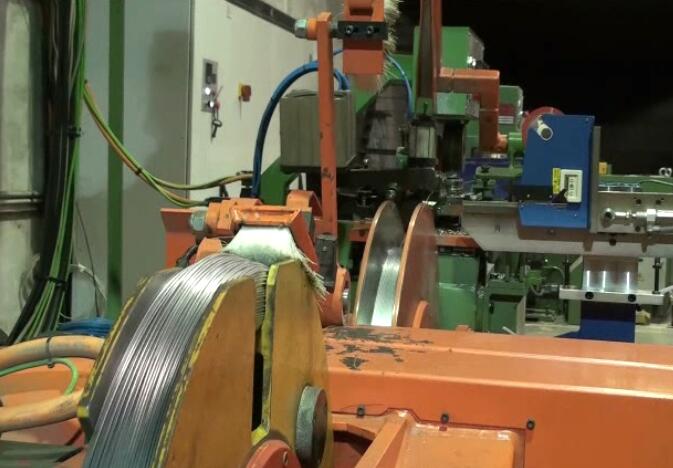
1. Identifying Key Hazards in Steel Wire Strapping Operations
Understanding the specific dangers associated with high-risk environments is the first step to enhancing safety. Addressing these hazards directly will significantly improve worker safety and reduce the risk of accidents.
Key hazards include physical injuries from handling steel wire, mechanical failures of the machine, and environmental factors such as noise and dust. Mitigating these risks requires a multi-faceted approach.

Addressing Specific Hazards in Steel Wire Strapping
To effectively address the safety hazards, a detailed understanding of each potential risk is essential. This involves not only identifying the dangers but also implementing targeted strategies to mitigate them.
1.1. Physical Hazards: Preventing Injuries from Steel Wire
Steel wire, while strong and necessary for many applications, presents significant physical hazards.
-
Cuts and Lacerations: Sharp edges and broken wires can cause cuts.
-
Puncture Wounds: Handling the wire improperly can lead to puncture wounds.
-
Musculoskeletal Injuries: Repetitive motions and heavy lifting can cause strains and sprains.
To mitigate these physical hazards, consider the following measures:
-
Use of Personal Protective Equipment (PPE): Gloves, safety glasses, and protective clothing are essential.
-
Proper Training: Employees must be trained on safe handling techniques.
-
Ergonomic Practices: Implementing ergonomic workstations can reduce physical strain.
1.2. Mechanical Hazards: Reducing the Risk of Machine Failures
Mechanical failures can lead to unexpected and dangerous situations. Regular inspections and maintenance are crucial to preventing such incidents.
-
Machine Malfunctions: Unexpected stops or starts can cause injuries.
-
Component Failures: Worn or broken parts can lead to operational hazards.
-
Lack of Safety Guards: Missing or inadequate safety guards can expose workers to moving parts.
Prevention strategies include:
-
Regular Maintenance Schedules: Implement a schedule for routine inspections and maintenance.
-
Safety Checks: Conduct daily safety checks before operating the machine.
-
Upgrading Equipment: Replace outdated or unreliable components with modern, safer alternatives.
1.3. Environmental Hazards: Mitigating Noise, Dust, and Other Factors
The environment in which steel wire strapping machines operate can also pose significant risks.
-
Noise Pollution: Prolonged exposure to high noise levels can cause hearing damage.
-
Dust and Debris: Airborne particles can cause respiratory issues and eye irritation.
-
Poor Lighting: Inadequate lighting can increase the risk of accidents.
To address these environmental hazards:
-
Hearing Protection: Provide and enforce the use of earplugs or earmuffs.
-
Ventilation Systems: Install ventilation systems to remove dust and debris.
-
Improved Lighting: Ensure adequate lighting to improve visibility and reduce accidents.
1.4 Data Comparison of Hazards and Mitigation Strategies
Hazard Risk Level Mitigation Strategy Impact on Safety Physical (Steel Wire) High PPE, Training, Ergonomics Significant Injury Reduction Mechanical (Machine) Medium Regular Maintenance, Safety Checks, Upgrading Equipment Reduced Machine Failures Environmental (Noise) Medium Hearing Protection, Ventilation, Improved Lighting Improved Worker Well-being Environmental (Dust) Medium Hearing Protection, Ventilation, Improved Lighting Improved Worker Well-being Environmental (Lighting) Medium Hearing Protection, Ventilation, Improved Lighting Improved Worker Well-being By addressing each of these hazards with targeted strategies, a safer and more efficient high-risk environment can be achieved, ensuring the well-being of workers and the reliability of operations.
2. Implementing Advanced Safety Features in Steel Wire Strapping Machines
Integrating advanced safety technologies is essential for minimizing risks. These features provide additional layers of protection and can significantly reduce the likelihood of accidents.
Advanced features such as light curtains, emergency stop buttons, and automated shut-off systems are crucial for enhancing safety and preventing injuries in steel wire strapping machine operations.

operational safety Advanced Safety Features: A Deep Dive
To further enhance safety, implementing advanced technologies and designs is crucial. These enhancements not only protect workers but also improve the overall efficiency and reliability of the machines.
2.1 Light Curtains and Safety Sensors: Creating Protected Zones
Light curtains create a safety barrier around the machine, automatically stopping operation if the beam is interrupted. Safety sensors detect the presence of personnel and halt the machine, preventing accidental contact. These systems ensure that the machine only operates when the area is clear.
- Benefits
- Immediate shutdown prevents accidents
- Non-contact safety measure
- Enhanced worker confidence
2.2 Emergency Stop Buttons: Ensuring Rapid Response
Strategically placed emergency stop buttons allow for immediate machine shutdown in case of a malfunction or hazard. Easy access and clear labeling are crucial for quick activation. Regular testing ensures the buttons function correctly.
- Benefits
- Immediate cessation of operation
- Prevents escalation of incidents
- Simple and effective safety measure
2.3 Automated Shut-Off Systems: Preventing Overloads and Malfunctions
Automated shut-off systems monitor the machine’s operation and automatically shut down the system in response to overloads, overheating, or other malfunctions. This prevents damage to the machinery and reduces the risk of fire or other hazardous events.
- Benefits
- Prevents damage from overloads
- Minimizes the risk of overheating
- Enhances long-term machine reliability
2.4 Data-Driven Comparison: Manual vs. Automated Safety Features
Feature Manual Operation Automated Operation Safety Impact Safety Barrier Limited or None Light Curtains, Sensors Prevents Accidental Contact Emergency Stop Reliance on Manual Stop Immediate Shutdown Reduces Injury Risk During Malfunctions Overload Protection Manual Monitoring Automated Shut-Off Prevents Equipment Damage and Fire Hazards Temperature Control Manual Monitoring Automated Shut-Off Prevents Overheating and Component Failure 2.5 Ergonomic Design for Improved Worker Comfort
Ergonomic design plays a crucial role in minimizing physical strain and fatigue. Features like adjustable height settings, anti-vibration measures, and comfortable grips can improve worker well-being and reduce the risk of musculoskeletal disorders.
By integrating these advanced safety features, steel wire strapping machines can operate with significantly reduced risk, creating a safer and more productive operational safety environment.
3. Enhancing Worker Training and Competency
Comprehensive training is essential for ensuring workers understand the risks and can operate the machinery safely. Well-trained workers are more likely to follow safety protocols and respond effectively to emergencies.
Training should cover machine operation, hazard identification, emergency procedures, and maintenance tasks. Regular refresher courses are necessary to keep skills sharp.
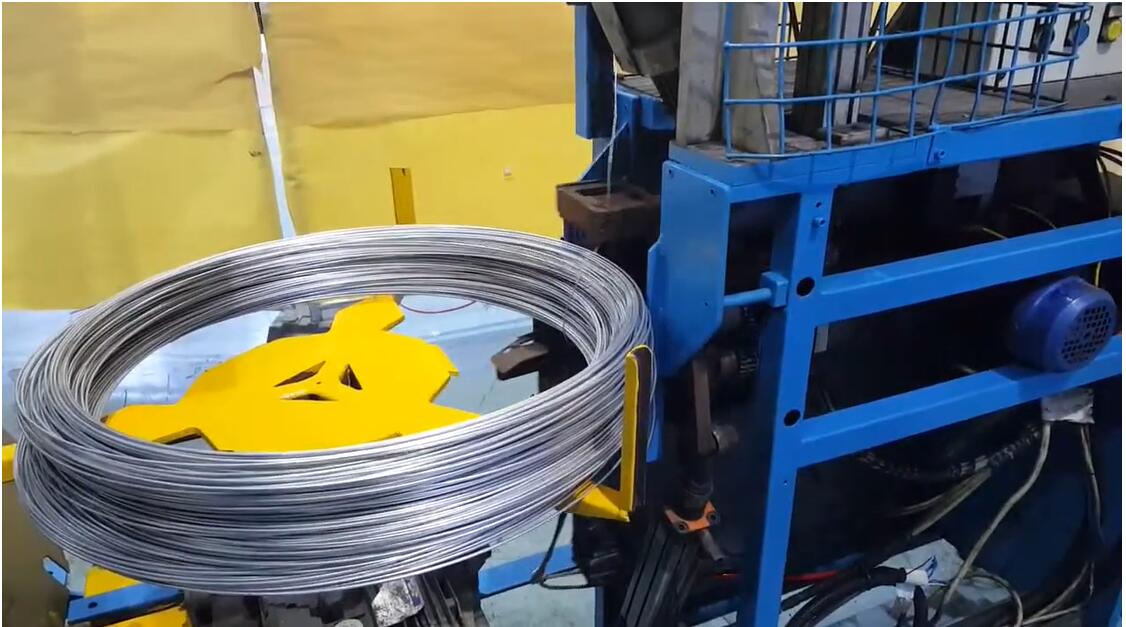
Steel wire strapping machine safety The Importance of Thorough Training Programs
Proper training is the backbone of any safety strategy. By equipping workers with the knowledge and skills they need, you can significantly reduce the risk of accidents and injuries.
3.1 Components of a Comprehensive Training Program
A thorough training program should cover all aspects of machine operational safety, including:
- Benefits
-
Machine Operation: Step-by-step instructions on how to operate the machine safely and efficiently.
-
Hazard Identification: Identifying potential hazards and understanding how to mitigate them.
-
Emergency Procedures: Knowing how to respond in case of a malfunction or accident.
-
Maintenance Tasks: Performing routine maintenance tasks to keep the machine in good working order.
-
Personal Protective Equipment (PPE): Proper use and maintenance of PPE.
3.2 Adapting Training to Different Skill Levels
Training programs should be tailored to the specific skill levels of the workers. New employees may require more in-depth training, while experienced workers may benefit from refresher courses that focus on new safety features or procedures.
3.3 The Role of Refresher Courses and Continuous Education
Safety standards and machine technology are constantly evolving. Refresher courses and continuous education programs ensure that workers stay up-to-date on the latest best practices.
3.4 Data on the Impact of Training Programs
Training Program Element Focus Area Impact on Safety Machine Operation Step-by-step procedures Reduced risk of operational errors Hazard Identification Recognizing and mitigating potential dangers Improved ability to prevent accidents Emergency Procedures Responding to malfunctions and accidents Quick and effective response to emergencies Maintenance Tasks Routine care and upkeep Prevention of equipment failure and safety hazards PPE Usage Proper use and maintenance of protective gear Minimized risk of physical injuries By investing in comprehensive training programs, companies can create a workforce that is knowledgeable, skilled, and committed to operational safety.
4. Promoting a Strong Safety Culture
Implementing safety measures and training programs is essential, but fostering a safety culture is what truly transforms workplace behavior.
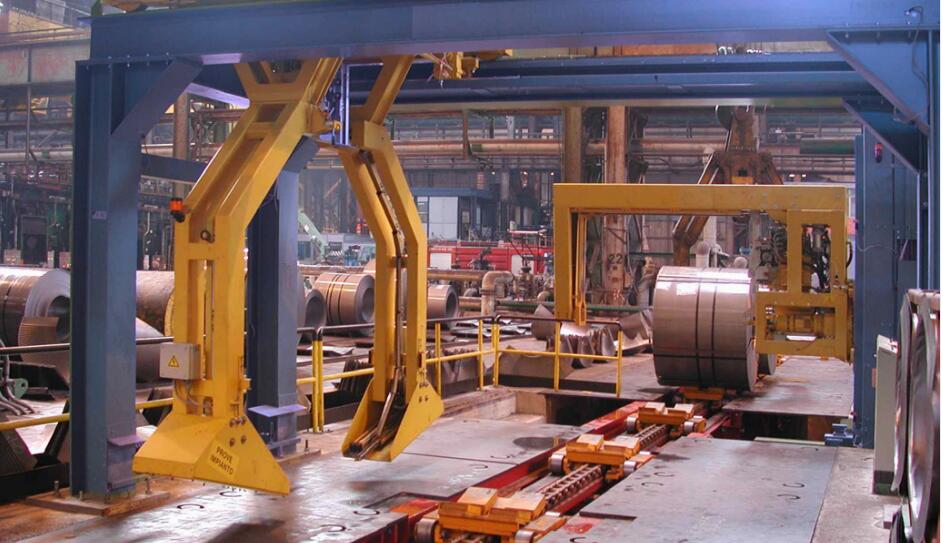
operational safety A strong safety culture involves continuous improvement, open communication, and visible management commitment. This encourages proactive safety behaviors.
Building a strong safety culture requires commitment at every level of the organization. By prioritizing safety and creating a supportive environment, companies can ensure the well-being of their workers and the long-term success of their operations. This commitment includes:
-
Leadership Buy-In: Management must visibly support and prioritize safety.
-
Open Communication: Encourage workers to report hazards without fear of reprisal.
-
Continuous Improvement: Regularly review safety practices and implement changes.
-
Employee Involvement: Engage workers in safety discussions and decision-making.
Conclusion
Prioritizing Steel wire strapping machine safety within high-risk environments isn’t merely about compliance; it’s about safeguarding your workforce and optimizing productivity. By integrating advanced safety features, reinforcing rigorous training, and championing a robust safety culture, businesses can greatly mitigate workplace hazards. Embracing these strategies not only minimizes risks but also enhances operational efficiency, ensuring long-term success.








