
How to Improve Steel Wire Rewinding Machine Durability in High-Vibration Environments?
Excessive vibration is a silent threat to machinery. Protecting your steel wire rewinding machines is essential. This article will guide you through the strategies to improve steel wire rewinding machine durability when operating in high-vibration conditions.
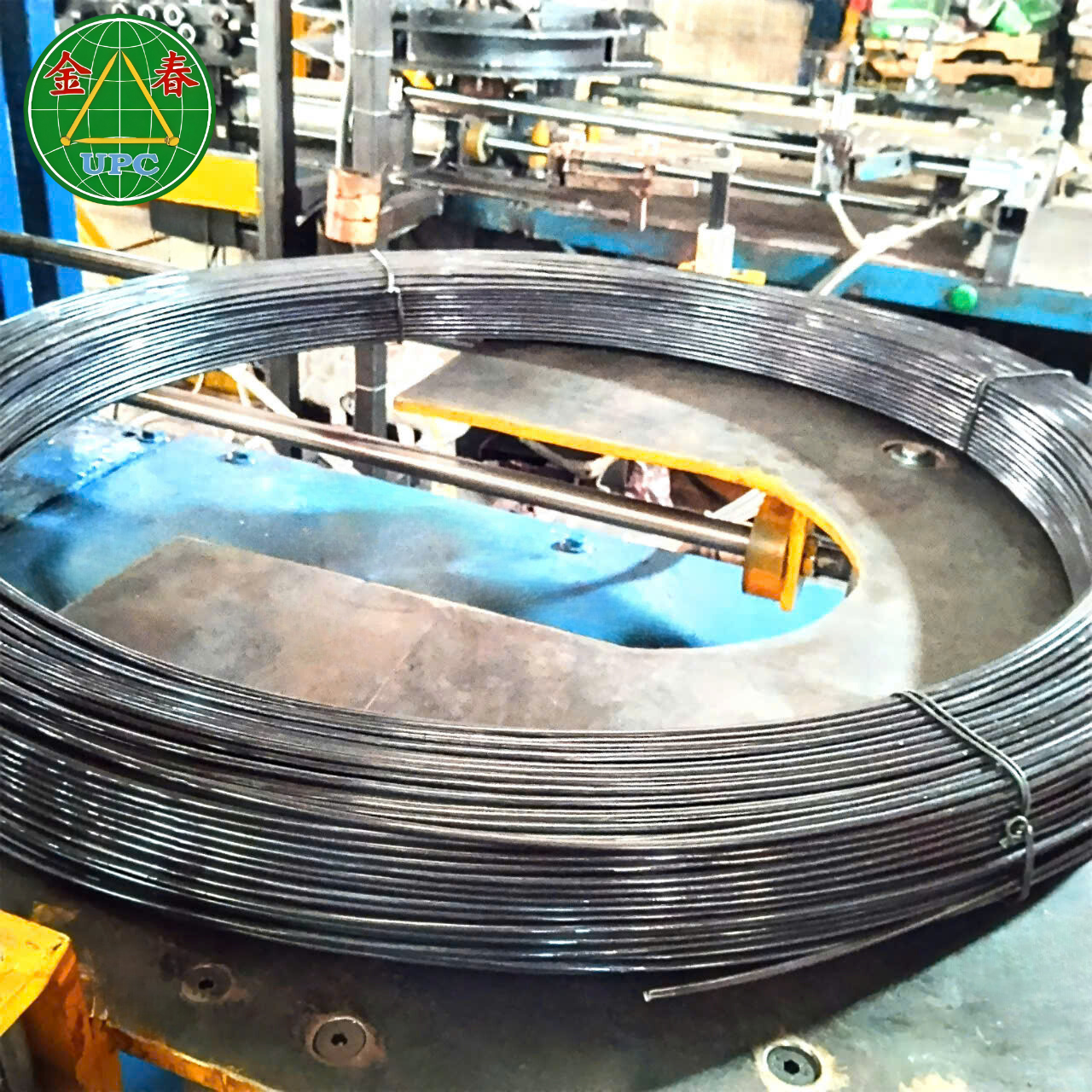
To improve steel wire rewinding machine durability in high-vibration environments, focus on vibration isolation, regular maintenance, precision balancing, and advanced alignment. Selecting appropriate materials and implementing proactive monitoring are also crucial for minimizing wear and extending machine lifespan.
Prolonging the lifespan of your equipment in high-vibration settings requires a comprehensive approach. Dive in as we break down key factors and actionable techniques to mitigate vibration’s damaging effects.
1. Understanding Vibration Sources in Rewinding Machines
Excessive vibration can lead to wear and tear, resulting in downtime and expensive repairs. Identifying and addressing the root causes of vibration is essential for high-vibration environments.
Vibration in steel wire rewinding machines operating in high-vibration environments often stems from imbalance, misalignment, looseness, and external factors. Identifying these sources allows for targeted solutions, such as precision balancing, laser alignment, and vibration isolation, to minimize wear and improve machine durability.
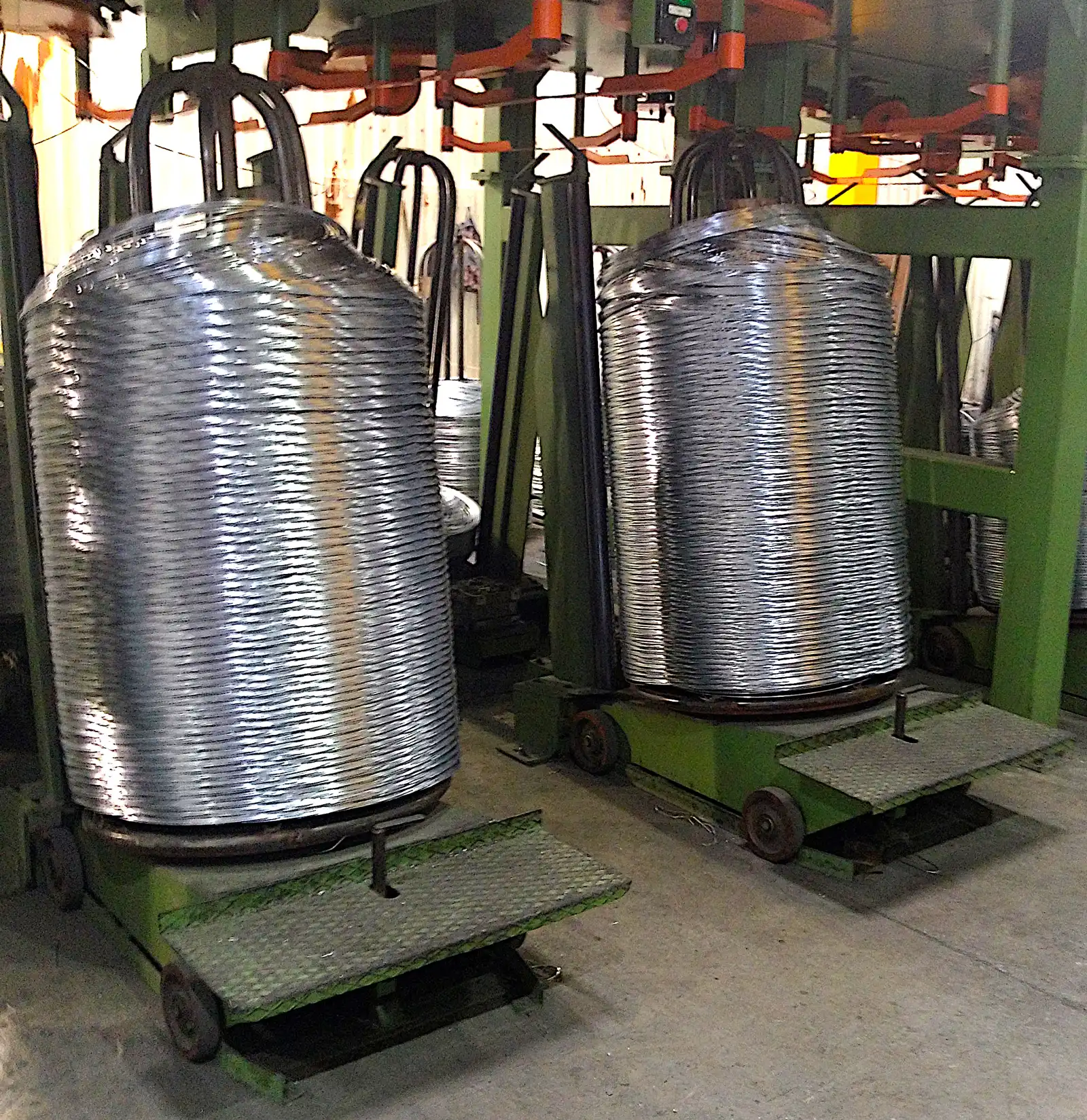
Deep Dive: Analyzing and Mitigating Vibration Sources
Understanding the origin and effects of vibration is the first step towards implementing effective control measures. Let’s explore the primary sources and their impact:
1. Imbalance in Rotating Components
Imbalance occurs when the mass distribution in rotating parts is uneven. This generates a centrifugal force that causes vibration, which can lead to bearing damage, increased energy consumption, and reduced lifespan of the machine. Addressing imbalance requires precision balancing techniques.
2. Misalignment of Shafts and Couplings
Misalignment between shafts and couplings introduces cyclic stresses on the bearings and other components. This leads to increased wear, elevated temperatures, and premature failure. Proper alignment, achieved through laser alignment tools, is critical for minimizing these effects.
3. Mechanical Looseness and Resonance
Looseness in connections and structural components allows for excessive movement, amplifying vibration. Resonance occurs when the machine’s natural frequency matches the excitation frequency, leading to dramatically increased vibration amplitudes. Tightening loose components and damping mechanisms can help control vibration.
4. External Environmental Factors
External sources of vibration, such as nearby machinery, seismic activity, or structural resonance in the building, can also contribute to machine vibration. Implementing vibration isolation measures and optimizing equipment placement can help mitigate these external influences.
To effectively address vibration, it is important to quantify the contribution of each source. Here’s a breakdown of common vibration sources and their typical frequency ranges in wire rewinding machines:
| Vibration Source | Frequency Range (Hz) | Potential Impact | Mitigation Strategy |
|---|---|---|---|
| Imbalance | 1-100 | Bearing wear, energy loss | Precision balancing |
| Misalignment | 10-200 | Increased wear, elevated temperatures | Laser alignment |
| Looseness | 50-500 | Amplified vibration, structural damage | Regular tightening, structural reinforcement |
| Resonance | Varies | Excessive vibration, component failure | Damping mechanisms, frequency tuning |
| External Environmental Sources | <50 | Transmission of vibration through structure | Vibration isolation, equipment relocation |
By analyzing the frequency spectrum of the vibration, engineers can identify the dominant sources and implement targeted mitigation strategies. Regular inspections, coupled with advanced diagnostic tools, play a key role in maintaining optimal machine performance and durability.
2. Balancing and Alignment: Precision Techniques
Precision balancing and advanced alignment are crucial for minimizing vibration and ensuring smooth operation of steel wire rewinding machines. These techniques reduce wear and tear, enhance efficiency, and extend the lifespan of equipment.
Precision balancing ensures even weight distribution in rotating components, while advanced alignment correctly positions machinery parts relative to each other. These practices minimize friction, reduce energy loss, prevent premature failure, and create a safer working environment.

Techniques and Technologies
Several techniques can be employed to achieve precision balance and alignment:
1. Static Balancing
Static balancing involves balancing a component in a stationary state. It is commonly used for parts like rollers, where the center of gravity needs to be aligned with the axis of rotation. The goal is to ensure that the component does not exhibit any rotational tendency when placed at rest.
2. Dynamic Balancing
For components operating at high speeds, dynamic balancing is essential. This technique balances parts while they are in motion, ensuring stability at operational speeds. It addresses not only static imbalance but also dynamic imbalances that arise due to the component’s geometry and material properties.
3. Laser Alignment
Laser alignment tools provide highly accurate measurements, making the alignment process more precise and efficient. Laser beams are used to determine the relative positions of shafts and couplings, allowing for adjustments to minimize misalignment.
4. Vibration Analysis
Vibration analysis involves measuring and analyzing the vibration levels of machinery components. This helps identify imbalances and misalignments that may not be apparent through visual inspection. The data collected can be used to optimize balancing and alignment procedures.
| Technique | Description | Application | Benefits |
|---|---|---|---|
| Static Balancing | Balancing component in stationary state | Low-speed rotating components (e.g., rollers) | Ensures center of gravity aligns with axis of rotation, reduces static imbalance |
| Dynamic Balancing | Balancing component in motion | High-speed rotating components (e.g., drums) | Ensures stability at operational speeds, addresses both static and dynamic imbalances |
| Laser Alignment | Using laser beams for accurate measurements | Shafts, couplings | Minimizes misalignment, reduces friction and wear, extends lifespan |
| Vibration Analysis | Measuring and analyzing vibration levels | All components | Identifies imbalances and misalignments, optimizes balancing and alignment procedures |
By incorporating these techniques into regular maintenance routines, operators can ensure smoother operations, enhance efficiency, and significantly extend the life of their equipment, ultimately contributing to a more reliable and productive industrial environment.
3. Vibration Isolation and Damping: Minimizing Transmission
Vibration isolation is a crucial strategy for controlling and minimizing the transmission of vibrations in steel wire rewinding machine durability. By effectively isolating vibrations, you can protect both your equipment and its surroundings.
To enhance steel wire rewinding machine durability in high-vibration environments, use vibration isolators like elastomeric, spring, or air isolators. These components minimize vibration transmission, reducing stress and wear on the machine and surrounding structures.
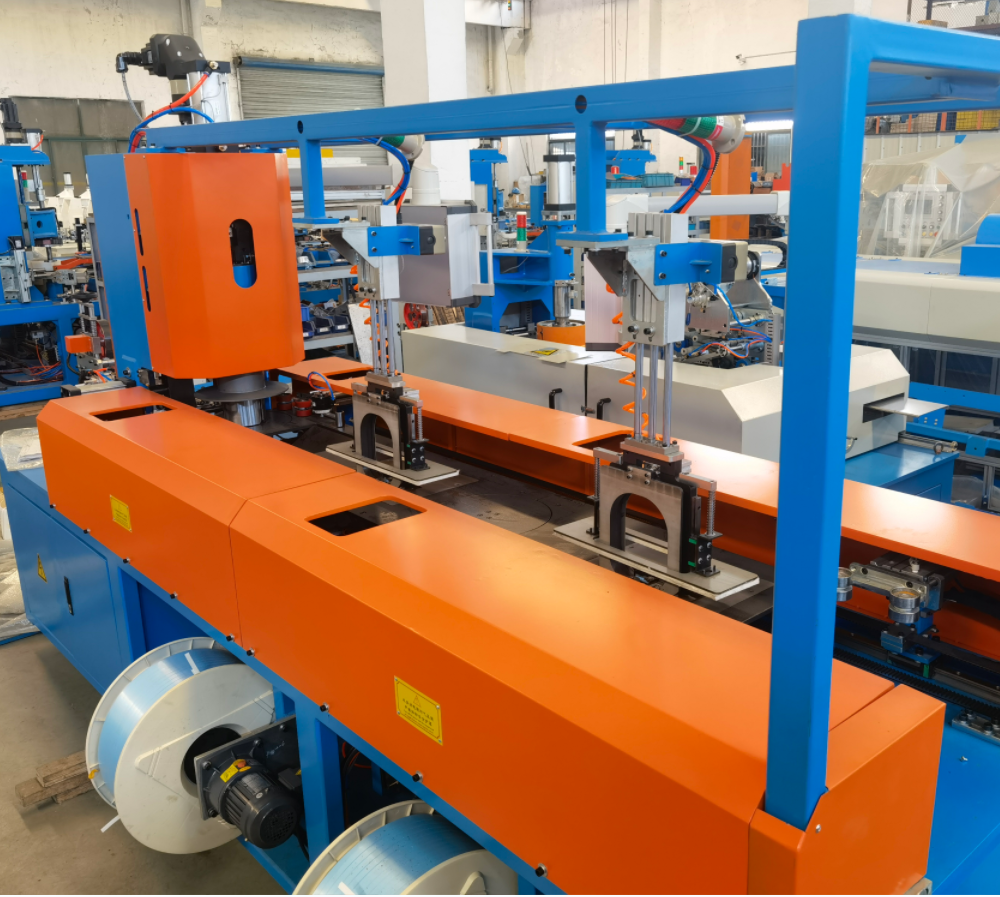
Maximizing Vibration Isolation: A Technical Overview
Understanding the various types of isolators and their effective implementation is crucial for minimizing vibration transmission.
1. Elastomeric Isolators
Elastomeric isolators, made from rubber or other elastomeric materials, absorb vibrations and dampen noise. They are versatile and widely used in applications ranging from small machinery to large industrial equipment. Their ability to deform and recover quickly makes them ideal for absorbing impact and vibration.
2. Spring Isolators
Utilizing metal springs, these isolators provide excellent load-bearing capabilities and are ideal for heavy machinery. They offer significant vibration reduction and are often used in HVAC systems, generators, and large compressors. Spring isolators work by converting kinetic energy into potential energy stored in the spring.
3. Air Isolators
These isolators use air springs to cushion vibrations. They are highly effective in reducing high-frequency vibrations and are often employed in precision manufacturing environments where minimal vibration is critical. Air isolators offer adjustable damping characteristics, allowing for fine-tuning of vibration control.
| Isolator Type | Material | Load Capacity | Frequency Range | Application |
|---|---|---|---|---|
| Elastomeric Isolators | Rubber, Elastomeric Materials | Low to Medium | High-Frequency | Small Machinery, General Purpose |
| Spring Isolators | Metal Springs | High | Low-Frequency | Heavy Machinery, HVAC Systems |
| Air Isolators | Air Springs | Medium to High | High-Frequency | Precision Manufacturing, Sensitive Equipment |
Damping Techniques
Incorporating damping mechanisms within the machine itself can significantly reduce vibration. Adding mass to the machine, applying damping materials, or employing tuned mass dampers are effective techniques. These mechanisms help dissipate energy and reduce the amplitude of vibrations.
4. Material Selection and Maintenance Strategies

Selecting the right materials and implementing effective maintenance strategies are crucial for improving machine durability.
Focus on high fatigue strength, corrosion resistance, and regular inspections. Use proper lubricants and monitor equipment conditions to enhance steel wire rewinding machine durability, minimizing wear and extending the lifespan of the equipment.
Maintenance strategies are very important for [Collection]
Conclusion
Improving steel wire rewinding machine durability in high-vibration environments demands a multifaceted approach. By understanding vibration sources, implementing precision balancing and alignment, utilizing vibration isolation and damping, and focusing on material selection and maintenance strategies, you can significantly extend the lifespan and reliability of your equipment.








