
How to Improve Steel Wire Coiling Machine Efficiency in Multi-Product Distribution Centers?
Efficient steel wire coiling is crucial for multi-product distribution centers, impacting productivity and order fulfillment. Optimizing the coiling process requires careful consideration of various factors, from machine selection to workflow design, ensuring smooth operations. Improving productivity improvements boosts overall efficiency.
To improve steel wire coiling machine efficiency in multi-product distribution centers, focus on optimizing machine setup, implementing efficient material handling, utilizing automation where possible, and conducting regular maintenance. Streamlining these processes reduces downtime and maximizes output.
In today’s fast-paced industrial world, the ability to efficiently manage and distribute a wide array of products is paramount. Let’s explore practical strategies to enhance the performance of steel wire coiling machines.
Optimizing Machine Selection for Multi-Product Handling
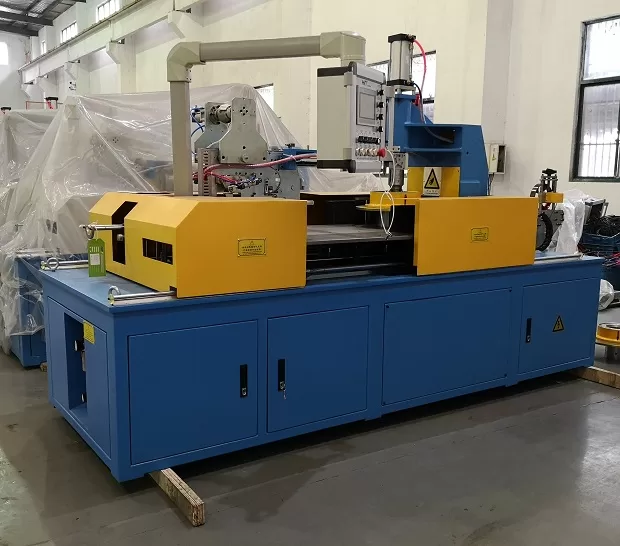
Selecting the right coiling machine is the foundation for achieving optimal efficiency in a multi-product distribution center. Consider factors like wire diameter, coil dimensions, and weight to make an informed decision. Matching machine capabilities to product requirements streamlines operations.
Choosing the correct steel wire coiling machine involves assessing wire diameter ranges, coil size variability, material types, and automation capabilities. Machines should be versatile enough to handle different products efficiently while maintaining precision and minimizing changeover times. Investing in adaptable machinery ensures long-term productivity.
Now that we have the right machine selected, how do we optimize it?
Evaluating Coiling Machine Types
Different coiling machines cater to specific needs. Understanding their capabilities helps in making the right choice.
Wire Coiling Machines
Ideal for manufacturing wire ropes and cable assemblies, these machines handle a wide range of diameters and thicknesses.
Tube Coiling Machines
Designed for copper, aluminum, and stainless steel tubing, these machines produce coils with varying wall thicknesses and lengths.
Strip Coiling Machines
Used for metal and plastic strips, these machines produce coils with diverse widths and thicknesses.
Spring Coiling Machines
Typically CNC-controlled, these machines manufacture springs with precise dimensions and shapes.
Capacity and Weight Considerations
Coiling machines are categorized by capacity: light, medium, and heavy duty.
- Light Duty: For smaller volumes and lighter materials, commonly used in electronic components.
- Medium Duty: Handles larger volumes, producing cables, wire harnesses, and automotive components.
- Heavy Duty: Designed for heavy industrial applications, producing steel cable and wire rope.
Key Factors in Machine Selection
Choosing the right machine involves considering several crucial factors:
- Wire Diameter: The machine must accommodate the range of wire diameters used.
- Coil Dimension: The machine must handle the required coil dimensions.
- Weight of the Coil: The machine’s capacity must match the coil’s weight.
- Coil Winding Method: The machine should support the appropriate winding method, balancing speed and torque.
| Factor | Light Duty | Medium Duty | Heavy Duty |
|---|---|---|---|
| Wire Diameter | Up to 5mm | 5mm – 20mm | 20mm+ |
| Coil Weight | Up to 10 kg | 10 kg – 200 kg | 200 kg+ |
| Applications | Electronic components, small coils | Cables, automotive parts, wire forms | Steel cables, industrial applications |
| Production Speed | Lower | Medium | Higher |
To optimize machine selection, assess the product range, volume, and specific requirements. Balancing machine capabilities with operational needs maximizes efficiency and reduces costs. Regular evaluations ensure the selected machines continue to meet evolving demands, supporting sustainable and productive operations.
Streamlining Material Handling for Faster Turnaround
Efficient material handling is essential for maximizing steel wire coiling machine efficiency in multi-product distribution centers. Proper organization, storage, and transport of materials reduce downtime and bottlenecks. Optimizing the material flow ensures smoother operations and faster turnaround times.
Efficient material handling minimizes downtime and maximizes throughput. Implement strategies such as optimized layout, automated transport systems, and clear labeling to reduce delays. Investing in proper storage solutions and training employees in efficient handling techniques enhances productivity and ensures smooth operations.

What Material Handling Strategies will produce faster turnarounds?
Optimizing Layout and Workflow
Efficient material handling begins with a well-designed layout and workflow.
Strategic Placement of Equipment
Positioning coiling machines near raw material storage and downstream processing areas minimizes transport distances.
Clear Traffic Lanes
Designating clear traffic lanes for forklifts and other transport equipment reduces congestion and accidents.
Ergonomic Workstations
Creating ergonomic workstations reduces worker fatigue and improves efficiency.
Automating Material Transport
Automation can significantly enhance material handling efficiency.
Conveyor Systems
Automated conveyor systems transport materials quickly and reliably between different processing stages.
Automated Guided Vehicles (AGVs)
AGVs navigate the distribution center autonomously, delivering materials where needed.
Robotic Loading and Unloading
Robots automate the loading and unloading of materials, reducing manual labor and speeding up the process.
Implementing Effective Storage Solutions
Proper storage solutions protect materials and make them easily accessible.
Vertical Storage Systems
Vertical storage systems maximize space utilization and improve inventory management.
Pallet Racking
Well-organized pallet racking systems allow for easy retrieval of materials.
Clear Labeling and Identification
Labeling materials clearly ensures quick and accurate identification, reducing errors and delays.
| Strategy | Benefits | Implementation |
|---|---|---|
| Strategic Equipment Placement | Minimized transport distances, reduced congestion | Analyze material flow, position machines strategically |
| Automated Transport Systems | Faster material movement, reduced manual labor | Invest in conveyor systems, AGVs, robotic loading/unloading |
| Vertical Storage Systems | Maximized space utilization, improved inventory management | Install vertical storage units, organize materials effectively |
| Clear Labeling and Identification | Quick material identification, reduced errors | Implement a labeling system, train employees on proper labeling procedures |
By implementing these strategies, distribution centers can streamline material handling, reduce downtime, and improve overall efficiency. A well-organized and automated material handling system supports faster turnaround times and more productive operations.
Leveraging Automation to Maximize Throughput
Automation is a game-changer for improving steel wire coiling machine efficiency in multi-product distribution centers. Automating repetitive tasks reduces human error, increases speed, and boosts overall throughput. Integrating automated systems enhances productivity and ensures consistent quality.
Implementing automation in steel wire coiling processes can significantly improve efficiency by reducing manual labor, minimizing errors, and increasing speed. Robotic coil handling, automated tension control, and computerized quality checks can enhance throughput and ensure consistent quality. Strategic automation optimizes the entire coiling workflow.

What are the benefits of automation in production?
Robotic Coil Handling
Robots can automate the loading, unloading, and transfer of steel coils, reducing manual labor and speeding up the process.
Automated Loading
Robots load coils onto the coiling machine quickly and accurately.
Automated Unloading
Robots unload finished coils, reducing downtime and preventing bottlenecks.
Automated Transfer
Robots move coils between different processing stages efficiently.
Automated Tension Control
Maintaining consistent tension during coiling is crucial for quality. Automated tension control systems ensure uniform winding and prevent defects.
Closed-Loop Feedback
Sensors monitor tension in real-time, and the system adjusts parameters automatically.
Programmable Tension Profiles
Users can define tension profiles for different materials and coil types.
Automatic Adjustments
The system automatically adjusts tension to compensate for variations in wire diameter or material properties.
Computerized Quality Checks
Automated quality checks ensure that each coil meets the required specifications.
Vision Systems
Vision systems inspect coils for defects such as incorrect winding patterns or surface imperfections.
Dimensional Measurement
Laser scanners or other measurement devices verify that coil dimensions are within tolerance.
Data Logging
The system records quality data for each coil, allowing for traceability and process optimization.
The Impact of Automation on Production Metrics
| Metric | Manual Operation | Automated Operation | Improvement |
|---|---|---|---|
| Production Speed | 10 coils/hour | 50 coils/hour | 400% |
| Error Rate | 5% | 0.1% | 98% |
| Labor Costs | \$50/hour | \$10/hour | 80% |
| Material Waste | 3% | 0.5% | 83% |
Implementing automation transforms steel wire coiling processes, leading to significant improvements in speed, accuracy, and cost-effectiveness. Strategic automation, combining robotic handling, automated tension control, and computerized quality checks, maximizes throughput and ensures consistent quality in multi-product distribution centers.
Implementing a Preventative Maintenance Schedule
Regular maintenance is crucial for sustaining steel wire coiling machine efficiency in multi-product distribution centers. A well-structured preventative maintenance schedule minimizes downtime, extends machine lifespan, and prevents costly repairs. Proactive maintenance ensures consistent and reliable performance.
A comprehensive preventative maintenance schedule includes regular inspections, lubrication, parts replacement, and performance testing. This proactive approach minimizes downtime, extends machine lifespan, and prevents costly breakdowns. Consistent maintenance ensures reliable and efficient coiling operations, maximizing productivity.

Regular Inspections
Regular inspections identify potential problems before they escalate.
Visual Inspections
Check for signs of wear, damage, or misalignment.
Component Checks
Inspect critical components such as rollers, bearings, and tensioners.
Safety Checks
Ensure that safety guards and emergency stop mechanisms are functioning correctly.
Lubrication
Proper lubrication reduces friction and wear, extending the lifespan of machine components.
Scheduled Lubrication
Follow the manufacturer’s recommended lubrication schedule.
Correct Lubricants
Use the appropriate lubricants for each component.
Automatic Lubrication Systems
Consider installing automatic lubrication systems for continuous and consistent lubrication.
Parts Replacement
Replace worn or damaged parts to prevent breakdowns.
Scheduled Replacement
Replace parts based on usage or time intervals.
Critical Parts Inventory
Maintain an inventory of critical parts to minimize downtime.
Performance Testing
Regular performance testing verifies that the machine is operating within specifications.
Calibration
Calibrate sensors and control systems to ensure accurate measurements.
Functional Testing
Test all machine functions to identify any performance issues.
Preventative maintenance maximizes machine lifespan, reduces downtime, and improves overall efficiency. By following a structured maintenance schedule and investing in regular inspections, lubrication, parts replacement, and performance testing, distribution centers can ensure consistent and reliable coiling operations.
Optimizing Operations and Training
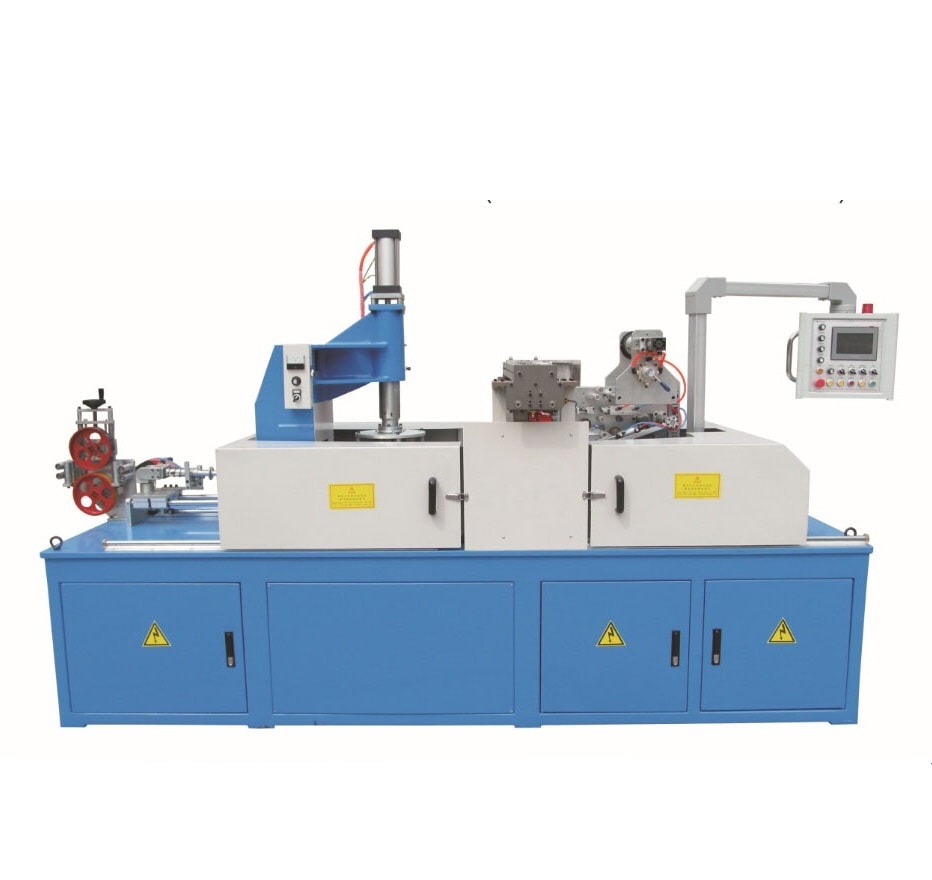
Improve efficiency through a range of best practices that ensure machines perform at their peak while minimizing waste and downtime.
Standardized Procedures
Established guidelines help maintain quality and minimize errors. These might include standardized operating procedures, changeover checklists, and troubleshooting guides.
Changeover Efficiency
Reduce steel wire coiling machine efficiency times with quick-release mechanisms, pre-set parameters, and modular tooling. Optimizing setups is key.
Operator Training
Training is vital to running high quality production. Proper safety training, operation training, and routine maintenance are a must.
By implementing optimized standards the overall through put will improve immensely.
Conclusion
Improving steel wire coiling machine efficiency is vital for multi-product distribution centers. Optimizing machine selection, streamlining material handling, leveraging automation, and implementing a preventative maintenance schedule can significantly enhance productivity. Consistent improvements and training programs maintain efficient and reliable coiling operations, while enabling companies to meet the high demands of a modern manufacturing landscape.








