
How to Improve PVC Pipe Bagging Machine Efficiency in Low-Light Environments?
Operating PVC pipe bagging machines in low-light conditions presents unique challenges. Maintaining peak efficiency requires careful attention to lighting, machine setup, and operator training to ensure consistent output and minimize errors.
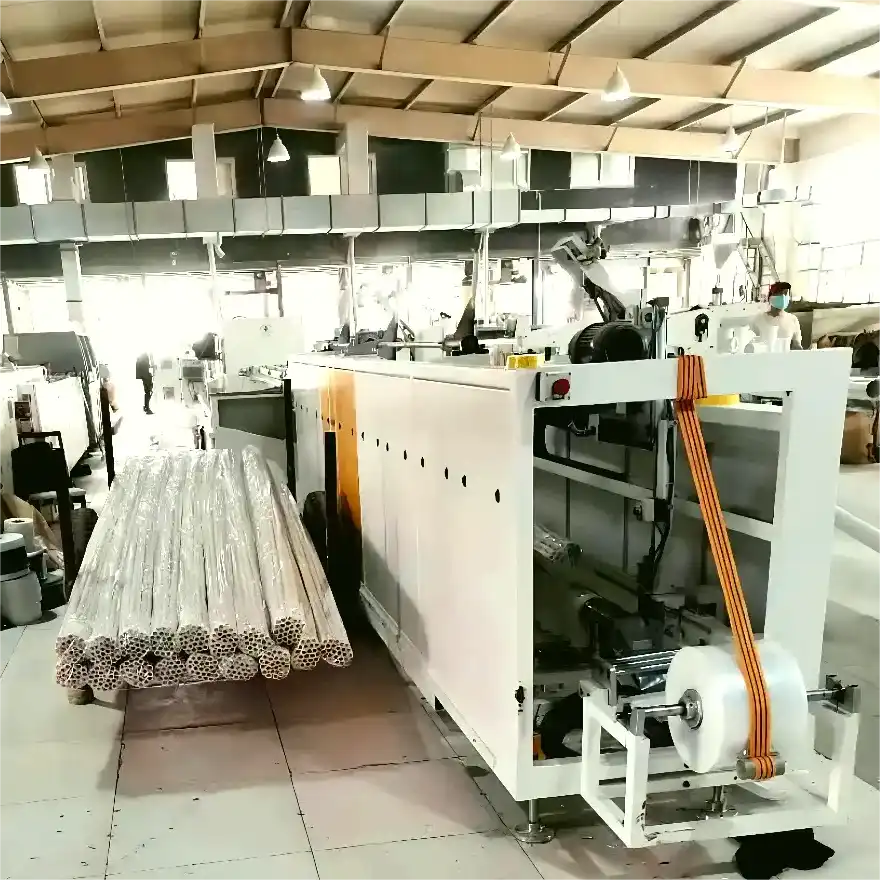
To improve PVC pipe bagging machine efficiency in low-light, prioritize enhanced lighting around the machine, use high-contrast markings on controls, and provide comprehensive operator training focusing on visibility challenges. Implement regular visual inspections, and consider automated quality control systems to maintain output quality.
Low-light environments can significantly hamper operational efficiency. Let’s explore actionable strategies to combat these challenges and ensure your PVC pipe bagging operations run smoothly and productively, even when illumination is limited.
1. Enhancing Visibility Through Optimized Lighting Solutions
Optimized lighting is paramount for ensuring operator accuracy and safety when operating PVC pipe bagging machines in low-light conditions. Proper illumination reduces eye strain and improves overall operational efficiency.
To enhance visibility around PVC pipe bagging machines in low-light, install adjustable LED lighting focused on critical areas like controls, sealing mechanisms, and pipe infeed/outfeed points. Ensure even light distribution to minimize shadows and glare, reducing operator fatigue and improving precision.
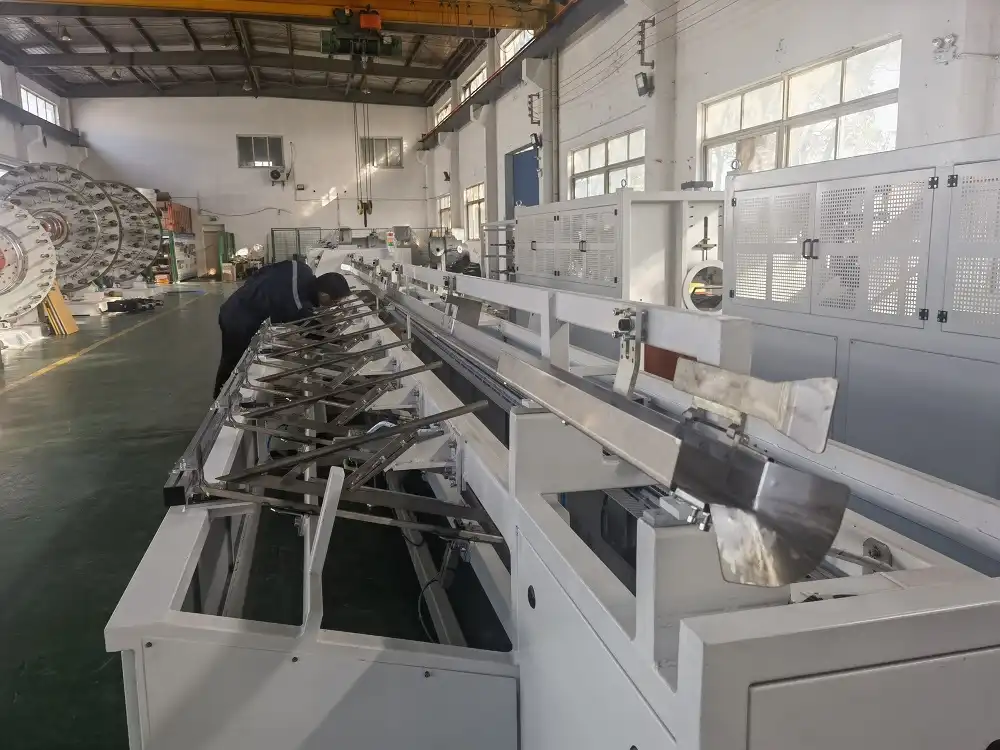
Overcoming Lighting Challenges: A Detailed Examination
Low-light environments present a myriad of challenges that can significantly impact the efficiency of PVC pipe bagging machines. These challenges extend beyond simple visibility issues and encompass aspects like operator fatigue, error rates, and overall safety. A detailed examination of these challenges, coupled with targeted solutions, is crucial for maintaining optimal performance.
Targeted Lighting Strategies
Implementing the right lighting strategy is not simply about increasing the overall brightness of the workspace. It’s about strategically placing light sources to address specific visibility challenges.
- Task Lighting: Position adjustable task lights directly at critical points of operation, such as the sealing mechanism, control panel, and pipe infeed/outfeed areas. This allows operators to focus light where it’s needed most.
- Diffused Lighting: Utilize diffused light sources to minimize harsh shadows and glare. Diffusers scatter light evenly, creating a more comfortable and less fatiguing work environment.
- Color Temperature: Opt for LED lights with a color temperature in the “neutral white” range (around 4000K). This color temperature provides good visibility without causing excessive eye strain.
The Impact of Poor Lighting: A Quantifiable Perspective
To truly understand the impact of poor lighting, let’s examine how it affects key performance indicators (KPIs) in PVC pipe bagging operations.
| KPI | Poor Lighting Scenario | Optimized Lighting Scenario | Potential Improvement |
|---|---|---|---|
| Error Rate | Higher – Misalignment of pipes, improper sealing, incorrect counts. | Lower – Improved visibility reduces errors in pipe placement and sealing. | 20-30% |
| Throughput | Slower – Operators work more cautiously due to limited visibility. | Faster – Increased confidence and reduced eye strain improve speed. | 10-15% |
| Operator Fatigue | Higher – Eye strain and discomfort lead to reduced focus. | Lower – Comfortable lighting reduces fatigue and improves alertness. | 25-35% |
| Material Waste | Higher – Damaged or improperly sealed bags increase waste. | Lower – Fewer errors result in less waste of bags and PVC pipes. | 15-20% |
| Downtime (Incidents) | Higher – Increased risk of accidents due to poor visibility. | Lower – Safer work environment reduces the likelihood of incidents. | Significant |
As the table illustrates, optimized lighting can significantly improve various aspects of PVC pipe bagging operations. The reduction in error rates, increased throughput, and decreased operator fatigue directly translate to cost savings and improved profitability. Moreover, a safer work environment reduces the risk of costly accidents and downtime.
Integrating Lighting with Automation
In addition to improving visibility for operators, lighting can also be integrated with automated systems to enhance overall efficiency.
- Light Curtains: Use light curtains around the bagging machine to create a safety barrier. When the light beam is broken, the machine automatically stops, preventing accidents and ensuring operator safety.
- Automated Inspection Systems: Integrate cameras and lighting to automatically inspect bagged pipes for defects. This ensures consistent quality and reduces the need for manual inspection.
- Adaptive Lighting: Implement lighting systems that automatically adjust brightness based on ambient light levels. This ensures optimal visibility regardless of the time of day or external lighting conditions.
By strategically addressing lighting challenges and integrating lighting with automation, you can create a safer, more efficient, and more productive PVC pipe bagging operation.
2. Optimizing Machine Setup and Ergonomics for Low-Light Conditions
Machine setup and ergonomics play a crucial role in maximizing efficiency and minimizing strain on operators working with PVC pipe bagging machines, especially in environments with limited light.
To optimize PVC pipe bagging machines for low-light, use high-contrast labels on controls, adjust machine height for comfortable reach, and ensure adequate space for movement. Provide anti-fatigue mats and regularly assess operator comfort to minimize strain and improve productivity.
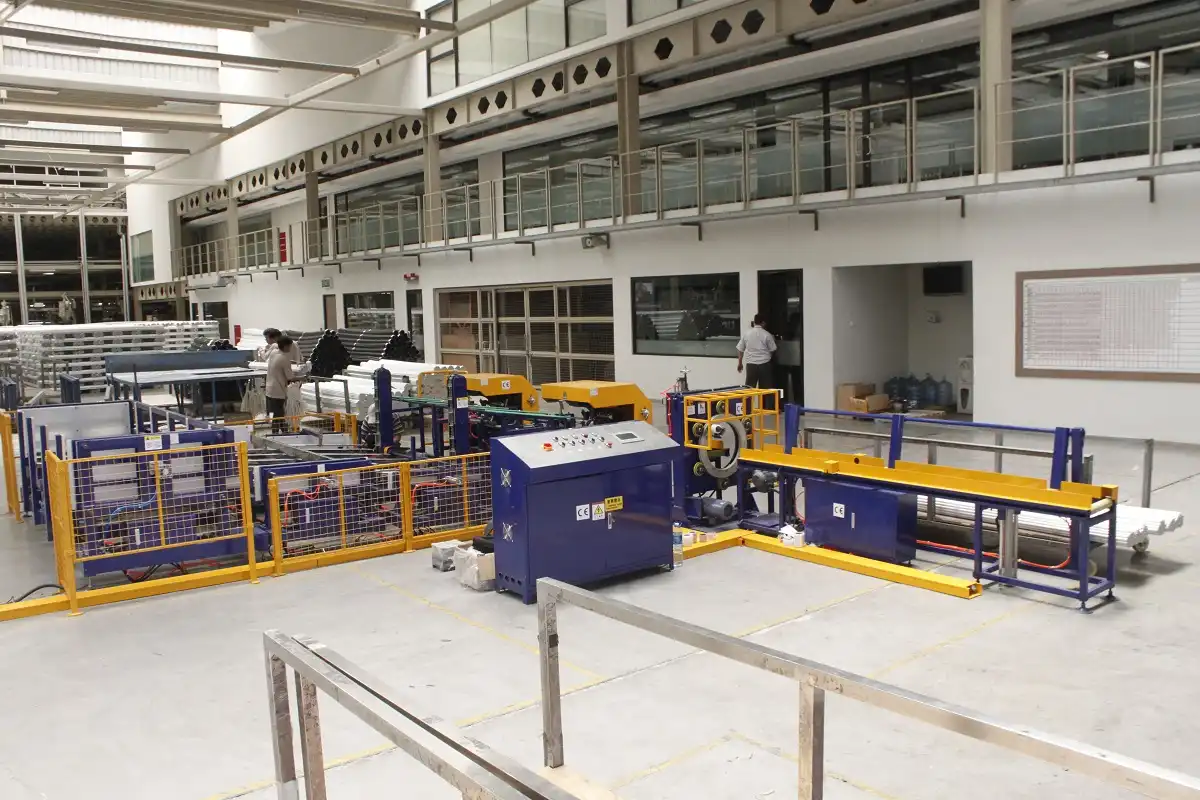
Enhancing Operator Comfort and Control: The Ergonomic Advantage
Ergonomics is more than just a buzzword; it’s a critical aspect of workplace design that directly impacts operator well-being, productivity, and safety. In low-light environments, where visibility is already compromised, the importance of ergonomic considerations is amplified.
Key Ergonomic Adjustments: A Practical Guide
- Adjustable Machine Height: Ensure that the bagging machine can be adjusted to accommodate operators of different heights. This reduces strain on the back, neck, and shoulders.
- Optimized Reach Zones: Design the workstation so that all frequently used controls and materials are within easy reach. Avoid excessive reaching, stretching, or twisting.
- Anti-Fatigue Matting: Provide anti-fatigue mats for operators to stand on. These mats cushion the feet and legs, reducing fatigue and improving circulation.
- Proper Seating (If Applicable): If operators are required to sit, provide adjustable chairs with good lumbar support.
- High-Contrast Labeling: Use high-contrast labels and markings on all controls and indicators. This makes it easier for operators to identify and operate the machine, even in low-light conditions.
- Regular Breaks: Encourage operators to take regular breaks to rest and stretch. This helps to prevent fatigue and repetitive strain injuries.
Technical Considerations for Ergonomic Design
Beyond the basic adjustments, there are several technical considerations that can further enhance the ergonomic design of PVC pipe bagging machines.
- Motion Analysis: Conduct a motion analysis study to identify and eliminate unnecessary movements. This can streamline the bagging process and reduce operator fatigue.
- Force Measurement: Measure the amount of force required to operate different controls and mechanisms. Reduce excessive force requirements to minimize strain.
- Vibration Analysis: Analyze the vibration levels of the machine and implement measures to reduce vibration exposure. Excessive vibration can lead to fatigue and discomfort.
By implementing these ergonomic adjustments and technical considerations, you can create a more comfortable, efficient, and safe working environment for your operators. This, in turn, leads to increased productivity, reduced error rates, and improved employee morale.
3. Implementing Advanced Quality Control Measures
Advanced quality control measures are essential for maintaining consistent output and minimizing errors in PVC pipe bagging, particularly when compounded by the challenges of low-light operation.
Implement automated inspection systems with clear visual feedback to maintain plastic packaging solutions quality in low-light. Use sensors to detect misalignments and sealing issues, triggering immediate alerts and corrective actions, ensuring that every bag meets required standards despite reduced visibility.
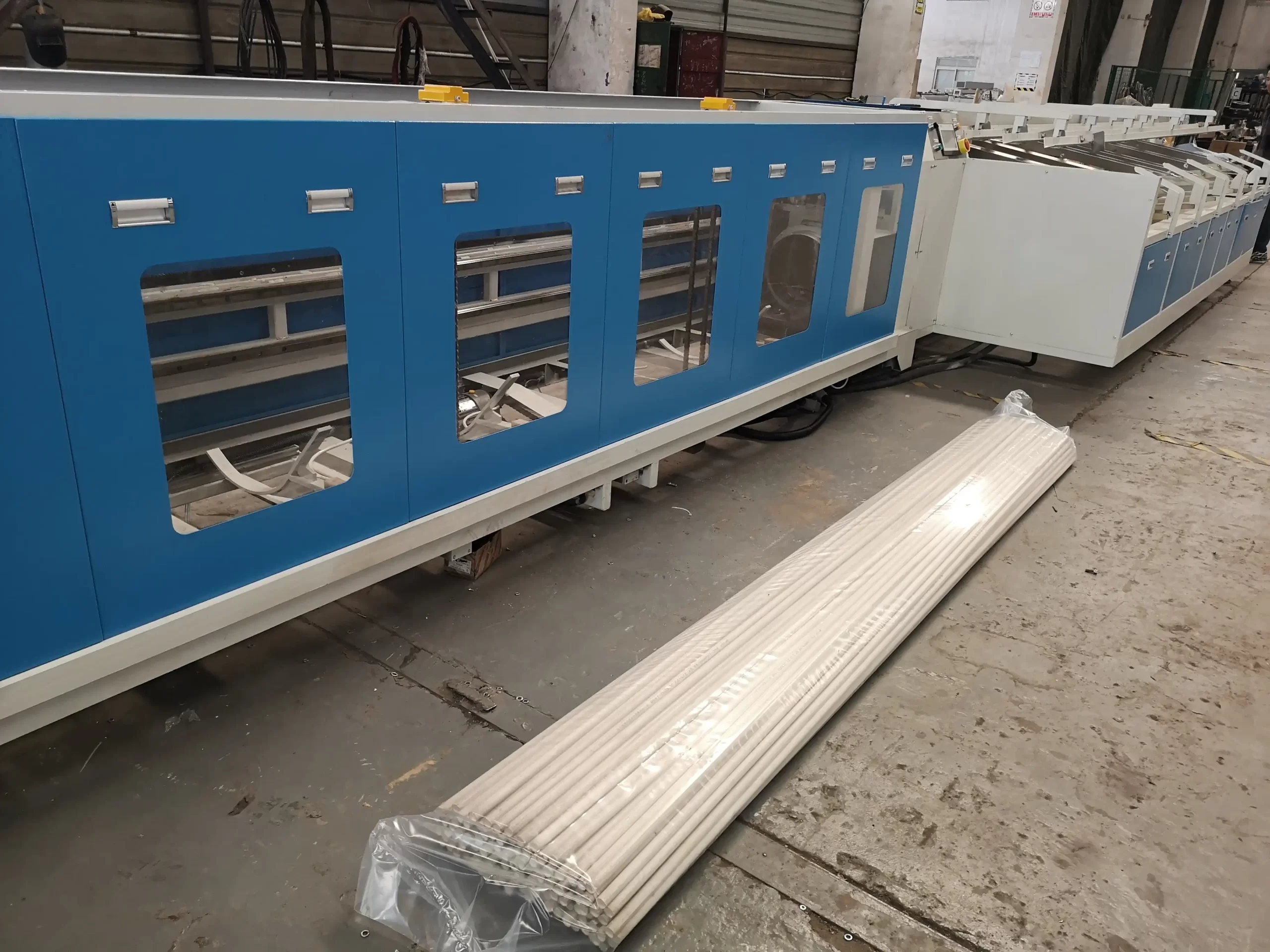
Maintaining Standards in Suboptimal Conditions: A Proactive Approach
Low-light conditions can significantly hinder visual inspection, leading to an increased risk of defects and inconsistencies in bagged PVC pipes. Implementing advanced quality control measures is crucial for proactively identifying and addressing these issues.
Key Components of an Advanced Quality Control System
- Automated Visual Inspection:
- Cameras: High-resolution cameras strategically positioned to capture images of bagged pipes from various angles.
- Image Processing Software: Software capable of analyzing images to detect defects such as misalignment, improper sealing, and incorrect counts.
- Lighting: Controlled lighting to ensure consistent image quality, even in low-light conditions.
- Sensor Technology:
- Proximity Sensors: Detect the presence and position of pipes within the bag.
- Load Cells: Measure the weight of bagged pipes to ensure correct counts.
- Seal Integrity Sensors: Detect leaks or imperfections in the sealing process.
- Data Analysis and Reporting:
- Real-time Data Logging: Collect data from cameras and sensors to track production parameters and identify trends.
- Statistical Process Control (SPC): Use SPC charts to monitor process variations and identify potential problems before they lead to defects.
- Automated Reporting: Generate reports on key quality metrics, such as defect rates, throughput, and downtime.








