
How to Improve Pipe Bundling Machine Safety in Multi-Shift Warehouse Operations?
Ensuring the safety of pipe bundling machine operations across multiple shifts is crucial for warehouse efficiency and worker well-being. This involves implementing robust safety protocols, regular maintenance, and comprehensive training programs. Prioritizing these aspects can significantly reduce workplace accidents and improve overall productivity.
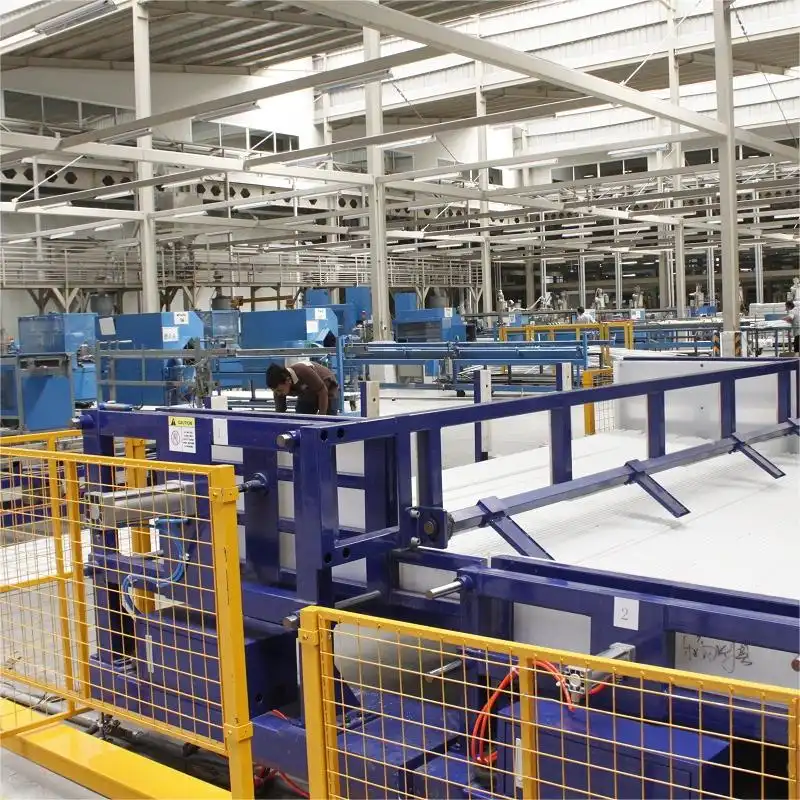
To improve pipe bundling machine safety in multi-shift operations, focus on enhanced training programs that address potential hazards. Also, implement regular equipment inspections and maintenance schedules. Finally, enforce strict adherence to safety protocols and use advanced safety technologies.
Multi-shift warehouse operations present unique challenges to maintaining a safe working environment. Let’s delve into the strategies and best practices to elevate safety standards where pipe bundling machines operate around the clock.
1. Enhancing Training Programs for Multi-Shift Teams
A well-trained workforce is the cornerstone of a safe operational environment, especially in multi-shift settings. Comprehensive training helps employees identify potential hazards and respond effectively to emergencies.
To enhance training programs, prioritize hands-on sessions, incorporate real-life scenarios, and ensure regular refresher courses. This will foster a culture of safety awareness and preparedness among all team members across every shift, reducing the risk of accidents.
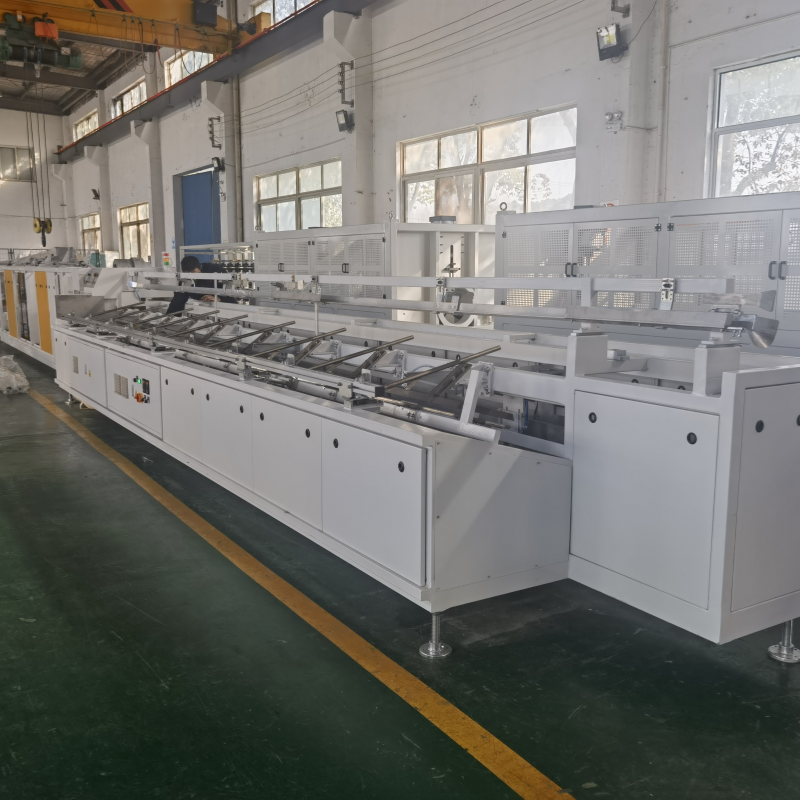
The Critical Components of Effective Training
Effective training programs must cover several key areas to ensure that all employees, regardless of their shift, are well-versed in safety procedures and machine operations. This includes detailed instruction on machine mechanics, emergency shutdown procedures, and hazard identification.
Detailed Machine Operation Training
All operators should receive thorough training on the specific pipe bundling machine they will be using. This training should cover:
-
Start-up and shut-down procedures: Proper steps for beginning and ending operations safely.
-
Normal operation: How to run the machine efficiently under standard conditions.
-
Troubleshooting: Basic problem-solving to address minor issues without risking safety.
Emergency Procedures and Safety Protocols
Training on emergency procedures is equally vital. This includes:
-
Emergency shutdown drills: Regular practice to ensure quick and correct responses in critical situations.
-
Evacuation plans: Clear understanding of evacuation routes and procedures in case of fire or other emergencies.
-
First aid and medical emergency protocols: Basic first aid training and knowledge of how to respond to injuries.
Hazard Identification and Risk Assessment
Workers should be trained to identify potential hazards and assess risks associated with machine operation. This includes:
-
Identifying pinch points and moving parts: Recognizing areas where injuries are most likely to occur.
-
Understanding material handling risks: Safe methods for loading and unloading pipes.
-
Awareness of environmental factors: How lighting, noise, and temperature can affect safety.
To better illustrate the importance of these training components, consider the following comparison:
Training Component Focus Benefit Machine Operation Efficient and safe machine usage Reduces downtime, minimizes errors, and prevents mechanical failures Emergency Procedures Quick and effective responses to crises Minimizes injury, prevents further damage, and ensures orderly evacuations Hazard Identification Recognizing and mitigating risks Prevents accidents, improves awareness, and fosters a safe workplace Leveraging Technology in Training
Incorporating technology into training programs can enhance engagement and retention. Virtual reality (VR) simulations can provide realistic experiences without the risk of physical harm, allowing employees to practice emergency procedures and troubleshoot problems in a safe environment. Online modules and interactive quizzes can also reinforce learning and provide a convenient way to update knowledge.
By investing in comprehensive and continuous training programs, warehouses can ensure that their multi-shift teams are well-prepared to operate pipe bundling machines safely and efficiently, reducing the likelihood of accidents and improving overall productivity.
2. Implementing Regular Equipment Inspections and Maintenance
Regular equipment inspections and maintenance are essential for preventing breakdowns and ensuring the safe operation of pipe bundling machines. Neglecting these aspects can lead to malfunctions, increasing the risk of accidents and downtime.
Establish a rigorous inspection schedule, conduct preventive maintenance, and keep detailed records of all checks and repairs. This will identify potential issues early, maintain machine reliability, and promote a safer working environment for multi-shift operations.
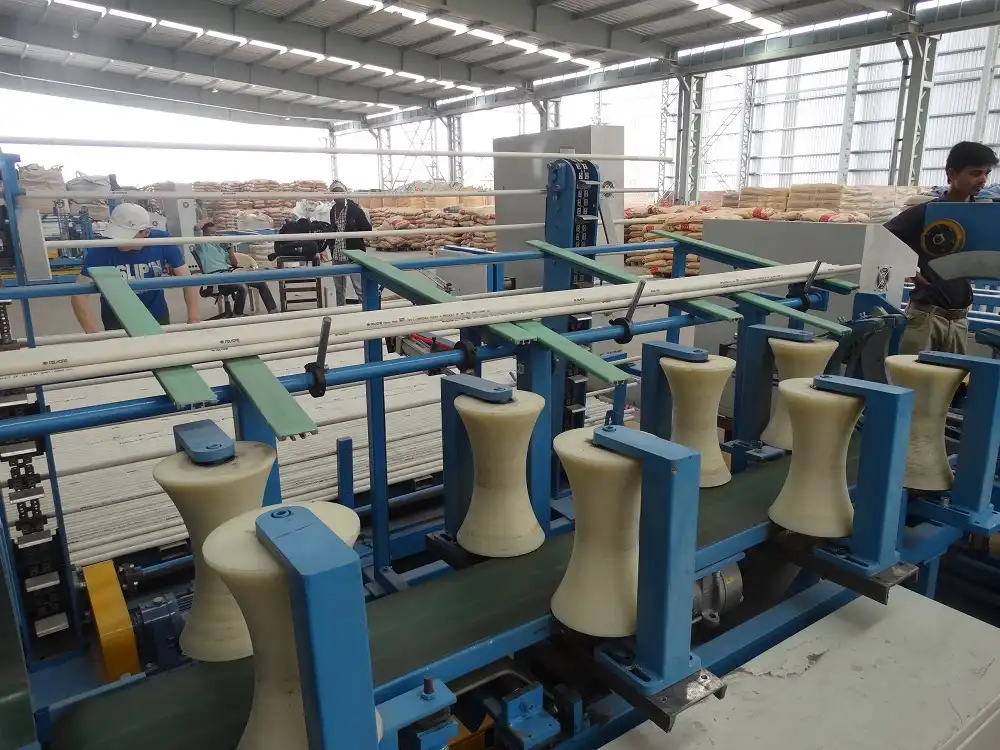
The Core Elements of a Robust Maintenance Program
A comprehensive maintenance program should encompass several key elements to ensure the reliability and safety of pipe bundling machines. These elements include preventive maintenance, scheduled inspections, and timely repairs.
Preventive Maintenance Strategies
Preventive maintenance involves regularly scheduled tasks designed to keep equipment in optimal condition and prevent unexpected failures. Key preventive measures include:
-
Lubrication: Regularly lubricating moving parts to reduce friction and wear.
-
Cleaning: Keeping the machine free from debris and contaminants that can cause malfunctions.
-
Tightening: Ensuring that all bolts, screws, and connections are securely fastened.
-
Component Replacement: Replacing worn or aging parts before they fail.
Scheduled Inspection Protocols
Regular inspections are crucial for identifying potential problems before they escalate into serious issues. Inspection protocols should include:
-
Visual Checks: Examining the machine for signs of damage, wear, or leaks.
-
Functional Tests: Verifying that all safety features, such as emergency stops and guards, are working correctly.
-
Performance Monitoring: Tracking machine performance metrics, such as speed, pressure, and temperature, to detect anomalies.
Timely Repair Procedures
When problems are identified, it is essential to address them promptly and effectively. Repair procedures should include:
-
Detailed Documentation: Recording all repairs and maintenance activities in a logbook or computerized maintenance management system (CMMS).
-
Qualified Technicians: Ensuring that repairs are performed by trained and certified technicians.
-
Quality Parts: Using only high-quality replacement parts that meet or exceed the original equipment manufacturer (OEM) specifications.
Here’s a table summarizing the importance of each element:
Maintenance Element Description Benefit Preventive Maintenance Regularly scheduled maintenance tasks Extends equipment lifespan, reduces downtime, and prevents unexpected failures Scheduled Inspections Regular checks for potential issues Identifies problems early, minimizes repair costs, and enhances safety Timely Repair Procedures Prompt and effective resolution of problems Restores equipment to optimal condition, prevents further damage, and ensures operational continuity Leveraging Technology for Maintenance
Modern technology can significantly enhance the effectiveness of maintenance programs. Sensors and monitoring systems can provide real-time data on machine performance, allowing for predictive maintenance and early detection of potential issues. CMMS software can streamline maintenance scheduling, track repair histories, and manage inventory of spare parts.
By implementing a well-structured and technology-driven maintenance program, warehouses can ensure that their pipe bundling machines operate safely and reliably across multiple shifts, minimizing downtime and maximizing productivity.
3. Enforcing Strict Adherence to Safety Protocols
Enforcing strict adherence to safety protocols is paramount for preventing accidents and creating a safe working environment. Even with comprehensive training and regular maintenance, safety can be compromised if protocols are not consistently followed.
Implement clear and concise safety rules, conduct regular safety audits, and use disciplinary measures to address violations. Reinforcing a culture of compliance ensures that safety remains a top priority and reduces the likelihood of incidents in multi-shift operations.
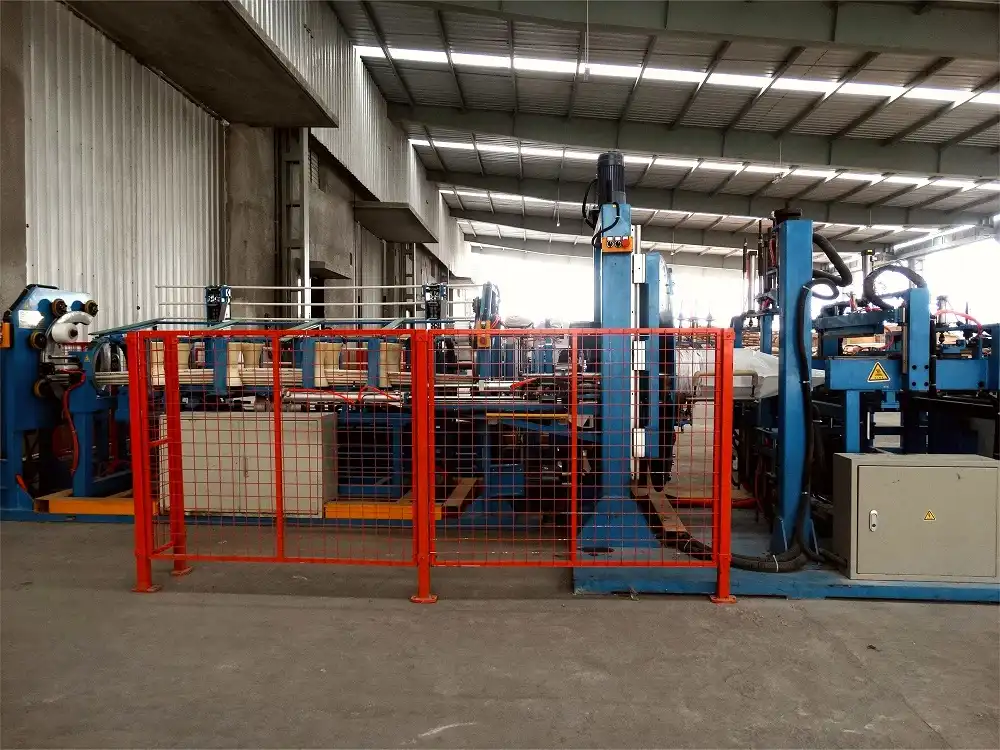
Pipe bundling machine safety, multi-shift operations, pipe packaging machines The Foundation of a Safe Workplace
A safe workplace is built on a foundation of clearly defined and consistently enforced safety protocols. These protocols should cover all aspects of machine operation, material handling, and emergency response.
Clear and Concise Safety Rules
Safety rules should be easy to understand and readily accessible to all employees. Key aspects of effective safety rules include:
-
Personal Protective Equipment (PPE): Mandating the use of appropriate PPE, such as safety glasses, gloves, and hearing protection.
-
Lockout/Tagout Procedures: Implementing procedures to de-energize and lock out equipment during maintenance and repairs.
-
Machine Guarding: Ensuring that all machine guards are in place and functioning correctly to prevent access to moving parts.
-
Material Handling: Safe methods for loading, unloading, and transporting pipes to minimize the risk of injury.
Regular Safety Audits
Regular safety audits are essential for verifying compliance with safety protocols and identifying potential hazards. Audits should be conducted by trained personnel and should include:
-
Inspections: Checking that all safety equipment is in place and functioning correctly.
-
Observations: Observing employees to ensure they are following safety procedures.
-
Interviews: Talking to employees to gather feedback and identify potential areas for improvement.
Disciplinary Measures for Violations
Consistent enforcement of safety rules requires disciplinary measures for violations. These measures should be applied fairly and consistently to all employees, regardless of their position or shift. Disciplinary actions may include:
-
Verbal Warnings: For minor violations or first-time offenses.
-
Written Warnings: For repeated or more serious violations.
-
Suspensions: For severe violations that pose a significant risk to safety.
-
Termination: For repeated or egregious violations that demonstrate a disregard for safety.
Fostering a Culture of Safety Compliance
Creating a culture of safety compliance requires more than just rules and enforcement. It involves actively promoting safety awareness and encouraging employees to take ownership of their safety and the safety of their colleagues. This can be achieved through:
-
Safety Training: Providing ongoing safety training and education to keep employees informed and engaged.
-
Safety Committees: Establishing safety committees composed of employees from different shifts and departments to identify and address safety concerns.
-
Incentive Programs: Rewarding employees for safe behavior and participation in safety initiatives.
-
Open Communication: Encouraging employees to report hazards and near-miss incidents without fear of reprisal.
By implementing clear safety rules, conducting regular audits, enforcing disciplinary measures, and fostering a culture of compliance, warehouses can ensure that their multi-shift operations are conducted safely and efficiently, reducing the risk of accidents and improving overall productivity.
4. Leveraging Technology and Automation for Enhanced Safety
Technology and automation play a crucial role in enhancing safety within multi-shift warehouse operations. Implementing advanced systems can minimize human error and reduce exposure to hazardous conditions.
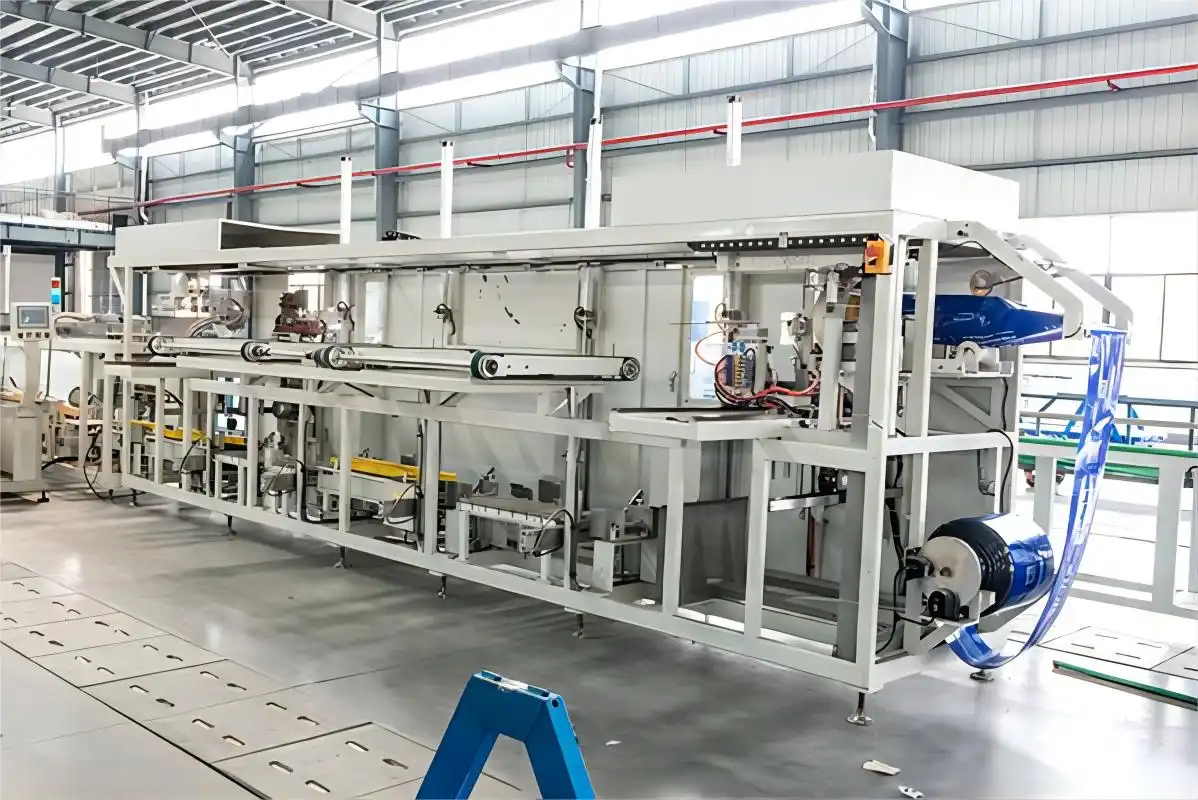
Pipe bundling machine safety, multi-shift operations, pipe packaging machines To leverage technology for enhanced safety, integrate automated pipe handling systems, implement real-time monitoring solutions, and utilize advanced sensor technologies. This will improve operational efficiency and create a safer work environment for all employees.
Technological advancements offer innovative solutions to address common safety challenges in pipe bundling processes. Automation, in particular, can significantly reduce the risks associated with manual handling and repetitive tasks.
Integrating Automated Pipe Handling Systems
Automating the handling of pipes can minimize the need for manual labor, thereby reducing the risk of injuries related to lifting, carrying, and positioning heavy materials.
Real-Time Monitoring and Alert Systems
Implementing real-time monitoring systems can provide immediate feedback on machine performance and safety parameters. Sensors can detect anomalies, such as overheating or excessive vibration, and trigger alerts to prompt corrective action.
Advanced Sensor Technologies
Advanced sensor technologies, such as laser scanners and proximity sensors, can create safety zones around pipe bundling machines. These sensors can detect when a worker enters a hazardous area and automatically shut down the machine to prevent accidents.
This table illustrates the benefits of integrating technology:
Technology Functionality Safety Benefit Automated Handling Systems Automates pipe loading, unloading, and stacking Reduces manual handling, minimizing strain injuries and accidents Real-Time Monitoring Monitors machine performance and safety Detects anomalies early, preventing breakdowns and potential hazards Advanced Sensors Creates safety zones around machines Prevents workers from entering hazardous areas, reducing the risk of injury Adapting Technology to Operational Needs
Tailoring technological solutions to specific operational needs is crucial for maximizing their effectiveness. This involves assessing the unique challenges and risks associated with pipe bundling operations and selecting technologies that directly address those issues. For instance, if the primary concern is repetitive strain injuries, investing in automated lifting and positioning systems would be a priority.
By integrating technology and automation into pipe bundling operations, warehouses can significantly enhance safety, improve efficiency, and create a more ergonomic and productive work environment for their employees.
Conclusion
Improving pipe bundling machine safety in multi-shift warehouse operations demands a multifaceted approach. By prioritizing comprehensive training, regular maintenance, strict adherence to safety protocols, and leveraging technology, warehouses can significantly reduce workplace accidents and foster a safer, more productive environment. A commitment to continuous improvement in these areas will ensure the well-being of employees and the smooth operation of warehouse activities.








