
How to Improve Pipe Bundling Machine Safety in High-Risk Industrial Environments?
Pipe bundling machines streamline production but pose risks in high-risk environments. Prioritizing safety is crucial. This article delves into the challenges and solutions for enhancing safety protocols. A safe workspace protects workers and ensures operational efficiency. By implementing these strategies, businesses can minimize hazards and promote a secure environment.
Improving pipe bundling machine safety in high-risk environments requires a multifaceted approach. This includes regular risk assessments, comprehensive employee training, and strict adherence to safety protocols. Implementing engineering controls, such as machine guarding and emergency stop systems, are also essential. Furthermore, promoting a culture of safety consciousness is paramount.
Navigating safety protocols in high-risk environments demands meticulous attention. Read on to discover actionable steps and expert insights for fostering a safer and more productive workspace around pipe bundling machines.
1: Identifying Key Hazards in Pipe Bundling Operations
Pipe bundling machines automate the process, however, they introduce potential hazards. Recognizing these risks is the first step toward creating a safer workspace. This section outlines common dangers and how to mitigate them. Prioritizing safety is a must for a productive work environment.
Key hazards in pipe bundling operations include entanglement with moving parts, crush points during bundling, and risks associated with hydraulic systems. Addressing these requires comprehensive risk assessment, proper machine guarding, and adherence to lockout/tagout procedures during maintenance. Regular safety training is also crucial for preventing accidents.
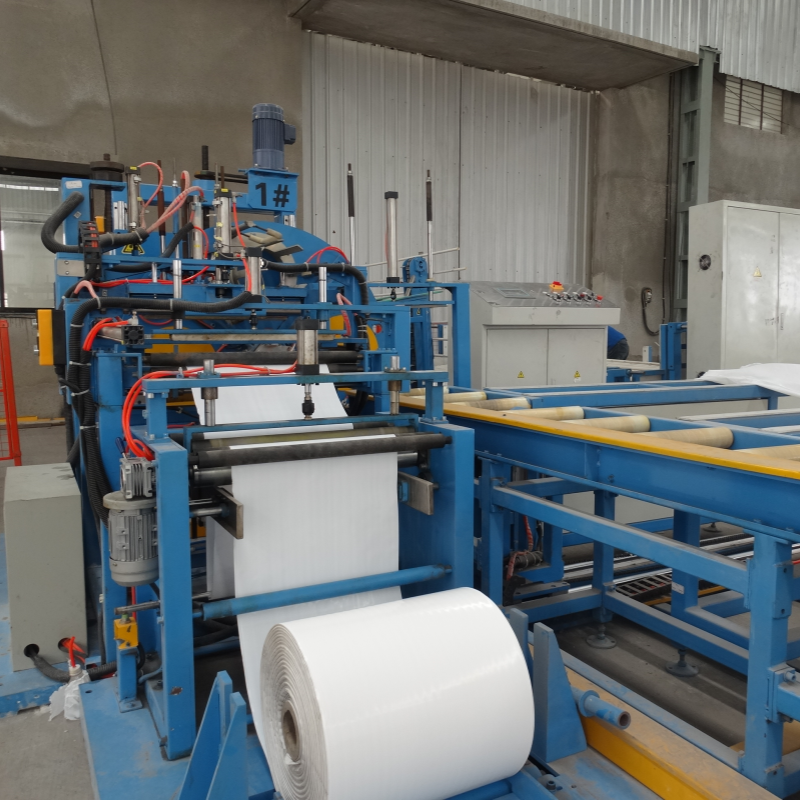
To truly improve pipe bundling machine safety, we must dive into the specific risks and challenges. A general understanding of hazards isn’t enough; we need a detailed breakdown to inform effective solutions.
Diving Deeper: Hazard Identification and Mitigation Strategies
Let’s break down common hazards and explore specific mitigation strategies. We will use a table that shows how to avoid hazards.
Mechanical Hazards
Moving parts are inherent to pipe bundling machines. Pinch points, rotating elements, and reciprocating motions create entanglement and crushing risks. Effective guarding is critical, but what type and how much?
- Fixed Guards: Solid barriers preventing access to dangerous areas.
- Interlocked Guards: Shut down the machine when opened.
- Light Curtains/Laser Scanners: Stop the machine when a worker enters a hazardous zone.
Hydraulic System Hazards
Hydraulic systems deliver the force needed for bundling, but high-pressure fluid leaks can cause injection injuries. What steps prevent these hazards?
- Regular Inspections: Identify leaks and worn hoses.
- Proper Maintenance: Replace hoses and fittings on a schedule.
- Pressure Relief Valves: Prevent over-pressurization and rupture.
Material Handling Hazards
Moving and stacking heavy pipes introduces strain injuries and struck-by hazards. Can we improve material handling?
- Ergonomic Lifting Techniques: Train workers in proper lifting.
- Mechanical Assistance: Use cranes, forklifts, and conveyors.
- Clear Pathways: Keep walkways free of obstructions.
Noise and Vibration Hazards
Prolonged exposure to noise and vibration can lead to hearing loss and musculoskeletal disorders. How can we reduce these hazards?
- Noise Reduction Measures: Enclose noisy equipment or use sound-dampening materials.
- Vibration Dampening: Mount equipment on vibration isolators.
- Hearing Protection: Provide and enforce the use of earplugs or earmuffs.
Here’s a table summarizing common hazards, risks, and mitigation strategies:
| Hazard | Risk | Mitigation Strategy |
|---|---|---|
| Mechanical | Entanglement, crushing | Machine guarding, interlocks, light curtains |
| Hydraulic | Injection injuries, burns | Regular inspections, proper maintenance, pressure relief valves |
| Material Handling | Strain injuries, struck-by | Ergonomic lifting, mechanical assistance, clear pathways |
| Noise & Vibration | Hearing loss, musculoskeletal disorders | Noise reduction, vibration dampening, hearing protection |
| Electrical Hazards | Shock, electrocution | Grounding, insulation, lockout/tagout procedures |
Beyond the Table
The above table provides a solid foundation for hazard mitigation. However, a true commitment to safety requires ongoing vigilance. Conduct regular risk assessments, involve workers in hazard identification, and continuously improve safety protocols based on lessons learned. Embrace pipe packaging machines
2: Implementing Engineering Controls for Enhanced Safety
Engineering controls are physical changes to the workplace that reduce or eliminate hazards at the source. They are a cornerstone of a robust safety program. This section details engineering controls applicable to pipe bundling machines.
Engineering controls for pipe bundling machines include physical barriers, interlocks, and emergency stop systems. These measures minimize worker exposure to hazards by isolating or removing the risks at the source. Regular maintenance and inspections are crucial for ensuring their effectiveness.
Engineering controls aren’t just about installing guards; they’re about designing a safer system from the ground up. Let’s explore practical engineering control solutions for our high-risk environment.
Practical Engineering Control Solutions: A Deep Dive
Beyond basic guarding, several advanced engineering controls can significantly improve safety:
- Automated Loading and Unloading Systems: Reduce the need for workers to enter the hazardous zone near the bundling machine.
- Remote Monitoring: Allow operators to monitor the machine from a safe distance, reducing exposure to noise and potential hazards.
- Error-Proofing (Poka-Yoke): Design the machine to prevent errors that could lead to accidents. For example, sensors that prevent the machine from operating if a guard is not in place.
- Ergonomic Design: Optimize machine controls and work heights to reduce strain and fatigue, minimizing the risk of human error.
- Regular maintenance: Regular maintenance is also important
3: The Role of Training and Procedures in Preventing Accidents
Even with the best engineering controls, accidents can happen if workers are not properly trained and procedures are not followed. This section explores the importance of comprehensive training and well-defined safety procedures.
Training and procedures are vital for safe pipe bundling operations. Employees must understand machine operation, hazard identification, and emergency protocols. Regular refresher training and adherence to safety procedures are crucial for minimizing accidents in high-risk industrial environments.
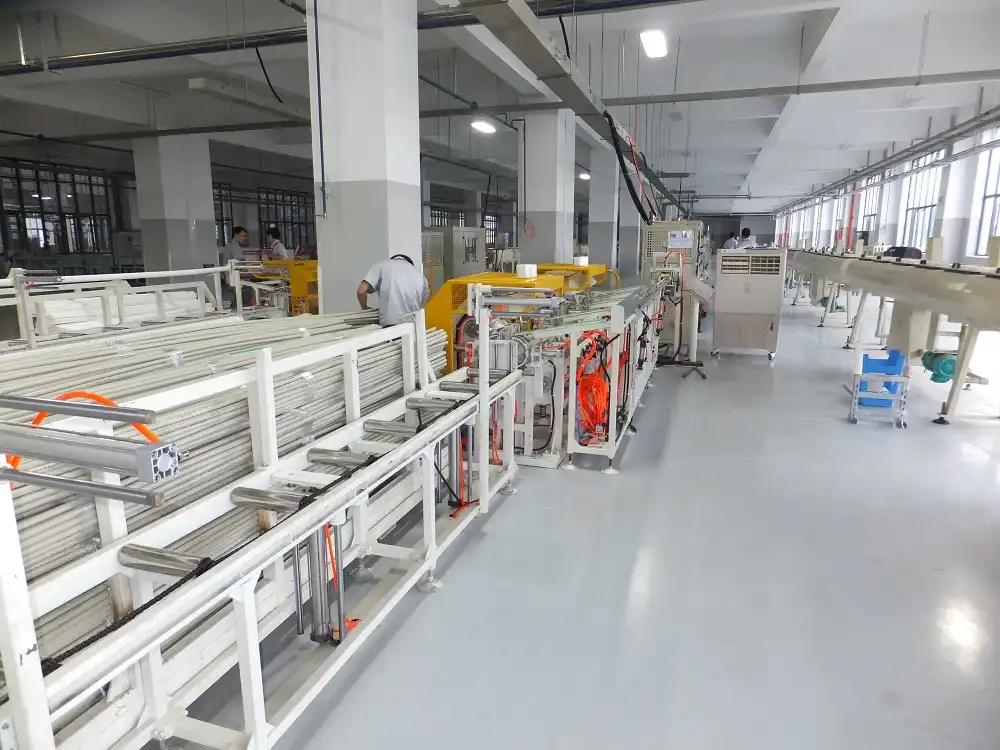
Training and procedures are the human element in safety, turning engineering controls into a lived reality. But, what kind of training is most effective?
Defining Effective Training and Safety Procedures
To maximize safety, training and procedures should be:
Comprehensive
- Machine-Specific Training: Operators should receive training specific to the make and model of the pipe bundling machine they will be using. This should cover safe operating procedures, emergency stop locations, and troubleshooting common problems.
- Hazard Awareness: Workers should be trained to recognize potential hazards associated with the machine and the surrounding environment. This includes mechanical hazards, hydraulic hazards, and material handling hazards.
- Lockout/Tagout Procedures: All personnel involved in maintenance or repair of the machine must be trained in proper lockout/tagout procedures to prevent accidental startup during servicing.
Practical
- Hands-On Training: Training should include hands-on experience with the machine, under the supervision of a qualified trainer. This allows workers to practice safe operating procedures and respond to simulated emergencies.
- Regular Drills: Conduct regular emergency drills to ensure that workers know how to respond in the event of an accident. This should include evacuation procedures, first aid, and reporting protocols.
Reinforced
- Refresher Training: Provide regular refresher training to reinforce safe operating procedures and address any new hazards or changes to the machine or the work environment.
- Continuous Improvement: Encourage workers to provide feedback on safety procedures and identify potential areas for improvement. This can help to create a culture of safety consciousness where everyone is actively involved in preventing accidents.
A clear framework for training needs to be followed, like the one below:
| Training Area | Content | Frequency | Delivery Method |
|---|---|---|---|
| Machine Operation | Safe operating procedures, emergency stop locations, troubleshooting | Initial & Annually | Hands-on, Classroom |
| Hazard Awareness | Identification of mechanical, hydraulic, and material handling hazards | Initial & Annually | Classroom, On-site walkthrough |
| Lockout/Tagout | Proper procedures for de-energizing and isolating equipment during maintenance | Initial & Bi-Annually | Hands-on, Demonstration |
| Emergency Response | Evacuation procedures, first aid, reporting protocols | Initial & Quarterly | Drills, Classroom |
Making It Stick
Effective training is more than just a one-time event. It’s an ongoing process of reinforcement, feedback, and improvement. By investing in comprehensive and practical training, companies can empower workers to identify hazards, follow safe procedures, and prevent accidents.
4: Fostering a Culture of Safety Consciousness
A culture of safety consciousness is one where safety is not just a set of rules, but a core value shared by everyone in the organization.
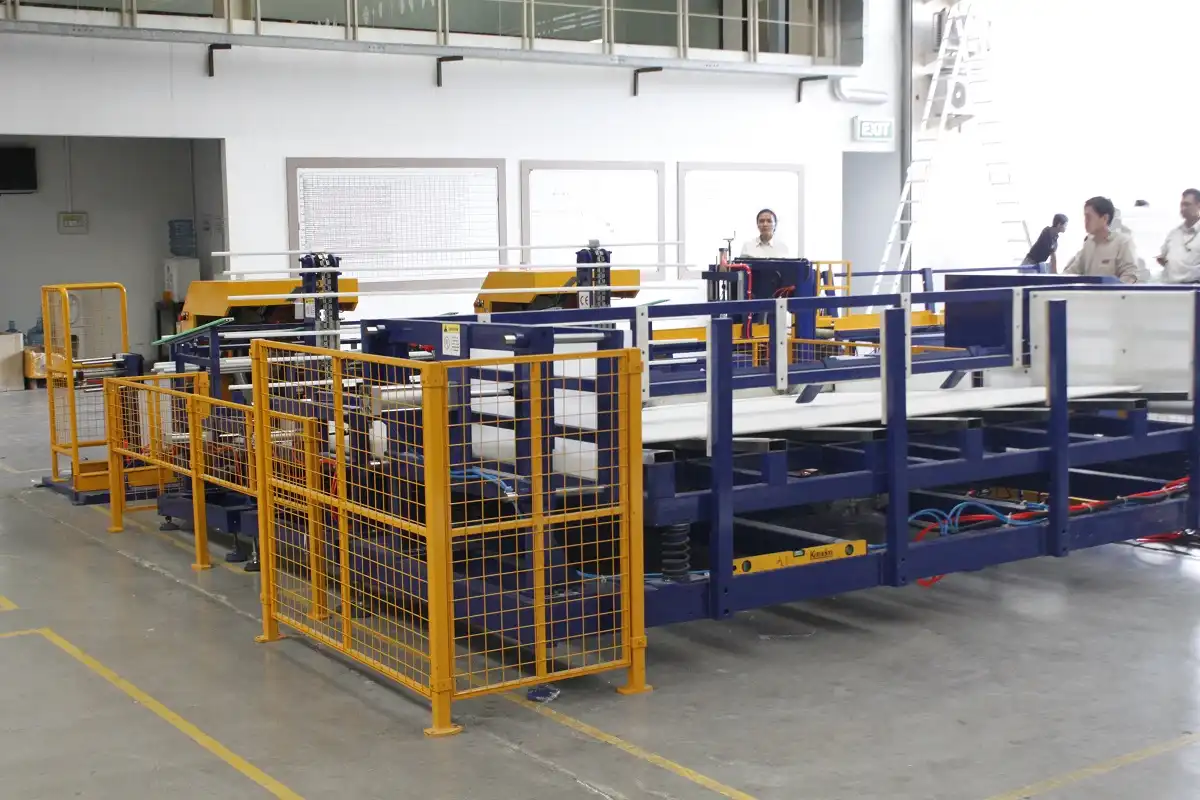
To build a safety-conscious culture:
- Lead by Example: Management must demonstrate a visible commitment to safety.
- Empower Employees: Encourage employees to report hazards and stop work if they feel unsafe.
- Communicate Openly: Share information about accidents and near misses, and use them as learning opportunities.
- Recognize and Reward: Acknowledge and reward employees who prioritize safety.
- Continuously Improve: Regularly review and update safety procedures based on feedback and lessons learned.
Conclusion
Improving pipe bundling machine safety in high-risk industrial environments requires a comprehensive approach. Engineering controls, training, procedures, and a culture of safety consciousness are essential. Businesses must commit to ongoing risk assessment, continuous improvement, and employee empowerment. Prioritizing safety protects workers, reduces costs, and enhances productivity, leading to a more sustainable and successful operation.








