
How to Improve Pipe Bundling Machine Durability in High-Vibration Environments?
In high-vibration environments, pipe bundling machines face considerable stress. Ensuring their durability is essential for continuous operation and productivity. Implementing preventive measures and robust maintenance strategies is key to extending machine lifespan.
To enhance pipe bundling machine durability in high-vibration environments, focus on vibration isolation, use high-quality components, and implement regular maintenance checks. Proper lubrication, secure mounting, and vibration dampening materials are crucial. Regularly inspect for wear and tear to prevent costly breakdowns.
Vibration poses a serious threat to the longevity of your pipe bundling equipment. Let’s explore practical strategies to enhance their resilience and minimize downtime.
1. Vibration Isolation Techniques for Pipe Bundling Machines
Vibration isolation is crucial for protecting pipe bundling machines from damage. Effective isolation minimizes the transmission of vibrations, extending the machine’s lifespan and ensuring consistent performance.
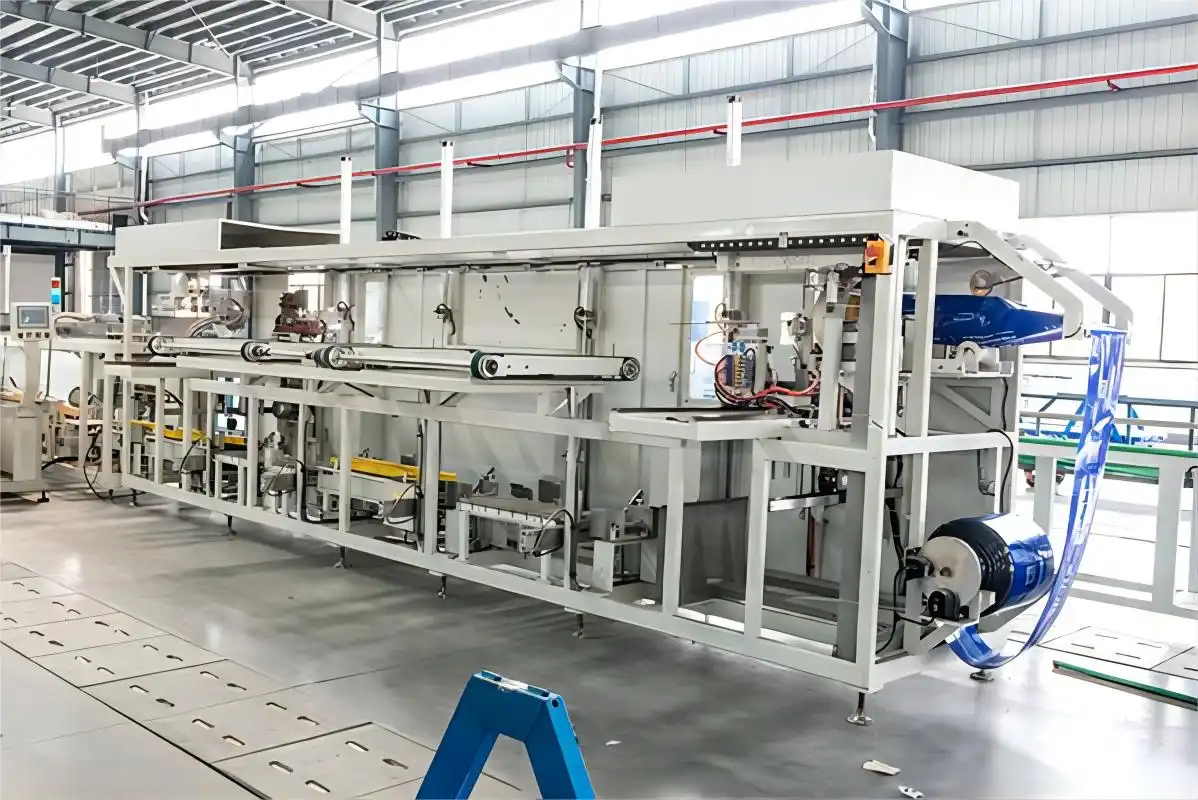
Implementing vibration isolation techniques is essential for reducing the impact of high-vibration environments on pipe bundling machines. This involves using vibration mounts, dampeners, and strategically placing the machine to minimize exposure to external vibrations. Regular inspections and maintenance of these isolation systems are critical for sustained durability.
Optimizing Vibration Isolation Systems
Effectively isolating your pipe bundling machine goes beyond simply installing isolators. It requires a comprehensive understanding of the vibration sources, machine characteristics, and the available isolation technologies. Let’s break down this optimization process into actionable steps.
Identifying Vibration Sources
Before selecting an isolation method, identify the primary vibration sources. These could be internal, such as motor vibrations, or external, originating from nearby equipment or the building structure. Understanding the frequency and amplitude of these vibrations is crucial for choosing the right isolation solution.
Selecting Appropriate Isolation Materials
The choice of isolation material significantly impacts the system’s effectiveness. Common materials include:
- Rubber: Offers good all-around vibration damping and is suitable for a wide range of frequencies.
- Springs: Effective for low-frequency vibrations but may require additional damping to prevent resonance.
- Air Mounts: Provide excellent isolation and can be adjusted to accommodate varying loads, making them ideal for sensitive equipment.
The following table compares the effectiveness of different isolation materials under varying vibration frequencies:
| Isolation Material | Frequency Range (Hz) | Damping Coefficient | Load Capacity | Advantages | Disadvantages |
|---|---|---|---|---|---|
| Rubber | 10-100 | 0.05-0.15 | Medium | Versatile, cost-effective | Limited performance at high frequencies |
| Springs | 2-20 | 0.01-0.05 | High | Effective at low frequencies | Requires additional damping |
| Air Mounts | 1-50 | 0.1-0.2 | Variable | Adjustable, excellent isolation | Higher cost, requires air supply |
Implementing Strategic Placement
Where you position your pipe bundling machine within your facility can also impact vibration exposure. Consider these factors:
- Distance from Vibration Sources: Locate the machine as far as possible from heavy machinery or other sources of strong vibrations.
- Ground Conditions: Ensure the floor is stable and level. Uneven surfaces can amplify vibrations.
- Structural Considerations: Avoid placing the machine near columns or walls that may transmit vibrations.
Regular Inspection and Maintenance
Vibration isolation systems require regular inspection and maintenance to ensure they continue to perform optimally. This includes:
- Visual Inspections: Check for signs of wear, damage, or degradation in the isolation materials.
- Torque Checks: Ensure all mounting bolts are properly tightened to prevent loosening due to vibration.
- Performance Testing: Periodically test the isolation system’s effectiveness using vibration measurement equipment.
By implementing these strategies, you can significantly enhance the durability of your pipe bundling machines and minimize the disruptive effects of high-vibration environments. This will result in reduced downtime, lower maintenance costs, and improved overall productivity.
2. High-Quality Component Selection for Pipe Bundling Machines
Choosing durable components is crucial for pipe bundling machine reliability. High-quality parts withstand vibration and wear, reducing breakdowns and extending the machine’s operational life.
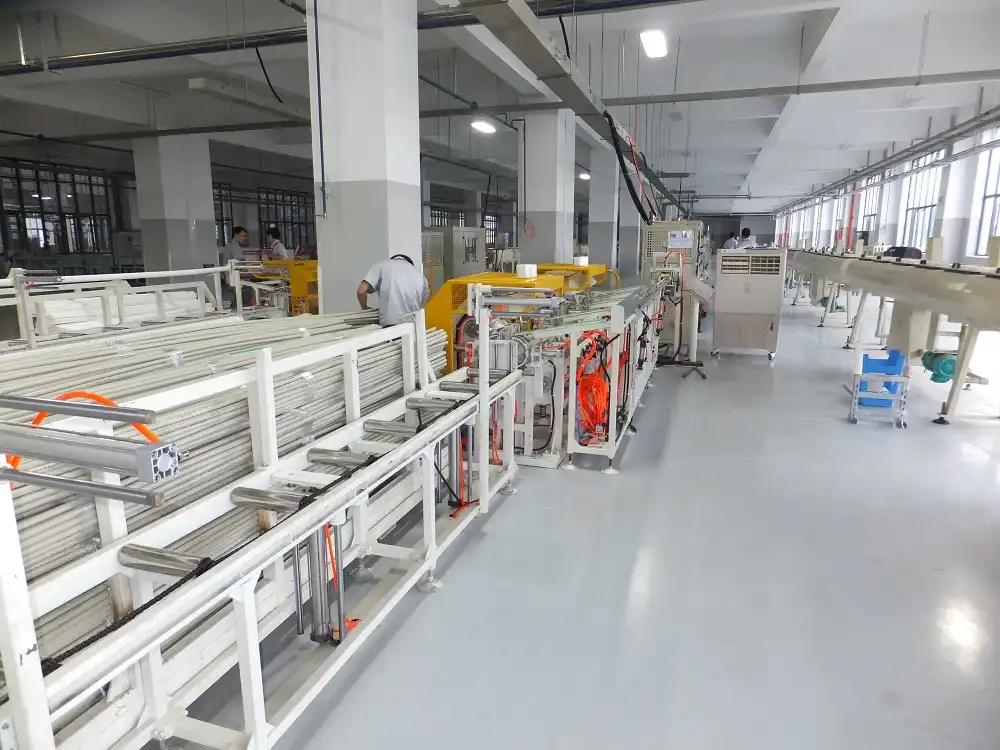
Selecting high-quality components is essential for ensuring the longevity of pipe bundling machines in high-vibration environments. This includes using robust motors, durable bearings, and vibration-resistant fasteners. Regularly inspect these components and replace them proactively to minimize downtime and maintain optimal performance.
The Impact of Component Quality on Machine Lifespan
The lifespan and reliability of pipe bundling machines are directly linked to the quality of their components. Investing in high-quality parts might seem costly upfront, but it pays off in the long run through reduced downtime, lower maintenance expenses, and extended machine life. Let’s delve into specific areas where component selection makes a significant difference.
Motors and Drives
The motor is the heart of any pipe bundling machine. Selecting a robust motor designed for industrial use is crucial. Look for features like:
- High-Quality Bearings: Bearings that can withstand continuous operation and vibration.
- Reinforced Housings: Protect the motor from external impacts and vibration.
- Thermal Protection: Prevents overheating and extends motor life.
Similarly, the drive system should be equally robust. Variable Frequency Drives (VFDs) should be selected based on their ability to handle the specific demands of the machine and the operating environment.
Bearings and Bushings
Bearings are particularly vulnerable to vibration-induced wear. High-quality bearings, such as those made from hardened steel or ceramic hybrids, offer superior resistance to vibration and fatigue. Proper lubrication is also essential to minimize friction and extend bearing life.
Fasteners and Connectors
Vibration can cause fasteners to loosen over time, leading to component failure. Using vibration-resistant fasteners, such as locking nuts, thread lockers, and self-tapping screws, can prevent this. Ensure that all connectors are properly secured and protected from vibration with appropriate clamps and supports.
Sensors and Controls
Accurate and reliable sensors and controls are essential for maintaining consistent machine performance. Look for sensors that are specifically designed for industrial environments and can withstand vibration, temperature variations, and other harsh conditions. Regularly calibrate sensors to ensure accuracy and prevent errors.
By focusing on component quality in these key areas, you can significantly improve the durability and reliability of your pipe bundling machines, reducing downtime and maximizing productivity.
3. Regular Maintenance and Inspection Protocols for Pipe Packaging Machines
Maintenance is key to preventing failures in high-vibration environments. Regular inspections and proactive maintenance reduce the risk of breakdowns and prolong the machine’s operational life.
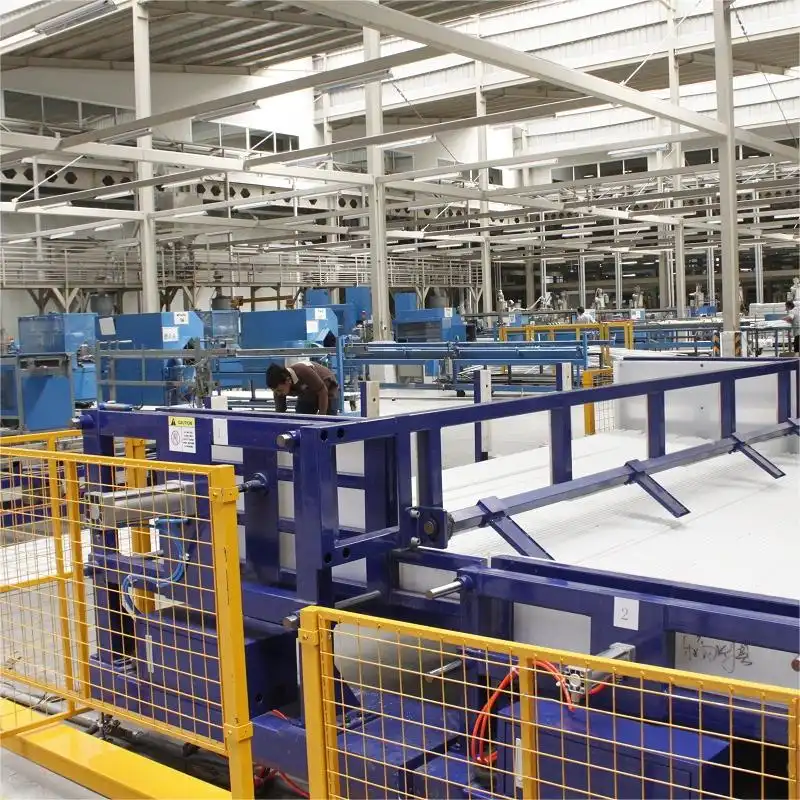
Implementing regular maintenance and inspection protocols is vital for preserving the integrity of pipe packaging machines in high-vibration environments. Regular lubrication, bolt tightening, and component replacement can prevent major failures. Keep detailed maintenance logs and proactively address issues to minimize downtime and enhance machine longevity.
Establishing a Comprehensive Maintenance Strategy
A well-structured maintenance strategy is essential for ensuring the longevity and reliability of pipe packaging machines operating in high-vibration environments. This strategy should encompass routine inspections, preventive maintenance, and predictive maintenance techniques. Let’s explore the key elements of such a strategy.
Routine Inspections
Regular visual inspections are crucial for identifying potential problems early. Key areas to inspect include:
- Structural Integrity: Check for cracks, deformations, or loose connections in the machine frame.
- Component Wear: Look for signs of wear, such as frayed belts, worn bearings, or damaged rollers.
- Fastener Tightness: Ensure all bolts, nuts, and screws are properly tightened to prevent loosening due to vibration.
- Lubrication Levels: Verify that all lubrication points are adequately lubricated and that there are no leaks.
These inspections should be performed daily or weekly, depending on the machine’s usage and operating environment.
Preventive Maintenance
Preventive maintenance involves performing scheduled maintenance tasks to prevent breakdowns and extend component life. Common tasks include:
- Lubrication: Regularly lubricate all moving parts according to the manufacturer’s recommendations.
- Belt Replacement: Replace belts at scheduled intervals to prevent breakage.
- Filter Changes: Change filters in hydraulic and pneumatic systems to maintain fluid cleanliness.
- Component Replacement: Replace components that are known to wear out over time, such as bearings and seals.
The following table outlines a sample preventive maintenance schedule for a pipe packaging machine:
| Task | Frequency | Description |
|---|---|---|
| Lubrication | Weekly | Lubricate all moving parts with the recommended lubricant. |
| Belt Inspection | Monthly | Check belts for wear, cracks, or fraying; adjust tension as needed. |
| Filter Replacement | Quarterly | Replace filters in hydraulic and pneumatic systems. |
| Bearing Inspection | Semi-Annually | Inspect bearings for wear or damage; replace as needed. |
| Component Replacement | Annually | Replace components that are known to wear out, such as seals and rollers. |
Predictive Maintenance
Predictive maintenance uses condition monitoring techniques to detect potential problems before they lead to breakdowns. Common techniques include:
- Vibration Analysis: Monitors vibration levels to detect imbalances, misalignments, or bearing failures.
- Infrared Thermography: Identifies hot spots that may indicate electrical or mechanical problems.
- Oil Analysis: Analyzes oil samples to detect contaminants, wear particles, or changes in viscosity.
By combining these maintenance strategies, you can significantly improve the reliability and longevity of your pipe packaging machines, reducing downtime and maximizing productivity.
4. Machine Placement and Environmental Considerations
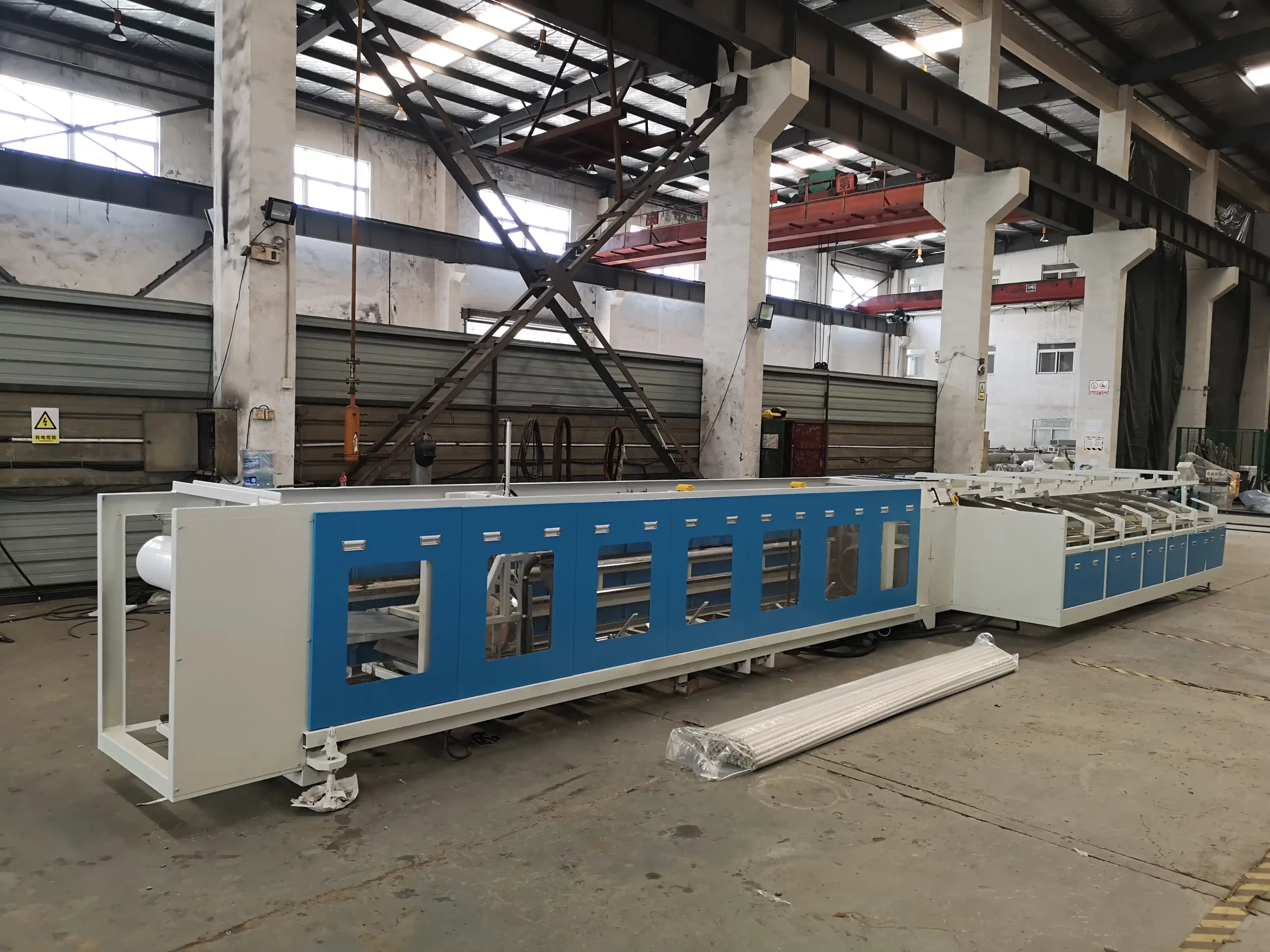
Choosing the right location and controlling environmental factors minimizes vibration impact. A stable foundation and regulated temperature reduce stress on the machine.
Proper machine placement and environmental controls significantly reduce the impact of vibrations. Ensuring a stable foundation, maintaining consistent temperatures, and minimizing exposure to external vibrations can extend the lifespan of pipe bundling machines. Implementing these measures proactively prevents premature wear and tear on critical components.
Selecting an appropriate location is vital for minimizing vibration. Consider a location away from heavy machinery and with a stable foundation.
Effective Strategies to Enhance Pipe Bundling Machine Durability
Selecting an appropriate location is vital for minimizing vibration. Consider a location away from heavy machinery and with a stable foundation.Implementing regular inspections helps spot potential issues early, preventing major breakdowns. Consistent lubrication minimizes friction, extending component life. Upgrading components with vibration-resistant materials provides added durability. Securing the machine firmly to a stable base minimizes movement and vibration transfer. Training operators on proper machine handling reduces vibration-related damages.
Conclusion
Improving pipe bundling machine durability in high-vibration environments requires a multifaceted approach. By focusing on vibration isolation, component quality, regular maintenance, and strategic machine placement, you can significantly extend the lifespan of your equipment. These efforts reduce downtime, lower maintenance costs, and boost overall productivity. Investing in these strategies ensures your pipe bundling machines continue to operate efficiently and reliably, even in the most challenging conditions, optimizing your production line and maintaining a competitive edge.








