
How to Improve Pipe Bundling Machine Durability in High-Traffic Operations?
In high-traffic operations, maintaining the durability of pipe bundling machines is crucial. These machines are vital for packaging lines and face constant wear. Enhancing their resilience ensures longevity and minimizes downtime.
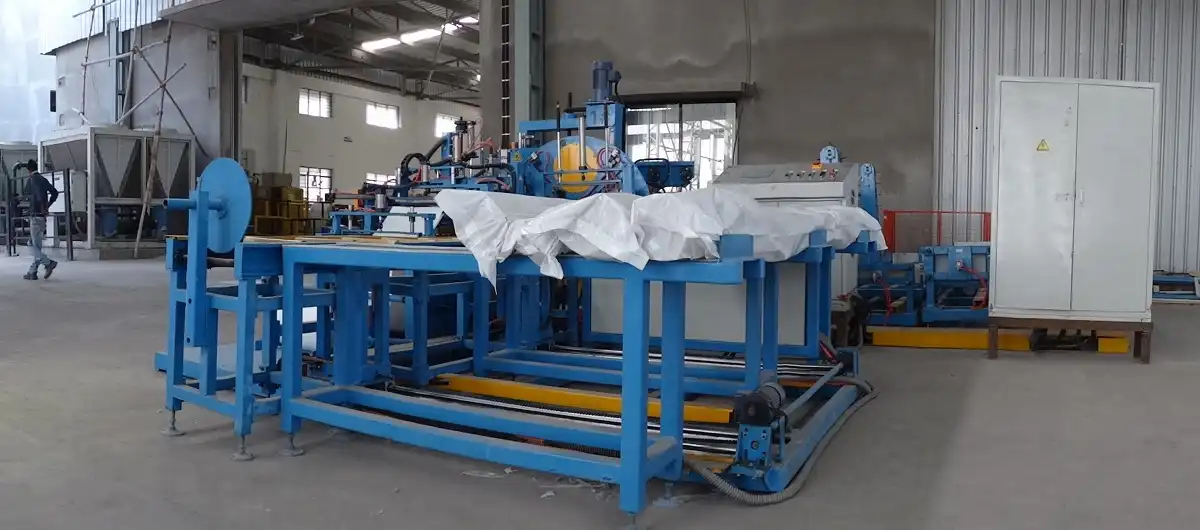
To improve pipe bundling machine durability in high-traffic operations, focus on regular preventative maintenance, use of high-quality components, operator training, and optimizing operational parameters. Predictive maintenance and robust design are also key strategies to withstand heavy-duty use and extend lifespan.
To delve deeper into maximizing the lifespan and efficiency of your machines, let’s explore specific strategies. By understanding critical factors and implementing proactive measures, you can ensure your bundling operations remain robust and reliable.
1. Implementing a Robust Preventative Maintenance Schedule
In high-volume production, bundling machines are the workhorses ensuring product readiness. Continuous operation in high-traffic puts immense strain on these machines, making preventative maintenance essential.
A robust preventative maintenance schedule for pipe bundling machines in high-traffic operations includes daily inspections, lubrication of moving parts, regular cleaning, timely replacement of wear-prone components, and periodic professional servicing. This minimizes breakdowns, extends lifespan, and ensures consistent performance.
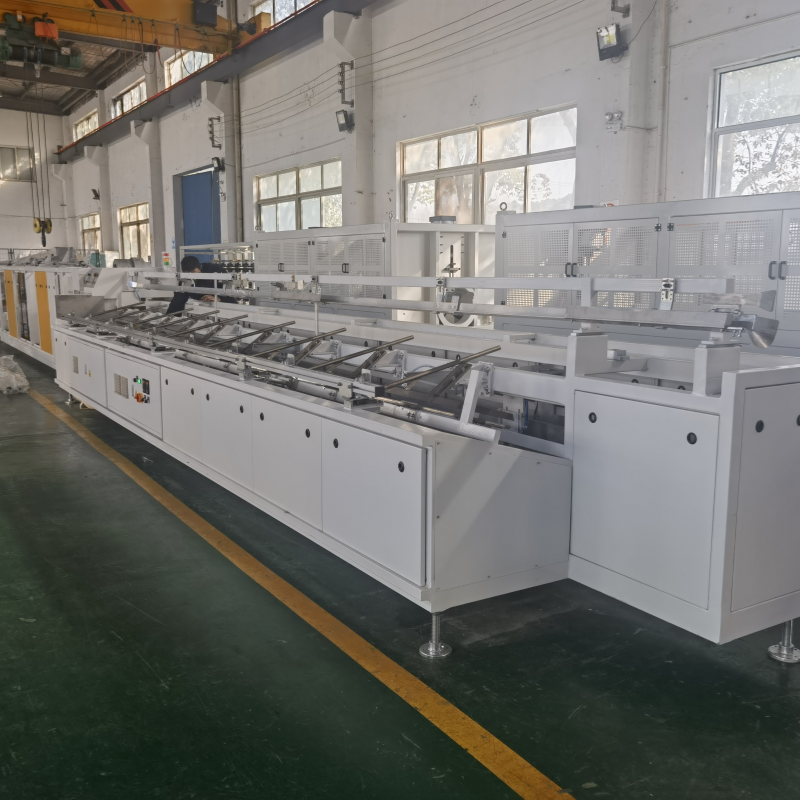
Tailoring Your Maintenance Schedule for High-Traffic Operations
A generic approach won’t suffice in high-throughput environments. Create a schedule that addresses the stress points of your bundling machine under heavy use. This requires a detailed understanding of machine components and their wear patterns. Consider these key areas:
Understanding the Impact of Environmental Factors
The environment where the pipe packaging machines operate significantly influences maintenance needs. Humid or dusty environments necessitate more frequent cleaning and lubrication to prevent corrosion and component failure. Understanding these environmental stressors allows for a tailored maintenance schedule that preemptively addresses potential issues.
Utilizing Data-Driven Maintenance Strategies
Modern pipe bundling machines often come equipped with sensors and monitoring systems. Use this data to identify trends and predict potential failures. Data-driven maintenance allows for targeted interventions, optimizing resource allocation and minimizing unnecessary downtime. This approach ensures that maintenance is performed only when and where it is truly needed, maximizing efficiency and cost-effectiveness.
Documenting Maintenance Activities for Continuous Improvement
Keeping detailed records of all maintenance activities, including inspections, repairs, and component replacements, is crucial for continuous improvement. These records provide valuable insights into the machine’s performance over time, allowing you to identify recurring issues and refine your maintenance schedule accordingly. This iterative process ensures that your maintenance program remains effective and adapts to the evolving needs of your operation. Consider these tasks when designing your preventative maintenance schedule:
| Maintenance Task | Frequency | Focus Area | Benefits |
|---|---|---|---|
| Daily Inspection | Daily | Belts, seals, sensors, pneumatic systems | Early detection of minor issues, preventing escalation into major problems |
| Lubrication | Weekly | Bearings, gears, chains | Reduced friction and wear, smoother operation, extended component life |
| Cleaning | Weekly/Bi-weekly | Bagging mechanism, sealing areas, conveyors | Prevents material build-up, ensures proper function, hygienic operation |
| Component Replacement | Monthly/Quarterly | Wear parts (blades, belts, rollers) | Maintains optimal performance, prevents breakdowns due to worn parts |
| Professional Servicing | Annually | Full system check, calibration, upgrades | Comprehensive assessment, ensures long-term reliability and efficiency |
By implementing this structured approach, you move from reactive repairs to proactive upkeep, significantly reducing downtime and maximizing the lifespan of your machines.
2. Selecting High-Quality Components
The durability of a pipe bundling machine is linked to the quality of its components. In high-traffic environments, where machines are pushed to their limits, skimping on component quality leads to frequent breakdowns and costly replacements.
Choosing high-quality components for pipe bundling machines, such as durable belts, robust sensors, and reliable pneumatic systems, is paramount for longevity in high-traffic operations. Investing in superior materials ensures components withstand constant stress, reducing wear and tear, minimizing downtime, and extending the machine’s lifespan.
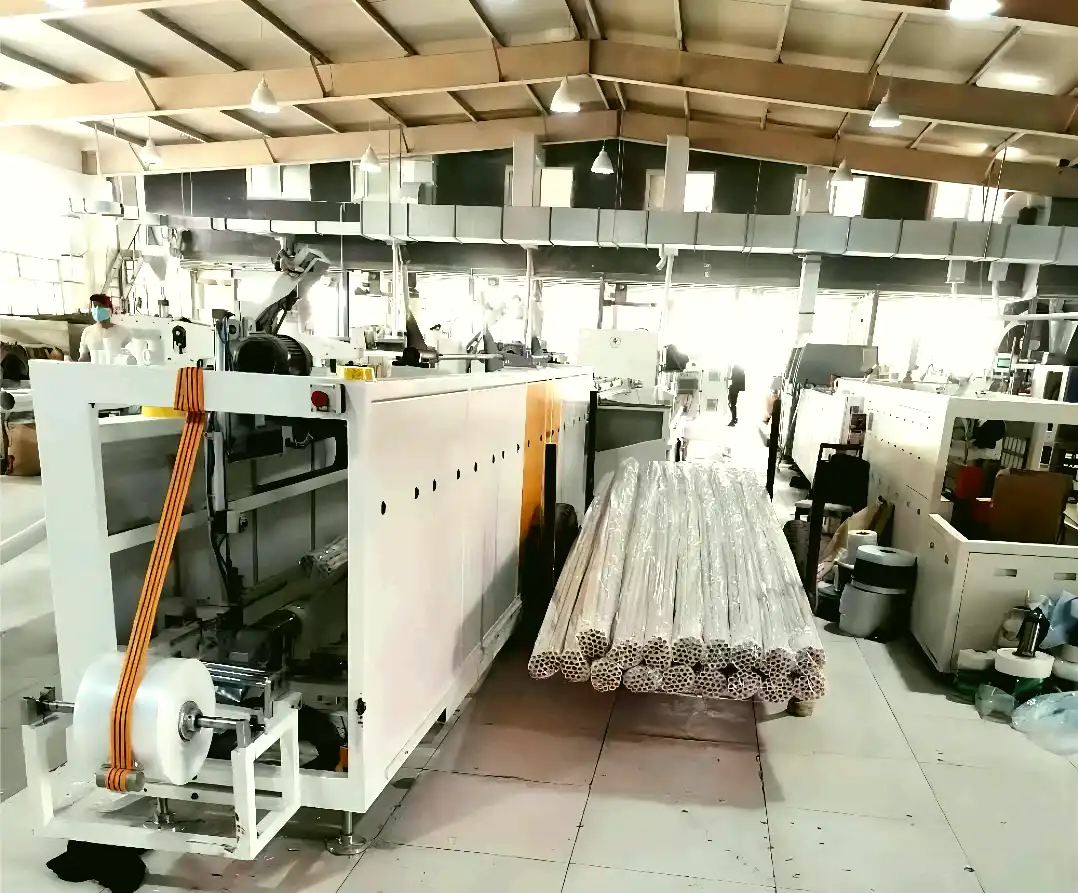
Prioritizing Component Material for Harsh Environments
Selecting components made from corrosion-resistant materials, such as stainless steel or specialized alloys, is crucial in environments where pipe bundling machines are exposed to moisture, chemicals, or extreme temperatures. These materials prevent degradation and ensure long-term reliability, reducing the frequency of replacements and maintenance interventions.
Assessing the Load-Bearing Capacity of Structural Components
The structural integrity of a pipe bundling machine is paramount for its durability. Assessing the load-bearing capacity of frames, supports, and other structural components is essential to prevent deformation or failure under heavy loads. Selecting materials and designs that can withstand the maximum expected loads ensures the machine’s stability and longevity.
Utilizing Smart Sensors for Predictive Maintenance
Smart sensors, equipped with the ability to monitor critical parameters such as temperature, vibration, and pressure, play a crucial role in predictive maintenance. By continuously collecting and analyzing data, these sensors can detect early signs of wear or impending failures, allowing for timely interventions and preventing costly breakdowns. Integrating smart sensors into pipe bundling machines enables proactive maintenance strategies that significantly enhance durability and minimize downtime.
3. Operator Training and Best Practices
Even the most robust pipe bundling machine can suffer premature wear if not operated correctly. Well-trained operators are crucial for ensuring machines are used within their design parameters, minimizing misuse, and identifying potential issues.
Comprehensive operator training on pipe bundling machines is vital for maximizing durability in high-traffic operations. Training should cover proper operation, troubleshooting common issues, understanding safety protocols, and performing basic maintenance tasks. Skilled operators reduce machine stress, minimize errors, and contribute significantly to long-term reliability.
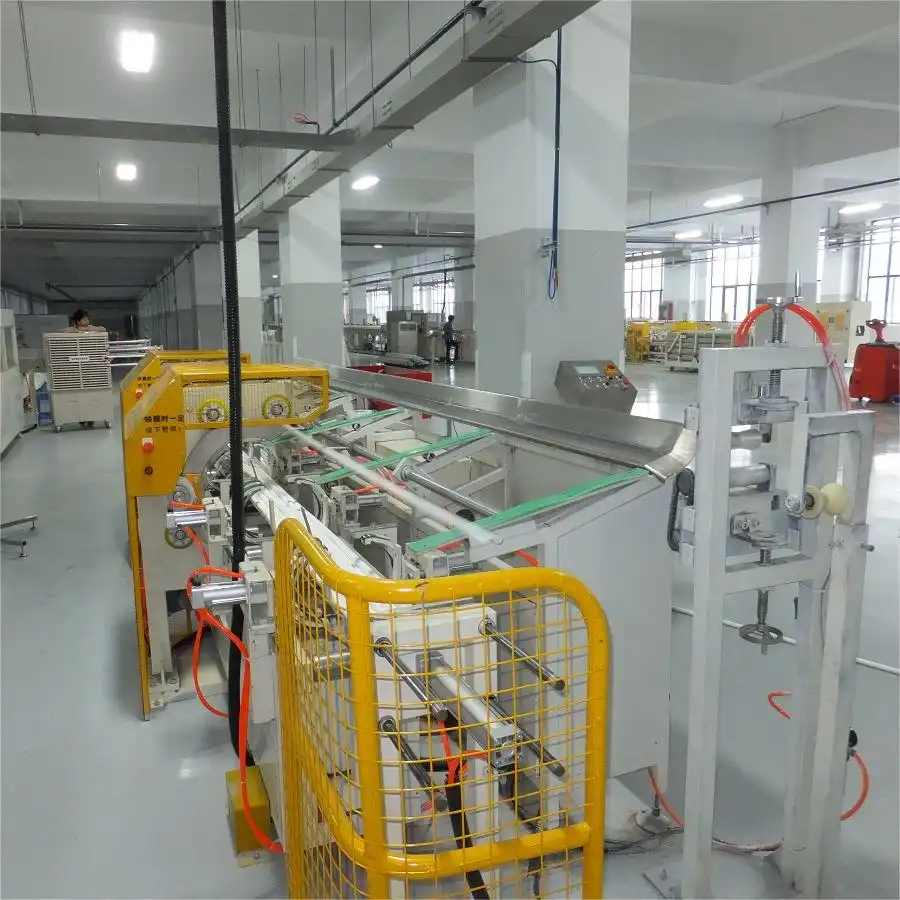
Creating a Culture of Ownership and Responsibility among Operators
Implementing a Certification Program for Operators
A certification program ensures that operators have met a minimum standard of competence in operating and maintaining the pipe bundling machine. It demonstrates a commitment to professionalism and can instill a sense of pride and responsibility among operators.
Establishing Regular Feedback Loops
Regular feedback sessions between operators, maintenance staff, and management can help identify areas for improvement in both operations and maintenance procedures. This collaborative approach fosters a sense of ownership and encourages operators to take an active role in the machine’s upkeep.
Rewarding Proactive Maintenance Efforts
Recognizing and rewarding operators who proactively identify and address potential issues can encourage a culture of continuous improvement. This can be achieved through performance-based incentives or simple recognition programs.
Effective operator training goes beyond showing someone how to start and stop the machine. It involves building a deep understanding of the machine’s operation and fostering a sense of ownership. Key training areas include:
| Training Area | Description | Importance |
|---|---|---|
| Machine Operation Fundamentals | Thorough instruction on start-up, normal operation, and shut-down procedures. Emphasis on correct loading and unloading techniques. | Ensures operators understand the basic functions of the machine and can operate it safely and efficiently. |
| Troubleshooting | Training on identifying and resolving common error messages and minor malfunctions. Empower operators to address small issues before escalation. | Allows operators to quickly resolve minor issues, reducing downtime and preventing further damage to the machine. |
| Preventative Maintenance Basics | Equipping operators to perform daily inspections, lubrication, and basic cleaning tasks. | Fosters a culture of proactive machine care, leading to earlier detection of potential issues and reduced maintenance costs. |
By investing in thorough operator training, you improve machine durability and create a more skilled workforce.
4. Optimizing Operational Parameters
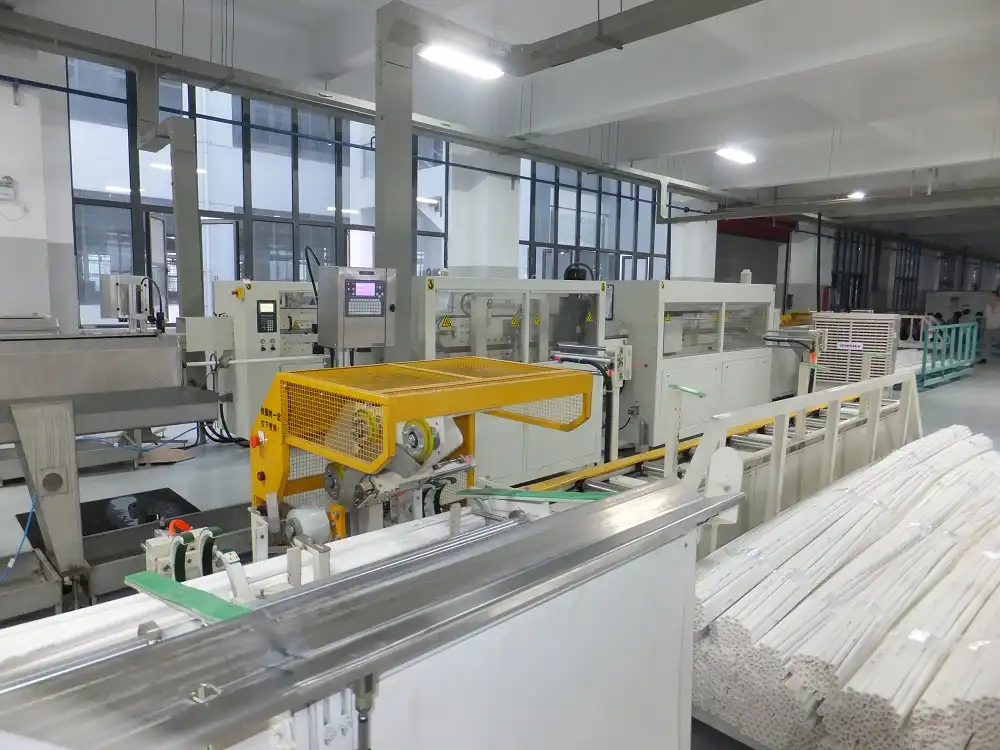
Optimizing operational settings is a proactive step towards enhancing durability.To optimize pipe bundling machine operations for durability, carefully adjust parameters like bundling speed, tension, and pressure according to the manufacturer’s recommendations and the specific materials being used. Avoiding unnecessary speed increases and ensuring correct settings reduces mechanical stress and fatigue, contributing to extended machine life. Carefully adjust parameters like bagging speed, sealing temperature, and pressure according to the manufacturer’s recommendations and the specific materials being used. Avoiding unnecessary speed increases, ensuring correct sealing settings, and managing product flow reduces mechanical stress and thermal fatigue, contributing to extended machine life in demanding, high-volume environments.
Controlling the Production Environment for Optimal Machine Performance
The operational environment of a pipe bundling machine can significantly impact its longevity and efficiency. Controlling environmental factors such as temperature, humidity, and dust levels is essential for maintaining optimal machine performance and preventing premature wear and tear. Implementing climate control systems and dust filtration mechanisms can help create a conducive environment that minimizes stress on the machine and its components.
Implementing Real-Time Monitoring and Alerts
Real-time monitoring systems can track key operational parameters and alert operators to any deviations from optimal settings. These systems provide valuable insights into machine performance and enable timely adjustments to prevent potential issues. Setting up automated alerts for critical parameters ensures that operators are promptly notified of any anomalies, allowing them to take corrective action before significant damage occurs.
Maintaining Proper Lubrication Levels
Effective lubrication is critical for reducing friction and wear in moving parts of a pipe bundling machine. Implementing a consistent lubrication schedule and using high-quality lubricants that meet the manufacturer’s specifications ensures that all components are adequately protected. Automated lubrication systems can provide precise and consistent lubrication, minimizing the risk of under- or over-lubrication, both of which can lead to accelerated wear.
Training Operators on Proper Machine Handling Techniques
Proper machine handling techniques are essential for minimizing stress on the machine and preventing unnecessary wear. Training operators on how to correctly load, unload, and operate the machine can reduce the risk of accidents and ensure that the machine is used within its design parameters. Emphasizing gentle handling and avoiding abrupt starts and stops can help extend the machine’s lifespan.
By meticulously optimizing these operational parameters, you can significantly reduce stress on your pipe bundling machine, leading to fewer breakdowns and a longer, more productive lifespan.
Conclusion
Improving the durability of pipe bundling machines in high-traffic operations is a multifaceted endeavor. It requires a strategic approach encompassing preventative maintenance, high-quality components, skilled operators, and optimized operational settings. By implementing these strategies, businesses can significantly enhance the longevity and reliability of their bundling machines, ensuring consistent production, minimizing downtime, and maximizing their return on investment. Proactive measures are key to keeping these essential machines running smoothly and efficiently, even under the most demanding operational conditions.








