
How to Ensure Steel Wire Rewinding Machine Compliance with Industry Standards?
Ensuring steel wire rewinding machine compliance is critical for safe and efficient operations. Understanding and adhering to industry standards not only prevents accidents but also guarantees the longevity and reliability of your equipment. Let’s delve into the essential aspects of compliance.
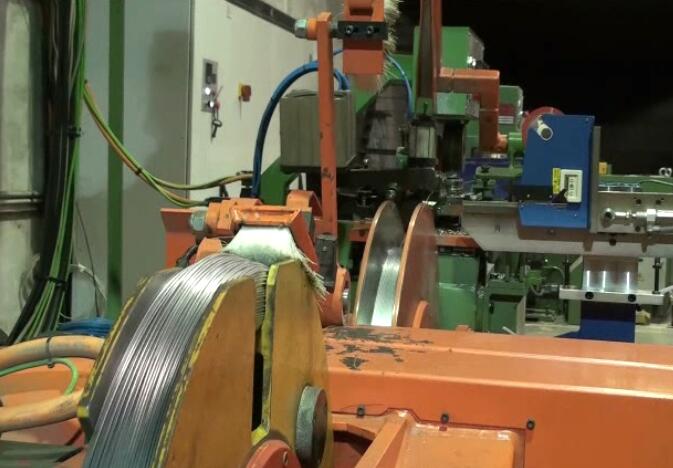
To ensure compliance, steel wire rewinding machines must adhere to stringent safety and operational standards. Key aspects include regular inspections, adherence to ISO 2408 for wire rope integrity, implementation of OSHA regulations, and comprehensive risk assessments to identify and mitigate potential hazards, thereby guaranteeing a safer and more efficient operational environment.
Navigating the complex landscape of industry standards can feel overwhelming. But fear not! In this comprehensive guide, we will break down the essential steps to ensure your steel wire rewinding machines not only meet but exceed compliance requirements, keeping your operations safe and efficient.
1: Understanding ISO 2408 and Its Impact on Steel Wire Rope Safety
Keeping up with international safety standards can seem daunting. Understanding how ISO 2408 impacts operational safety is a must. This ensures the reliability of steel wire ropes used in your rewinding machines.
ISO 2408 is crucial because it sets benchmarks for steel wire rope construction, dimensions, and performance, ensuring they reliably support industrial tasks. Compliance with ISO 2408 minimizes accident risks and ensures the longevity and reliability of steel wire ropes in heavy-duty applications like steel wire rewinding machines.

The Cornerstone of Safety: Diving Deeper into ISO 2408 Specifications
ISO 2408 isn’t just a set of abstract guidelines; it’s a detailed framework ensuring steel wire ropes meet specific safety and performance criteria. Understanding these specifications is crucial for selecting the right materials and maintaining operational safety.
Dimensions and Tolerances
The standard precisely defines the allowable variations in rope diameter, typically up to ±5%. Accurate sizing ensures proper fit within machinery components, preventing undue stress and wear.
Construction and Core Types
ISO 2408 specifies the core type (fiber or steel) and strand configurations. Steel cores offer higher crush resistance and are ideal for high-load applications, while fiber cores provide flexibility and shock absorption.
Performance Tests
Ropes undergo rigorous testing, including tensile strength and fatigue resistance tests. Tensile strength, with a minimum of 1770 N/mm², ensures the rope can withstand significant loads before breaking. Fatigue resistance tests simulate real-world operating conditions, evaluating the rope’s ability to endure repeated bending and stress cycles.
Compliance Challenges and Benefits
While adhering to ISO 2408 offers substantial safety benefits, manufacturers face challenges in implementation. High-grade steel and precise manufacturing processes are essential, often requiring significant investment.
However, the long-term benefits in safety and reliability outweigh the costs. By using compliant steel wire ropes, industries minimize the risk of equipment failure, prevent accidents, and ensure continuous operation.
Consider this comparison:
| Parameter | ISO 2408 Compliant Rope | Non-Compliant Rope |
|---|---|---|
| Tensile Strength | Min. 1770 N/mm² | Often below 1770 N/mm² |
| Diameter Tolerance | Up to ±5% | May exceed ±5% |
| Fatigue Resistance | High | Lower |
| Safety | Significantly Enhanced | Compromised |
| Reliability | High | Lower |
| Longevity | Longer | Shorter |
Choosing ISO 2408 compliant ropes ensures a safer, more reliable, and durable rewinding machine, ultimately reducing downtime and improving productivity. Collection ensures you get access to the top quality rewinding machines.
2: Implementing Regular Steel Wire Rope Inspection Protocols
Regular inspection of steel wire ropes is not just a procedural task. It is a crucial element of machinery maintenance. These checks ensure all equipment is in safe and reliable operating condition.
Regular inspections of steel wire ropes are essential for spotting wear, corrosion, broken wires, and deformation. Following standards like ISO 2408 ensures these ropes are ready to handle the loads they face, keeping your machinery safe and operational.

Visual and Physical Examinations: Detailed Breakdown for Optimal Safety
Steel wire rope inspections require a keen eye and adherence to structured protocols. Neglecting regular checks could lead to unforeseen failures and safety hazards. The key is to combine visual assessments with physical tests to get a complete picture of rope condition.
Visual Inspection: What to Look For
Begin with a thorough visual inspection, noting any signs of:
- Wear: Shiny, flattened areas on the rope surface indicate wear from contact with sheaves or other components.
- Corrosion: Look for rust, pitting, or discoloration, especially in humid or corrosive environments.
- Broken Wires: Count the number of broken wires in a given section, as exceeding a certain threshold (as specified in ISO 2408) necessitates rope replacement.
-
Deformation: Identify any kinks, bends, or birdcaging, where the strands separate from the core.
Physical Examination: Tools and Techniques
Augment your visual inspection with physical measurements and tests:
- Diameter Measurement: Use calipers to measure the rope diameter. A reduction from the original diameter indicates wear and loss of material.
- Flexibility Test: Manually flex the rope to check for stiffness or internal damage.
-
Lubrication Check: Ensure adequate lubrication to prevent corrosion and reduce friction.
Recording and Documentation
Keep detailed records of each inspection, including the date, inspector’s name, findings, and any actions taken. This documentation helps track rope condition over time and informs maintenance decisions.
Practical Example: Inspection Frequency
In a high-use steel wire rewinding machine, daily visual inspections are crucial, along with monthly detailed inspections by a qualified technician. These regular checks help identify and address issues early, reducing the risk of catastrophic failure.
Below is an example inspection checklist:
Item Check Action Required Wear Shiny or flattened areas Increase lubrication, replace rope if severe Corrosion Rust, pitting, discoloration Apply corrosion inhibitor, replace rope if severe Broken Wires Number of broken wires Replace rope if exceeds ISO 2408 limits Diameter Reduction Reduction from original diameter Replace rope if significant Deformation Kinks, bends, birdcaging Replace rope immediately Lubrication Dry or inadequate lubrication Apply appropriate lubricant By following these detailed steps, you can ensure your steel wire ropes remain safe and reliable, contributing to the overall efficiency and safety of your operations.
3: Establishing a Clear Timeline for Steel Wire Rope Replacement
It is essential to understand the exact time to replace steel wires. By recognizing the markers of degradation and also adhering to a well defined timetable, organizations can uphold safe practices.
Steel wire ropes should be replaced when you notice wear and tear, such as broken strands, corrosion, or deformations. Regular checks and following safety standards like ISO 2408 are vital..
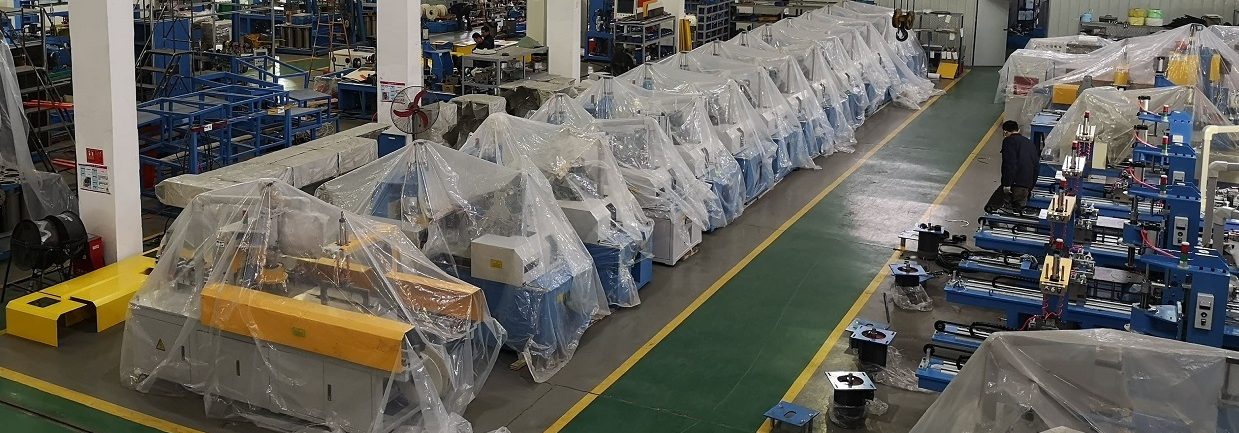
Balancing Standards and Safety: When Is Replacement Necessary?
Determining when to replace steel wire ropes is a critical decision. It balances adherence to industry standards with practical observations to ensure safety and operational efficiency. Understanding wear patterns, environmental factors, and adhering to inspection protocols all contribute to making an informed replacement decision.
Spotting the Signs: Key Indicators
Identify key signs of wear and tear early. For example:
- Broken Strands: The number of broken wires within a specific length. Replace if the number exceeds the limits set by ISO 2408.
- Corrosion: Any visible rust, pitting, or corrosion can weaken steel. The severity and location of the corrosion should be evaluated.
- Diameter Reduction: A significant reduction in the rope’s diameter is a telltale sign of wear. Measure it regularly and compare it with the original specifications.
-
Deformation: Kinks, bends, and birdcaging are all forms of distortion that compromise the rope’s structural integrity.
Understanding Standards
Adhering to standards like ISO 2408 is vital in this process. These standards provide a framework to help you ensure that the ropes can handle the heavy loads they’re subjected to, without jeopardizing the safety.
Replacement Timeline
The replacement timeline for steel wire ropes should incorporate both time-based and condition-based criteria. A general guideline might include:
Criteria Frequency Action Routine Inspections Daily Visually check for obvious damage Detailed Inspections Monthly Examine the entire length Corrosion Assessment Quarterly Evaluate the extent and severity of any corrosion ISO 2408 Compliance Check Annually Ensure the rope meets current ISO 2408 specifications Practical Example: Replacing a Damaged Section
Imagine that during a routine inspection, it’s been observed the steel wire of the rope winding machine has suffered many broken wires, exceeding the ISO 2408 standards. It’s been observed also, some corrosion in this zone. Replace the entire rope immediately, making sure the replacement meets the appropriate industry standards and is installed by qualified personnel.
By systematically monitoring rope condition and replacing wire ropes as needed, you can protect the integrity of your rewinding machine. This ensures the safety and also the continuous operation of your facility.
4: Integrating OSHA Regulations
Integrating OSHA Regulations is a important and essential thing. Because it needs for safety in every operational activity. That is why, this integration can give clear instructions on how to safely use these ropes across various industries
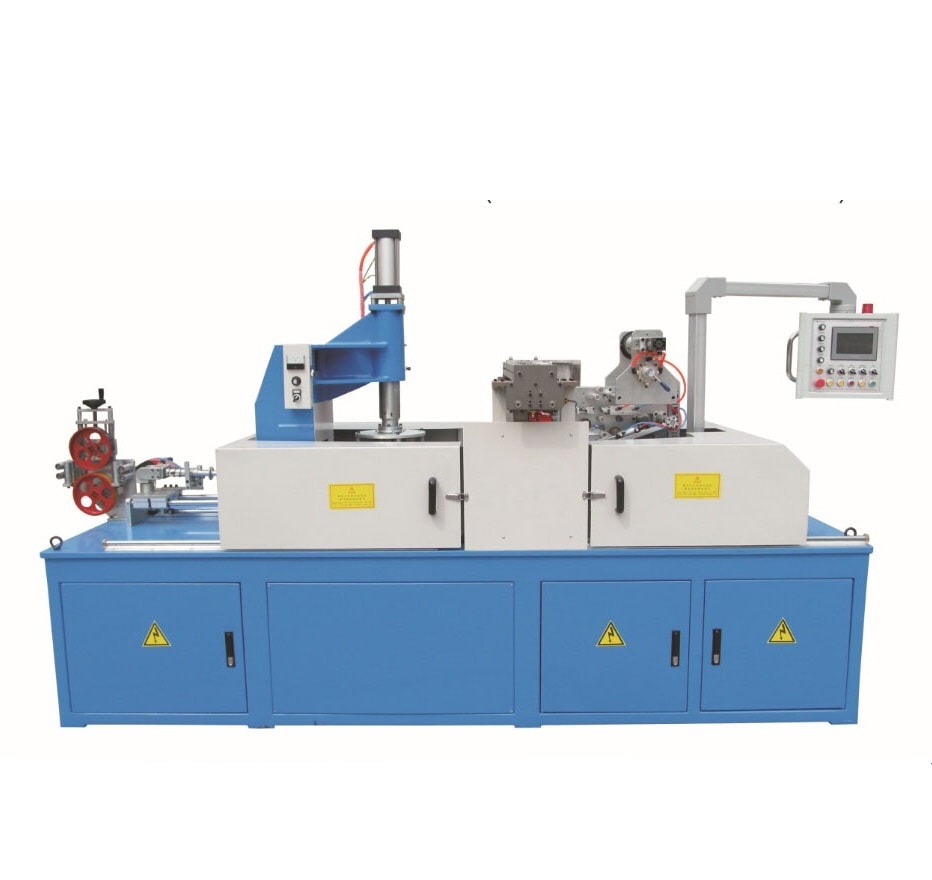
Understanding these regulations is more than just a checkbox; it’s about choosing suppliers who prioritize steel wire rewinding machine compliance as much as they do. I’ve seen firsthand how suppliers adhering to OSHA guidelines offer ropes that can handle heavy loads without compromising safety. Investing in quality ropes might seem costly upfront, but it pays off in long-term safety and efficiency.
Navigating Safety with OSHA: An In-Depth Analysis
Key OSHA Requirements
These regulations felt daunting at first, but breaking them down helped. Here are some of the key requirements:
| OSHA Requirement | Description |
|---|---|
| Inspection Frequency | Daily visual checks and monthly detailed inspections |
| Load Limits | Must not exceed manufacturer-specified load limits |
| Removal Criteria | Remove if excessive wear, broken wires, or corrosion are present |
| Training and Competency | Ensure all personnel are trained and competent in inspecting and using wire ropes |
Following OSHA rules carefully is very important for making sure that workers are safe and avoiding trouble with the rules. It’s about doing things the right way. Compliance isn’t merely about adhering to regulatory demands, it’s about proactively managing risks to protect your team and assets.
To conclude: Ensuring steel wire rewinding machine compliance with industry standards involves a multi-faceted approach: understanding and adhering to ISO 2408, implementing regular inspection protocols, establishing clear replacement timelines, and integrating OSHA regulations. By diligently following these guidelines, you can significantly enhance the safety and efficiency of your operations.








