
How to Enhance Steel Wire Strapping Machine Performance with Predictive Maintenance?
Steel wire strapping machines are vital for securing heavy loads, ensuring safe transit. Yet, breakdowns can halt operations, leading to costly delays. Predictive maintenance, leveraging data and technology, is the key to maximizing machine uptime and overall efficiency.
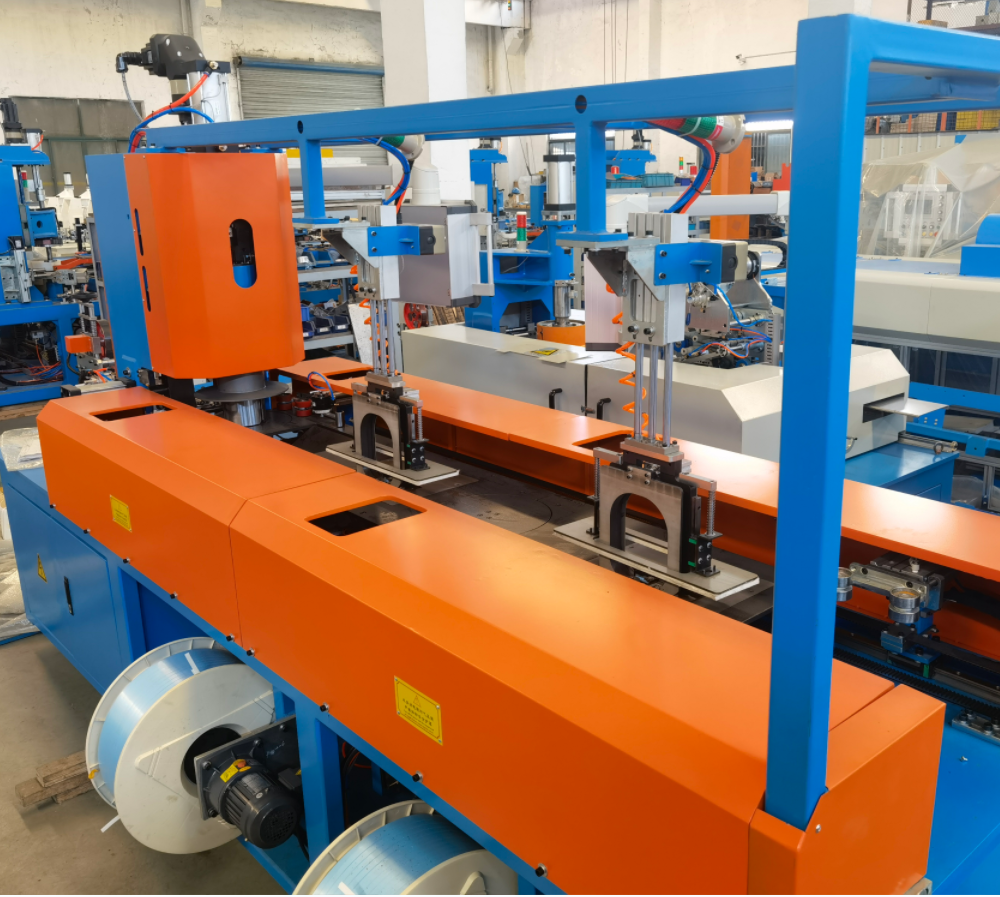
Predictive maintenance uses data analytics and machine learning to monitor your steel wire strapping machine. By analyzing trends, it predicts potential issues before they cause downtime. This leads to optimized performance, reduced repair costs, and extended machine lifespan.
To unlock the full potential of your steel wire strapping machine, embracing predictive maintenance is paramount. This proactive approach not only minimizes disruptions but also ensures your operations run smoothly and efficiently. Let’s explore how this can be achieved.
1. Understanding the Basics of Steel Wire Strapping Machine Maintenance
Maintaining your steel wire strapping machine is essential. Regular upkeep not only boosts its efficiency but also significantly prolongs its lifespan, ensuring a reliable packaging process.
Steel wire strapping machines require consistent maintenance to prevent breakdowns. Regular cleaning, lubrication, and inspection of key components like the tensioning and sealing mechanisms are crucial. By understanding basic maintenance, you can reduce downtime and maximize your machine’s lifespan.
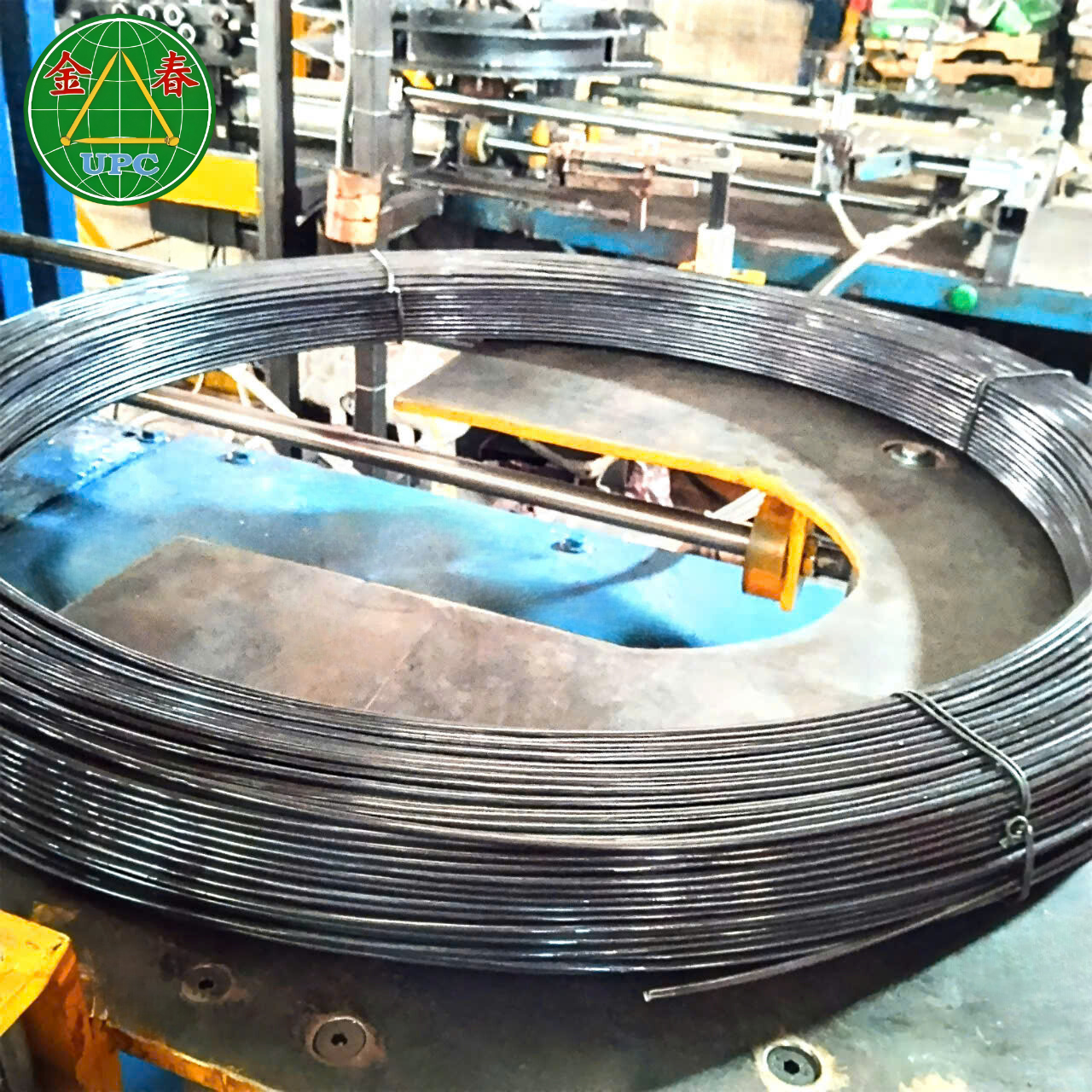
Diving Deeper: Preventative vs. Predictive Maintenance
To truly optimize your steel wire strapping machine’s performance, it’s crucial to understand the difference between preventative and predictive maintenance. Preventative maintenance follows a schedule, while predictive maintenance is data-driven, leading to significant advantages.
1.1 Preventative Maintenance: Time-Based Approach
Preventative maintenance involves performing routine tasks like cleaning, lubricating, and replacing parts at fixed intervals. This approach, while helpful, can lead to unnecessary interventions. Imagine changing your car’s oil every 3,000 miles regardless of driving conditions – it might be wasteful.
- Pros: Simple to implement, reduces some breakdowns.
- Cons: Can be wasteful, doesn’t address specific machine conditions.
1.2 Predictive Maintenance: Data-Driven Optimization
Predictive maintenance uses sensors and data analysis to monitor the machine’s condition in real-time. This allows you to predict potential failures and schedule maintenance only when needed.
- Pros: Reduces downtime, optimizes maintenance costs, extends machine lifespan.
- Cons: Requires initial investment in sensors and software, data analysis expertise needed.
1.3 Quantifying the Benefits: A Comparative Look
Let’s break down the difference in costs associated with each maintenance strategy using a table:
| Metric | Preventative Maintenance | Predictive Maintenance |
|---|---|---|
| Maintenance Frequency | Fixed Intervals | Condition-Based |
| Parts Replacement | Scheduled | Only When Needed |
| Downtime | Higher | Lower |
| Cost of Unnecessary Repairs | Higher | Lower |
| Lifespan Extension | Moderate | Significant |
By transitioning to predictive maintenance, you can avoid unnecessary interventions, minimize downtime, and optimize maintenance costs.
2. Implementing Predictive Maintenance for Steel Wire Strapping Machines
Predictive maintenance can transform your steel wire strapping machine operations. By adopting data-driven strategies, you ensure peak performance, reduce costly breakdowns, and extend machine longevity.
Implementing predictive maintenance involves integrating sensors to monitor machine parameters. Analyzing this data allows for predicting potential failures, scheduling maintenance only when necessary, and optimizing machine performance. It’s a strategic investment in long-term efficiency.

Step-by-Step Guide to Setting Up a Predictive Maintenance System
Implementing a predictive maintenance system requires careful planning and execution. Here’s how to set up a system to maximize your strapping machine’s performance.
2.1 Assess and Prioritize Critical Components
Identify the components that are most prone to failure. This might include tensioning mechanisms, sealing heads, and motors. Focus your initial efforts on these critical areas.
2.2 Integrate Sensors for Real-Time Monitoring
Install sensors to collect data on key parameters such as vibration, temperature, and motor current. These sensors provide a constant stream of information about the machine’s health.
2.3 Choose the Right Data Analysis Software
Select a data analysis platform that can handle the incoming sensor data. The software should be capable of identifying trends, anomalies, and predicting potential failures.
2.4 Train Your Team
Ensure your maintenance team understands how to interpret the data and respond to alerts. Proper training is essential for successful implementation.
2.5 Continuous Improvement
Regularly review the performance of your predictive maintenance system and make adjustments as needed. Continuous improvement ensures the system remains effective.
3. Key Performance Indicators (KPIs) for Steel Wire Strapping Machines
Monitoring KPIs is crucial for predictive maintenance. Tracking these indicators allows for proactive maintenance, reducing downtime, and optimizing overall performance.
Key performance indicators (KPIs) for steel wire strapping machines include cycle time, strap tension consistency, and motor current. Monitoring these metrics allows you to identify potential issues early, preventing costly downtime and optimizing efficiency.
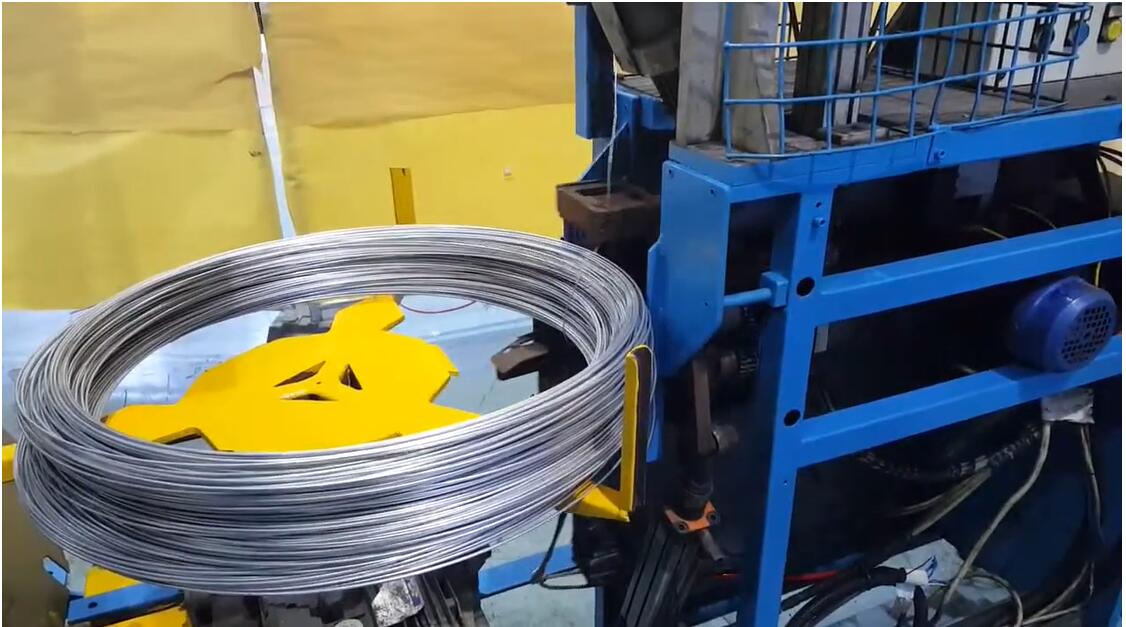
Understanding Critical KPIs
Diving deeper into the critical KPIs enables effective predictive maintenance and ensures optimum performance.
3.1 Cycle Time Analysis
Definition: The duration required for one complete strapping cycle. Monitoring variations in cycle time can indicate issues with mechanical components.Importance: A sudden increase in cycle time might point to tensioning issues or motor problems.Actionable Insight: Implement sensor-based system that automatically logs the data and notify when data out of spec.Data Collection Method: Sensor systems track the time for each stage of the strapping process.
3.2 Strap Tension Consistency
Definition: The consistency of the strap tension applied to each package. Inconsistent tension can compromise package security.Importance: Fluctuations in tension could reveal issues with the tensioning mechanism.Actionable Insight: Implement regular checks using a tension meter.Data Collection Method: Tension sensors can log the data and notify when data out of spec.
3.3 Motor Current Monitoring
Definition: Measuring the electric current drawn by the machine’s motor. Changes in motor current can signify mechanical stress or impending failures.Importance: High motor current could indicate mechanical stress on the machine or an impending motor breakdown.Actionable Insight: Implement sensor based system that automatically logs the data and notify when data out of spec.Data Collection Method: Current sensors can provide real-time data.
Using KPIs for Enhanced Performance
By implementing and continuously monitoring these KPIs, you gain insights into your steel wire strapping machine’s performance. This enables proactive maintenance, minimizing downtime and improving overall efficiency.
4. Troubleshooting Common Issues in Steel Wire Strapping Machines
Here,
- Strap Misfeeds: The equipment does not feed properly because the strap is not aligned or if there is a blockage.
- Tensioning Problems: Strap is tension is not enought to secure the items.
- Sealing Failures: Sealing is not done properly, that means, equipment does not reach optimal performance.
Conclusion
Predictive maintenance offers a transformative approach for enhancing steel wire strapping machine performance. By understanding maintenance basics, implementing predictive strategies, and monitoring key performance indicators, you can minimize downtime, optimize costs, and extend machine lifespan. Embrace this data-driven approach to ensure your operations run smoothly and efficiently.








