
How to Enhance Pipe Bundling Machine Performance with Energy-Efficient Designs?
Optimizing pipe bundling machines is key to increased productivity and decreased operational costs. Focusing on energy-efficient designs minimizes waste and enhances the overall performance optimization. This leads to more sustainable and profitable operations.
To enhance pipe bundling machine performance with energy-efficient designs, integrate servo motors, optimize sealing mechanisms using cold sealing, and implement smart controls. Reducing idle time, using thinner films, automating processes, and choosing the right materials will further minimize energy waste and improve efficiency, leading to cost savings and environmental benefits.
Ready to modernize your pipe bundling machines? Discover how targeted upgrades and operational strategies can significantly improve efficiency, reduce energy consumption, and unlock substantial cost savings. Let’s dive into the specifics!
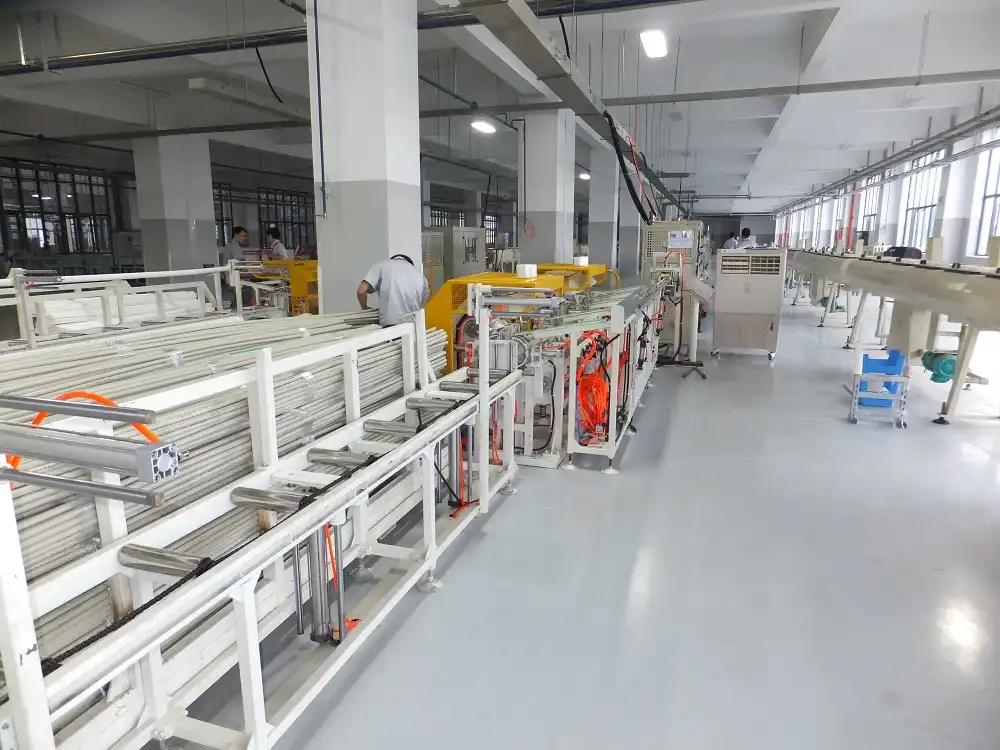
1. Optimizing Machine Design for Energy Efficiency
The design of a pipe bundling machine has a significant impact on its energy consumption. Energy-efficient components are crucial for a sustainable system.
Energy-efficient designs involve servo motors, optimized heating and sealing, and smart control systems. These choices minimize energy waste and improve efficiency, leading to lower consumption. Modern designs also focus on friction reduction and improved material flow for better performance.
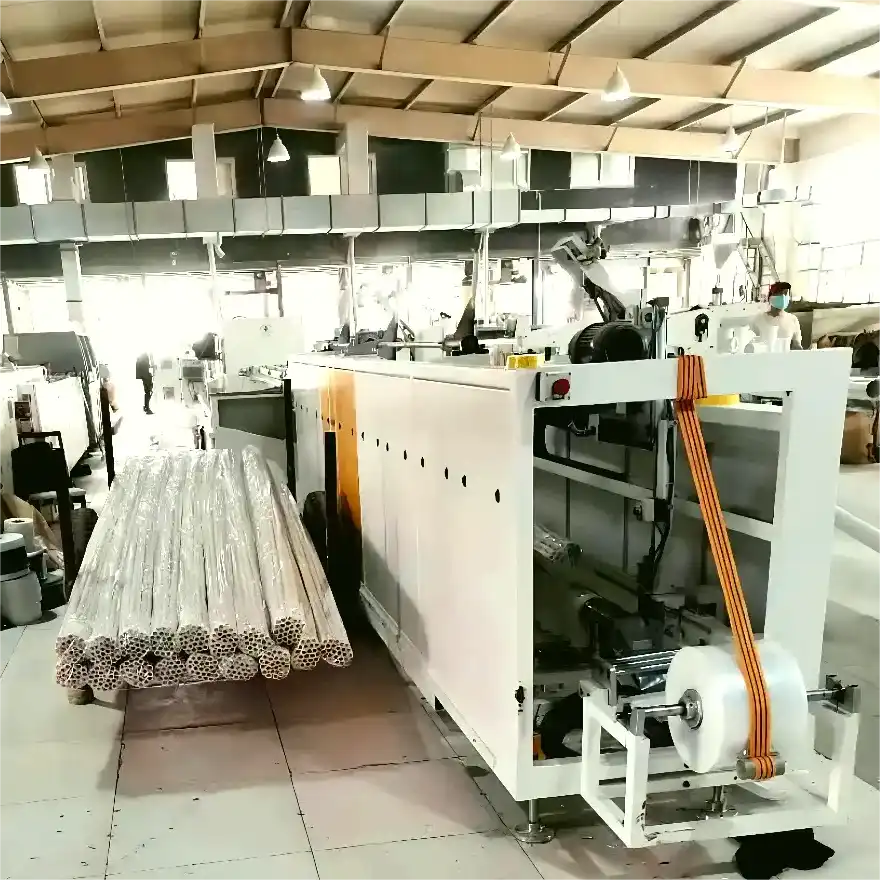
Key Design Elements: A Deep Dive into Energy Savings and Performance
To truly grasp the impact of machine design on energy consumption, it’s essential to examine specific components and technologies. Manufacturers can make informed choices when selecting or upgrading equipment by focusing on these critical areas. Let’s explore several key areas and how they contribute to overall energy savings.
Servo Motors vs. Traditional Motors: A Detailed Comparison
Servo motors offer a significant advancement in energy efficiency over traditional AC motors. Their precision and responsiveness contribute to lower energy consumption, especially during idle periods. Consider the following comparison:
| Feature | Traditional AC Motor | Servo Motor | Energy Efficiency Improvement |
|---|---|---|---|
| Energy Consumption | Higher, even during idle | Lower, especially idle times | Up to 70% |
| Control Precision | Less precise, less responsive | Highly precise, rapid response | N/A |
| Speed Control | Limited, less flexible | Wide range, highly flexible | N/A |
| Heat Generation | Higher, energy loss as heat | Lower, less heat wasted | Significant reduction |
| Lifespan | Generally shorter | Generally longer | Longer operational life |
The data demonstrates that servo motors significantly reduce energy consumption due to their efficient operation and reduced heat generation. This makes them a crucial upgrade for older pipe bundling machines.
Advanced Sealing Technologies: Cold Sealing vs. Heat Shrink
Traditional heat shrink tunnels are energy-intensive. Cold sealing methods, such as cold stretch pack sealing, offer an energy-efficient alternative, reducing energy consumption drastically.
| Sealing Technology | Heat Shrink Tunnel | Cold StretchPack Sealing | Energy Consumption Comparison |
|---|---|---|---|
| Energy Source | High heat | Mechanical stretching | Heat shrink uses significantly more energy |
| Process | Heat and shrink | Stretch and seal | Cold sealing eliminates energy-intensive heating |
| Typical Consumption | 150-200 MWh/year | 0.03 kWh per unit | Up to 90% energy saving |
| Process Steps | Separate heating & sealing | Combined sealing | Streamlined process reduces energy waste |
Switching to cold sealing can yield substantial energy savings. While heat shrinking remains suitable for certain applications, evaluating the viability of cold sealing can significantly lower energy costs.
Smart Control and Automation Systems: Real-Time Data and Adjustments
Intelligent control systems provide real-time data tracking of motor torque and energy consumption. This allows for targeted optimization and adjustments, ensuring that the machine operates at peak efficiency and minimizes energy waste.
| Feature | Benefit | Energy Saving Impact |
|---|---|---|
| Real-time Data Tracking | Monitors energy usage, identifies high-consumption areas | Allows for targeted optimization and adjustments |
| Remote Monitoring & Control | Enables adjustments without physical presence, optimizing settings | Reduces unnecessary machine operation and energy waste |
| Automated Adjustments | Programmable sealing controls adapt to production speed | Ensures consistent sealing with minimal energy input |
| Parameter Preset Mode | Saves optimal settings for future runs | Reduces setup time and ensures energy-efficient operation |
Smart controls provide data-driven insights, enabling proactive energy management. By understanding energy consumption patterns, operators can optimize machine settings to reduce waste and improve overall efficiency.
2. Implementing Smart Operational Strategies
Machine operation significantly impacts its energy consumption. Implementing smart operational strategies yields significant energy savings.
Operational efficiency involves practices like reducing machine idle time, optimizing production schedules to avoid peak energy hours, regular maintenance, and training staff on energy-saving procedures. These adjustments minimize energy waste in daily machine operation.
Practical Strategies for Minimizing Energy Use in Daily Operations
Even the most energy-efficient machine can consume excessive energy if not operated optimally. Simple changes in daily operations can dramatically reduce energy consumption.
-
Optimizing Production Schedules: Shift bundling operations to off-peak hours. Peak energy demand periods usually come with higher electricity rates. Understand your facility’s energy consumption patterns and utility rate structures.
-
Reducing Idle Time and Standby Consumption: Power down during breaks. Machines can consume energy even when idle. Implement procedures to power down machines during breaks, shift changes, or periods of inactivity.
-
Regular Maintenance and Component Checks: Prevent inefficiencies. Worn or poorly maintained components can lead to increased friction, inefficiencies, and higher energy consumption.
-
Operator Training and Energy Awareness: Educate your staff. Operators are at the forefront of machine operation, and their practices significantly impact energy consumption. Train operators on energy-efficient operation procedures.
3. Material and Process Selection for Lower Energy Bundling
The bundling materials and the bundling process influence the energy footprint of pipe packaging. Selecting energy-efficient materials is a key strategy.
Energy-conscious material and process selection includes opting for thinner yet durable films, choosing materials compatible with cold sealing, and optimizing film usage to reduce waste. These choices directly impact the energy needed for sealing and material production.
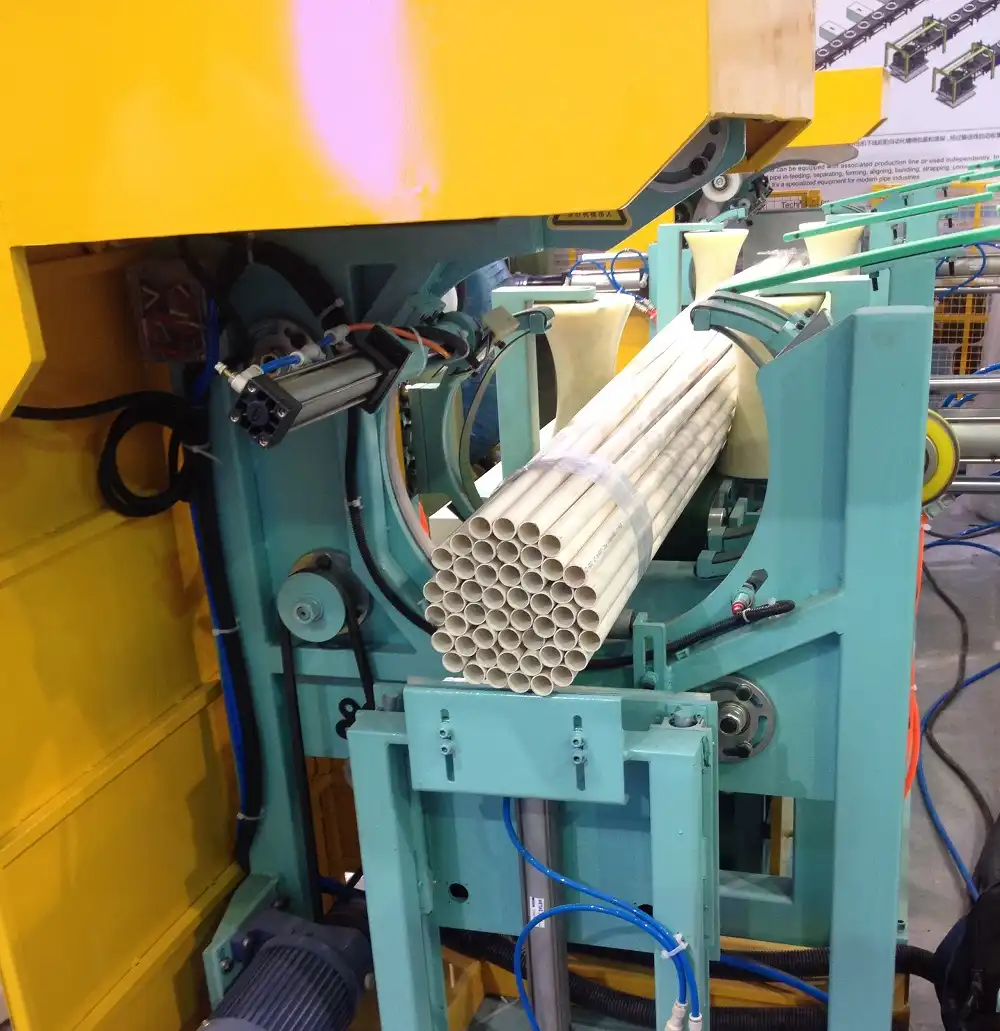
Smart Material Choices and Efficient Processes
The materials used and the processes employed in bundling are not neutral factors in energy consumption. Smart choices in these areas can lead to substantial energy savings.
Choosing Energy-Efficient Bundling Films: Thinner and Recyclable Options
The type of film used for bundling directly impacts energy consumption. Thinner films naturally require less material to produce, reducing the embodied energy. Exploring recyclable and bio-based film options can further reduce the environmental impact.
| Film Type | Thickness | Recyclability | Embodied Energy (MJ/kg) |
|---|---|---|---|
| Standard LDPE | 50 microns | No | 85 |
| Thinner LDPE | 30 microns | No | 85 |
| Recycled LDPE | 50 microns | Yes | 40 |
| Biodegradable PLA | 50 microns | Yes (Compostable) | 60 |
Optimizing Film Usage and Reducing Waste: Precision Cutting is Key
Minimizing film waste is another way to indirectly reduce energy consumption. Less waste means less material needs to be produced, transported, and potentially disposed of. Precision folding and cutting mechanisms are crucial for optimizing film usage.
| Feature | Description | Impact on Waste Reduction |
|---|---|---|
| Precision Cutting | Ensures accurate film length, minimizing overlap and excess material | High |
| Tension Control | Prevents film tearing and breakage, reducing the need for re-wrapping | Medium |
| Automated Adjustment | Automatically adjusts film usage based on pipe diameter and bundle size, optimizing material consumption | High |
Exploring Cold Sealing and Alternative Processes: A Shift from Heat
Cold sealing methods like stretch wrapping offer significant energy advantages over heat shrinking. Exploring alternatives to heat sealing can be beneficial for PVC pipe bundling, where feasible. Pipe packaging technology advancements in cold sealing technologies and film materials may offer viable lower-energy options for specific applications.
| Factor | Traditional Approach (Heat Shrink) | Energy-Efficient Approach (Cold Seal/Optimized Film) | Potential Energy Saving |
|---|---|---|---|
| Sealing Process | Heat Shrink Tunnel | Cold Stretch Wrapping | Up to 90% |
| Film Material | Thicker, Standard Film | Thinner Gauge, Optimized Film (e.g., BOPP) | 10-20% (Material Production) |
| Film Waste | Higher Waste Rate | Precision Cutting, Tension Control, Lower Waste | 5-10% (Material & Process) |
| Overall Est. Saving | Baseline | Combined Optimization | Potentially 30-95% |
4. Automation and Integrated Systems for Energy Reduction
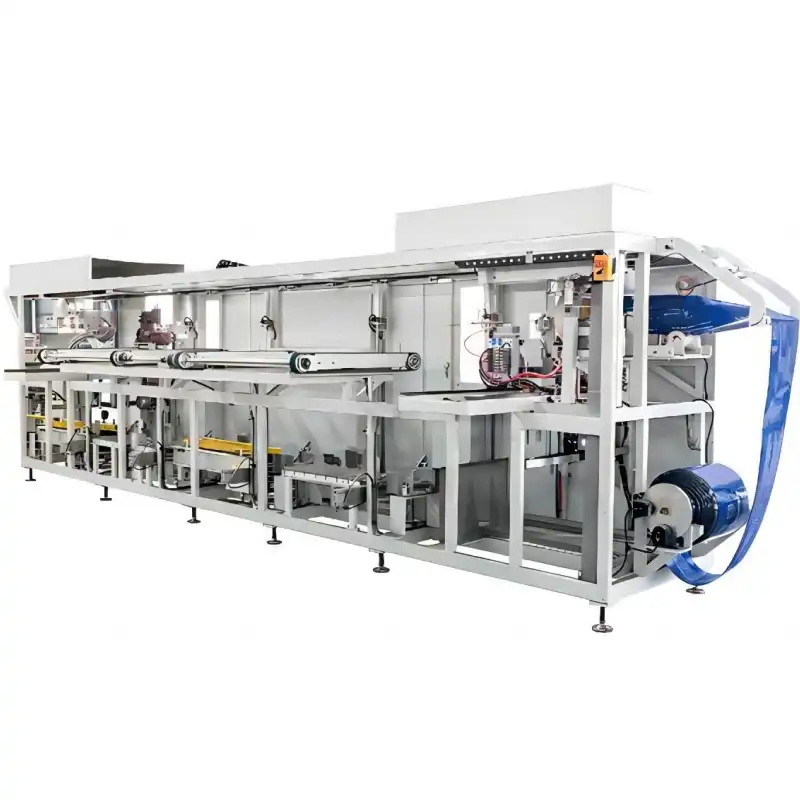
Automated bundling lines reduce energy consumption by optimizing material flow, minimizing manual intervention, and ensuring consistent machine operation. Automated sealing control, precision servo motors, and integrated systems contribute to energy savings in PVC pipe packaging processes.
A greater understanding into Automation streamlines processes, minimizes manual handling, and optimizes material and energy usage. By strategically implementing energy-efficient technologies, optimizing operations, choosing appropriate materials, and embracing automation, manufacturers can significantly reduce their energy footprint.
Automated Material Handling and Feeding reduces the need to move materials throughout the facility and the consumption of resources, with reduces consumption and cost. Integrated Folding, Sealing, and Cutting helps reduce waste. Automated Packaging and Palletizing ensures each pallet meets the proper volume.
Conclusion
Enhancing pipe bundling machine performance through energy-efficient designs reduces operational costs and environmental impact. Implementing strategies such as servo motors, optimized sealing, and smart controls minimizes waste. Embracing automation, optimizing material usage, and promoting practices improves sustainability and profitability.








