
How to Do PVC Pipe Bundle Packing: A Comprehensive Guide
PVC pipe bundle packing is a crucial step in the manufacturing and distribution process. It ensures the safe and efficient transport of pipes while minimizing damage and optimizing storage space. This guide provides a detailed overview of the process.
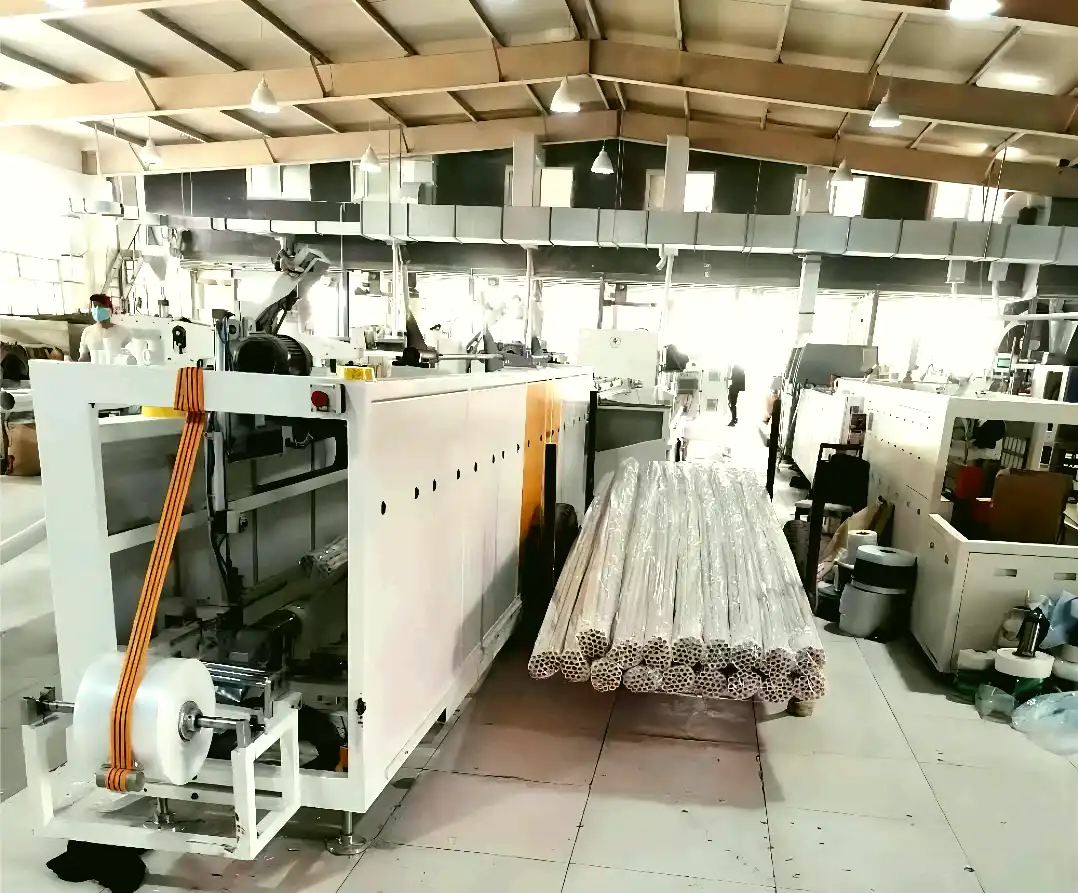
PVC pipe bundle packing involves several key steps: gathering pipes, aligning them, securing them into bundles using strapping or wrapping, and sometimes bagging for extra protection. The goal is to create stable, manageable units for easy handling and transportation while safeguarding the pipes from environmental factors.
Ready to dive deeper? Join us as we explore the essential elements of PVC pipe bundle packing, from manual techniques to fully automated systems.
1. Understanding the Basics of PVC Pipe Bundling
PVC pipe bundling is the process of grouping multiple pipes together into a single, manageable unit. This is done to facilitate handling, storage, and transportation, as well as to protect the pipes from damage.
PVC pipe bundling involves gathering a predetermined number of pipes, aligning them to ensure uniformity, and then securing them tightly together. The choice of bundling method—strapping, wrapping, or bagging—depends on factors like pipe size, weight, and intended use. A well-executed bundle ensures safe handling and reduces the risk of damage during transit.
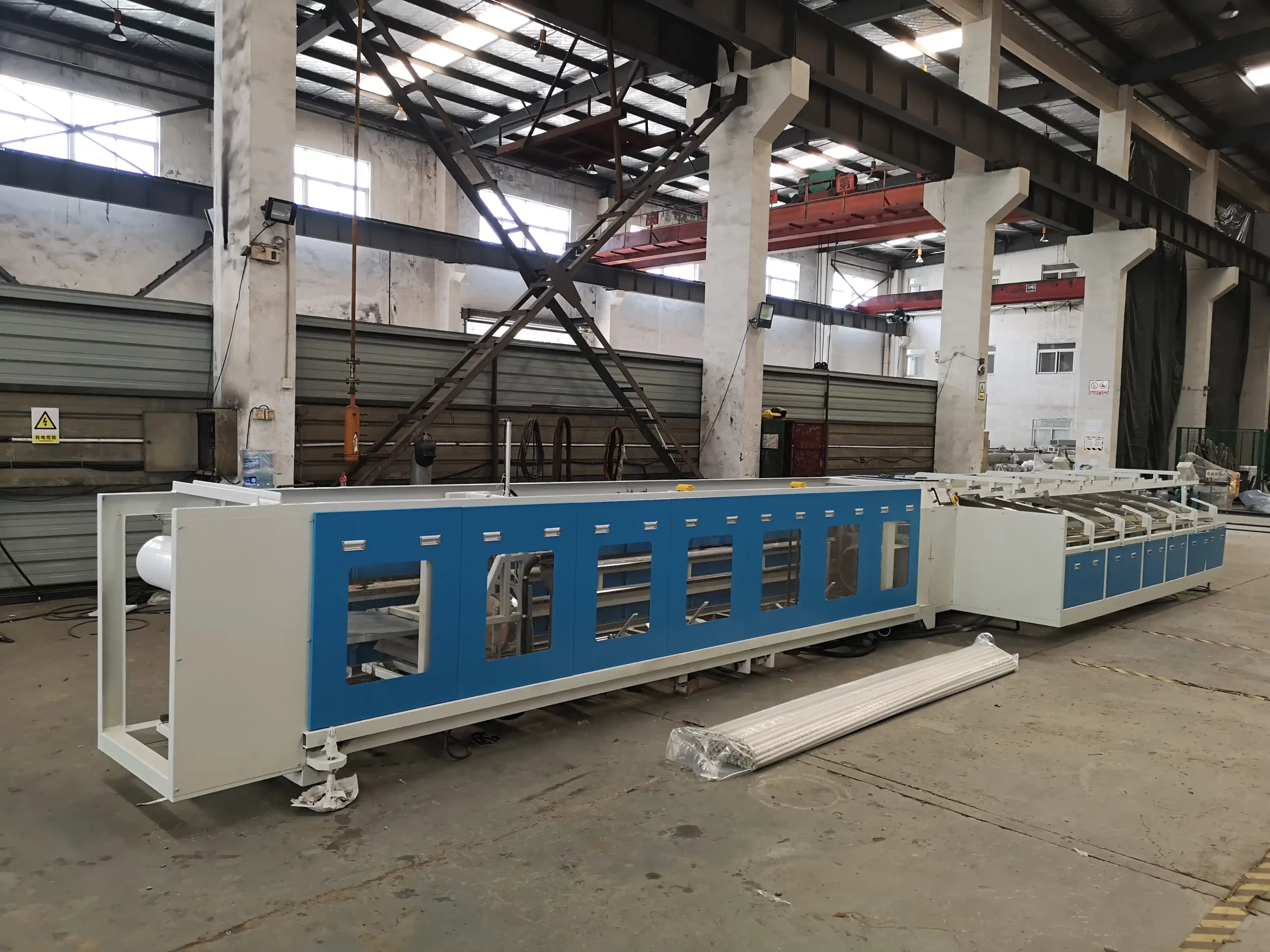
Optimizing Efficiency: Manual vs. Automatic PVC Pipe Bundling
The decision between manual and automatic PVC pipe bundling depends on production volume, budget, and desired efficiency. Let’s explore the pros and cons of each approach.
Manual Bundling
Manual bundling involves physically gathering, aligning, and securing the pipes. This method is labor-intensive and typically used for smaller production runs.
- Pros:
- Lower initial investment
- Flexibility for handling different pipe sizes and bundle configurations
- Suitable for small-scale operations
- Cons:
- High labor costs
- Lower production speed
- Inconsistent bundle quality
- Higher risk of worker injury








