

How to Do Automatic Wire Packing for Wire Drawing Line
Automatic wire packing streamlines the wire drawing process, enhancing efficiency and reducing manual labor. Integrating automation ensures consistent, high-quality packaging, which is critical for protecting wire integrity during storage and transport. This modern approach significantly improves productivity in the steel industry.


Automatic wire packing for a wire drawing line involves a system that automatically coils, wraps, and secures wire after it is drawn. The system typically includes sensors, robotic arms, and programmable logic controllers (PLCs) to ensure precise and efficient packaging, minimizing the need for manual intervention and reducing the risk of damage.
Transitioning to automatic wire packing is a significant upgrade. Curious how this technology can revolutionize your wire drawing line? Keep reading to discover the benefits and processes involved in implementing automated wire packing.
1. Understanding the Basics of Automatic Wire Packing Systems
Automatic wire packing systems are revolutionizing the wire drawing industry by automating the final stage of production. These systems ensure that the wire is properly coiled, wrapped, and secured for transport and storage, enhancing efficiency and minimizing potential damage.
An automatic wire packing system integrates several key components, including a coiling unit, wrapping mechanism, strapping or binding station, and a control system. The system synchronizes these components to automatically manage the wire, reducing manual labor, improving packing accuracy, and ensuring consistent packaging quality, which is essential for protecting the wire during transportation and storage.


Key Components and Their Functions
To fully grasp the workings of an automatic wire packing system, it’s essential to dissect its core components and understand their individual roles. The system’s efficacy hinges on how well these components coordinate to ensure a seamless and reliable packing process.
Coiling Unit
The coiling unit is the starting point of the automated packing process. Its primary function is to collect the continuous stream of wire coming from the drawing line and wind it into neat, uniform coils. The coiling unit typically includes:
- Rotating Mandrel: This component is responsible for winding the wire. Its adjustable speed and tension controls ensure that the wire is coiled tightly and uniformly.
- Wire Guide System: This system ensures that the wire is evenly distributed across the mandrel to create a level and consistent coil.
- Cut-off Mechanism: Once the coil reaches a preset length or weight, the cut-off mechanism automatically cuts the wire, preparing the coil for the next stage.
Wrapping Mechanism
The wrapping mechanism’s role is to encase the wire coil in protective material, shielding it from environmental factors and physical damage during handling and transit. Key features include:
- Film or Paper Dispenser: This component feeds wrapping material (typically plastic film or paper) around the coil.
- Tension Control: Ensures that the wrapping material is applied tightly and evenly, preventing loose spots that could compromise protection.
- Sealing System: Seals the wrapping material to fully enclose the coil. This can involve heat sealing, gluing, or taping methods, depending on the material used.
Strapping/Binding Station
The strapping or binding station is responsible for securing the wrapped coil, preventing it from unraveling during transport and storage. This station typically includes:
- Strap Dispenser: Feeds straps (usually made of steel, plastic, or composite materials) around the wrapped coil.
- Tensioning Device: Tightens the strap to a preset tension, ensuring the coil is held securely.
- Sealing/Welding Mechanism: Seals the ends of the strap together, creating a closed loop that holds the coil tightly.
- Cutting Mechanism: Cuts off excess strapping material, leaving a clean and secure finish.
Control System
The control system acts as the brain of the automatic wire packing system, synchronizing the actions of all other components to ensure a smooth and efficient process. Key elements of the control system include:
- Programmable Logic Controller (PLC): This central controller manages all aspects of the system, from starting and stopping individual components to monitoring sensors and adjusting parameters.
- Human-Machine Interface (HMI): This interface allows operators to monitor the system’s status, adjust settings, and troubleshoot any issues that may arise.
- Sensors: These devices provide feedback to the PLC, allowing it to adjust the system’s operation based on real-time conditions. Sensors can monitor wire tension, coil diameter, wrapping material levels, and other critical parameters.
Benefits of Using Automatic Wire Packing Systems
| Benefit | Description |
|---|---|
| Increased Efficiency | Automating the wire packing process significantly increases the speed and throughput of the production line, reducing the time required to pack each coil and allowing for higher production volumes. |
| Reduced Labor Costs | Automation reduces the need for manual labor, lowering labor costs and freeing up workers to focus on other tasks. |
| Improved Consistency | Automatic systems ensure that each coil is packed to the same standards, improving consistency and reducing the risk of errors. |
| Enhanced Safety | By minimizing manual handling of wire coils, automatic systems reduce the risk of injuries to workers. |
| Reduced Material Waste | Precise control over wrapping material and strapping tension minimizes waste, reducing material costs and environmental impact. |
2. Implementing an Automatic Wire Packing System
Successfully integrating an automatic wire packing system into a wire drawing line necessitates careful planning and execution. It involves understanding the unique requirements of the production process, selecting the appropriate equipment, and ensuring seamless integration.
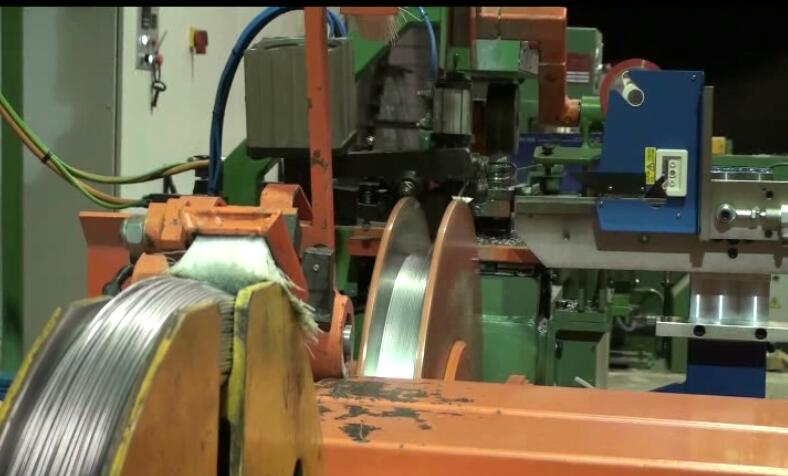
Implementing an automatic wire packing system begins with a comprehensive assessment of the current wire drawing process. This involves analyzing production volume, wire type, coil size, and specific packaging requirements. Selecting the right system configuration, integrating it with existing machinery, and providing thorough training for operators are essential steps to ensure a smooth and efficient transition.

Key Steps for Seamless Integration
Automating wire packing isn’t a plug-and-play affair. It demands a strategic approach to ensure the system aligns perfectly with existing operations and yields the desired results.
1. Conduct a Thorough Needs Analysis
Before diving into equipment selection, it’s vital to conduct a comprehensive assessment of your current wire drawing process. This involves:
- Evaluating Production Volume: Determine the average and peak production volumes to ensure the automatic packing system can handle the workload.
- Identifying Wire Types: Different wire types (e.g., steel, copper, aluminum) may require different handling and wrapping techniques.
- Analyzing Coil Sizes and Weights: The system must be capable of handling the range of coil sizes and weights produced by the wire drawing line.
- Defining Packaging Requirements: Determine the specific packaging requirements, such as the type of wrapping material, strapping material, and labeling needs.
2. Select the Right System Configuration
Based on the needs analysis, select an automatic wire packing system configuration that meets your specific requirements. Consider factors such as:
- System Capacity: Ensure the system can handle the required production volume.
- Wire Type Compatibility: Verify that the system is compatible with the types of wire you produce.
- Coil Size Range: Ensure the system can accommodate the range of coil sizes you produce.
- Automation Level: Choose a system with the appropriate level of automation for your needs.
3. Plan the Physical Integration
Carefully plan the physical integration of the automatic packing system into the wire drawing line. This involves:
- Assessing Space Requirements: Ensure there is sufficient space to accommodate the new equipment.
- Planning Material Flow: Design the layout to ensure a smooth and efficient flow of materials through the system.
- Coordinating with Existing Machinery: Ensure the automatic packing system can be seamlessly integrated with existing machinery.
4. Implement Control System Integration
Integrate the control system of the automatic packing system with the existing control systems of the wire drawing line. This involves:
- Establishing Communication Protocols: Ensure the control systems can communicate with each other.
- Synchronizing Operations: Synchronize the operations of the automatic packing system with the wire drawing line.
- Implementing Safety Interlocks: Implement safety interlocks to prevent accidents and protect workers.
5. Provide Operator Training
Provide thorough training to operators on the operation and maintenance of the automatic packing system. This training should cover:
- System Operation: How to start, stop, and monitor the system.
- Troubleshooting: How to identify and resolve common issues.
- Maintenance: How to perform routine maintenance tasks.
6. Monitor and Optimize Performance
Continuously monitor and optimize the performance of the automatic packing system to ensure it is operating at peak efficiency. This involves:
- Tracking Key Performance Indicators (KPIs): Track KPIs such as production volume, packing accuracy, and material waste.
- Identifying Areas for Improvement: Identify areas where the system’s performance can be improved.
- Implementing Optimization Measures: Implement measures to optimize the system’s performance.
3. Troubleshooting Common Issues in Automatic Wire Packing
Even with careful planning and execution, automatic wire packing systems can encounter operational issues. Quick identification and resolution are vital to maintaining productivity.
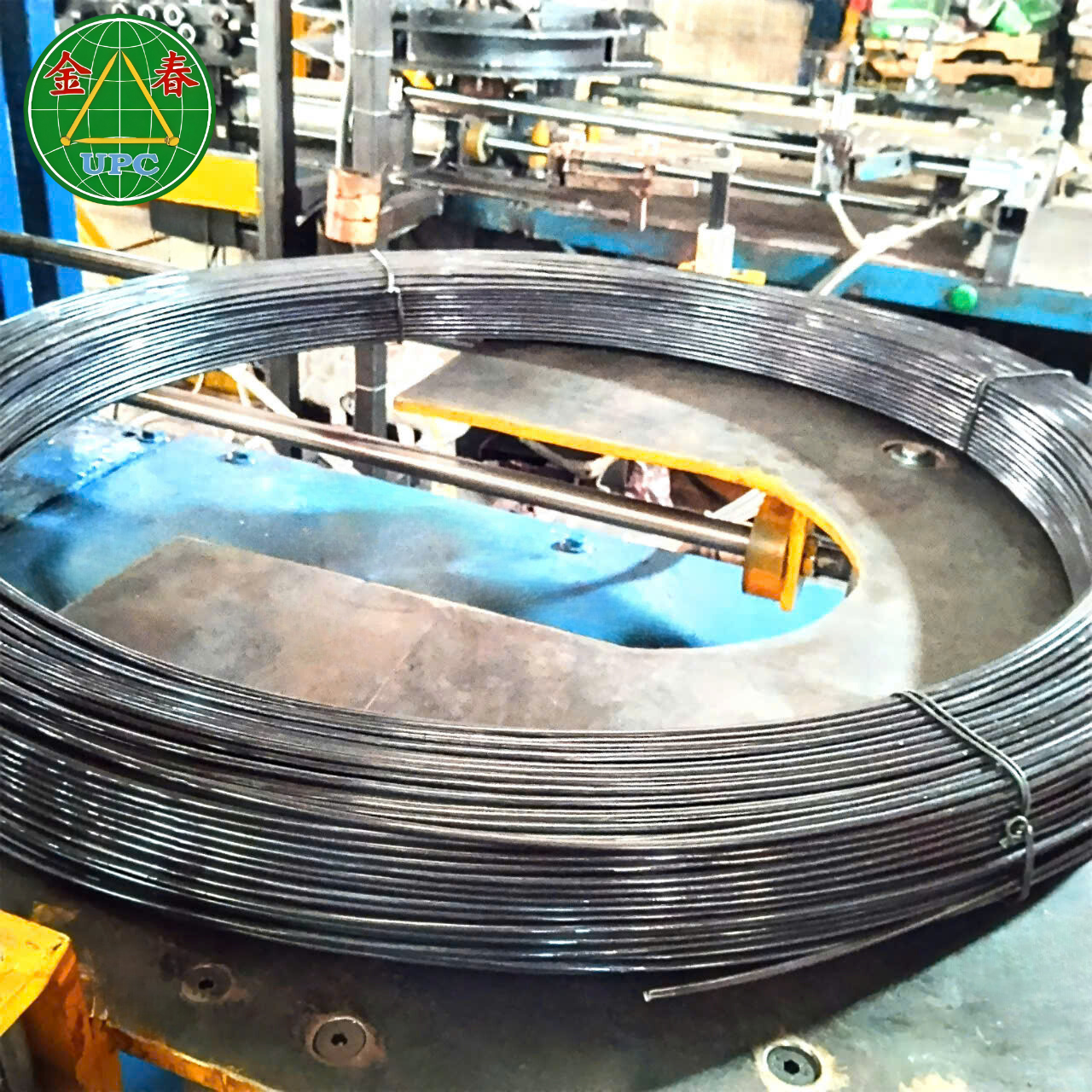
Common issues in automatic wire packing systems include wire jams, wrapping material tears, strapping malfunctions, and control system errors. Diagnosing the root cause and implementing corrective actions such as adjusting tension settings, replacing worn parts, or recalibrating sensors, can minimize downtime and ensure consistent performance.

Addressing Frequent Challenges
1. Wire Jams
Wire jams can occur at various points in the system, disrupting the flow of material and potentially damaging equipment. Common causes include:
- Incorrect Wire Tension: If the wire tension is too low, the wire may become slack and tangle. If the tension is too high, the wire may break or become deformed.
- Misaligned Guides: Misaligned wire guides can cause the wire to deviate from its intended path, leading to jams.
- Worn or Damaged Components: Worn or damaged rollers, guides, or other components can create friction and cause the wire to snag.
2. Wrapping Material Tears
Tears in the wrapping material can compromise the protection of the wire coil and require manual intervention to correct. Common causes include:
- Incorrect Tension: If the wrapping material tension is too high, it may tear. If the tension is too low, the material may not provide adequate protection.
- Sharp Edges or Burrs: Sharp edges or burrs on the equipment can snag the wrapping material and cause it to tear.
- Low-Quality Material: Using low-quality wrapping material can increase the risk of tears.
3. Strapping Malfunctions
Strapping malfunctions can result in unsecured coils, increasing the risk of damage during transport and storage. Common causes include:
- Incorrect Tension: If the strapping tension is too low, the coil may not be securely bound. If the tension is too high, the strap may break or damage the coil.
- Misaligned Strapping Head: A misaligned strapping head can cause the strap to be applied incorrectly, leading to malfunctions.
- Worn or Damaged Components: Worn or damaged strapping head components can cause the strap to malfunction.
4. Control System Errors
Control system errors can disrupt the operation of the entire automatic packing system. Common causes include:
- Sensor Malfunctions: Malfunctioning sensors can provide inaccurate data to the PLC, leading to errors.
- Software Bugs: Software bugs can cause the PLC to malfunction.
- Communication Issues: Communication issues between the PLC and other components can disrupt the operation of the system.
| Problem | Possible Cause | Solution |
|---|---|---|
| Wire Jams | Incorrect wire tension, misaligned guides, worn components | Adjust tension, align guides, replace worn parts |
| Wrapping Material Tears | Incorrect tension, sharp edges, low-quality material | Adjust tension, remove sharp edges, use high-quality material |
| Strapping Malfunctions | Incorrect tension, misaligned strapping head, worn components | Adjust tension, align strapping head, replace worn parts |
| Control System Errors | Sensor malfunctions, software bugs, communication issues | Replace sensors, update software, check communication cables |
4. The Future of Automatic Wire Packing


The future of automatic wire packing will be characterized by enhanced automation, real-time monitoring, and predictive maintenance. These advancements will lead to greater efficiency, reduced downtime, and improved sustainability in wire drawing operations.
Conclusion
Automatic wire packing represents a significant advancement in wire drawing technology, enhancing efficiency, consistency, and safety. By understanding the system’s components, implementing it correctly, and troubleshooting common issues, manufacturers can reap substantial benefits, optimizing their production processes. As technology continues to evolve, automatic wire packing systems will become even more integral to the wire drawing industry.












