
How to Do Automatic Steel Wire Compacting Automatically
Automating steel wire compacting enhances efficiency and consistency in manufacturing. This process, crucial for preparing wire coils for storage and transport, can be significantly improved using automated systems. Let’s delve into how automation streamlines this task.
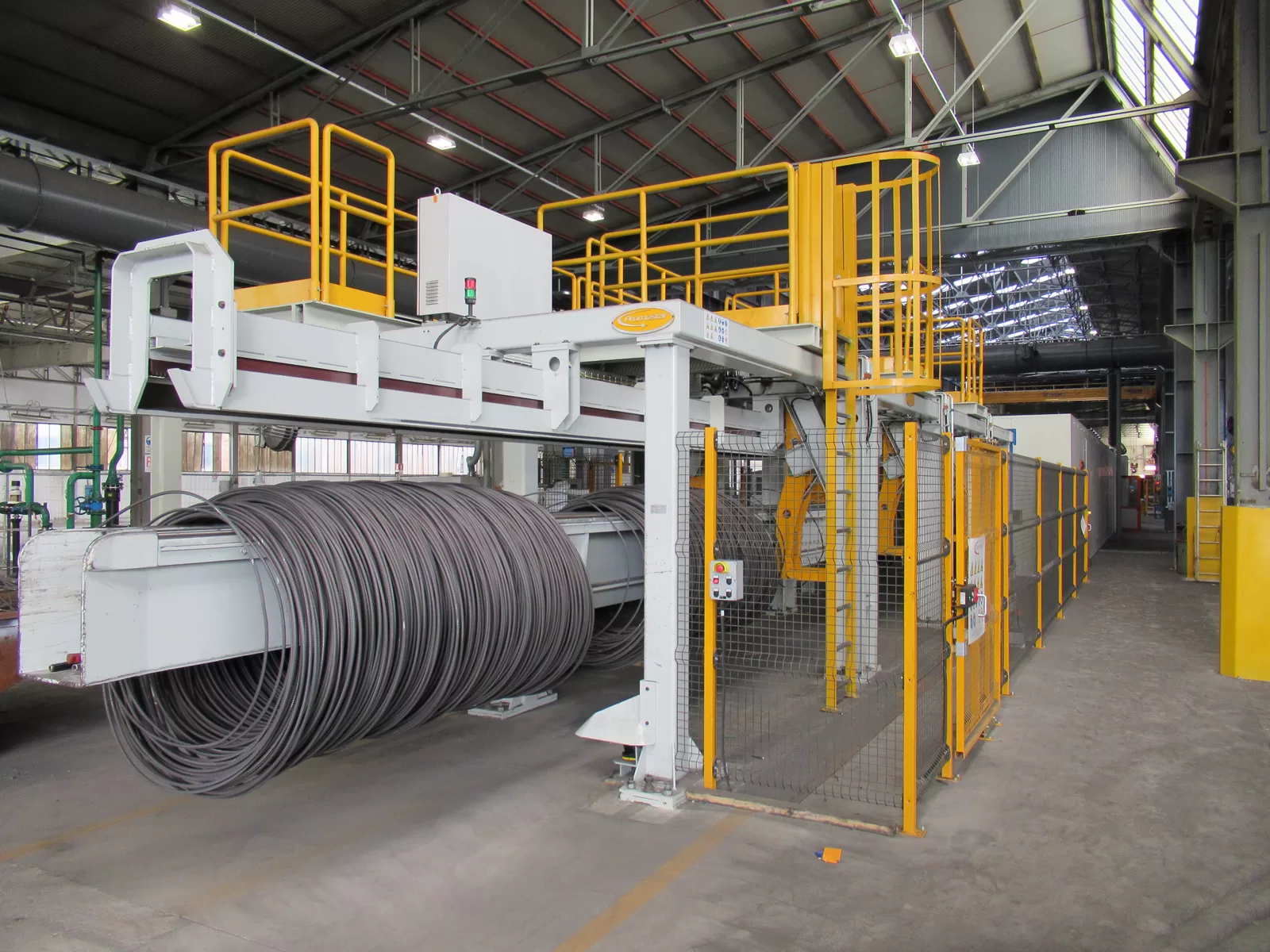
To automatically compact steel wire, utilize a wire compacting machine integrated with a conveyor and strapping unit. This system streamlines the process from drawing to packing, separating coils and baskets for online operation. The machine then applies straps tailored to the coil size, replacing manual labor and boosting efficiency.
Transitioning to automated steel wire compacting not only increases productivity but also ensures consistent quality. Let’s explore the key aspects of automating this process, from choosing the right equipment to understanding the technical specifications and benefits.
1. Understanding Automatic Wire Compacting Machines
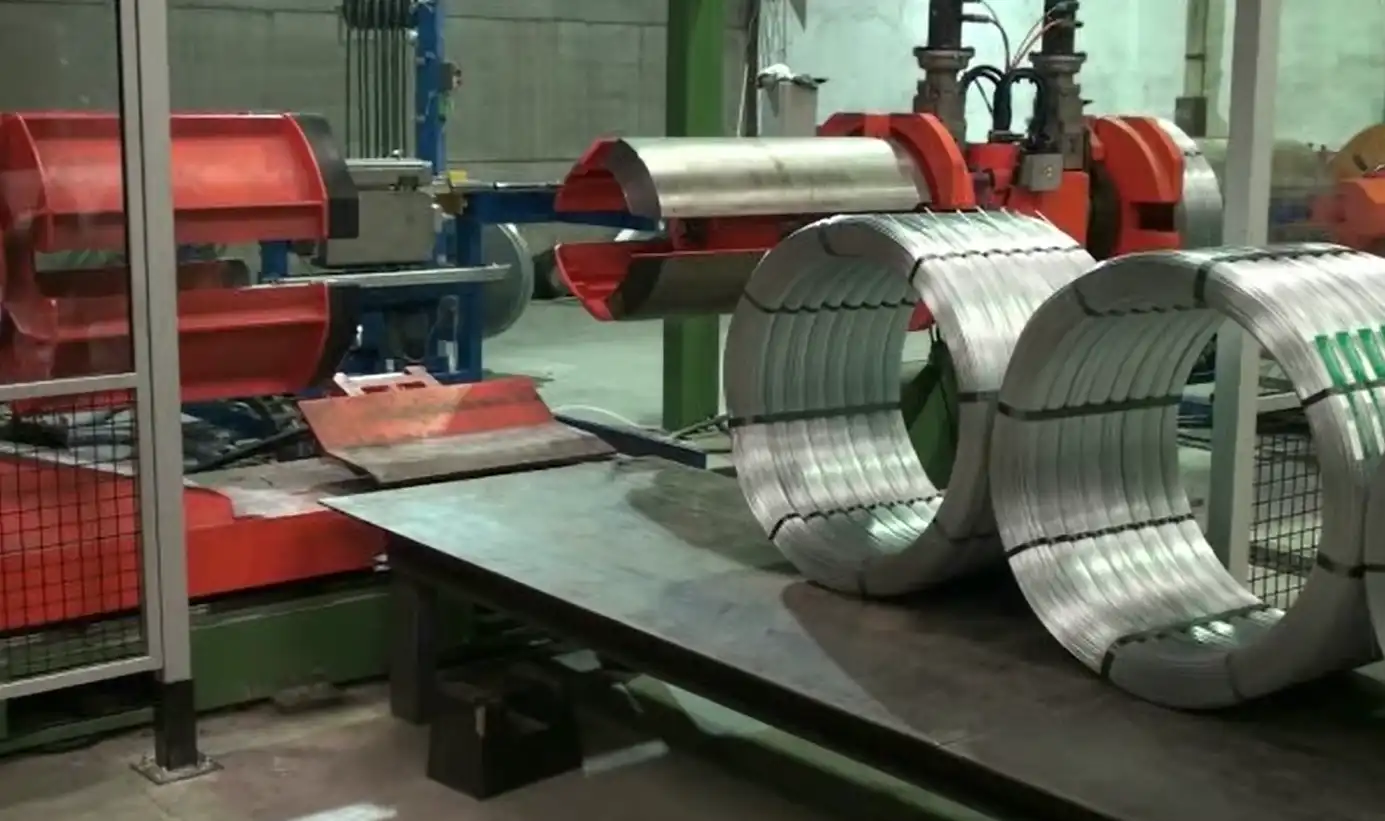
Automatic wire compacting machines are designed to compress and bundle steel wire coils efficiently. They integrate several functions, including compacting, conveying, and strapping, into a single automated system.
Automatic wire compacting machines streamline steel wire packaging by integrating compacting, conveying, and strapping processes. These systems reduce manual handling, improve operational efficiency, and ensure consistent coil sizes. Equipped with features like automatic strap feeders and durable designs, they are essential for modern wire manufacturing.
Key Components and Functionality
To understand how to achieve automatic steel wire compacting, it’s essential to break down the machine’s key components and how they work together. This will give you a deeper insight into what makes an effective system.
1. Compacting Unit
This unit is responsible for compressing the wire coil into a more manageable size. The hydraulic system applies pressure to the coil, reducing its volume and making it easier to handle.
2. Conveyor System
The conveyor system moves the wire coils through the different stages of the compacting and strapping process. This ensures a continuous and efficient workflow.
3. Strapping Unit
The strapping unit secures the compacted coil with steel or PET straps. This is crucial for maintaining the coil’s shape and preventing it from unraveling during transport.
4. Control System
The control system, often PLC-based, manages the entire process, coordinating the actions of the compacting, conveying, and strapping units.
Choosing the Right Machine
Selecting the appropriate wire compacting machine depends on several factors, including the size and type of wire coils you handle, the desired level of automation, and your budget. Consider the following comparison of semi-automatic and automatic models:
| Feature | Semi-Automatic | Automatic |
|---|---|---|
| Automation Level | Requires manual intervention for some steps. | Fully automated process. |
| Speed | Slower due to manual handling. | Faster and more efficient. |
| Labor | Requires more labor. | Requires less labor. |
| Cost | Lower initial cost. | Higher initial cost, but lower long-term operating costs. |
| Complexity | Simpler design. | More complex design. |
Choosing an automatic system for wire packing machine ensures increased efficiency, reduced labor costs, and consistent results. Although the initial investment is higher, the long-term benefits often outweigh the costs.
2. Implementing Automation in Steel Wire Compacting
Successfully automating steel wire compacting involves several steps, from initial planning to final implementation and ongoing maintenance. Here’s a breakdown of the key considerations:
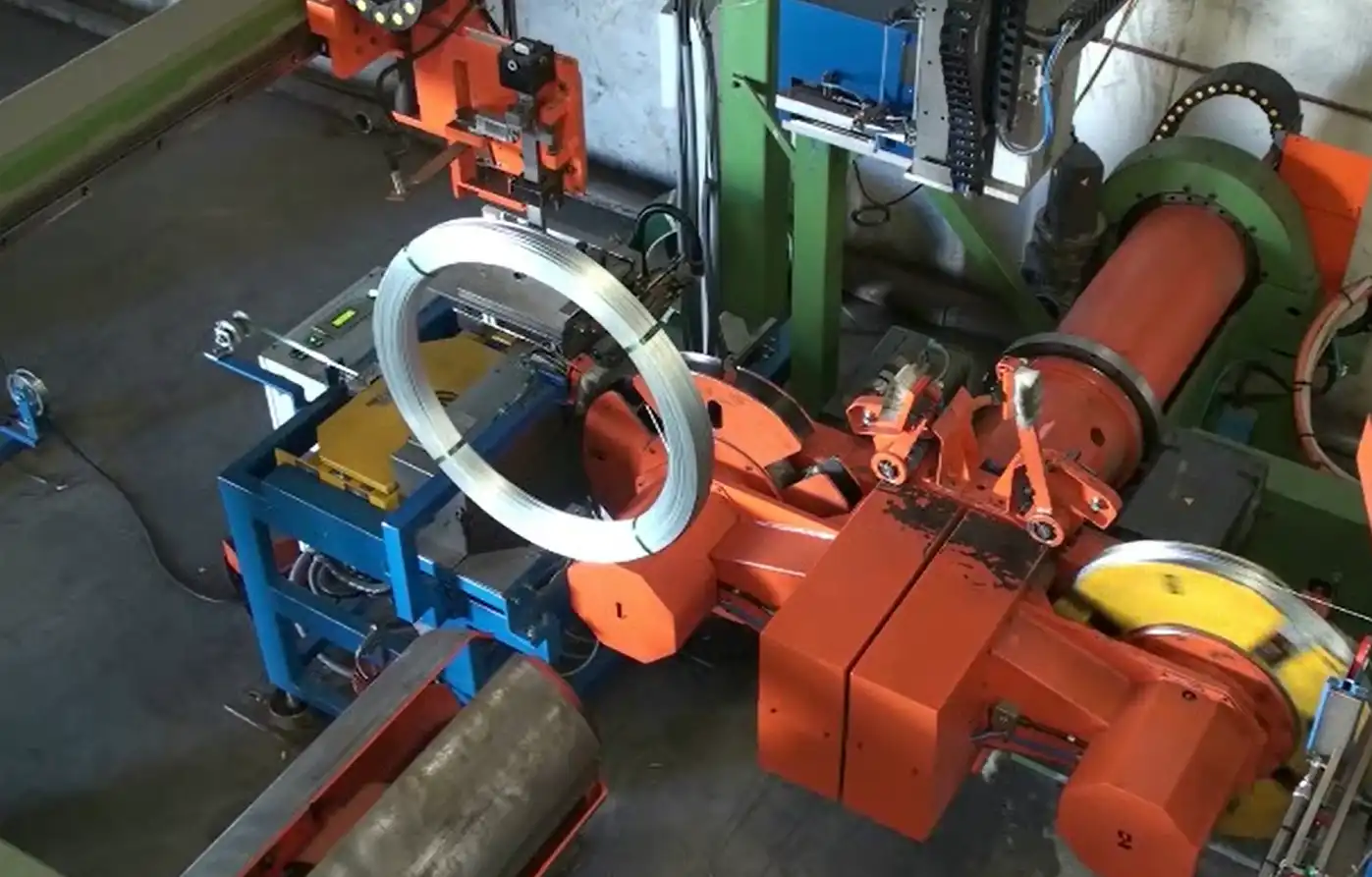
Automating steel wire compacting requires careful planning, equipment selection, and system integration. Consider factors like production volume, coil size, and material type. Proper installation, operator training, and regular maintenance are crucial for maximizing efficiency and ensuring long-term performance.
Step-by-Step Guide to Automation
To ensure a smooth transition to automatic steel wire compacting, follow this step-by-step guide:
1. Assess Your Needs
Evaluate your current wire compacting process to identify bottlenecks and areas for improvement. Determine the volume of wire coils you need to process daily, the range of coil sizes, and any specific requirements for strapping or packaging.
2. Select the Right Equipment
Choose a wire compacting machine that meets your specific needs. Consider factors like the maximum coil size, the type of strapping material, and the level of automation.
3. Integrate the System
Integrate the wire compacting machine into your existing production line. This may involve modifying your conveyor system or adding additional equipment to handle the compacted coils.
4. Train Your Operators
Provide comprehensive training to your operators on how to use and maintain the wire compacting machine. This will help ensure that the system runs smoothly and efficiently.
5. Maintain the Equipment
Regularly inspect and maintain the wire compacting machine to prevent breakdowns and ensure long-term performance. This may involve lubricating moving parts, replacing worn components, and calibrating the control system.
Technical Details for Optimal Performance
Understanding the technical aspects of automatic wire compacting machines is crucial for achieving optimal performance. Here are some key technical details to consider:
- Hydraulic Pressure: The hydraulic pressure used to compact the wire coil should be carefully adjusted to avoid damaging the wire.
- Strapping Tension: The tension of the strapping material should be optimized to ensure that the coil is securely bundled without being over-tightened.
- Conveyor Speed: The speed of the conveyor system should be synchronized with the compacting and strapping units to maintain a smooth and efficient workflow.
3. Benefits of Automatic Steel Wire Compacting
Implementing automatic steel wire compacting offers numerous advantages, including increased efficiency, reduced labor costs, improved product quality, and enhanced safety.
Automatic steel wire compacting improves efficiency, reduces labor, enhances safety, and ensures consistent quality. These machines streamline the packaging process, minimizing material waste and optimizing space. The result is a more streamlined, cost-effective operation with higher production throughput.

How Automation Transforms Wire Handling
Let’s explore how automation can transform wire handling:
1. Increased Efficiency
Automatic wire compacting machines can process wire coils much faster than manual methods, increasing your overall production throughput.
2. Reduced Labor Costs
By automating the compacting and strapping process, you can reduce the number of workers needed to handle wire coils, lowering your labor costs.
3. Improved Product Quality
Automatic wire compacting machines ensure consistent coil sizes and strapping tension, improving the quality and appearance of your products.
Here is a table highlighting the benefits of automation:
| Benefit | Description |
|---|---|
| Increased Efficiency | Automated systems can process coils much faster than manual methods, boosting production rates. |
| Reduced Labor Costs | Less manual intervention is required, reducing the need for a large workforce. |
| Improved Quality | Consistent compaction and strapping ensure that each coil meets the desired specifications, reducing defects. |
| Enhanced Safety | Automated systems reduce the risk of worker injuries by minimizing manual handling of heavy wire coils. |
| Material Savings | Optimized compaction and strapping processes reduce material waste, saving costs. |
| Space Optimization | Compacted coils require less storage space, improving warehouse efficiency. |
4. Enhanced Safety
Automatic wire compacting machines reduce the risk of worker injuries by minimizing manual handling of heavy wire coils.
Addressing Common Challenges
While automatic steel wire compacting offers many benefits, it also presents some challenges. Here are some common issues and how to address them:
- Machine Downtime: Regular maintenance and prompt repairs can minimize machine downtime.
- Operator Training: Comprehensive training can help operators effectively use and troubleshoot the equipment.
- System Integration: Careful planning and integration can ensure that the wire compacting machine works seamlessly with your existing production line.
4. Examples of Wire Compacting Machines
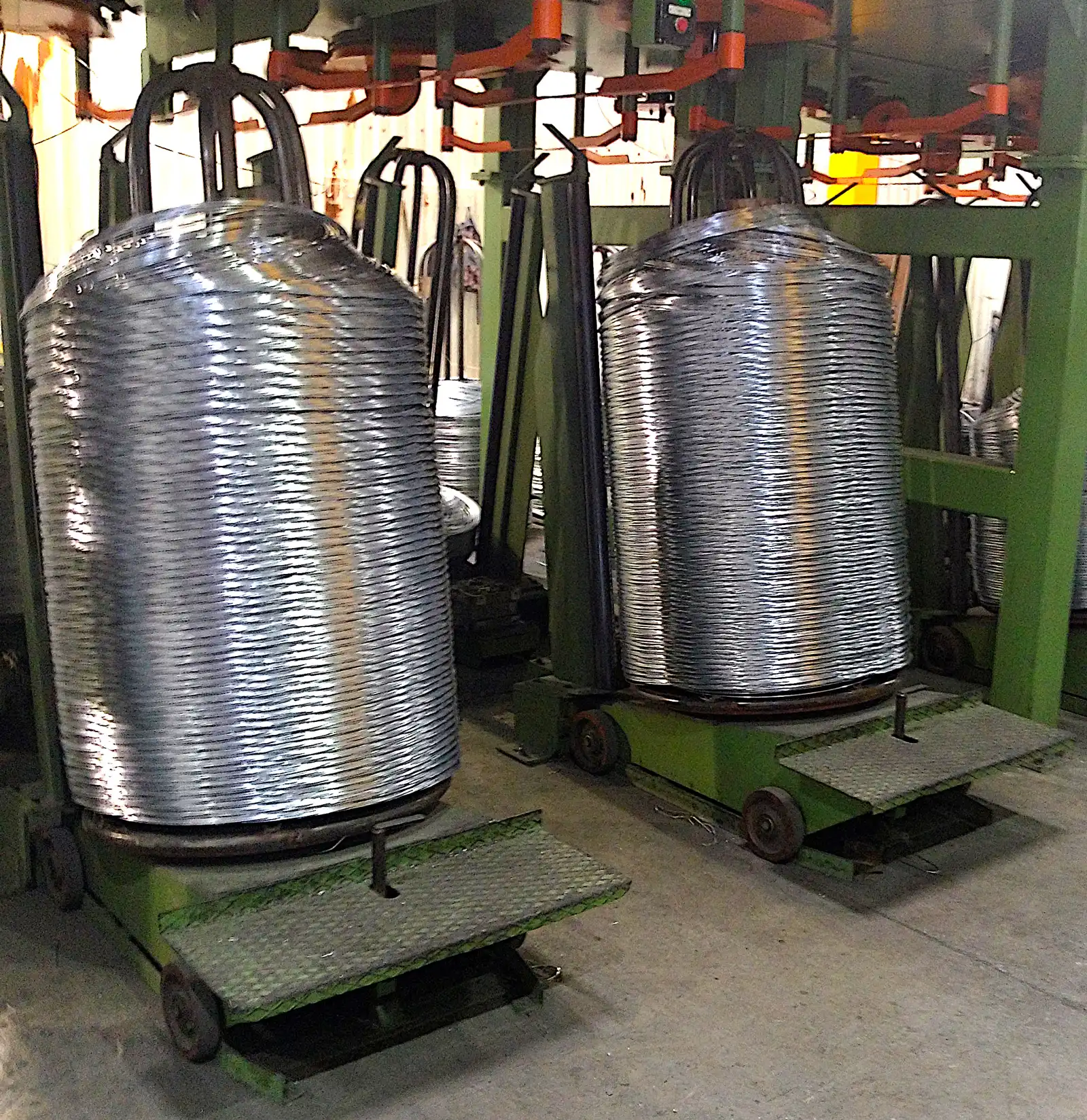
Automatic wire compacting machines have revolutionized steel wire handling. These machines efficiently compress and bundle steel wire coils, improving productivity.
Automatic wire compacting machines are engineered to compact wire rods and apply steel or PET straps through the coil’s eye simultaneously. Models like the RHC-4H and RVC-4H streamline packaging, minimize manual handling, and ensure secure bundling for transport.
Wire rod compactors, advanced industrial machines, streamline compacting wire rod coils. They efficiently apply steel or PET strapping through the coil’s eye, ideal for industries requiring secure bundling and transportation.
Conclusion
Automating steel wire compacting is a worthwhile investment for companies looking to improve efficiency, reduce labor costs, and enhance product quality. By understanding the key components, benefits, and implementation steps, you can successfully automate your wire compacting process and gain a competitive edge. Implementing automatic wire compacting requires careful planning, equipment selection, and a commitment to continuous improvement.








