

How to Automate PPR Pipe Bagging
Automating the PPR pipe bagging process enhances efficiency, reduces labor costs, and ensures consistent packaging. This improvement is crucial for businesses looking to streamline operations and increase production output. Discover how automation transforms pipe packaging.

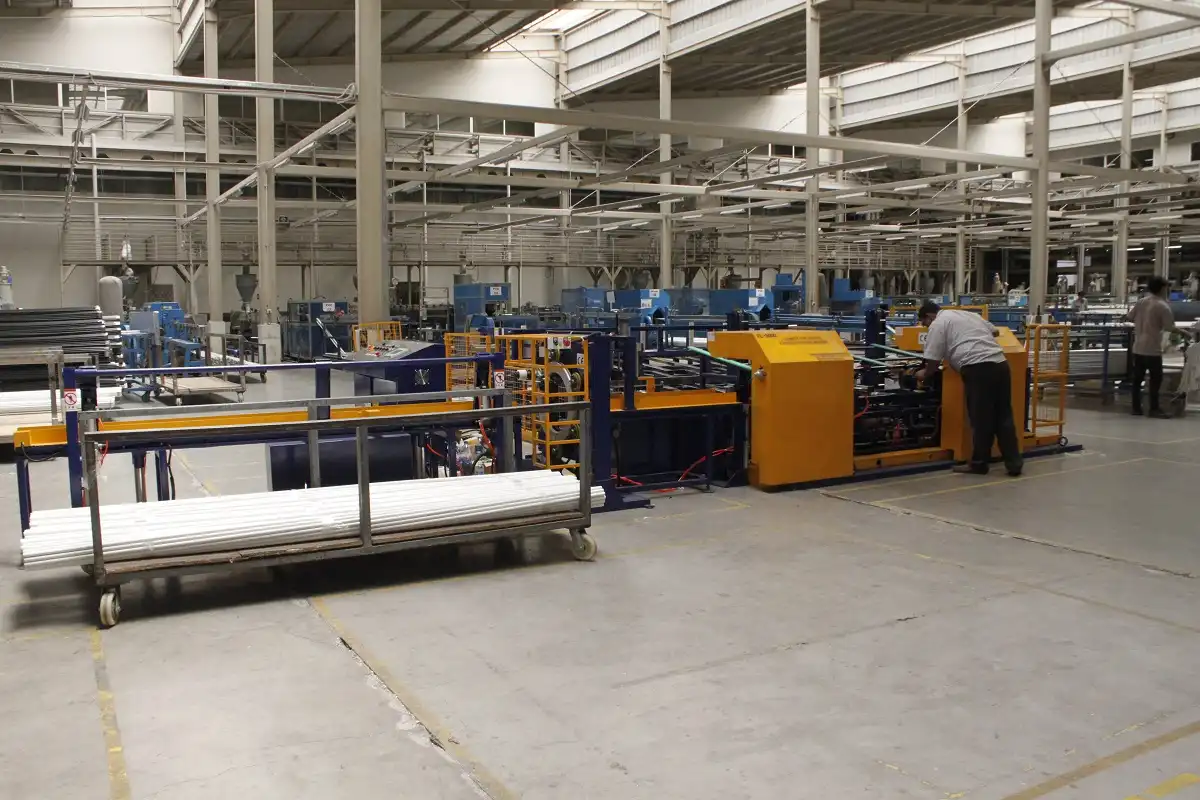
Automatic PPR pipe bagging involves using specialized machinery that counts, arranges, and seals pipes into bags. This process typically includes feeding systems, bag forming, sealing, and output conveying, significantly reducing manual labor and increasing throughput compared to manual bagging methods.
Ready to explore how to bring your PPR pipe packaging into the 21st century? Keep reading to discover the nuts and bolts of automatic bagging solutions and how they can revolutionize your production line.
1. Understanding Automatic Bagging Machines for PPR Pipes
Automatic bagging machines for PPR pipes represent a significant leap in packaging technology. They streamline the process, reduce labor, and increase output. Understanding their components and capabilities is essential for any company looking to invest in this technology.
An automatic bagging machine for PPR pipes automates the process of placing pipes into bags, sealing them, and preparing them for shipment. These machines use sensors, conveyors, and automated sealing mechanisms to increase efficiency and reduce the need for manual labor, leading to faster production times and lower costs.

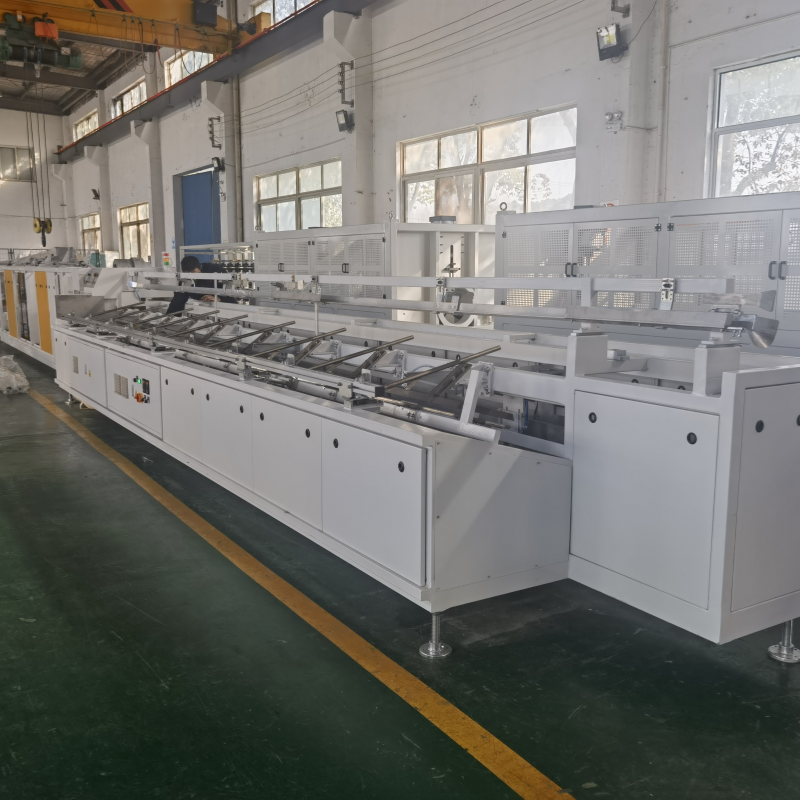
The Core Components and Functionality of PPR Pipe Bagging Machines
The functionality of automatic PPR pipe bagging machines can be dissected by examining their core components. Each element plays a critical role in ensuring the seamless and efficient packaging of PPR pipes. This section breaks down these components and discusses the challenges and opportunities presented by each.
1. Feeding and Counting Mechanisms
The initial stage involves accurately feeding and counting the PPR pipes. Challenges here include handling pipes of varying diameters and lengths without causing damage. Solutions often involve using customized vibratory feeders or robotic arms equipped with sensors that precisely count and orient the pipes.
2. Bag Forming and Sealing Systems
Next, the machine forms bags from a roll of packaging material and seals them after the pipes are inserted. Challenges involve maintaining consistent seal quality and adjusting to different bag sizes. Advanced sealing technologies, such as heat sealing and ultrasonic sealing, are often employed to create airtight and durable seals.
3. Control Systems and Automation Software
The entire process is managed by sophisticated control systems and automation software. These systems coordinate the movement of pipes, manage bag formation, and monitor seal quality. Challenges include integrating these systems with existing production lines and ensuring they can handle the throughput demands of the operation.
To provide a clearer comparison, consider the following table outlining different types of bagging machines and their performance metrics:
| Machine Type | Bagging Speed (Bags/Minute) | Pipe Diameter Range (mm) | Automation Level | Cost |
|---|---|---|---|---|
| Semi-Automatic | 10-20 | 20-110 | Medium | $10,000-$30,000 |
| Fully Automatic | 30-80 | 20-160 | High | $40,000-$100,000+ |
| Customized Solutions | Varies | Specific to Order | High | $80,000+ |
Challenges in Implementing Automation
Implementing automatic bagging machines is not without its challenges. Initial costs can be significant, and integrating new machinery into existing production lines requires careful planning. Additionally, training personnel to operate and maintain these systems is crucial for long-term success.
Opportunities for Improvement
Despite these challenges, the opportunities for improvement are substantial. Automation can lead to significant cost savings through reduced labor, increased throughput, and decreased material waste. Furthermore, consistent packaging quality enhances the professional image of the company and reduces the risk of product damage during transport.
Ultimately, investing in automatic bagging machine requires careful consideration of both the challenges and the opportunities. By understanding the core components and functionalities of these machines, companies can make informed decisions that align with their production goals.
2. Integrating PPR Pipe Bagging with Existing Production Lines
Integrating an automatic PPR pipe bagging system into your existing production line requires careful planning and execution. This integration must minimize disruptions while maximizing efficiency. The key lies in understanding the existing infrastructure and adapting the new bagging system to fit seamlessly.
Integrating PPR pipe bagging with existing production lines involves synchronizing the flow of pipes from the production stage to the bagging machine. This typically requires conveyor systems, sensors, and programmable logic controllers (PLCs) to ensure smooth and efficient transfer of materials, reducing bottlenecks and increasing overall productivity.

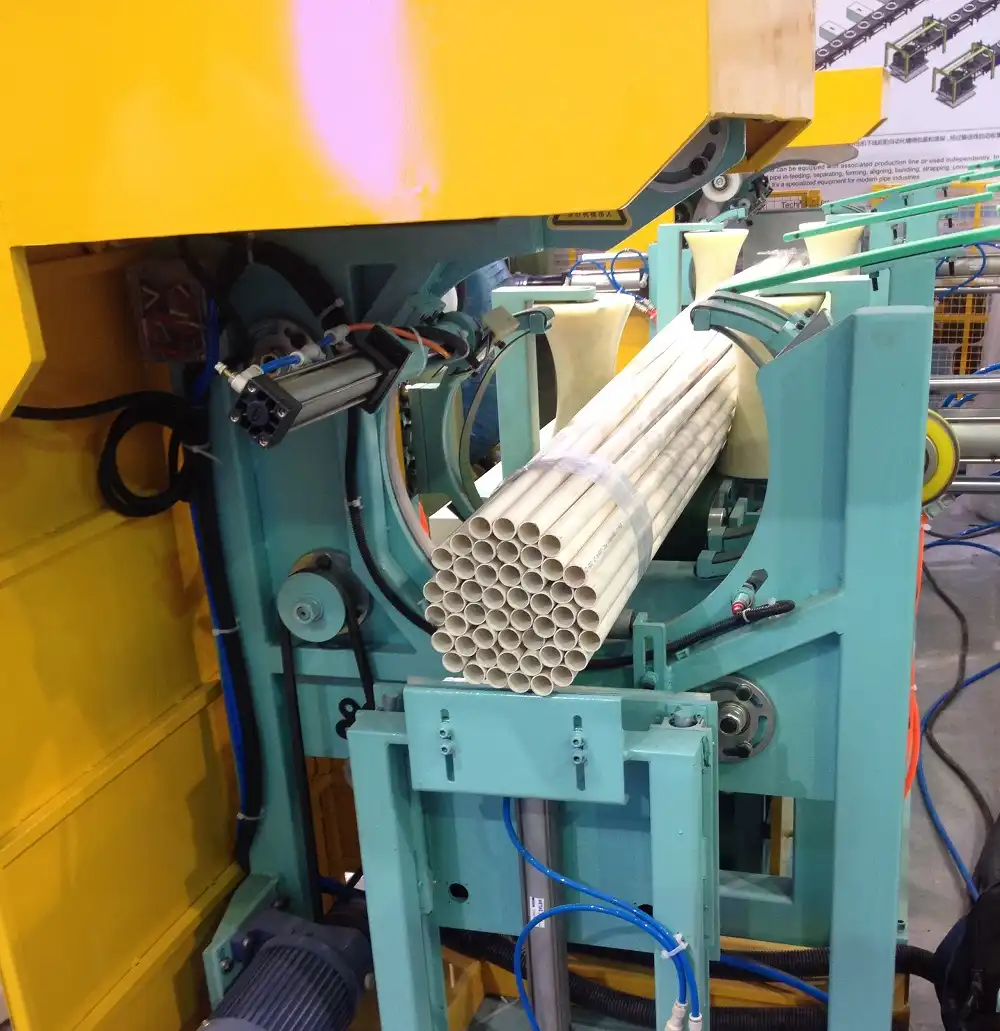
Seamless Integration: A Technical Deep Dive
To achieve a truly seamless integration, it’s essential to delve into the technical aspects of connecting the bagging machine with the broader production workflow. This includes optimizing the layout, selecting the right sensors and controls, and ensuring compatibility between different systems.
Optimizing Production Line Layout
The physical layout of the production line is crucial. The goal is to minimize the distance pipes need to travel and reduce potential bottlenecks. This may involve reconfiguring existing equipment or adding new conveyor systems to facilitate the transfer of pipes to the bagging machine.
Selecting Compatible Sensors and Controls
Sensors play a critical role in monitoring the flow of pipes and triggering the bagging process. Selecting the right types of sensors, such as photoelectric sensors or proximity sensors, is essential for accurate and reliable operation. Similarly, the control system, typically a PLC, must be programmed to coordinate the activities of all components.
Ensuring System Compatibility
Ensuring compatibility between different systems is perhaps the most significant challenge. This requires careful consideration of communication protocols, data formats, and power requirements. Standardizing these elements can greatly simplify the integration process and reduce the risk of errors.
Ultimately, integrating PPR pipe bagging into an existing production line demands a strategic approach, combining technical expertise with a thorough understanding of the production process. By addressing these considerations, companies can ensure a smooth and efficient transition, unlocking the full potential of automation.
3. Benefits of Automation: Cost Savings and Efficiency Gains
Automating the PPR pipe bagging process offers significant benefits. These advantages include reduced labor costs, increased efficiency, and improved product presentation. Companies can achieve substantial gains by investing in automated solutions.
Automating PPR pipe bagging leads to cost savings through reduced labor, lower material waste, and increased throughput. Efficiency gains are achieved by speeding up the packaging process, ensuring consistent quality, and minimizing downtime, resulting in a higher return on investment for manufacturers.

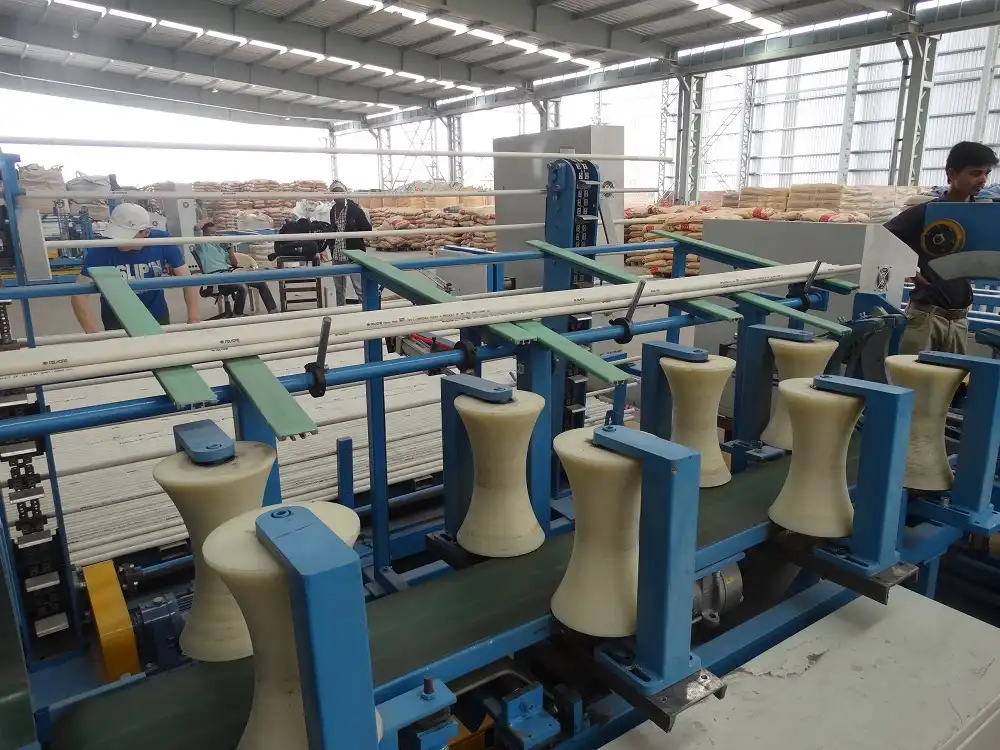
Maximizing ROI: Quantifying the Benefits of Automatic Bagging
To fully appreciate the impact of automatic PPR pipe bagging, it’s essential to quantify the benefits in terms of cost savings and efficiency gains. By carefully analyzing the various aspects of the production process, companies can gain a clear understanding of how automation can maximize their return on investment (ROI).
1. Labor Cost Reduction
One of the most immediate benefits of automation is the reduction in labor costs. By replacing manual bagging with an automatic system, companies can significantly reduce the number of workers required for the packaging process.
2. Increased Throughput
Automation can significantly increase throughput. Automatic bagging machines can process pipes much faster than manual labor, leading to higher production volumes.
3. Reduced Material Waste
Automation can reduce material waste. Automatic bagging machines are more precise than manual labor, resulting in less overage.
To illustrate these benefits, consider the following table comparing manual and automatic bagging processes:
| Metric | Manual Bagging | Automatic Bagging | Improvement |
|---|---|---|---|
| Labor Cost (per unit) | $0.15 | $0.03 | 80% |
| Throughput (units/hour) | 50 | 150 | 200% |
| Material Waste (per unit) | 2% | 0.5% | 75% |
Ultimately, maximizing the ROI of automatic PPR pipe bagging requires a comprehensive analysis of the costs and benefits. By carefully considering these factors, companies can make informed decisions that align with their financial goals.
4. Choosing the Right Automatic Bagging System

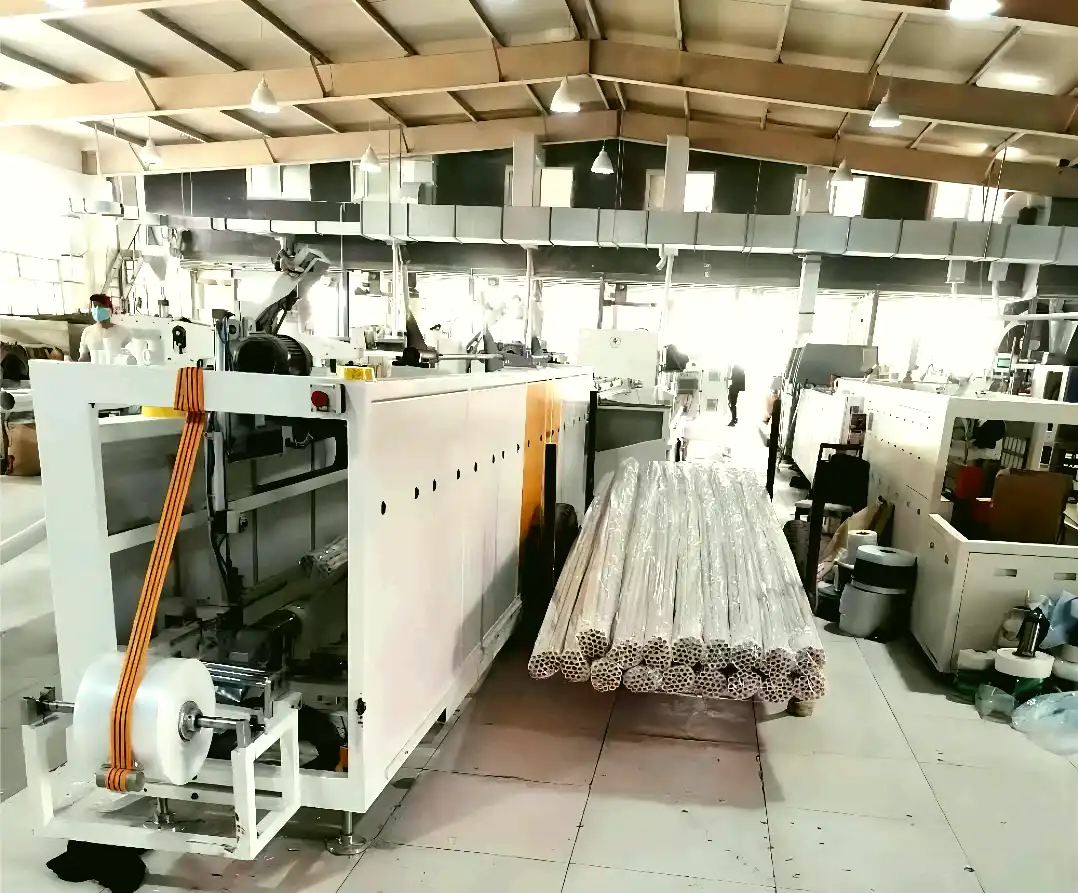
Selecting the appropriate automatic bagging system for PPR pipes involves assessing your production volume, pipe dimensions, and budget. Understanding these factors ensures that you choose a system that aligns with your operational requirements and maximizes efficiency.
Choosing the right automatic bagging system involves considering factors like production volume, pipe dimensions, and budget. Opting for a system that fits your specific needs, whether it’s a semi-automatic or fully automatic model, ensures optimal efficiency and cost-effectiveness in the long run.
Choosing the correct automatic bagging system for PPR pipes is a multifaceted decision. Consider these points:
- Production volume.
- pipe dimensions.
- Budget.
Conclusion
Automating PPR pipe bagging offers many advantages, including reduced labor costs, increased efficiency, and improved product presentation. By carefully considering the technical aspects of integration, quantifying the benefits, and choosing the right system, companies can maximize their ROI and achieve sustainable growth. Embracing automation is crucial for staying competitive in today’s market.












