
How to Compare Orbital Stretch Wrappers for Russian Manufacturing Operations?
Are you a factory manager in heavy manufacturing, perhaps dealing with steel coils, pipes, or other long products? Do you face constant pressure to boost output, cut costs, and keep your workers safe? The truth is, manual packing methods often hold back your entire production line. They create bottlenecks, increase safety risks, and can even damage your valuable products.
Comparing orbital stretch wrappers involves looking at their capacity, durability, film consumption, and safety features. A good machine must handle the specific demands of heavy industrial operations, like those common in Russia’s manufacturing sector, ensuring product integrity and worker safety.

As someone who built a packing machine factory from the ground up, I understand these pressures firsthand. Finding the right equipment means finding a solution that truly solves your problems. It is not just about buying a machine. It is about investing in a reliable partner for your business growth. Let us dive deeper into how you can choose the best orbital stretch wrapper for your needs.
Why is Automating Your Wrapping Process a Must for Heavy Industry?
Do your current packing methods rely too much on manual labor? Does this slow down your production? Manual handling of heavy items like steel coils or bundles of pipes creates major efficiency problems. It also puts your workers at risk.
Automating your wrapping process is critical for heavy industry because it directly addresses efficiency bottlenecks, drastically improves worker safety by reducing manual handling, and helps protect products from damage during transit or storage.

My journey in the packing machine industry taught me that true growth comes from solving core problems. For many factories, especially those dealing with large, heavy products common in Russian manufacturing, manual packing is a major roadblock. This is not just about speed. It is about overall operational health. I have seen countless businesses struggle with high labor costs and frequent product damage. These issues can cut deep into profits. Automation, specifically with orbital stretch wrappers, offers a clear path forward. It transforms the end-of-line process. It makes it faster, safer, and more consistent. This allows factories to move more products, reduce waste, and improve their bottom line. It frees up workers for more skilled tasks. This also reduces the physical strain on your team.
The True Cost of Manual Packing
Manual packing seems cheaper at first glance. However, it often carries hidden costs. These costs can easily outweigh the upfront investment in automation.
- Labor Intensive: You need many people to handle heavy items. This means higher wages and more shifts.
- Slow Speed: Humans work slower than machines. This creates bottlenecks in your production line. It delays shipments.
- Inconsistent Wrapping: Manual wraps are not always tight or consistent. This can lead to product damage.
- High Injury Risk: Lifting and moving heavy objects causes back injuries, strains, and other accidents. This increases insurance premiums. It also leads to worker downtime.
- Product Damage: Products like steel coil edges can get damaged during manual handling or poor wrapping. This leads to customer complaints and returns.
Benefits of Automation
Automating with an orbital stretch wrapper tackles these problems head-on.
- Increased Throughput: Machines wrap products much faster. This speeds up your entire production line. You can process more orders.
- Enhanced Safety: The machine does the heavy lifting. Workers do not need to manually handle or flip heavy items. This reduces injuries. It lowers your insurance costs.
- Consistent Quality: Machines apply consistent wrap tension. This protects products better. It reduces damage during transport.
- Reduced Labor Costs: You need fewer workers for the packing process. This saves money over time.
- Improved ROI: The upfront cost of a machine pays for itself through savings in labor, reduced damage, and increased output.
| Aspect | Manual Packing | Automated Orbital Wrapping |
|---|---|---|
| Efficiency | Slow, prone to bottlenecks | Fast, continuous, high throughput |
| Safety | High risk of injuries | Minimal human interaction with heavy loads |
| Consistency | Variable, depends on operator | Uniform, tight wrap every time |
| Cost | High labor, high injury claims | Lower labor, reduced damage, higher ROI |
| Productivity | Limited by human speed and endurance | Consistent high output, 24/7 capability |
What Key Features Define a Top-Tier Orbital Stretch Wrapper?
Are you unsure which features matter most when looking at different orbital stretch wrappers? Do you worry about investing in a machine that cannot handle your factory’s tough demands? Choosing the right wrapper is not just about price. It is about finding a machine that truly fits your operational needs.
A top-tier orbital stretch wrapper for demanding operations stands out with robust construction, precise tension control, versatile wrapping programs, and intuitive user interfaces. These features ensure consistent performance, minimal film waste, and easy operation, even in harsh industrial environments.
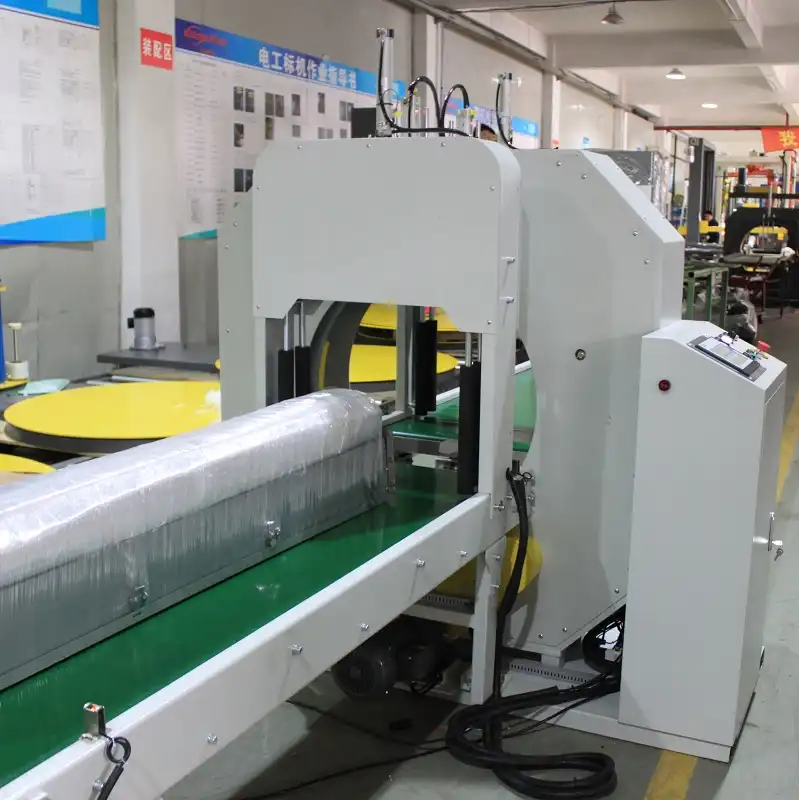
When I started my first factory, I learned quickly that cheap machines often cost more in the long run. They break down. They cause production delays. This is especially true for heavy industrial environments, like those in Russian manufacturing. These places need equipment that can take a beating and keep running. When you look at orbital wrappers, you need to think about more than just how it looks. You need to consider its internal components and its overall build quality. These factors determine its lifespan and how well it performs under pressure. I always tell my clients to focus on the details. A small feature can make a big difference in daily operations.
Essential Features to Evaluate
Here are the key features I always advise my clients to look for:
- Robust Construction: Heavy-duty steel frame and industrial-grade components are vital. Your machine must withstand constant use and heavy loads. Think about the shock and vibration in a busy factory.
- Advanced Film Tension Control: This is crucial. Precise tension ensures a tight, secure wrap. It also minimizes film breakage and waste. Look for systems that can adjust tension automatically.
- Variable Speed Control: The ability to adjust wrapping speed is important. This allows you to match the machine’s speed to your production line’s flow. It also handles different product types.
- Customizable Wrapping Programs: Can the machine store different wrapping patterns? You might need a different wrap for steel coils than for long pipes. Programmable logic controllers (PLCs) offer this flexibility.
- Safety Features: Emergency stops, safety light curtains, and clear guarding are non-negotiable. Worker safety should always be the top priority.
- Ease of Maintenance: Look for simple designs and easy access to parts. This reduces downtime for repairs and regular service.
- Integration Capabilities: Can the wrapper integrate with your existing conveyors or production lines? This ensures a smooth, automated workflow.
- Power Requirements: Ensure the machine’s power needs match your factory’s electrical supply. This is a practical but important detail.
- Material Handling System: How does the machine handle the products? Does it have strong rollers or conveyors? Can it handle the weight and dimensions of your specific products?
Questions to Ask a Supplier
When speaking with suppliers, ask specific questions about these features:
- “What kind of steel is the frame made from?”
- “How does your tension control system work? Can it handle different film types?”
- “What is the maximum weight and dimension this machine can handle?”
- “Can your machine integrate with a robotic loading system?”
- “What are the daily maintenance procedures? Are spare parts easily available?”
Considering these features carefully will help you select an orbital stretch wrapper that is not just a purchase, but a long-term asset. It will help your factory perform better and safer.
How Can an Orbital Wrapper Significantly Boost Safety and ROI?
Are you constantly worried about worker injuries from manual handling of heavy items? Do rising insurance costs and high employee turnover keep you up at night? For factory managers, these are real and pressing problems. They impact both your budget and your people.
An orbital stretch wrapper significantly boosts safety by removing workers from hazardous manual handling tasks, preventing injuries, and reducing insurance costs. It enhances ROI through lower labor expenses, reduced product damage, and increased operational efficiency, leading to higher profits.

When I was first starting out, safety was always a major concern. I saw firsthand how even a small accident could disrupt an entire production line. It causes delays. It costs money. More importantly, it hurts people. For heavy industries, like those in Russia, where large metal coils or pipes are common, the risk is even higher. Orbital wrappers are not just about wrapping. They are about creating a safer workspace. They take the burden of heavy lifting and awkward movements away from your employees. This directly translates into fewer accidents. Fewer accidents mean lower insurance premiums. They also mean a more stable workforce. This investment in safety truly pays for itself. It goes beyond the numbers. It shows you care about your team.
Direct Safety Improvements
An orbital stretch wrapper directly improves safety in several ways:
- Eliminates Manual Lifting: Workers no longer need to manually lift or shift heavy items for wrapping. The machine handles the entire process. This removes the primary cause of back injuries and strains.
- Reduces Crushing Hazards: Heavy objects like steel coils can be unstable. Manual handling increases the risk of them falling or rolling. Automated systems secure the product. They keep workers away from danger zones.
- Less Exposure to Moving Parts: Modern orbital wrappers have safety guards and light curtains. These stop the machine if a worker gets too close. This prevents contact with moving parts.
- Fewer Repetitive Strain Injuries: Manual wrapping involves repetitive motions. This can lead to musculoskeletal disorders over time. Automation removes this risk.
- Improved Work Environment: A safer environment leads to higher morale. It reduces stress for workers. This leads to a more productive team.
Calculating Your Return on Investment (ROI)
The financial benefits of an orbital wrapper are clear. Calculating ROI helps you make a strong business case.
- Reduced Labor Costs: This is often the biggest saving. Calculate how many hours are currently spent on manual packing. Estimate how many workers you can reassign or reduce.
- Decreased Product Damage: Quantify the value of products currently damaged during packing or transport. Orbital wrappers provide consistent, secure wraps. This minimizes damage.
- Lower Insurance Premiums: Fewer workplace injuries lead to lower workers’ compensation claims. This can reduce your insurance costs significantly.
- Increased Throughput: More wrapped products per hour means higher sales potential. Calculate the value of increased production capacity.
- Reduced Consumables Waste: Efficient machines use film more effectively. This reduces film costs over time.
ROI Calculation Example:
Let’s say your factory currently:
- Spends $50,000 annually on labor for manual packing.
- Loses $10,000 annually due to product damage during packing.
- Incurs $5,000 annually in injury-related insurance cost increases.
- An orbital wrapper costs $80,000.
- It saves 80% of labor costs ($40,000), 90% of product damage ($9,000), and 70% of injury costs ($3,500).
| Category | Annual Saving (Estimated) |
|---|---|
| Labor Costs | $40,000 |
| Product Damage Reduction | $9,000 |
| Insurance Cost Reduction | $3,500 |
| Total Annual Savings | $52,500 |
Simple ROI Calculation: ($80,000 / $52,500) = ~1.52 years to pay back. This means the machine pays for itself in about 18-19 months. After that, all savings are pure profit. This demonstrates a strong financial argument for automation.
My Insights: Beyond the Machine – Finding a True Partner?
Have you ever worked with a supplier who only cared about making the sale? Did they disappear when you needed help after the purchase? Building a successful factory, like I did, taught me that the machine itself is only part of the solution. The real value comes from the relationship.
From my experience, finding a true partner means looking beyond just the equipment price. It involves assessing a supplier’s deep industry knowledge, their commitment to understanding your specific challenges, and their proven track record of reliable after-sales support. This partnership ensures your investment truly supports your business growth.
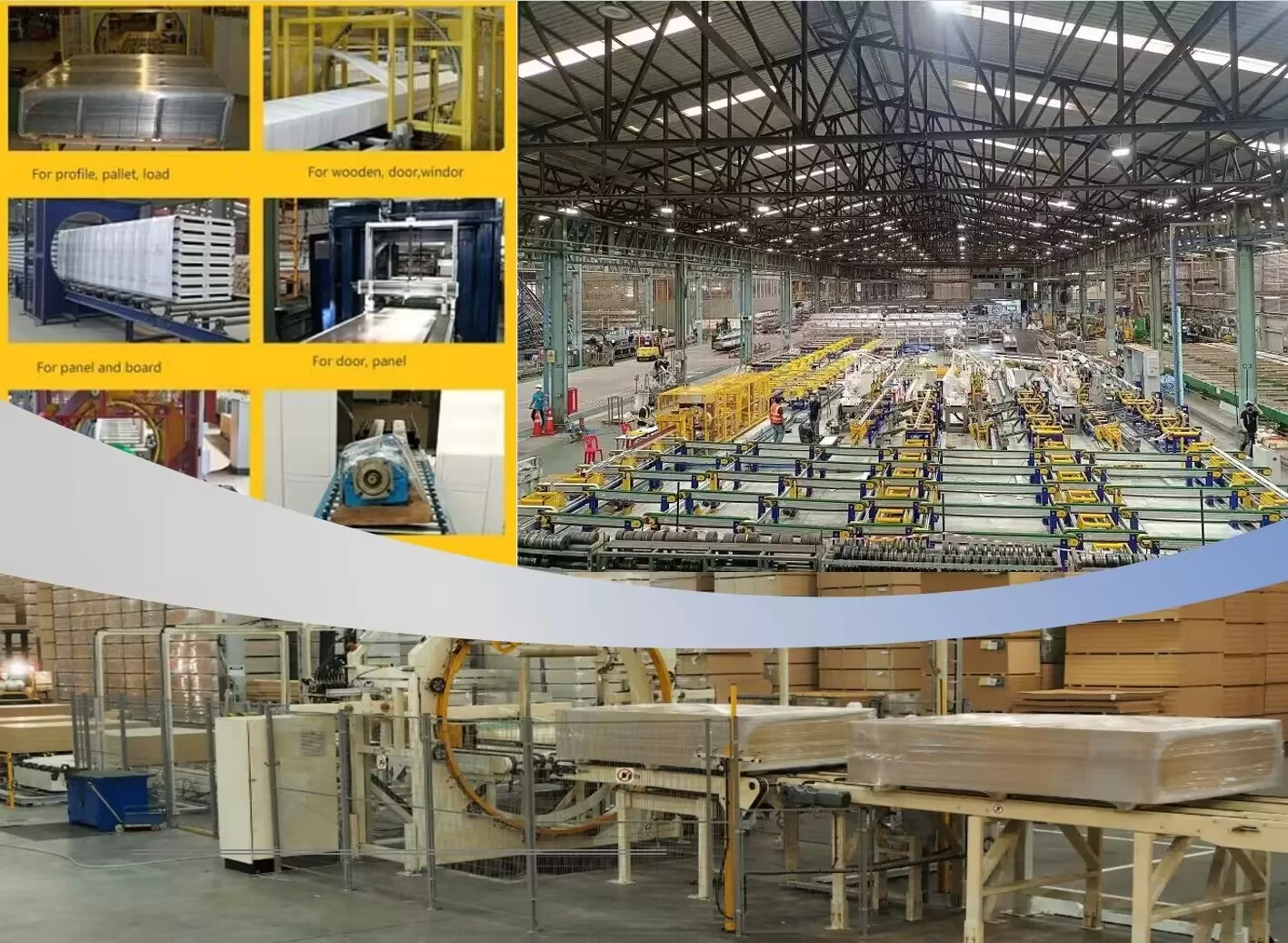
When I was an employee in a packing machine factory, I saw many sales go wrong. Companies bought expensive equipment. But they did not get the support they needed. When I started FHOPEPACK, my goal was different. I wanted to be a partner. I wanted to share my knowledge. I wanted to help clients grow their businesses. This means understanding their challenges. It means not just selling a machine, but selling a solution. My financial independence came from helping others succeed. Now, I focus on giving back. I know the pressures factory managers face. They need equipment that works. They need a supplier they can trust. This is especially true for complex systems like orbital wrappers in heavy manufacturing environments.
What Defines a True Partner?
Based on my journey, here is what I believe makes a supplier a true partner:
- Deep Industry Knowledge: Do they understand your specific industry? Do they know the challenges of packing steel coils or pipes? A good partner knows your pain points. They have solutions tailored to your needs. This is critical for operations in places like Russia, where manufacturing can be very specialized.
- Problem-Solving Approach: Do they listen to your problems? Do they offer solutions that fit your unique situation? A sales-focused supplier pushes products. A partner finds the right fit for your factory.
- Proven After-Sales Support: What happens after the sale? Do they offer installation, training, and ongoing maintenance? Do they have easily accessible spare parts? This is crucial for minimizing downtime.
- Transparent Communication: Are they open and honest about machine capabilities and limitations? Do they communicate clearly about timelines and costs? Trust is built on transparency.
- Long-Term Vision: Are they interested in a one-time sale or a long-term relationship? A true partner wants to see your business grow for years to come. They provide support for that growth.
My Personal Commitment to Partnership
My experience in building a successful packing machine factory taught me that every client has unique needs. For example, I worked with a client struggling with damaged steel wire coils. Their old manual process was slow. It was also causing customer complaints. Instead of just selling them the biggest machine, I visited their site. I understood their workflow. I recommended a specific orbital wrapper model with custom conveyor integration. We trained their staff. We ensured they understood the machine fully. This led to increased output. It also drastically reduced damage. It turned a struggling part of their business into a smooth operation. This is the kind of partnership I aim for.
- Understanding Your Production Bottlenecks: I want to know where your line gets stuck. Is it loading? Is it wrapping speed? Is it unloading?
- Addressing Safety Concerns: I want to help you reduce manual labor for heavy items. I want to improve worker safety.
- Optimizing for ROI: I help you find solutions that pay for themselves. This boosts your factory’s overall profitability.
- Providing Expertise: My years of experience in the packing machine industry mean I can offer insights. I can guide you. I can help you avoid common mistakes.
Choosing the right orbital wrapper is a big decision. Choosing the right partner makes that decision much easier. It ensures your investment leads to real, lasting success for your business.
Conclusion
Comparing orbital stretch wrappers requires focusing on durability, efficiency, and safety. Automation drives significant ROI by cutting costs and boosting output. Partnering with an expert who understands your factory’s unique needs ensures long-term success.








