

How to Choose the Right Packing Method Based on Coil Size
Struggling with damaged steel coils arriving at their destination? The frustration, the cost of rework or scrap, and the blow to your reputation are significant pains metal parts manufacturers face. Choosing the right packaging method is critical, and it starts with understanding a key variable: the coil size.
Selecting the optimal packing method for steel coils hinges significantly on coil size, influencing factors like weight, handling stability, storage density, and transport resilience. Larger coils demand robust structures and specialized equipment, while smaller ones offer more flexibility but still require adequate protection against corrosion, physical damage, and environmental factors throughout their journey.
The seemingly simple task of packing a steel coil involves a complex interplay of material science, logistics, and engineering principles. Delving into how coil dimensions dictate these choices can unlock significant efficiencies and prevent costly errors, ensuring your valuable product arrives in pristine condition.
Factors Driving Coil Packaging Choices
Selecting the ideal packaging method isn’t a one-size-fits-all decision; it’s deeply intertwined with the physical characteristics of the coil itself. Over the years, we’ve seen countless issues arise when manufacturers overlook the fundamental impact of coil size and weight on packaging requirements.
The size and weight of a steel coil are paramount in determining the necessary packaging method. Larger, heavier coils require more substantial support structures, such as reinforced pallets or skids, and specialized handling equipment like heavy-duty forklifts or cranes for safe movement and stacking. Coil dimensions also influence storage efficiency, transport stability, and the potential for damage if not adequately protected, making the right choice crucial from the outset.

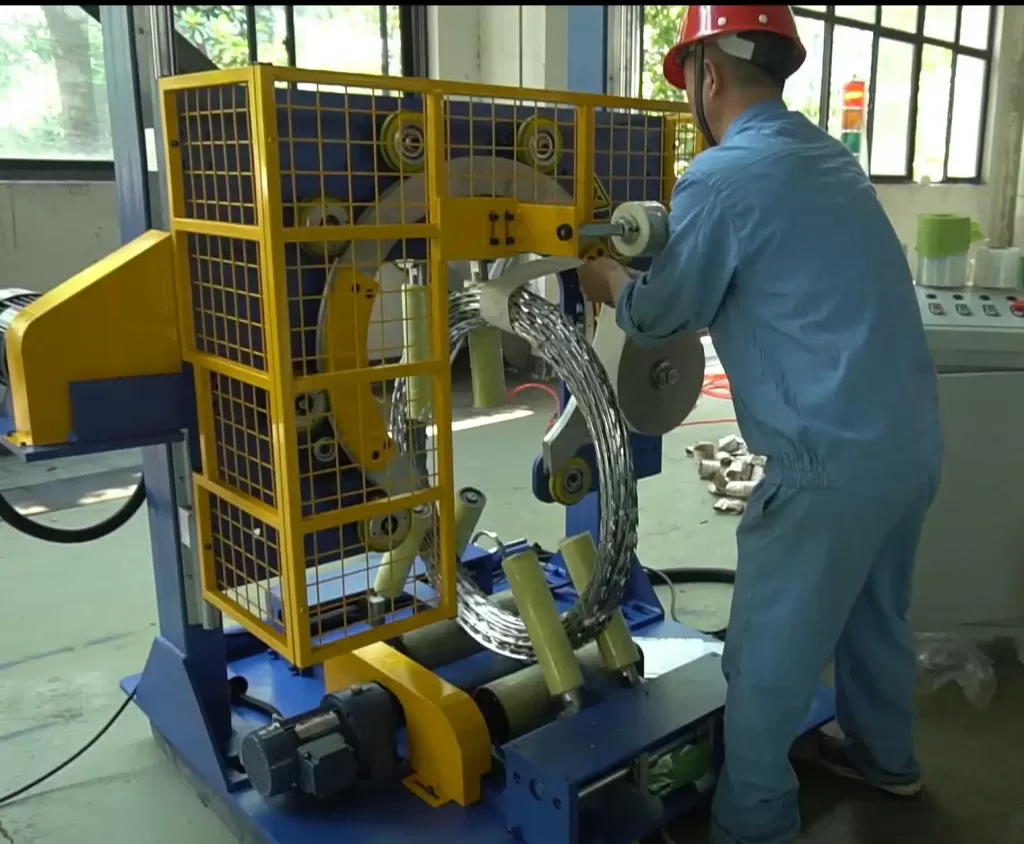
Understanding the Interplay of Size, Weight, and Logistics
Coil size directly impacts its weight, which in turn dictates the demands placed on handling, storage, and transportation infrastructure. A small coil, perhaps weighing a few hundred kilograms, can be handled and packaged differently than a massive coil tipping the scales at 35 tons.
Impact on Handling
The diameter and width of a coil determine the type of equipment needed for lifting and moving. Small coils might be handled with standard forklifts or even by hand (with appropriate safety measures), allowing for simpler packaging that accommodates various lifting points. Larger, heavier coils necessitate specialized equipment like C-hooks, coil rams, or pit-type coil cars. The packaging must be designed to interface safely and securely with this equipment, preventing damage during lifts. For instance, skid-based packaging is essential for large coils to allow forklift access without risking edge damage.
Storage Efficiency
Coil size affects how densely products can be stored. Vertical (“eye-to-sky”) stacking is often more space-efficient per square foot of floor space, but the height and stability of the stack depend heavily on the coil’s outside diameter (OD) and weight. Smaller coils are generally easier to stack vertically. Larger, heavier coils might require horizontal (“eye-to-horizon”) stacking, which takes up more floor space but offers greater intrinsic stability. The chosen packaging must support the stacking method, preventing deformation or collapse. This might involve using stacking frames or robust internal supports within the package.
Transport Considerations
The journey a coil takes – whether across a factory floor, by truck, rail, or sea – presents varying levels of stress (vibration, shock, shifting). Larger, heavier coils pose a greater risk if they become unstable in transit due to their momentum. Packaging for large coils must prioritize load securing, often involving heavy-duty strapping, chocking, and blocking within a container or on a flatbed. The packaging itself needs to be robust enough to withstand these forces. For smaller coils, while load securing is still vital, the primary focus might shift slightly towards protecting against abrasion or corrosion from environmental factors during the journey.
The choice of packaging method is therefore a cascade effect starting with coil size and weight, influencing handling, storage, and transport requirements. Ignoring these fundamental physics can lead to packaging failure, product damage, and logistical nightmares.
| Coil Size Category | Typical Weight Range | Handling Implications | Storage Implications | Transport Impact |
|---|---|---|---|---|
| Small | Up to 500 kg | Manual or standard forklift, diverse grabs | Vertical or horizontal stacking | Less prone to shifting, focus on unit protection |
| Medium | 500 kg – 5 tons | Standard/heavy forklift, C-hooks | Flexible stacking, potentially higher | Requires proper securing, moderate stress resistance |
| Large/Heavy | 5 tons – 35+ tons | Heavy-duty equipment (C-hooks, Rams, Cars) | Horizontal stacking, lower density | High risk from shifting/vibration, heavy securing |
Vertical vs. Horizontal Packaging
One of the most fundamental decisions in coil packaging is its orientation: should it stand upright (“eye-to-sky” or vertical) or lie on its side (“eye-to-horizon” or horizontal)? Coil size plays a pivotal role in making this determination.
The choice between vertical (“eye-to-sky”) and horizontal (“eye-to-horizon”) coil packaging is largely dictated by coil size and weight, alongside handling capabilities and available space. Vertical packing is often preferred for smaller coils or limited floor space due to its higher stacking density, while horizontal packing offers greater stability for large, heavy coils, particularly during long-distance or rough transportation.

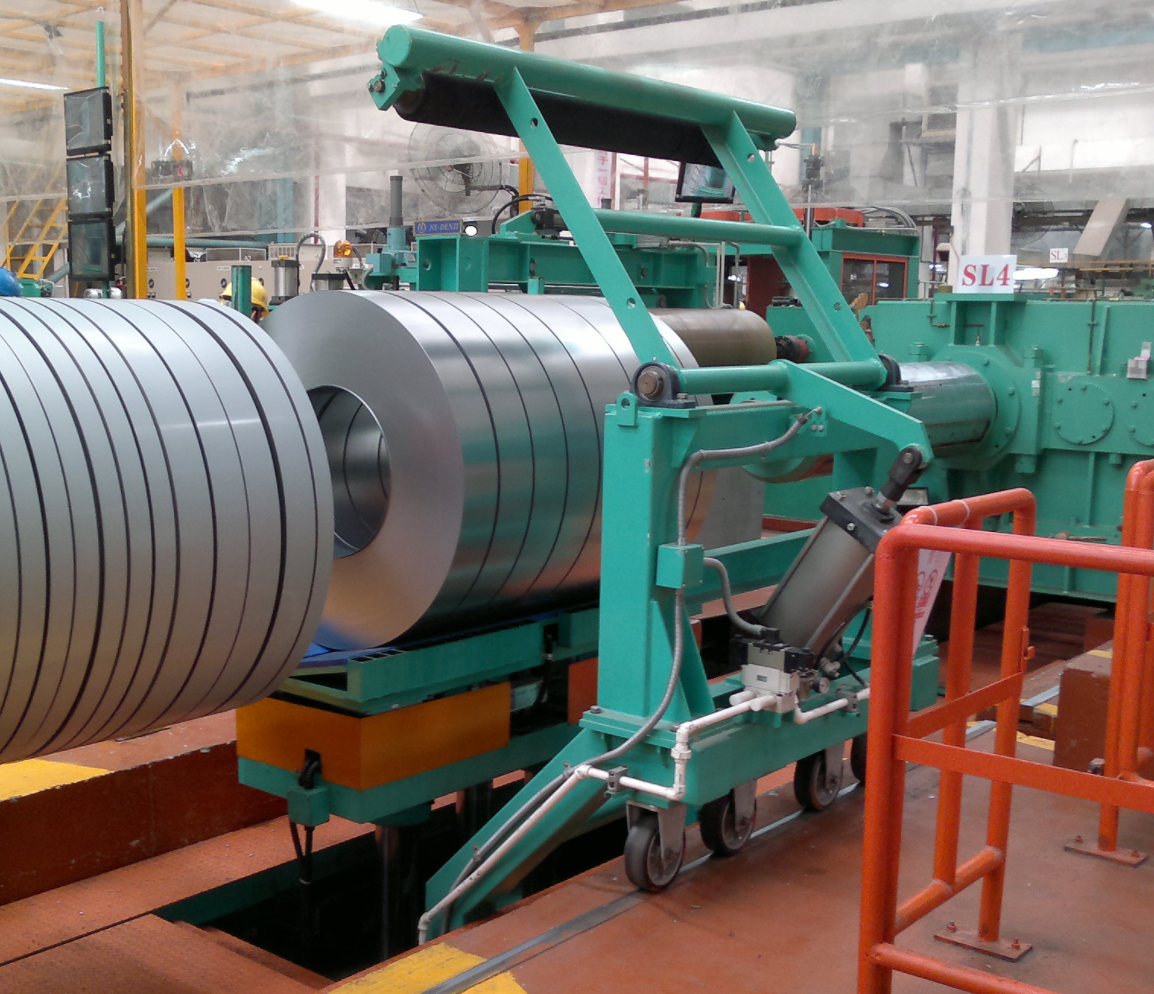
Choosing the Optimal Orientation for Stability and Space
Both vertical and horizontal orientations have distinct advantages and disadvantages, directly tied to the coil’s dimensions and the logistics involved.
-
Vertical Packaging (“Eye-to-Sky”):
- Pros:
- Higher storage density on the factory floor or in a warehouse.
- Often easier for internal transport within a facility using conveyors or simple lifts for smaller coils.
- Can sometimes simplify packaging layers if the coil’s circumference is the primary focus.
- Cons:
- Lower inherent stability, especially for tall, narrow coils. Requires more robust securing or stacking frames to prevent tipping.
- More susceptible to damage on the bottom edge from handling or moisture if not adequately protected.
- Stacking height is limited by stability factors and warehouse ceiling height.
- More challenging for certain types of lifting equipment (like standard forklifts) unless placed on specific skids.
- Coil Size Consideration: Vertical packing is generally more practical for smaller to medium-sized coils. Large, heavy coils standing vertically become inherently unstable, posing significant safety risks during handling, storage, and transport. The risk of the coil “telescoping” (layers slipping) is also higher for very heavy coils stored vertically without internal support.
- Pros:
-
Horizontal Packaging (“Eye-to-Horizon”):
- Pros:
- Much greater inherent stability, especially for wide coils. Less risk of tipping or telescoping.
- Ideal for long-distance transport, particularly by truck or rail, as it resists acceleration/deceleration forces better.
- Easy interface with standard forklift coil rams or C-hooks.
- Distributes weight more evenly across supporting structures (pallets, saddles, floor).
- Cons:
- Lower storage density, requiring more floor space.
- Requires saddles or supports to prevent the coil from rolling and damaging the outer wrap or edges.
- Handling requires equipment designed for horizontal lifts.
- Can be more susceptible to condensation forming on the exposed “eye” surfaces if humidity is high, necessitating additional VCI protection within the eye.
- Coil Size Consideration: Horizontal packing is the standard and often safest method for large, heavy coils. Their mass and dimensions provide natural stability in this orientation, which is critical for preventing catastrophic failure during transport or storage. Even medium-sized coils often benefit from horizontal packing for enhanced stability during transit.
- Pros:












