

How to Choose the Right Automatic Coil Packing Machine?
The pressure to boost output, control costs, and maintain safety in heavy manufacturing is immense. I’ve been there, running a packing machine factory and seeing firsthand how operational bottlenecks can cripple a business. If your current coil and wire packing process relies on too much manual labor, leading to slow speeds, safety risks, and even product damage, then you’re likely feeling the strain. This isn’t just about moving coils; it’s about the very pulse of your production line.
Choosing the right automatic coil packing machine isn’t just a purchase; it’s a strategic investment in your factory’s future, directly addressing efficiency bottlenecks, reducing safety hazards, minimizing product loss, and building trust with reliable partners. My journey in the packing machine industry has taught me that the ideal solution optimizes your end-of-line processes, ensuring your valuable products are protected and delivered on time, every time.
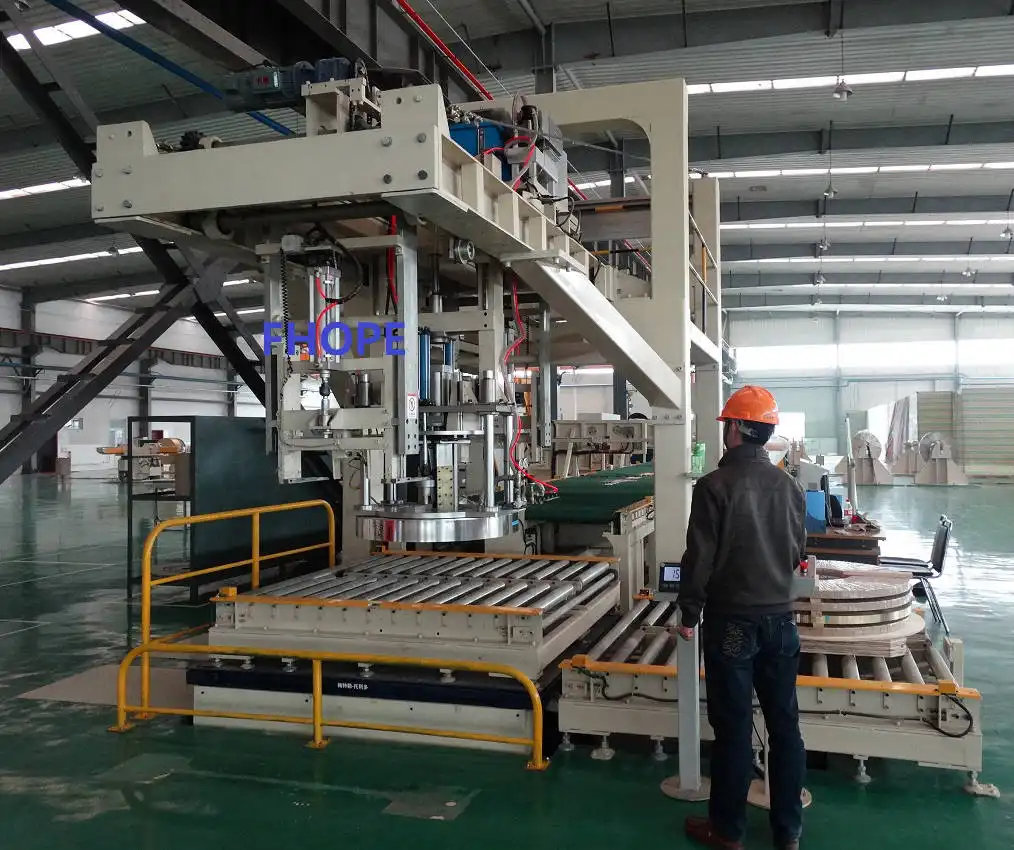

I understand the frustration of dealing with equipment that fails to meet the rigorous demands of a busy factory. You’re looking for durable, reliable machinery that can withstand high-intensity work environments, not just another piece of equipment. You want a partner who truly understands your operational challenges, not just a salesperson. Let’s dive deeper into how you can make an informed choice that will genuinely transform your operations.
1. Why Should Your Factory Invest in Automatic Coil Packing Machines?
Are you currently struggling with a packaging process that feels stuck in the past? The constant cycle of manual handling, slow speeds, and the ever-present threat of workplace injuries can make any factory manager feel overwhelmed. You might be asking yourself if automation is truly the answer, or just another expense.
Investing in automatic coil packing machines directly tackles your most pressing operational challenges, from eliminating labor-intensive processes and speeding up packaging times to drastically improving worker safety and ensuring consistent product quality, ultimately delivering a clear return on investment (ROI). This strategic shift allows your factory to meet demanding production schedules and reduce long-term operational costs.
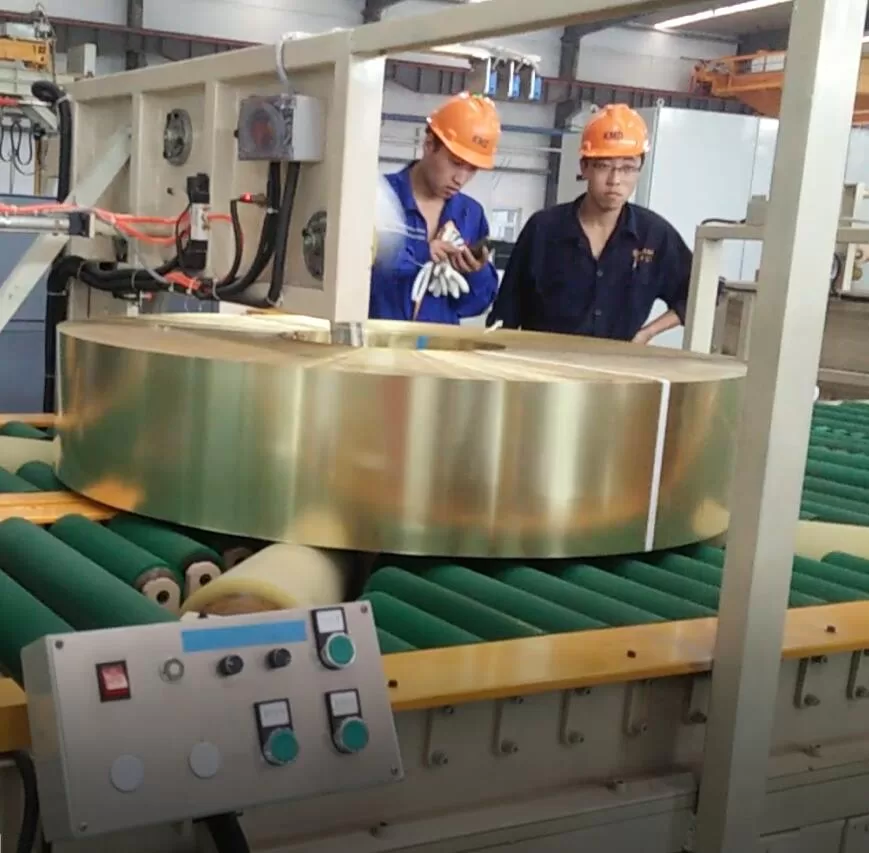

From my experience, watching factories transform from manual chaos to automated precision is incredibly rewarding. I’ve seen firsthand how a well-implemented automation strategy can relieve the pressures faced by managers like Michael in metal processing plants, who are constantly balancing output, cost, and safety. The move to automation is not merely about replacing human hands with machines; it’s about creating a smarter, safer, and more profitable production environment. This decision impacts everything from your insurance premiums to your client satisfaction. It’s about securing your factory’s future in a competitive global market where speed and reliability are paramount. Manual coil packing, especially for heavy steel or wire coils, is not just slow; it’s inherently risky, leading to high injury rates and significant product damage during internal transfer and packaging. Automation presents a tangible solution to these persistent problems, offering consistent performance that human labor simply cannot match over time. (automated coil packaging benefits, industrial packing machine ROI)
The Unmistakable Advantages of Automation for Coil Packaging
Let’s break down the tangible benefits that an automatic coil packing machine brings to your factory floor. These aren’t just theoretical perks; they are real-world improvements I’ve witnessed time and again.
-
🚀 Boosted Efficiency and Throughput:
- Problem: Manual packing is slow, creating bottlenecks at the end of your production line. This delays overall output and delivery.
- Solution: Automatic machines operate at consistent, high speeds, handling large volumes of coils much faster than manual methods. This significantly increases your factory’s capacity and ensures timely dispatch.
- Impact: Reduced lead times, higher production output, and the ability to meet tighter deadlines. Imagine turning your packing bottleneck into a smooth, flowing operation.
-
🛡️ Enhanced Safety for Workers:
- Problem: Lifting and manipulating heavy coils or flipping pallets manually is extremely dangerous. High injury rates lead to increased insurance costs and employee turnover.
- Solution: Automation minimizes human interaction with heavy and potentially hazardous loads. Machines perform the strenuous and risky tasks, protecting your valuable workforce.
- Impact: A safer working environment, fewer workplace accidents, lower medical expenses, and improved employee morale. This also translates to a more stable and experienced workforce.
-
💰 Significant Cost Reduction:
- Problem: High labor costs, coupled with product damage and associated rework, eat into your profit margins.
- Solution: Automation reduces the need for extensive manual labor in the packing process. Consistent packing quality also drastically cuts down on product damage.
- Impact: Lower operational expenses, fewer customer complaints due to damaged goods, and a healthier bottom line. The initial investment is quickly offset by these long-term savings.
-
✨ Superior Product Protection and Quality:
- Problem: Inconsistent manual packing can lead to damaged product edges or insecure wrapping during transit and storage. This results in customer complaints and financial losses.
- Solution: Automatic machines apply consistent tension and precise wrapping, ensuring every coil is securely protected from dust, moisture, and impact.
- Impact: Higher customer satisfaction, reduced returns, and a stronger reputation for delivering pristine products. Your brand image benefits directly from this improved quality.
-
🔍 Optimized Space Utilization:
- Problem: Manual packing often requires large staging areas and can be disorganized.
- Solution: Automated systems are designed for efficient footprints, often integrating multiple steps into a compact line.
- Impact: Better use of factory floor space, allowing for other production activities or expansion. (automated coil wrapping benefits, factory efficiency improvements)
2. What Types of Automatic Coil Packing Machines Are Available for My Factory?
Once you’ve decided to embrace automation, the next logical question is: what are my options? The market offers a range of automatic coil packing solutions, each designed for specific needs and coil types. Navigating these choices can be daunting, especially when your factory handles diverse materials like steel, copper, or wire coils. You don’t want to invest in a machine that’s ill-suited for your particular products or production volume.
The automatic coil packing machine landscape offers diverse solutions, primarily categorized by coil orientation (horizontal or vertical), material type (steel, copper, wire), and the specific packaging process (wrapping, strapping, bagging). Understanding these distinctions is crucial for selecting a system that perfectly aligns with your factory’s operational requirements and material handling processes, preventing costly mismatches and ensuring optimal performance.
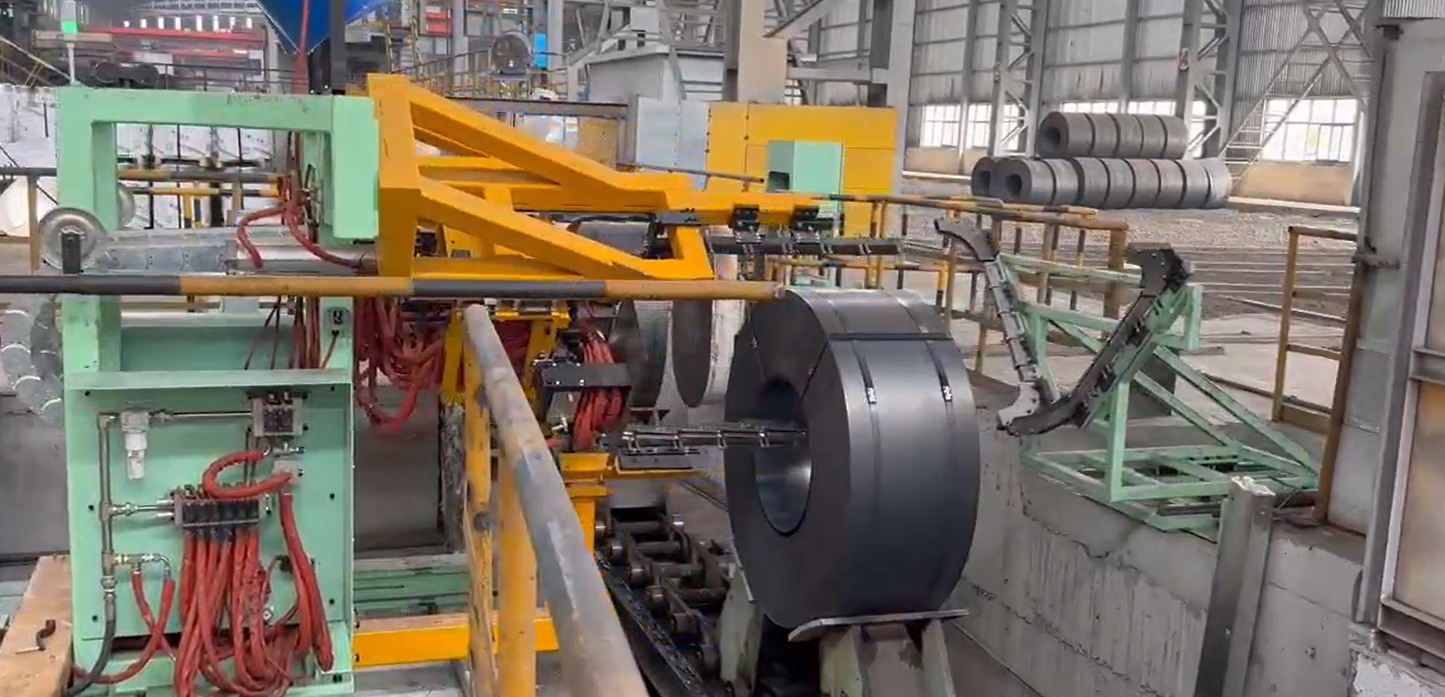

My experience building and running a packing machine factory has given me a deep appreciation for the nuances of different machine designs. I’ve seen how a factory’s specific coil dimensions, weight, and desired packaging level can dramatically influence the “right” choice. For a manager like Michael, who oversees everything from raw material entry to finished product shipment in a busy metal processing plant, selecting the correct machine type is paramount. A mistake here could lead to underperformance, operational headaches, or even compromise the safety and integrity of the packaged goods. Let’s explore the main types so you can match the technology to your factory’s unique demands. (types of automatic coil wrappers, industrial coil packaging solutions)
Choosing the Right Machine: A Breakdown of Key Types
Different coils demand different approaches. Here’s a look at the primary categories of automatic coil packing machines and their ideal applications.
A. Horizontal Coil Packing Machines
- Description: These machines are designed to wrap coils that are lying flat, with their eye horizontal. They typically use a rotating ring that passes packaging material (stretch film, VCI paper, woven PP, etc.) through the center of the coil, wrapping around its outer diameter.
- Best For:
- Large, Heavy Coils: Common for steel coils, aluminum coils, and other large metal coils.
- Stability: The horizontal orientation provides greater stability during the wrapping process, which is critical for very heavy items.
- Integration: Often integrated into existing production lines where coils are handled horizontally by overhead cranes or coil cars.
- Key Features:
- Automatic centering and feeding systems.
- Adjustable wrapping tension and overlap for different materials.
- Robust construction to handle substantial weights.
- Safety fencing and interlocks.
- Considerations: Requires sufficient floor space for the machine and material handling in a horizontal plane. (horizontal coil wrapper, heavy-duty coil packaging equipment)












