
How to Automate PVC Pipe Packing and Showcase
Automation in PVC pipe packing is transforming manufacturing, offering efficiency and precision. This article explores these advancements, highlighting the benefits and showcasing the latest technologies.
How can you automate PVC pipe packing? PVC pipe packing automation involves using specialized machinery to count, bundle, wrap, and package PVC pipes. This reduces manual labor, increases efficiency, and minimizes errors. Automation solutions range from simple bundling machines to fully integrated packing lines.
PVC pipe packing automation is more than just a trend; it’s a strategic move towards optimizing production processes. Let’s dive into the specifics and explore how this technology is revolutionizing the industry.
1. Streamlining PVC Pipe Packing Steps with Automation
The integration of automation in PVC pipe packing streamlines the entire process, from initial counting to final packaging, enhancing overall efficiency and reducing operational costs.
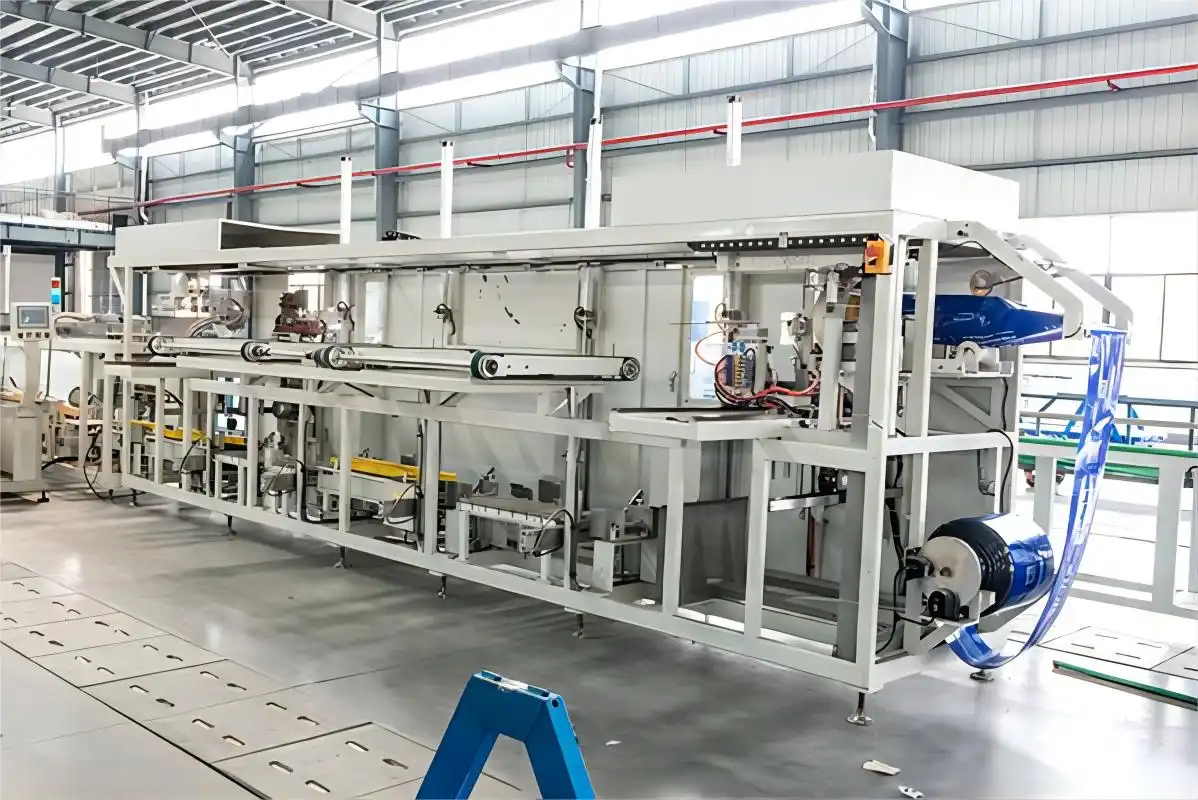
What are the key steps in automated PVC pipe packing? The process typically includes automated counting of pipes, robotic bundling, automatic wrapping or strapping, and mechanized stacking. Each step minimizes human intervention, ensuring consistency and speed.
The Impact of Automation on Each Step of PVC Pipe Packing
Automation significantly impacts each stage of PVC pipe packing. Let’s break down the key steps and see how automation transforms them:
1.1 Counting and Accumulation
Traditionally, counting PVC pipes was a manual, time-consuming task prone to errors. Automated systems use sensors and vision technology to accurately count pipes, eliminating discrepancies and accelerating the process.
1.2 Bundling and Alignment
Manual bundling often results in inconsistent bundles, leading to instability during transportation and storage. Automated bundling machines ensure uniform bundles by precisely aligning the pipes and securing them with straps or film.
1.3 Wrapping and Strapping
Wrapping and strapping protect the pipes from damage during transit. Automated systems apply wrapping materials or straps with consistent tension, ensuring secure and stable bundles.
1.4 Stacking and Palletizing
Automated stacking and palletizing systems neatly arrange the bundles on pallets, optimizing space and facilitating efficient handling by forklifts or other machinery.
The advantages of automating each step are quantifiable. The following table illustrates potential improvements:
| Step | Manual Process | Automated Process | Improvement |
|---|---|---|---|
| Counting | Slow, error-prone | Fast, accurate | Reduced errors, increased speed |
| Bundling | Inconsistent, labor-intensive | Uniform, precise | Consistent quality, reduced labor costs |
| Wrapping/Strapping | Variable tension, time-consuming | Consistent tension, high-speed | Enhanced protection, faster throughput |
| Stacking/Palletizing | Uneven stacks, space inefficiency | Optimized arrangement, space efficiency | Improved space utilization, safety |
Automation isn’t just about speed; it’s about precision and consistency. By integrating these systems, manufacturers can ensure that every PVC pipe bundle meets the highest standards of quality and protection.
2. Showcasing Advanced PVC Pipe Packing Solutions
Highlighting cutting-edge technologies in PVC pipe packing reveals the potential for increased efficiency and reduced costs through automated solutions.
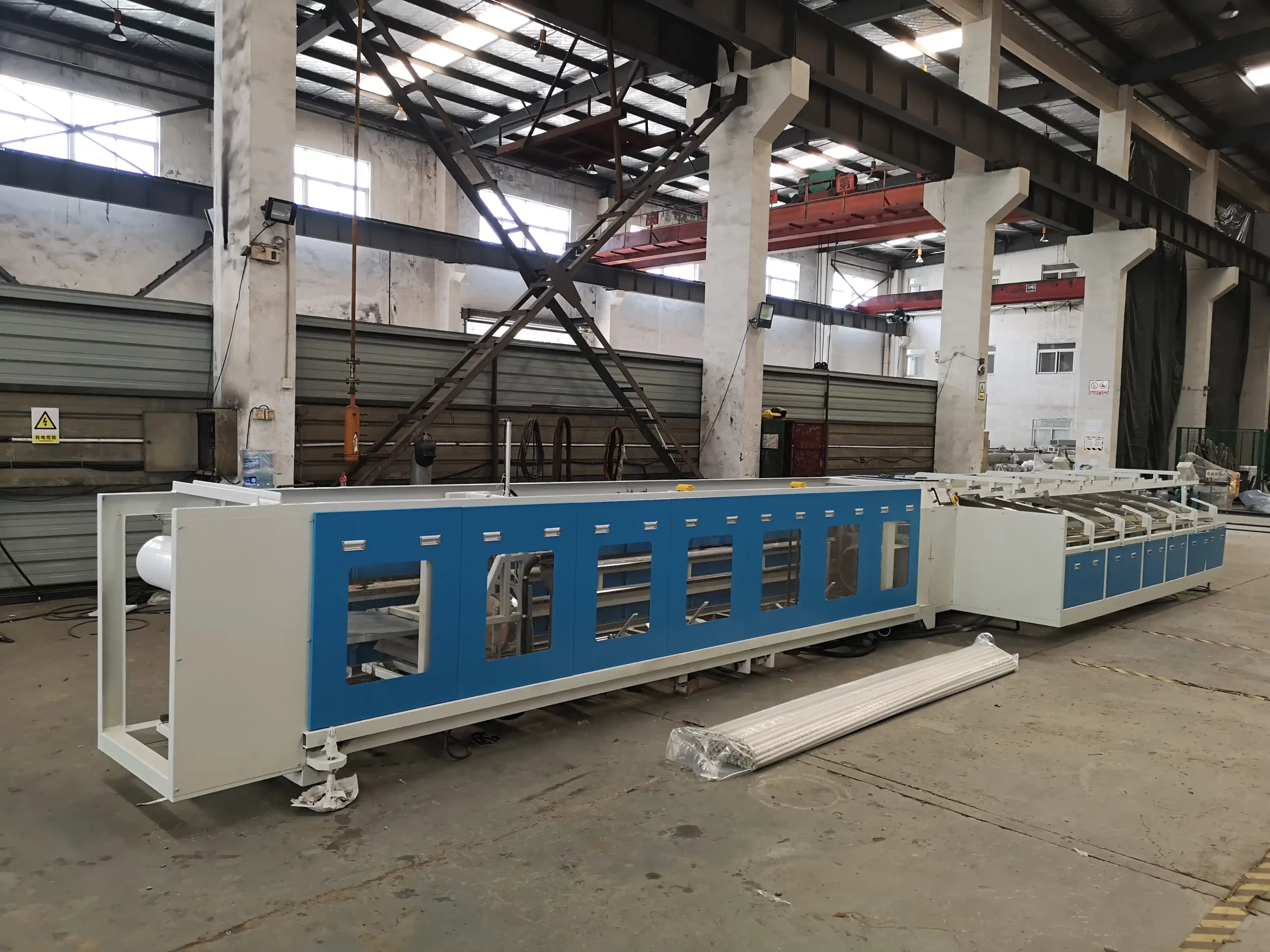
What are some examples of advanced PVC pipe packing solutions? Advanced solutions include automatic bundling machines, robotic bagging systems, and integrated packing lines. These systems use sensors, PLCs, and servo motors to optimize each stage of the packaging process.
Diving into the Technical Specifications of Advanced Systems
The core of advanced PVC pipe packing solution lies in their technical sophistication. These systems are designed with high-precision components and smart controls, allowing for seamless integration and operation. Let’s explore some key technical aspects:
- Sensor Technology: Advanced systems employ various sensors to detect pipe dimensions, count accurately, and ensure proper alignment. Laser sensors, vision sensors, and proximity sensors work together to provide real-time feedback to the control system.
- PLC Control: Programmable Logic Controllers (PLCs) are the brains of these systems. They coordinate the operation of different components, ensuring smooth and efficient packing. PLCs can be programmed to handle various pipe sizes and packing configurations.
- Servo Motors: Servo motors provide precise control over the movement of robotic arms, strapping mechanisms, and bagging units. This precision is crucial for consistent and reliable packaging.
- HMI Interface: Human-Machine Interfaces (HMIs) allow operators to monitor and control the system. Touchscreen HMIs provide intuitive controls and real-time data on production rates, error detection, and system status.
3. The Economics of Pipe Production Automation
Analyzing the economic benefits of automating pipe production, including ROI, cost savings, and increased production capacity, demonstrates the financial viability.
How does automation improve the economics of pipe production? Automation reduces labor costs, minimizes material waste, and increases production throughput. This leads to a faster return on investment and improved profitability for manufacturers.
Quantifying the Return on Investment (ROI)
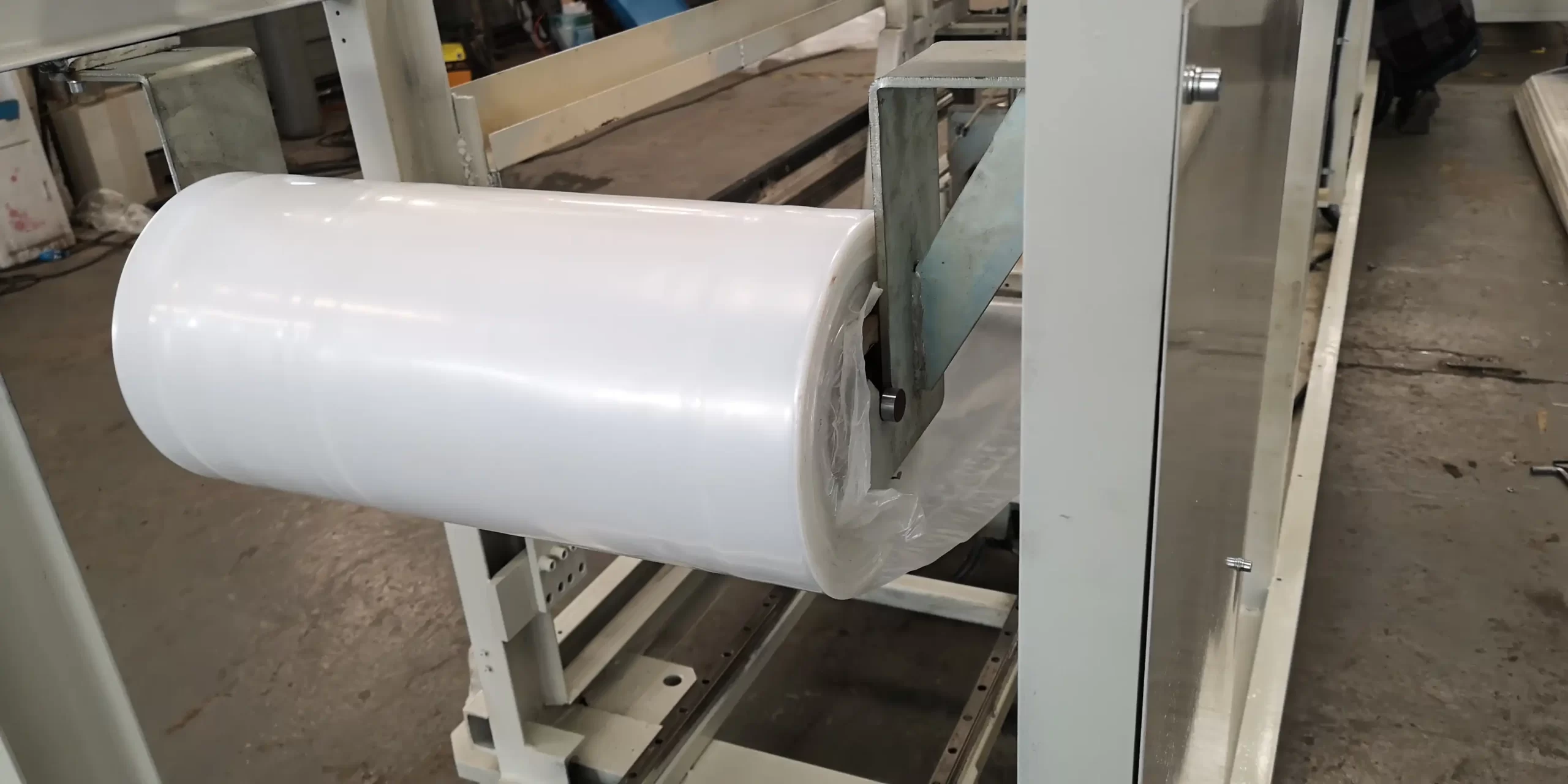
Investing in Pipe production automation can be a significant decision, and understanding the ROI is crucial. Let’s break down the key factors that contribute to a positive ROI:
3.1 Reduced Labor Costs
Automation drastically reduces the need for manual labor in the packing process. While upfront investment is required, the long-term savings on labor costs can be substantial.
3.2 Increased Production Capacity
Automated systems can operate at higher speeds and with greater consistency than manual labor. This leads to increased production capacity, allowing manufacturers to meet growing demand more efficiently.
3.3 Reduced Material Waste
Automated systems are designed to minimize material waste. Precise cutting and wrapping mechanisms ensure that materials are used efficiently, reducing waste and saving costs.
| Metric | Manual Process | Automated Process | Improvement |
|---|---|---|---|
| Labor Costs | $X per unit | $Y per unit | X – Y = Savings |
| Production Capacity | Z units/day | A units/day | A – Z = Increase |
| Material Waste | B% | C% | B – C = Savings |
| Error Rate | D% | E% | D – E = Reduction |
| ROI (Payback Period) | N/A | X years | Faster Payback |
The figures in the table can be customized based on specific production environments. Automation not only increases operational efficiency, but it also reduces error rates. Automated systems are less prone to human error, ensuring consistent quality and reducing the risk of product defects. This leads to cost savings in terms of reduced rework and fewer customer complaints.
4. Implementing a PVC Pipe Capping Machine
Implementing automatic pipe capping machines enhances production efficiency.
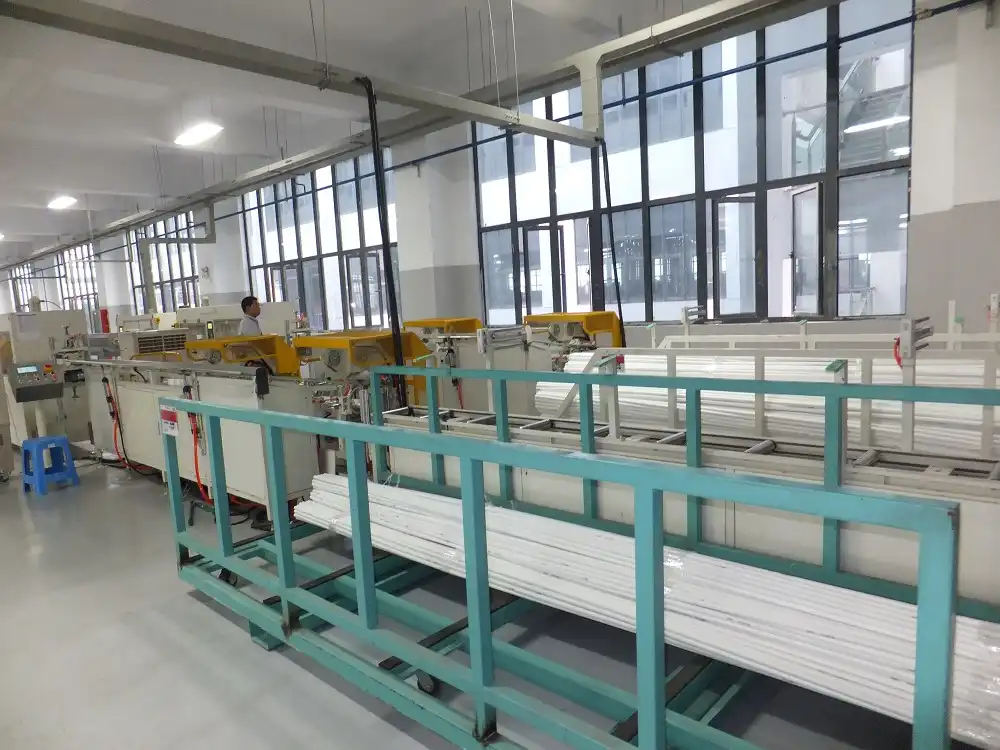
Automatic pipe capping machine be designed to cap pipes with efficiency and precision. It is specifically designed for pipe diameters ranging from 20 to 32.
What are the key considerations for implementing an automatic pipe capping machine? Key considerations include production volume, pipe diameter range, desired capping speed, and integration with existing production lines. Selecting a machine that aligns with these factors ensures optimal performance and efficiency.
Automatic capping machine be designed to cap pipes with efficiency and precision. It is specifically designed for pipe diameters ranging from 20 to 32.Customization options are available to accommodate other diameter specifications. This machine is an essential component of a pipe production line, ensuring seamless and automated capping processes. With its reliable performance, it streamlines the production process, enhances productivity, and ensures consistent capping quality. Whether it’s for small or large-scale pipe manufacturing, the automatic pipe capping machine is a valuable addition to optimize the efficiency and output of the pipe production line. Its high-speed capping capabilities, with a cap cycle time of under 2 seconds and up to 40 cycles per minute, significantly increase production throughput. Moreover, its exceptional reliability, boasting a remarkably low block failure rate of less than 1 in 50,000, ensures consistent performance and minimal downtime. The machine’s advanced features, such as optional failure detection and pipe diameter detection, further enhance precision and adaptability to various pipe sizes. Automatic counting during the capping process and customizable vibration plates tailored to specific pipe caps streamline operations, while sophisticated air source treatment allows for precise cap strength adjustment. Equipped with high-speed industrial Ethernet, the machine ensures robust and reliable communication, completing its suite of advanced capabilities designed to optimize capping efficiency.
Conclusion
Automating PVC pipe packing offers a multitude of benefits, from streamlining processes and increasing efficiency to reducing labor costs and minimizing waste. By embracing these advanced technologies, manufacturers can significantly enhance their competitiveness and achieve greater profitability. Investing in automation is an investment in the future of PVC pipe production.








