
How Spain factories using coil wrapping machine to ensure safer palletized stacking?
Manual handling of heavy steel coils presents a real challenge in factories, especially in demanding industrial environments like those found across Spain. I have seen firsthand how these outdated methods not only slow down production but also put workers at serious risk of injury. The constant pressure to meet quotas while keeping costs down often pushes factories to delay vital upgrades. This leads to a cycle of inefficiency, costly accidents, and frustrating product damage.
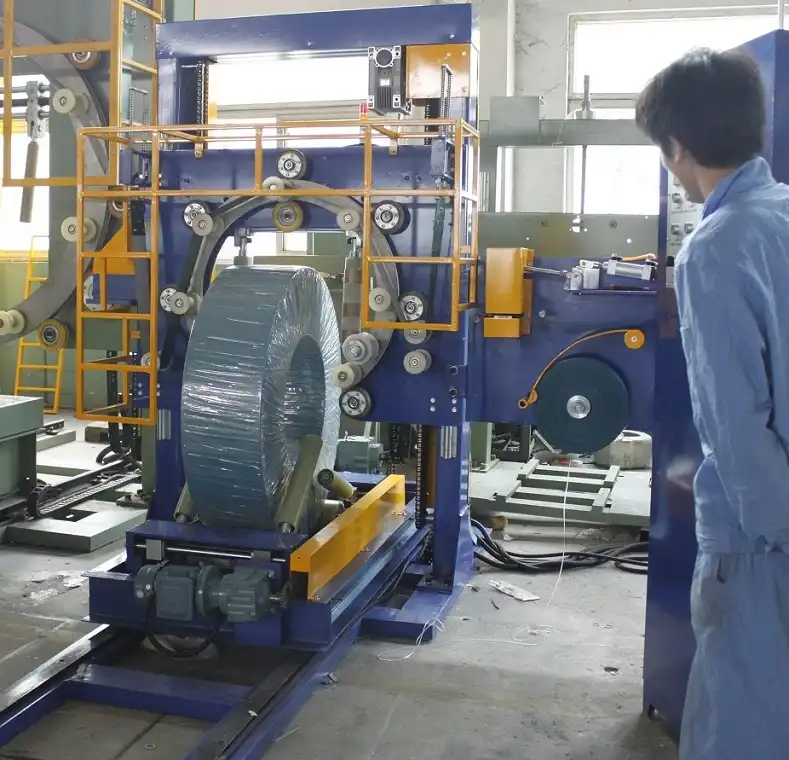
Spanish factories, like many around the world, are turning to advanced coil wrapping machines to solve these critical problems. These machines automatically apply a secure, protective wrap around coils, making them stable and much safer for stacking on pallets. This technology significantly reduces the need for manual handling of loose, heavy coils, directly lowering the risk of workplace injuries and improving the overall safety of the entire production line.
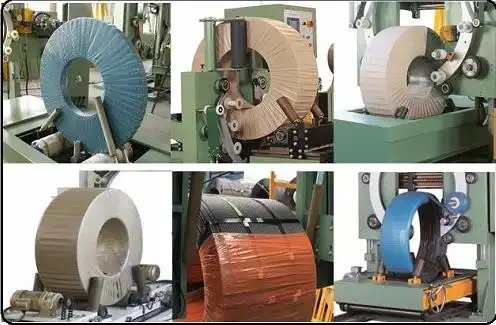
As someone who built a packing machine factory from the ground up, I understand the pressures factory managers face. Investing in new equipment is a big decision. But the shift from manual to automated coil wrapping is not just about a machine. It is about transforming an entire operation. Let us explore the deeper reasons why this technology is so crucial for modern manufacturing.
1. Why do manual coil handling methods pose risks in Spanish industrial settings?
Imagine a busy factory floor in Spain, perhaps a metal processing plant. Workers are moving heavy steel coils, trying to secure them for storage or shipment. The sheer weight and awkward shape of these coils make every step risky. This constant physical strain leads to injuries and slow operations.
Manual coil handling methods in Spanish industrial settings pose significant risks due to the extreme weight and unstable nature of coils, leading to frequent strains, crushing injuries, and accidents from falling loads. These methods also create inefficiencies, causing bottlenecks, increasing labor costs, and disrupting the steady flow of production.
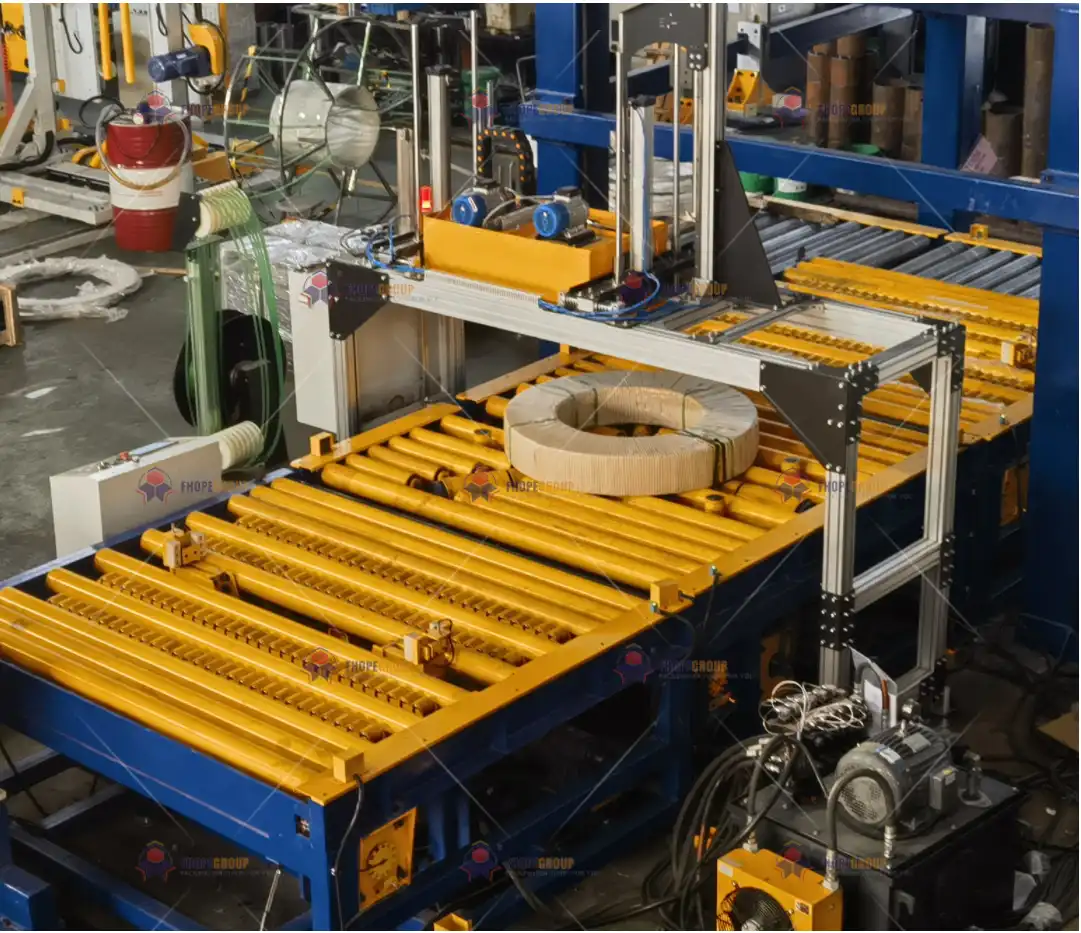
From my own years in this industry, I have seen the direct impact of these risks. I started on the factory floor myself. I know the feeling of moving heavy items. The risks are not just theoretical. They are real. They impact worker morale, insurance premiums, and ultimately, the company’s bottom line. Modern Spanish factories, focused on high output and strict safety standards, find manual methods increasingly unsustainable. They cannot afford the downtime or the human cost of accidents.
The Hidden Costs of Manual Labor
Manual handling seems cheap at first glance. It uses existing staff. But the true cost is often much higher. We are talking about more than just hourly wages.
- Direct Injuries: Workers suffer back strains, sprains, fractures, and even crush injuries. These lead to immediate medical expenses and lost workdays.
- Increased Insurance Premiums: A rise in workplace accidents directly pushes up insurance costs for the factory. Insurers see higher risk. They charge more.
- Lost Productivity: Injured workers mean fewer hands on deck. This slows down production. It can create bottlenecks. Other processes wait.
- High Employee Turnover: Dangerous work environments lead to unhappy employees. Workers look for safer jobs. This means constant recruitment and training costs.
- Legal Fees and Fines: Accidents can result in legal action or regulatory fines. This adds further financial burdens.
- Reduced Morale: A workplace with frequent injuries impacts everyone. It lowers morale. It makes workers feel less valued.
Specific Challenges in Spanish Factories
Spanish industrial settings, particularly in sectors like metal processing and heavy manufacturing, often deal with high volumes and demanding production schedules.
- Traditional Workflows: Some factories still rely on older, established workflows. These often prioritize initial setup cost over long-term safety and efficiency.
- Workforce Demographics: The workforce can be diverse. There is a need for consistent training on safety protocols. But manual lifting always carries a risk.
- Regulatory Environment: Spain, as part of the EU, has strict health and safety regulations. Non-compliance can lead to severe penalties. Factories must adapt.
- Space Constraints: Some older factory layouts have limited space. This makes it harder to maneuver heavy equipment safely. Manual handling seems like the only option. But it is not.
| Aspect | Manual Handling Risks | Automated Handling Benefits |
|---|---|---|
| Worker Safety | High risk of strain, crush injuries, falls | Significantly reduced direct worker exposure to risk |
| Product Stability | Coils can shift, leading to damage | Secure, uniform wrapping prevents movement |
| Operational Speed | Slow and inconsistent | Fast, consistent, and predictable packing cycles |
| Labor Cost | High, plus costs of injury and turnover | Reduced, workers redeployed to higher-value tasks |
| Space Efficiency | Requires large clear areas for safe manual work | Can be integrated into tighter lines, vertical stacking safer |
The move away from manual methods is not just an upgrade. It is a fundamental shift towards a safer, more sustainable way of operating. It protects workers. It also protects the factory’s financial health.
2. How do coil wrapping machines prevent damage and secure products during transport in Spain?
Product damage during handling and transport is a hidden cost that eats into profits. I have seen how even a small scratch on a coil edge can lead to a rejected shipment and a very unhappy customer. In Spain, where manufacturing quality is highly valued, this is not an option.
Coil wrapping machines prevent damage and secure products in Spain by applying a tight, multi-layered film around the coil. This creates a protective barrier against physical impacts, moisture, and dust, while also binding the coil layers together to prevent shifting and unraveling during internal transfers and long-distance transport.
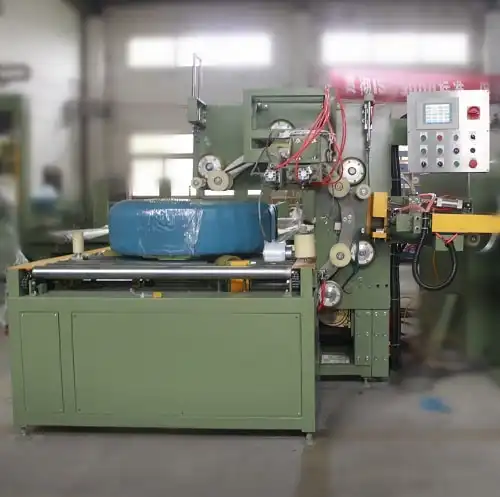
When I was building my factory, I realized early on that product quality extends beyond the manufacturing process itself. It includes how the product arrives at the customer’s door. A perfect coil that gets damaged in transit is no longer perfect. This insight drove me to focus heavily on robust packing solutions. For Spanish manufacturers, maintaining product integrity is crucial for their reputation and their bottom line.
The Science of Secure Packaging
It is more than just wrapping. There is a precise science behind it. Coil wrapping machines use specific techniques and materials to achieve maximum protection.
- Tension Control: The machine applies the wrapping film with controlled tension. This ensures the film is tight against the coil. It prevents any looseness. Loose film offers poor protection.
- Full Coverage: The wrapping process ensures 360-degree coverage. This means every part of the coil, including vulnerable edges, is protected. This is key for steel coils.
- Multi-Layer Protection: Depending on the coil type and transport conditions, multiple layers of film can be applied. This creates a stronger barrier. It adds to impact resistance.
- Material Selection: The choice of wrapping material matters. Stretch film, VCI film (Volatile Corrosion Inhibitor), or woven film each offer different properties. They protect against rust, moisture, and punctures.
- Coil Integrity: The wrapping acts like a brace. It holds the individual layers of the coil tightly together. This stops them from shifting. It prevents unwinding, especially during jolts or vibrations. This is vital for safety during stacking and movement.
Protecting Coils from Factory to Customer
The journey of a coil from the production line to its final destination is full of potential hazards. A coil wrapping machine provides consistent protection throughout this entire process.
- Internal Transport: Inside the factory, coils are moved by forklifts or cranes. Even small bumps can cause damage if coils are not properly secured. The wrapping protects them from these internal impacts.
- Warehouse Storage: Stacked coils need to be stable. Proper wrapping ensures they maintain their shape and integrity. This prevents collapse or shifting in storage.
- External Shipment: Whether by truck, train, or ship, coils face constant movement. Vibrations, sudden stops, and even weather can all cause damage. A tightly wrapped coil is much more resistant.
- Customer Satisfaction: Delivering undamaged products is paramount. It builds trust. It ensures repeat business. Michael Chen’s concerns about customer complaints and profit loss due to damage are very real. A reliable wrapping solution directly addresses these. It helps factories avoid the costs of returns, rework, and lost sales. It also preserves the factory’s reputation for quality.
🛡️ A protective shield around your investment. 🚚 Secure delivery, every single time.
I remember a client who struggled with coils arriving at their customer with minor edge damage. These were high-value steel coils. The damage was small, but it led to claims and delays. After implementing a coil wrapping machine, they saw a dramatic drop in these complaints. The uniform and secure wrap meant the coils were protected from impacts and abrasion. The return on that investment was clear. It was not just about saving money. It was about solidifying their relationship with their customers.
3. What operational efficiencies do coil wrapping machines deliver to Spanish factories?
Slow packing processes can be a huge headache for any factory manager in Spain. I have seen how bottlenecks at the end of the production line can erase all the efficiency gains made earlier in the process. When manual packing cannot keep up, it delays everything. This means missed deadlines and frustrated customers.
Coil wrapping machines deliver significant operational efficiencies to Spanish factories by automating the packing process. This leads to much faster wrapping cycles, reduces the need for extensive manual labor, ensures consistent package quality, and minimizes overall packing time. These improvements free up resources and streamline the entire end-of-line operation.
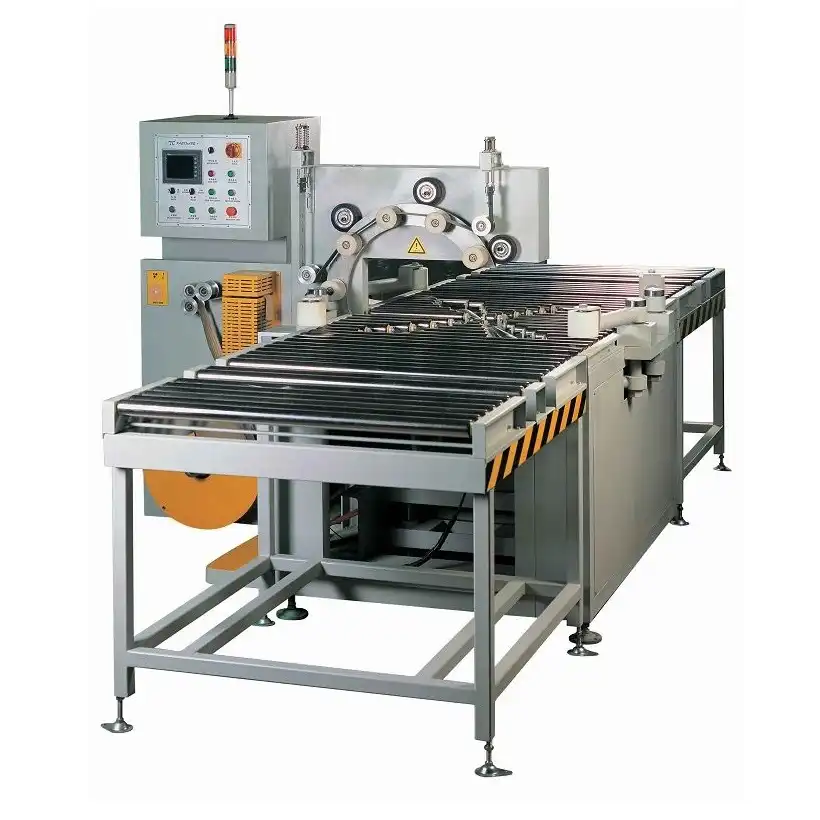
When I was running my own factory, maximizing efficiency was always a top priority. Every minute saved, every process optimized, contributed to better profitability. For factories in Spain, where global competition is fierce, operational efficiency is not a luxury. It is a necessity. Coil wrapping machines are not just about safety. They are powerful tools for boosting productivity. They allow factories to handle higher volumes with fewer resources.
Speeding Up the End-of-Line Process
The most direct benefit of a coil wrapping machine is speed.
- Faster Cycle Times: A machine can wrap a coil in minutes. Manual wrapping takes much longer. It depends on the worker’s speed and fatigue. Machines work at a consistent pace.
- Increased Throughput: With faster packing, more coils can be processed per hour or shift. This directly increases the factory’s overall output capacity. It helps meet high production targets.
- Reduced Bottlenecks: Manual packing often becomes the slowest part of the line. An automated wrapper removes this bottleneck. It ensures a smooth flow from production to dispatch.
- Consistent Quality: Machines apply wrap uniformly every time. This means consistent package quality. It contrasts with manual wrapping, which can vary.
Packing Time Comparison (Hypothetical Data for a Coil)
| Method | Average Wrapping Time (minutes) | Coils per Hour |
|---|---|---|
| Manual Wrapping | 10 – 15 minutes | 4 – 6 |
| Machine Wrapping | 1 – 3 minutes | 20 – 60 |
This simple comparison shows the dramatic difference. An automated machine can wrap ten times more coils in the same amount of time.
Optimizing Labor Allocation
Automation does not just replace workers. It reallocates human effort to more valuable tasks.
- Fewer Hands on Packing: One or two operators can manage an automated coil wrapper. Manual packing might need several workers for the same output.
- Redeploying Staff: Workers previously assigned to manual packing can move to other areas. They can perform quality control, equipment maintenance, or other skilled tasks. These tasks add more value to the business.
- Reduced Overtime: Faster packing means less need for overtime hours. This saves on labor costs. It also improves work-life balance for employees.
- Cost Savings: Lower labor input for packing directly translates into cost savings. These savings accumulate over time. They contribute to the factory’s overall profitability.
⚙️ Seamless operation, day in and day out. 💰 Smart investment, big savings.
I once worked with a client in the steel industry. Their production line was very efficient until the very end. The manual coil packing station was always backed up. They had three people constantly working on it, often doing overtime. When they installed a new coil wrapping machine, they were able to reassign two of those workers to more specialized roles in quality assurance. The remaining operator could easily manage the machine. This not only eliminated the bottleneck but also improved the quality of their finished products. Their output increased. Their labor costs for packing went down. It was a clear win-win.
4. How can Spanish manufacturers evaluate the ROI and choose the right coil wrapping solution?
Investing in new machinery, especially something as significant as a coil wrapping machine, requires careful thought. Factory managers in Spain, like Michael Chen, want to see a clear return on investment. They need to trust that their money is well spent. They are also wary of suppliers who only focus on sales and then disappear after the purchase.
Spanish manufacturers can evaluate the ROI of a coil wrapping machine by calculating savings from reduced labor, minimized product damage, and fewer safety incidents, alongside gains from increased throughput. Choosing the right solution involves prioritizing machine durability, reliable after-sales support, customization options, and partnering with a vendor known for deep industry expertise.
I have experienced both sides of this. I have been the buyer, looking for reliable solutions. I have also been the seller, committed to delivering real value and support. My journey taught me that a good machine is only half the story. The other half is about partnership. It is about understanding the client’s needs and providing ongoing support. For a factory manager like Michael, this partnership is critical. It ensures that the investment truly solves their problems and contributes to their business growth.
Calculating Your Return on Investment
A solid business case is essential. Here are the key areas to consider when calculating the ROI for a coil wrapping machine:
- Labor Savings:
- Calculate the annual cost of labor for manual coil packing (wages, benefits, overtime).
- Estimate how much this cost will decrease with automation.
- Consider the value of redeploying workers to higher-skill tasks.
- Material Waste Reduction:
- Estimate the current cost of product damage due to poor packing or handling.
- Factor in reduced customer complaints and returns.
- Consider the value of improved brand reputation.
- Safety Incident Reduction:
- Calculate the cost of workplace injuries (medical, lost time, insurance premium increases).
- Quantify the value of a safer working environment and higher employee morale.
- Increased Throughput and Revenue:
- Determine how much faster your packing process will be.
- Calculate the value of being able to process more coils and meet higher demand.
- Consider any new business opportunities that arise from increased capacity.








