

How Rotary vs Linear Coil Wrapping Machines Affect Production Throughput
Are bottlenecks in your coil wrapping process slowing down your production line and impacting your bottom line? Many metal fabrication businesses face the challenge of optimizing their coil packaging to maintain a competitive edge. Choosing between rotary and linear coil wrapping machines is a critical decision that directly influences your production throughput.
Rotary and linear coil wrapping machines offer distinct approaches to packaging, each impacting production throughput differently. Rotary machines, known for continuous motion, excel in high-volume environments, maximizing speed. Linear machines, with their stop-and-go operation, provide flexibility and precision, often better suited for varied coil sizes and lower volumes. The choice hinges on your specific production needs and throughput goals.
Understanding the nuances of each system is crucial for making an informed investment. Let’s delve into the specifics of rotary and linear coil wrapping machines to determine which technology best aligns with your production throughput objectives.
Rotary Coil Wrapping Machines: The High-Volume Solution
Are you striving for maximum output in your coil wrapping process? For industries demanding rapid and consistent packaging, rotary coil wrapping machines emerge as the champions of high-volume throughput. But how do they achieve such speed and efficiency?
Rotary coil wrapping machines utilize a circular carousel design, where coils are continuously moved through various wrapping stations without stopping. This continuous motion allows for significantly higher throughput compared to linear systems, making them ideal for operations with large, standardized coil production.

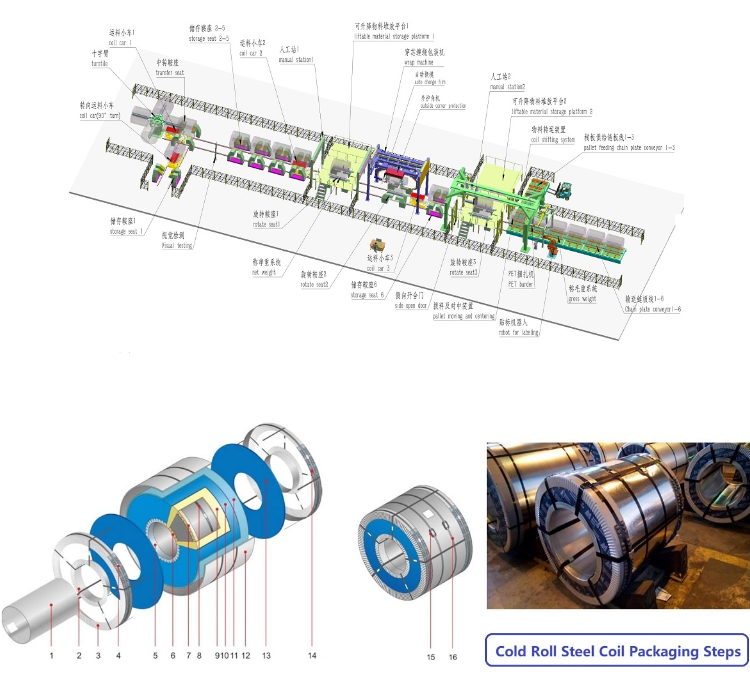
To truly appreciate the impact of rotary systems, we need to dive deeper into their operational mechanics and advantages. Let’s explore how these machines optimize throughput and where they shine in the metal fabrication landscape.
Operational Efficiency of Rotary Machines
Rotary coil wrapping machines are engineered for uninterrupted operation. The core of their efficiency lies in the rotating carousel. Coils are loaded onto the carousel and then seamlessly transition through stations for wrapping, sealing, and discharge, all while the machine keeps moving. This eliminates the start-stop cycles inherent in linear systems, dramatically reducing cycle times and boosting output.
Applications Across Industries
The high-speed capability of rotary wrappers makes them invaluable in industries with mass production needs, including:
- Steel and Aluminum Mills: For wrapping large volumes of coils directly off the production line.
- High-Volume Service Centers: Where speed is crucial to process a continuous stream of coils.
- Standardized Coil Packaging: Industries dealing with consistent coil sizes and packaging requirements benefit most from rotary efficiency.
Rotary vs. Linear Machine Throughput: A Data-Driven Comparison
To illustrate the throughput advantage of rotary systems, consider this hypothetical comparison:
| Feature | Rotary Coil Wrapper | Linear Coil Wrapper |
|---|---|---|
| Cycle Time (per coil) | 15-30 seconds | 30-60 seconds |
| Coils Wrapped per Hour | 120-240 | 60-120 |
| Ideal Volume | High (Continuous Operation) | Medium to Low (Batch Runs) |
| Changeover Time | Longer (for different sizes) | Shorter (for varied sizes) |
As the table shows, rotary machines can potentially double the throughput compared to linear machines in high-volume scenarios. However, this efficiency comes with considerations for flexibility and changeover times, which we’ll explore further.
Linear Coil Wrapping Machines: Precision and Flexibility
Is versatility a key requirement in your coil wrapping process? While rotary machines excel in high-speed, uniform packaging, linear coil wrapping machines offer a different set of advantages, particularly in terms of flexibility and precision for diverse coil types and sizes.
Linear coil wrapping machines operate in a stop-and-go manner, with coils moving along a straight line through distinct wrapping stations. This intermittent motion provides greater control and adaptability, making linear systems well-suited for handling various coil dimensions and materials, offering precision in wrapping and tension control.


Linear systems might not match the sheer speed of rotary machines, but their strengths lie in their ability to accommodate a wider range of coil types and packaging needs. Let’s investigate the detailed benefits of linear coil wrappers and how they contribute to production efficiency in specific contexts.
Adaptability for Diverse Coil Sizes
Linear coil wrapping machines are inherently more adaptable to variations in coil dimensions. The stop-and-go motion allows for adjustments at each station to accommodate different coil diameters, widths, and even weights. This is particularly beneficial for:
- Job Shops and Custom Fabricators: Handling a wide variety of coil sizes and materials on a daily basis.
- Lower Volume, High-Mix Production: Where frequent changeovers are necessary to process different coil batches.
- Delicate or Irregular Coils: Linear systems offer more control over wrapping tension and handling, reducing the risk of damage.
Precision Wrapping and Material Control
The controlled movement of linear machines also translates to enhanced precision in the wrapping process. Operators can fine-tune wrapping parameters for each coil type, ensuring optimal material usage and package integrity. This includes:
- Adjustable Overlap: Precisely controlling the overlap of wrapping film or paper for different coil surfaces.
- Tension Control: Maintaining consistent tension throughout the wrapping cycle, critical for preventing damage to sensitive materials.
- Material Savings: Optimized wrapping processes minimize material waste, contributing to cost savings over time.
Rotary vs. Linear: Key Differences and Choosing the Right Machine
When it comes to choosing between rotary and linear coil wrapping machines, understanding the core distinctions in their operation and capabilities is paramount. The “best” choice isn’t universal; it’s dictated by your specific production environment and throughput priorities.
The primary difference lies in their operational motion: continuous for rotary and intermittent for linear. Rotary machines prioritize speed for high-volume, uniform coils, while linear machines offer flexibility and precision for varied coil sizes and lower volumes. Your production volume, coil diversity, and desired level of automation are key factors in determining the optimal system.

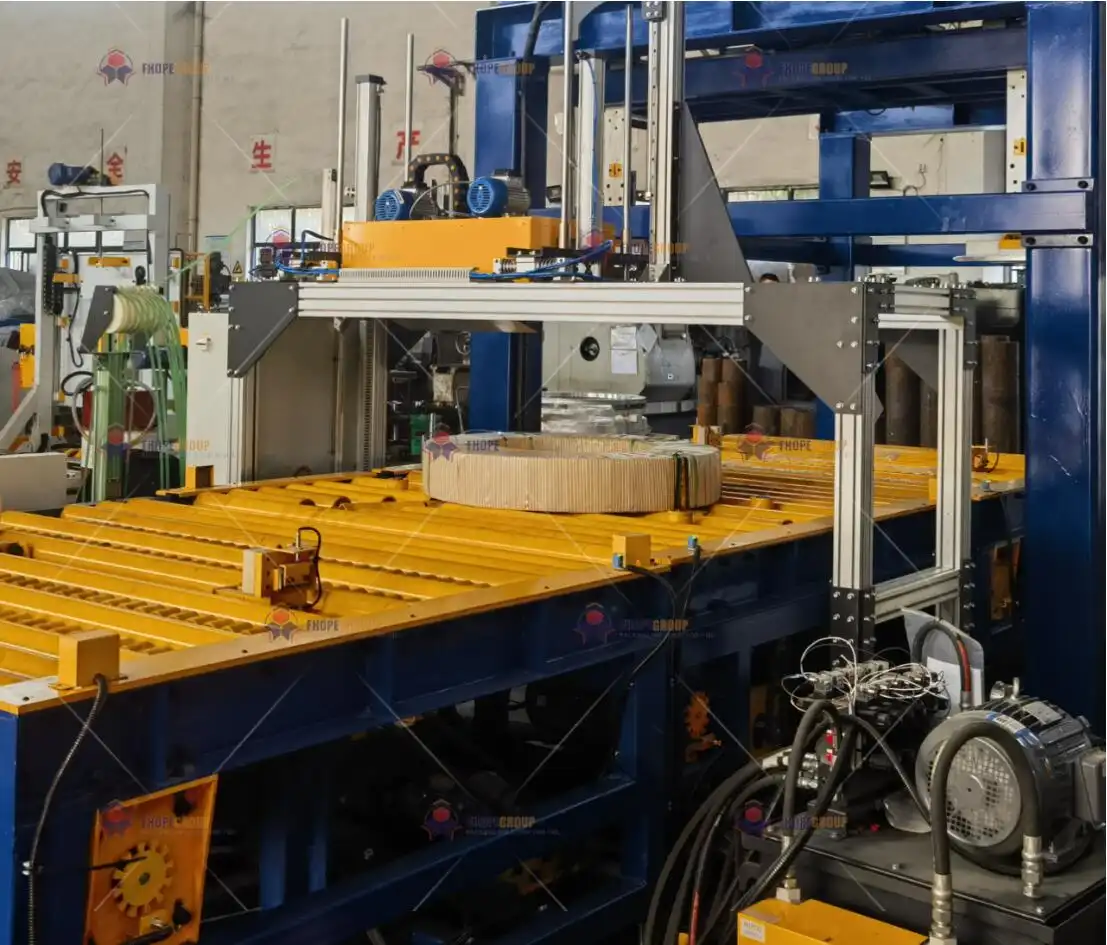
Let’s break down the critical differences in more detail to guide your decision-making process.
Speed and Throughput: The Deciding Factor for Volume
- Rotary: Unmatched speed for high-volume, continuous production. Ideal for maximizing throughput when dealing with standardized coils.
- Linear: Slower cycle times but still efficient for medium to lower volumes. Throughput can be optimized with multi-head linear systems, but generally lower than rotary.
Flexibility and Changeover: Adapting to Product Variety
- Linear: Superior flexibility for handling diverse coil sizes, shapes, and materials. Faster changeovers between different coil types.
- Rotary: Less flexible for frequent changeovers. Best suited for consistent coil dimensions. Changeover can be more complex and time-consuming.
Cost and Maintenance: Long-Term Operational Expenses
- Linear: Generally lower initial investment and maintenance costs. Simpler mechanics lead to easier repairs and readily available parts.
- Rotary: Higher upfront cost and potentially more complex maintenance. The intricate rotating mechanisms may require specialized technicians and more downtime for repairs.
Feature Comparison Table
| Feature | Rotary Coil Wrapper | Linear Coil Wrapper |
|---|---|---|
| Throughput | High | Medium |
| Flexibility | Low | High |
| Changeover Speed | Slow | Fast |
| Initial Cost | Higher | Lower |
| Maintenance Cost | Higher | Lower |
| Space Requirement | Larger | Smaller |
| Ideal for | High-volume, uniform coils | Varied coils, lower volume |
Choosing between rotary and linear machines is a strategic decision. If your primary goal is maximizing throughput for large volumes of similar coils, rotary is the clear winner. However, if flexibility and the ability to handle diverse coil types are paramount, linear systems offer a more adaptable and cost-effective solution.
Factors Affecting Production Throughput Beyond Machine Type
While the choice between rotary and linear coil wrapping machines significantly impacts production throughput, several other factors play a crucial role in overall packaging line efficiency. Optimizing these elements is essential to unlock the full potential of your chosen wrapping system.
Beyond the machine itself, factors like material handling, operator skill, maintenance schedules, and the level of automation in your entire packaging line significantly influence production throughput. Addressing bottlenecks in these areas can yield substantial improvements regardless of whether you use a rotary or linear wrapping machine.


Let’s explore these contributing factors and strategies to enhance your coil wrapping production throughput.
Streamlining Material Handling
Inefficient material handling can negate the speed advantages of even the fastest wrapping machine. Consider these improvements:
- Automated Coil Feeding: Implement conveyors or automated guided vehicles (AGVs) to deliver coils to the wrapping station, reducing manual loading time.
- Optimized Layout: Design the production floor layout to minimize coil movement distances and eliminate unnecessary steps.
- Buffer Zones: Create buffer zones before and after the wrapping station to prevent bottlenecks and ensure a continuous flow of coils.
Enhancing Operator Skill and Training
Well-trained operators are crucial for maximizing machine uptime and efficiency. Invest in comprehensive training programs that cover:
- Machine Operation and Controls: Ensure operators fully understand machine functionalities and can operate them optimally.
- Troubleshooting and Basic Maintenance: Equip operators to handle minor issues and perform routine maintenance, reducing downtime.
- Safety Procedures: Prioritize safety training to prevent accidents and ensure a smooth, uninterrupted workflow.
Implementing Proactive Maintenance Schedules
Regular maintenance is vital for preventing breakdowns and ensuring consistent machine performance. Establish a proactive maintenance schedule that includes:
- Daily Inspections: Operators should perform daily checks for lubrication, loose parts, and any signs of wear and tear.
- Preventive Maintenance: Schedule regular maintenance tasks like cleaning, lubrication, and component replacement based on manufacturer recommendations.
- Predictive Maintenance: Consider implementing sensor-based monitoring to detect potential issues early and schedule maintenance proactively, minimizing unexpected downtime.
Optimizing Throughput with Coil Packing Automation
To achieve peak production throughput in coil wrapping, integrating automation throughout the packaging line is the ultimate strategy. Automation not only boosts speed but also enhances consistency, reduces labor costs, and improves overall efficiency.
Automating coil handling, wrapping, labeling, and stacking processes significantly minimizes manual intervention, leading to higher throughput, reduced errors, and improved workplace safety. Integrating rotary or linear wrapping machines into a fully automated line unlocks their maximum potential for production efficiency.

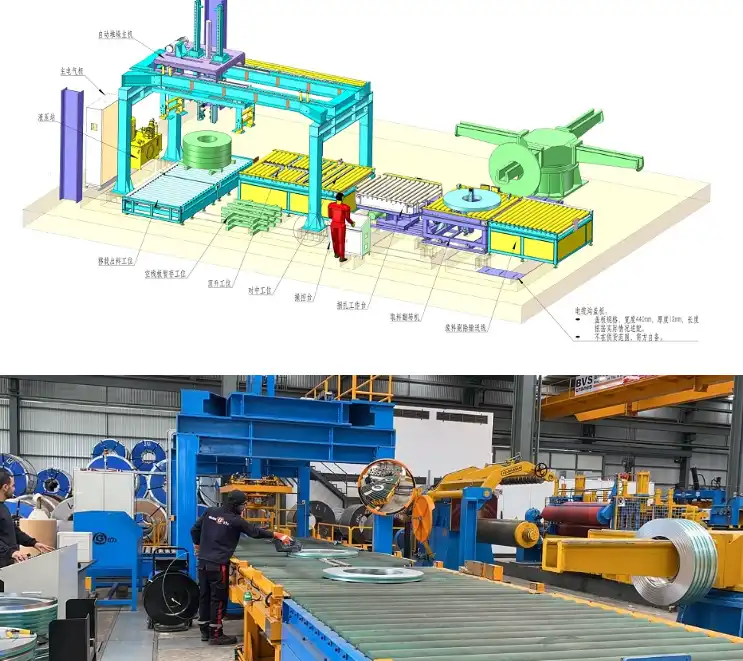
Let’s examine the key benefits of coil packing automation and the technologies that drive it.
Benefits of Automated Coil Packing
- Increased Throughput: Automation eliminates manual bottlenecks and ensures continuous operation, maximizing the output of wrapping machines.
- Reduced Labor Costs: Automated systems require fewer operators, significantly reducing labor expenses and reliance on manual tasks.
- Improved Consistency and Quality: Automated processes ensure consistent wrapping quality and minimize human error, leading to better package integrity.
- Enhanced Safety: Automating heavy lifting and repetitive tasks improves workplace safety and reduces the risk of operator injuries.
- Data Collection and Analysis: Modern automated lines can collect data on production metrics, allowing for performance monitoring and continuous improvement.
Key Automation Technologies
- Automated Coil Handling Systems: Including conveyors, AGVs, and robotic arms for seamless coil transport and loading.
- Robotic Wrapping Stations: Integrating robots for precise and consistent film or paper application in both rotary and linear systems.
- Automated Labeling and Marking: Systems for automatic label application, barcode scanning, and product identification.
- Automated Stacking and Palletizing: Robotic palletizers for efficient stacking of wrapped coils, ready for shipping or warehousing.
- Integrated Control Systems: Centralized control systems to manage and synchronize all automated components, optimizing line performance.
Conclusion
Choosing between rotary and linear coil wrapping machines is a critical decision with direct implications for your production throughput. Rotary machines offer unparalleled speed for high-volume, uniform coil packaging, while linear machines provide essential flexibility and precision for diverse coil types and lower volumes. However, maximizing throughput extends beyond just the wrapping machine. Optimizing material handling, operator training, maintenance, and embracing wire packing automation are all vital components in achieving peak efficiency and a competitive edge in the metal fabrication industry. By carefully evaluating your specific needs and strategically implementing the right solutions, you can unlock significant improvements in your coil wrapping production throughput and overall operational success.












