
How pallet inverter reduces manual handling risks in medical cold chain storage?
The world of medical logistics is highly demanding. Every day, pharmaceutical companies, hospitals, and research facilities move temperature-sensitive products. These items include vaccines, biologics, and specialized medicines. Keeping these products at the right temperature is critical. A single mistake can ruin an entire batch. This means huge financial losses and, more importantly, a risk to public health. Many businesses still rely on manual handling for moving goods, especially when changing pallets. This process introduces many risks, both for the products and for the workers. I have seen these challenges firsthand in my years in the packing machine industry.
Pallet inverters significantly reduce manual handling risks in medical cold chain storage by automating the process of transferring goods between different pallet types or for inspection. They eliminate the need for workers to physically lift, tilt, or transfer heavy and often delicate medical products, which lowers the chance of product damage from drops or temperature fluctuations and protects employees from injuries related to heavy lifting, awkward movements, or accidental spills in cold environments.
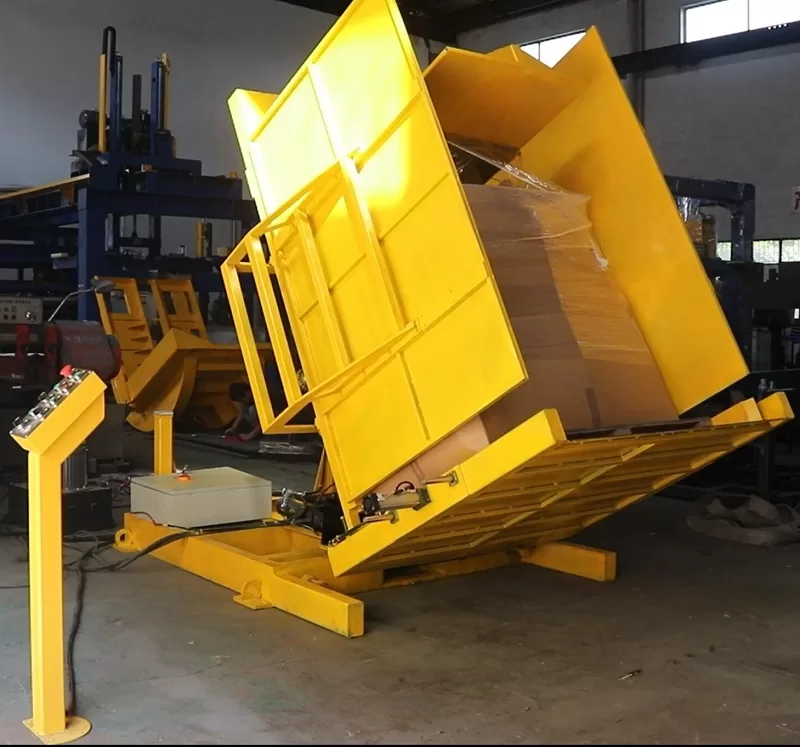
Understanding these risks is the first step. Finding reliable solutions is the next. Let us explore how pallet inverters change the game for cold chain logistics. They improve both safety and efficiency for everyone involved.
Why is manual handling a major risk in medical cold chain storage?
Imagine delicate medical supplies, like vaccines, needing to stay at a precise temperature. Now picture workers manually moving these boxes from one pallet to another. This task is very risky. It can lead to severe problems. Companies face challenges from product damage to worker injuries. This is a common scene in many warehouses. Managers like Carlos, who oversee large distribution centers, know these challenges well. He faces constant pressure to keep things moving efficiently and safely.
Manual handling in medical cold chain storage is risky because it directly exposes temperature-sensitive products to environmental changes and increases the likelihood of human error, product damage, and serious workplace injuries due to heavy lifting and repetitive motions in cold and often slippery conditions.
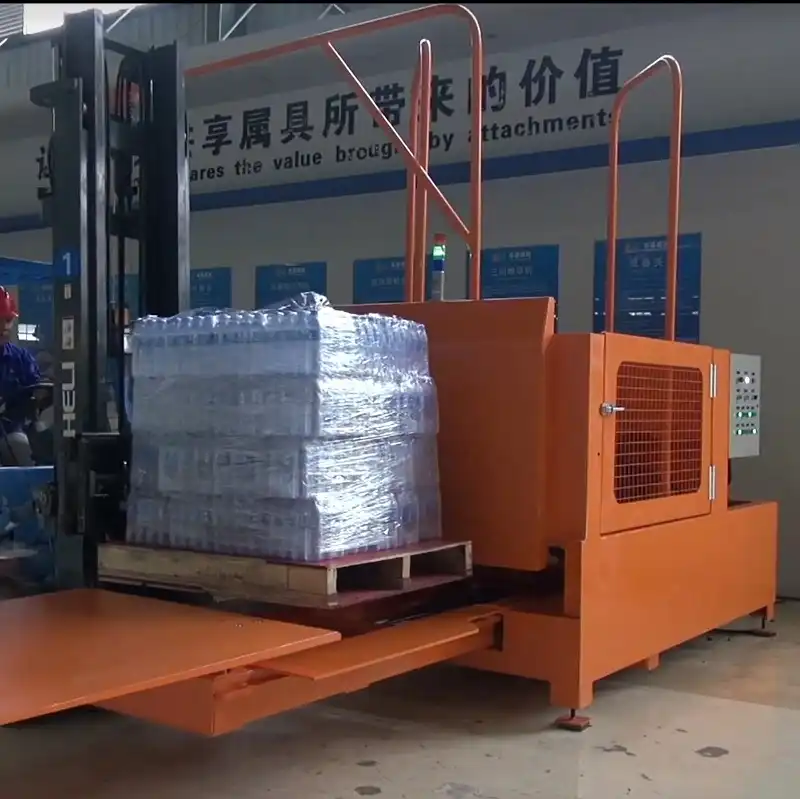
I have seen countless operations where manual handling becomes a bottleneck and a hazard. My experience in establishing and running a successful packing machine factory taught me that every inefficiency or safety lapse costs money and trust. When we talk about medical cold chain, the stakes are even higher. The consequences of even small mistakes are huge.
The True Cost of Manual Handling Risks in Cold Chain
Manual handling often looks like a low-cost option on paper. This is a common mistake I have seen businesses make. In reality, it carries a very high price. This cost comes from many different angles. We need to look at both the human element and the operational element.
1. Product Integrity and Temperature Excursions
Medical products in a cold chain are sensitive. They must stay within specific temperature ranges.
- Exposure to Warm Air: When workers manually move goods, the products are outside controlled environments for longer. Even a short time in warmer air can harm product quality.
- Physical Damage: Workers might drop or mishandle boxes. This can cause physical damage to delicate vials or packaging. Such damage often leads to the product being unusable. This means wasted goods and lost revenue.
Consider a batch of vaccines. If they warm up too much, they lose their effectiveness. This is not just a financial loss. It is a public health concern. The entire purpose of the cold chain is to prevent this. Manual handling directly undermines this goal.
2. Worker Safety and Labor Challenges
The safety of employees is paramount. Manual handling in cold storage presents unique dangers. Managers like Carlos struggle with labor shortages. Young workers do not want physically demanding jobs in cold environments.
- Injury Risks: Workers lift heavy boxes and twist their bodies. This often happens in cold, slippery conditions. Back strains, shoulder injuries, and sprains are common. These injuries lead to high medical costs and lost workdays.
- Fatigue and Error: Cold temperatures make workers tired faster. Fatigue increases the chance of mistakes. An exhausted worker might drop a pallet or stack items incorrectly. This leads to accidents.
- Repetitive Strain Injuries: Many manual tasks involve the same movements over and over. This causes long-term health problems for workers. It increases the business’s insurance premiums and compensation claims.
Carlos mentioned his warehouse deals with thousands of pallets daily. Manual handling for this volume is unsustainable. It puts his team at constant risk. The cost of one serious injury can easily outweigh the cost of automated equipment.
3. Operational Inefficiencies and Compliance Issues
Manual handling is slow and prone to errors. This impacts the entire supply chain.
- Slow Throughput: Each pallet transfer takes time. If a warehouse processes thousands of pallets, manual methods create significant delays. This slows down order fulfillment.
- Inconsistent Quality: Human performance varies. One worker might be faster or more careful than another. This leads to inconsistent output and quality issues.
- Compliance Breaches: Many medical products have strict handling rules. Manual processes make it harder to meet these rules consistently. Non-compliance can lead to fines, audits, and loss of certification.
- Diverse Pallet Types: Carlos’s challenge of switching between Euro pallets and US pallets manually is a perfect example. Each switch takes time. It also increases the risk of error. This slows down international exports and can lead to costly delays and penalties.
These factors show that manual handling in medical cold chain is not just an inconvenience. It is a critical business risk. It affects product quality, worker well-being, and overall business performance. My goal is to help businesses understand these hidden costs. Then they can choose better solutions.
How do pallet inverters protect temperature-sensitive goods and workers?
When you work with sensitive products, like those in the medical cold chain, protection is key. Pallet inverters offer a smart way to handle goods. They do this without putting products or workers at risk. These machines lift and rotate entire pallet loads. They can flip products 180 degrees or simply transfer them to a new pallet. This means less human touch, which is safer for everyone and everything.
Pallet inverters protect temperature-sensitive goods by isolating them within the machine during the transfer process, minimizing exposure to ambient temperatures and reducing physical shocks. They protect workers by automating heavy lifting and awkward movements, eliminating the need for manual force and thereby preventing injuries from drops, strains, or impacts in cold, slippery warehouse environments.

I have always believed in giving back. Sharing this knowledge helps others succeed. Seeing how these machines help businesses grow and protect their people makes me proud. Pallet inverters embody this mission. They solve real problems with smart engineering.
Engineering Solutions for Cold Chain Safety
Pallet inverters are more than just machines that move pallets. They are engineered solutions designed to address specific challenges. These challenges include maintaining temperature stability and ensuring worker safety. I have seen how effective a well-designed machine can be.
1. Precise and Gentle Product Handling
Medical cold chain products require careful treatment. Pallet inverters offer this.
- Reduced Product Movement: The machine holds the entire load firmly. It minimizes individual box movements. This prevents items from shifting or falling. This is crucial for delicate or unstable loads.
- Controlled Environment: The transfer happens within the machine’s footprint. This significantly limits the time products are exposed to uncontrolled temperatures. Some advanced models can even be integrated into a cold room, maintaining the temperature throughout the process.
- Smooth Operation: Pallet inverters use hydraulic or electric systems for smooth, controlled movements. This eliminates the abrupt jerks and bumps common in manual handling. Such impacts can damage sensitive equipment or break fragile containers.
For instance, when a pallet needs a new base because of damage or a change in regional standards, the inverter gently holds the goods. It then swaps the pallet underneath. This keeps the product stable and safe. It avoids the need for manual stacking and unstacking. This is vital for maintaining the integrity of pharmaceuticals.
2. Enhanced Worker Safety and Ergonomics
The safety benefits for workers are clear and immediate. This directly addresses the safety concerns of managers like Carlos.
- Elimination of Heavy Lifting: Workers no longer need to lift heavy cases or entire pallet layers. The machine does all the heavy work. This prevents muscle strains, back injuries, and other musculoskeletal disorders.
- Reduced Awkward Postures: Manual pallet changes involve bending, twisting, and reaching. These movements are ergonomically poor. Pallet inverters eliminate these awkward postures. Workers can operate the machine from a safe, standing position.
- Minimized Risk of Falling Objects: When workers manually transfer items, there is always a risk of boxes falling. This can injure workers. With a pallet inverter, the load is secured. This drastically reduces the chance of items tumbling down.
- Improved Cold Environment Safety: Working in cold storage for long periods can lead to fatigue and reduced dexterity. This increases accident risk. By automating the most demanding tasks, pallet inverters reduce the time workers spend in extreme cold doing physical labor. This means fewer cold-related injuries or incidents.
My own journey started as an employee. I understand the importance of a safe workplace. Seeing employees get hurt is never easy. Technologies like pallet inverters are investments in human capital. They show a company cares about its workforce. This also helps with employee retention, a challenge Carlos highlighted. People want to work in safe environments.
3. Adaptability to Diverse Pallet Specifications
Carlos faces the problem of needing to switch between different pallet types. Pallet inverters solve this issue efficiently.
- Seamless Pallet Swaps: Whether it is a Euro pallet, a US pallet, or a plastic hygiene pallet, the inverter handles the change. It does this without disturbing the product. This capability is essential for international logistics and diverse supply chains.
- Hygiene Pallet Integration: In medical cold chain, hygiene is paramount. Products often arrive on wooden pallets but need to be transferred to plastic hygiene pallets for in-warehouse storage or cleanroom entry. Pallet inverters make this transition smooth and contact-free.
These points illustrate how pallet inverters are not just about automation. They are about creating a safer, more controlled, and more efficient environment for medical cold chain operations. They protect both the valuable products and the invaluable people who handle them.
What tangible benefits do pallet inverters bring to cold chain operations?
Adopting new technology always comes with questions about its return on investment. For cold chain operations, the benefits of pallet inverters are clear and measurable. These machines do more than just move pallets. They bring significant advantages that improve a company’s bottom line and its reputation. From saving money to making customers happier, the impact is widespread. This is about real-world gains.
Pallet inverters bring tangible benefits to cold chain operations by significantly improving worker safety, reducing product damage, increasing operational efficiency, and lowering labor costs. They ensure compliance with hygiene standards, accelerate throughput, and ultimately enhance customer satisfaction by delivering products reliably and on time.

In my time helping clients grow their businesses, I have seen the direct impact of smart automation. Companies that embrace these solutions do not just survive; they thrive. They solve immediate problems and position themselves for future success. It is a win-win situation for everyone involved.
Measuring the Impact: From Risk Reduction to Business Growth
The benefits of pallet inverters are not just theoretical. They translate into concrete improvements across the entire operation. My insights come from years of seeing what works and what does not in the packing and handling machine industry.
1. Significant Cost Savings and ROI
The initial investment in a pallet inverter pays off quickly.
- Reduced Labor Costs: Less reliance on manual labor means lower wages, benefits, and training expenses. This is a critical factor for managers like Carlos facing rising labor costs and shortages.
- Fewer Injury-Related Expenses: Eliminating manual handling reduces worker injuries. This directly lowers insurance premiums, workers’ compensation claims, and legal costs. The savings here can be substantial.
- Decreased Product Loss: Automation leads to less product damage and spoilage. This saves the cost of replacing damaged goods and the revenue lost from unsaleable items.
- Optimized Space Utilization: By speeding up pallet changes, goods move through the warehouse faster. This can reduce the need for larger storage areas or allow existing space to be used more efficiently.
A single major incident, like a large batch of ruined vaccines or a severe worker injury, can cost hundreds of thousands of dollars. A pallet inverter can prevent such incidents, making it a very smart financial choice.
2. Enhanced Safety Culture and Compliance
Safety is not just a cost center. It is a core value. Pallet inverters foster a safer work environment.
- Proactive Risk Management: Implementing pallet inverters demonstrates a commitment to worker safety. This improves employee morale and reduces turnover.
- Regulatory Compliance: Many industries, especially medical, have strict safety and hygiene regulations. Pallet inverters help companies meet these standards consistently. This avoids fines and protects the company’s reputation.
- Improved Audit Readiness: Documented automated processes make audits smoother. They show a clear commitment to best practices.
Carlos emphasizes safety and reliability. A pallet inverter directly addresses these needs. It helps him build a safer, more compliant operation.
3. Boosted Operational Efficiency and Throughput
Speed and accuracy are vital in logistics. Pallet inverters deliver both.
- Faster Pallet Changes: A machine can swap pallets much faster than human workers. This dramatically reduces the time needed for this specific task.
- Increased Throughput: With faster pallet changes, more goods can move in and out of the warehouse each day. This shortens lead times and helps meet tight delivery schedules. Carlos’s challenge of faster delivery for e-commerce clients is directly addressed here.
- Consistent Performance: Machines perform tasks with consistent speed and precision. This eliminates variations in human performance. It leads to a more predictable and reliable workflow.
- Versatility: The ability to handle various pallet sizes (Euro, US, plastic) without manual intervention is a huge time-saver. This flexibility ensures smooth international operations.
My factory helps clients achieve efficiency. Pallet inverters offer a powerful way to streamline operations. They turn a manual bottleneck into an automated advantage.
4. Improved Customer Satisfaction
In the end, it is about the customer. Efficient and safe operations lead to happy customers.
- Reliable Deliveries: Faster and more consistent processing means products reach customers on time. This is especially critical for medical supplies.
- Undamaged Goods: Customers receive products in perfect condition. This builds trust and strengthens business relationships.
- Adaptability: The ability to handle diverse pallet requirements quickly helps companies meet different client needs.
These benefits combine to create a stronger, more resilient supply chain. For any business in the medical cold chain, this is not just an option; it is a necessity for long-term success.
How do you choose the best pallet inverter for your medical cold chain needs?
Choosing the right equipment is a critical decision. It is not just about buying a machine. It is about finding the right solution. For medical cold chain, this choice impacts product safety, worker well-being, and operational efficiency. Many factors come into play. You need to think about your specific needs. This means looking at your product, your warehouse, and your team.
To choose the best pallet inverter for medical cold chain needs, you must assess product fragility and size, required throughput, available space, hygiene requirements, and the specific types of pallets to be handled. Partnering with a supplier that offers customization, robust after-sales support, and a deep understanding of cold chain logistics is essential for a reliable, long-term solution.
My journey from an employee to a factory owner taught me the value of understanding client needs deeply. I did not just want to sell machines. I wanted to help businesses grow. This means being a true partner. It means offering solutions that fit perfectly.
Making the Right Investment: A Partner-Centric Approach
Selecting a pallet inverter is an investment in your company’s future. It should be a strategic decision. It goes beyond just looking at the price tag. I always advise my clients to look at the bigger picture.
1. Assess Your Specific Operational Requirements
Every warehouse is different. Your choice must match your unique situation.
- Product Characteristics:
- Fragility: How delicate are your medical products? Some inverters offer gentler clamping and turning mechanisms.
- Size and Weight: What are the minimum and maximum dimensions and weights of your pallet loads? The machine must accommodate your full range.
- Temperature Sensitivity: Does the inverter need to operate inside a freezer or chilled room? Look for models rated for low temperatures.
- Throughput Needs: How many pallets do you need to process per hour or day? This determines the speed and automation level required. Manual, semi-automatic, or fully automatic systems are available.
- Pallet Types: What specific pallet types do you use? (e.g., Euro, US, plastic, wooden). The inverter must be capable of handling these transitions seamlessly. Carlos’s need for Euro-to-US pallet changes is a prime example.
- Hygiene Standards: Medical cold chain often requires strict hygiene. Consider stainless steel construction or easy-to-clean designs.








