
How Pallet Flippers Support ISO and Safety Compliance in Industrial Plants?
Running a busy metal processing factory, like many of my clients, means facing constant pressure. You are balancing output targets with cost control and safety rules. I know this journey well. From my own experience starting on the factory floor to building FHOPEPACK, I have seen the real challenges. Manual processes often become bottlenecks. They raise safety risks and lead to costly product damage. This is why finding reliable, efficient equipment is not just a want, but a critical need.
Pallet flippers are essential tools that significantly boost safety and help industrial plants meet strict ISO standards. They automate the dangerous and labor-intensive task of flipping heavy loads, like steel coils or wire reels. This reduces the risk of worker injuries, prevents product damage, and creates a more efficient, compliant operation. By improving material handling processes, these machines directly support a plant’s journey towards operational excellence and adherence to international quality and safety management systems.
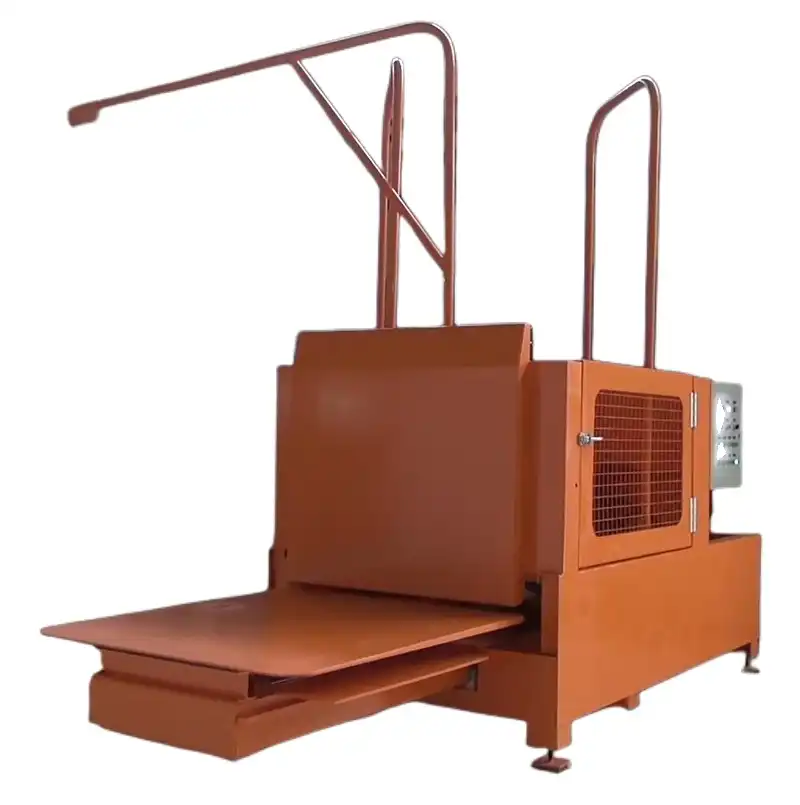
You are looking for practical solutions that offer a clear return on investment. You want equipment that can stand up to the tough demands of your factory. More than that, you need a partner who understands your production bottlenecks, safety worries, and efficiency problems. Let’s dive deeper into how modern pallet flippers address these core issues and help you build a safer, more productive, and compliant operation.
1. How do pallet flippers boost operational efficiency and productivity in factories?
In today’s fast-paced manufacturing world, any slowdown in your production line means lost time and money. I have seen many factories struggle with inefficient, manual packaging processes for steel coils and wire. These manual steps create bottlenecks. They slow down overall production and delivery times.
Pallet flippers dramatically improve operational efficiency by automating the process of turning or transferring goods between different pallets. This eliminates slow, dangerous, and labor-intensive manual handling. They speed up material flow, reduce cycle times, and allow workers to focus on more skilled tasks. This direct boost in throughput helps factories meet production goals and improves overall productivity in heavy-duty environments.

Automating the end-of-line packaging and handling is no longer a luxury. It is a necessity for factories aiming for higher output. This is especially true in sectors like steel processing or heavy manufacturing. When I started FHOPEPACK, my goal was to bring smart solutions to complex packing problems. Pallet flippers are a prime example of this. They remove a significant manual burden. They convert a high-risk, low-efficiency task into a streamlined, automated process.
Streamlining Material Flow with Automation
Pallet flippers are designed to integrate smoothly into existing production lines. They can handle various load types, including heavy steel coils or bundles of wire. The machine takes over the task of reorienting loads. This is often needed for storage, shipping, or moving between different types of pallets.
- Faster Cycle Times: Manual pallet flipping can take several minutes per load, depending on size and weight. A modern pallet flipper can complete this task in seconds. This reduces waiting times at key stages of your process.
- Reduced Labor Costs: By automating this task, you can reallocate workers to other areas where their skills are more valuable. This lowers your direct labor costs for material handling. It also reduces the need for specialized equipment like cranes or forklifts for flipping, which often requires two operators.
- Consistent Performance: Machines operate with uniform speed and precision. This removes the variability and fatigue associated with human operators. It ensures a consistent flow of materials, which is crucial for Just-In-Time (JIT) manufacturing or tight production schedules.
- Elimination of Bottlenecks: Manual flipping often becomes a bottleneck at the end of a production line. This happens especially when dealing with high volumes. Pallet flippers clear this backlog. They allow upstream processes to run at their maximum capacity.
| Feature | Manual Pallet Flipping | Automated Pallet Flipper |
|---|---|---|
| Speed/Throughput | Slow, variable, dependent on operator | Fast, consistent, high throughput |
| Labor Requirement | High (2+ workers often needed, plus forklift/crane) | Low (1 operator for supervision, or fully automated) |
| Risk of Injury | High (strains, crushed limbs) | Very low (operators safely away from moving parts) |
| Product Damage Risk | Moderate to High (due to human error, drops) | Low (controlled, gentle handling) |
| Integration | Disrupts flow, requires specific handling zones | Seamlessly integrates, improves overall flow |
| Cost Efficiency | High ongoing labor cost, insurance | High initial investment, significant long-term savings |
In my factory days, I saw how much time was wasted on tasks like these. Investing in automation is not just about buying a machine. It is about buying back time, optimizing your workforce, and making your entire operation more agile. This directly impacts your bottom line. It frees up resources that can then be reinvested into growth areas. (Operational efficiency solutions, industrial automation benefits, reduced material handling labor)
2. What role do pallet flippers play in enhancing workplace safety and reducing injury risks?
For factory managers like Jose, worker safety is paramount. Manual handling of heavy goods, such as large steel coils or wire bundles, presents serious risks. Workers can suffer strains, crushing injuries, or even fatalities. These incidents lead to higher insurance costs and staff turnover. More importantly, they cause human suffering. I believe no product is worth a worker’s injury.
Pallet flippers are critical safety devices because they eliminate the need for manual handling of heavy and awkward loads during pallet transfer or inversion. By automating these tasks, they remove workers from hazardous situations, significantly reducing the risk of musculoskeletal injuries, crushed limbs, and dropped load accidents. This proactive approach to safety directly supports OSHA compliance and creates a much safer working environment in industrial plants.
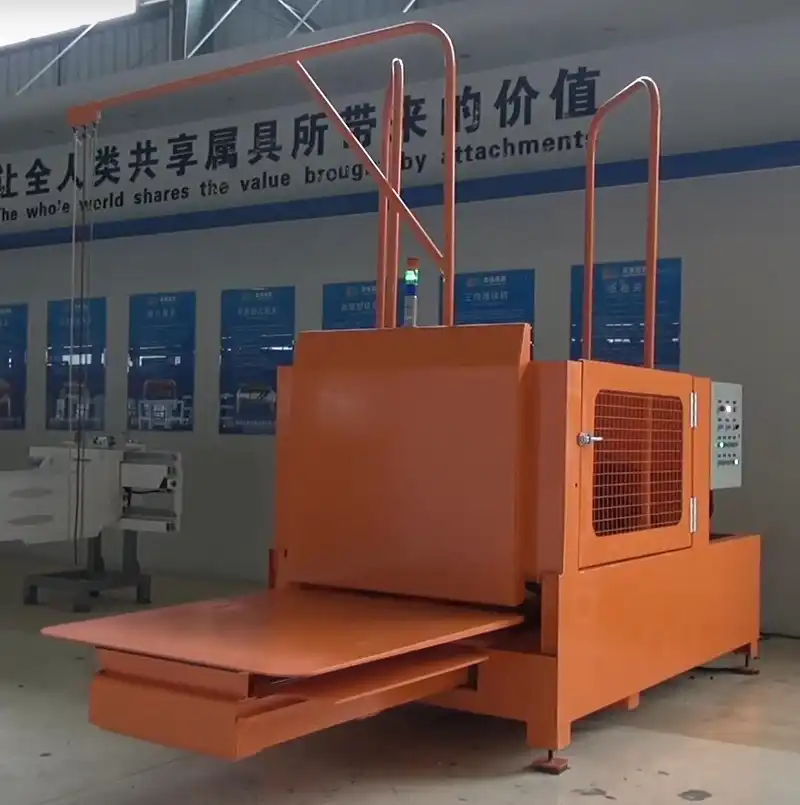
Jose’s concern about high injury risks and rising insurance costs resonates with me. It is a common challenge in heavy manufacturing. The financial cost of an injury can be huge. The human cost is immeasurable. Investing in equipment that reduces these risks is not just good business. It is the right thing to do. My experience in designing and building packing machines always had safety at its core.
Protecting Workers from Hazardous Manual Handling
The core function of a pallet flipper is to safely change the orientation of a load. This can mean turning it 90 or 180 degrees. It can also mean transferring it to a different pallet type. This action, when done manually, is extremely dangerous.
- Elimination of Manual Lifting: Workers no longer need to physically lift, push, or pull heavy items. This prevents back strains, hernias, and other musculoskeletal disorders (MSDs), which are common in manual material handling.
- Reduced Risk of Crushing Injuries: When workers try to manually flip or transfer heavy loads, there is a high risk of crushing injuries if the load shifts or falls. Pallet flippers secure the load mechanically during the entire process, preventing unexpected movements.
- Improved Ergonomics: The machine does the heavy work. Workers can operate the flipper from a safe distance using controls. This keeps them out of the danger zone and promotes better ergonomic practices.
- Compliance with Safety Regulations: Regulatory bodies like OSHA (Occupational Safety and Health Administration) and ISO 45001 (Occupational Health and Safety Management Systems) emphasize minimizing manual handling of heavy loads. Pallet flippers help plants comply with these strict safety requirements. Failure to comply can result in hefty fines and legal issues.
- Creating a Culture of Safety: By investing in safety equipment, factory management shows a commitment to worker well-being. This can boost morale, reduce employee turnover, and attract skilled workers who prioritize safe workplaces.
Safety is not just about avoiding accidents. It is about building a robust system where risks are minimized by design. Pallet flippers are a fundamental component of such a system. They mechanically handle loads that would otherwise expose workers to severe hazards. This is especially vital in sectors where products are heavy and unwieldy, like the steel or logistics industries. Implementing these machines ensures your team goes home safe every day. This creates a more responsible and sustainable operation. (Workplace safety equipment, reduce manual handling risks, industrial accident prevention, ISO 45001 compliance)
3. Can pallet flippers minimize product damage and improve quality control in material handling?
Jose faces the challenge of product damage during internal transfer and packaging. This is a common issue in many factories. Damaged steel coil edges or scraped wire leads to customer complaints and profit loss. In my years of experience, I have learned that prevention is always better than cure. Protecting the product during handling is as important as producing it well.
Pallet flippers are crucial for minimizing product damage and enhancing quality control by providing stable, controlled handling of goods. They prevent impacts, drops, and scrapes that often occur with manual or less controlled methods. By gently and precisely inverting or transferring loads, these machines ensure product integrity from the production line to shipping. This reduces costly reworks, minimizes customer complaints, and protects the factory’s reputation for quality.
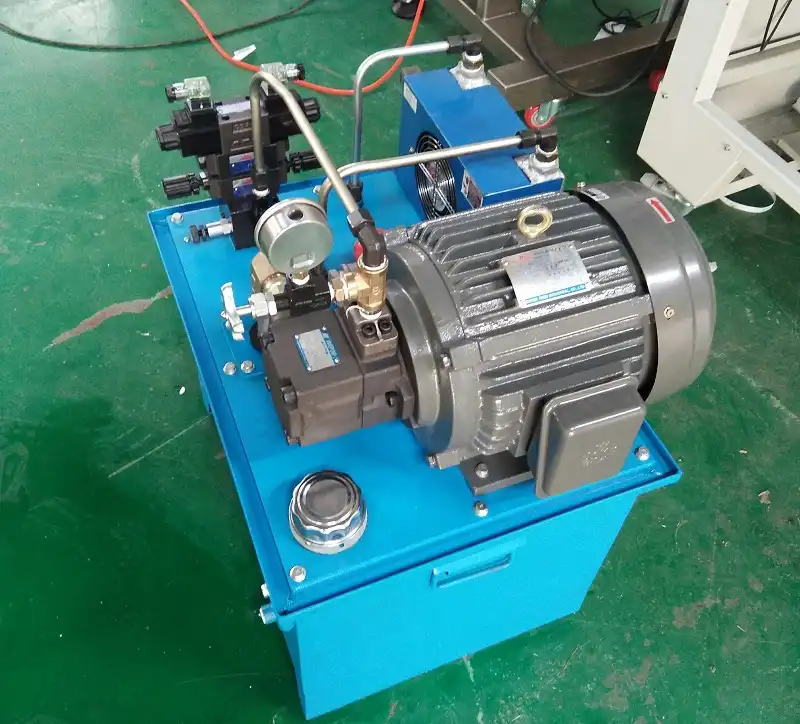
Customer satisfaction is key to business growth. Damaged goods erode trust and profits. Jose’s concern about product loss directly impacts his business relationships and financial health. A reliable solution for material handling can address this directly. When I help my clients grow their businesses, one key area is always quality control. This includes how products are handled post-production.
Ensuring Product Integrity Through Controlled Handling
Many products, especially in heavy industries, are sensitive to rough handling. Even small impacts can cause significant damage. This makes the product unsellable or leads to customer returns.
- Gentle and Controlled Movements: Unlike manual methods where heavy items might be dropped, scraped, or mishandled, pallet flippers provide a smooth, hydraulic or electric-powered operation. They hold the load securely during the entire inversion or transfer process. This prevents sudden shifts or impacts.
- Prevention of Edge and Surface Damage: Products like steel coils are prone to edge damage. This can happen if they are rolled or tilted incorrectly. Wire products can get tangled or scuffed. Pallet flippers are designed to support the entire load evenly. This eliminates pressure points and minimizes contact with rough surfaces.
- Reduced Repackaging and Rework: When products get damaged, they often need repackaging or even rework. This adds unexpected costs and delays. By preventing damage, pallet flippers remove these wasteful steps from the process.
- Consistent Quality for Customers: Delivering products in perfect condition builds customer loyalty. It reduces the number of quality complaints. This is vital for maintaining a strong market position and good relationships with clients. Jose’s clients expect high-quality products. Consistent handling helps meet these expectations.
- Adaptability for Delicate Loads: Many pallet flipper models come with adjustable pressure settings or cushioned contact surfaces. These features are designed to handle even more delicate items safely. This shows their versatility beyond just heavy-duty products.
Consider the cost of even one damaged coil of specialty steel. The loss is not just the material. It includes production time, shipping, and the potential loss of a client. Investing in a pallet flipper is an investment in your product’s journey from your factory to your customer’s door. It guarantees that the quality you put into manufacturing is preserved throughout the handling process. This is a critical step in overall quality control. (Product damage prevention, quality control in manufacturing, material handling best practices, reducing customer complaints)
4. How do pallet flippers help industrial plants achieve ISO compliance and operational excellence?
Jose wants to work with experts like me. He needs solutions that genuinely solve problems and drive business growth. Achieving ISO compliance is a marker of operational excellence. It shows a commitment to quality, safety, and environmental standards. Pallet flippers are more than just machines. They are tools that help integrate these standards into daily operations.
Pallet flippers are key enablers for ISO compliance because they standardize material handling processes. They contribute to ISO 9001 (Quality Management) by ensuring consistent, damage-free product handling, and to ISO 45001 (Occupational Health & Safety) by minimizing manual handling risks. Furthermore, they support continuous improvement by providing reliable, repeatable operations. This helps industrial plants demonstrate robust process control, risk management, and a commitment to operational excellence required for certification and sustained success.
Achieving and maintaining ISO certifications can seem daunting. But it is about structuring your processes to meet high standards. My journey from packing machine employee to factory owner taught me the value of structured, efficient operations. Pallet flippers fit perfectly into this framework. They offer a tangible way to improve specific aspects of your operations that ISO standards require.
Integrating Pallet Flippers with ISO Standards and Operational Excellence
ISO standards are not just about paperwork. They are about how you run your business. They help you identify risks, implement controls, and continuously improve.
-
ISO 9001 (Quality Management System):
- Process Control: Pallet flippers ensure that material handling is a controlled, repeatable process. This removes human error and variability. This aligns with ISO 9001’s focus on consistent quality.
- Customer Satisfaction: By reducing product damage, flippers directly contribute to higher customer satisfaction. This is a core objective of ISO 9001.
- Risk-Based Thinking: Implementing pallet flippers is a clear example of addressing risks related to material handling and product quality.
- Evidence of Conformity: Operational data from pallet flippers (e.g., uptime, cycle times) can serve as objective evidence of process control and effectiveness for ISO audits.
-
ISO 45001 (Occupational Health and Safety Management System):
- Hazard Elimination: As discussed, flippers eliminate the primary hazards of manual heavy lifting. This directly supports the proactive hazard identification and risk control principles of ISO 45001.
- Worker Participation: By providing safer equipment, you involve workers in creating a safer workplace. This is a key element of ISO 45001.
- Legal and Other Requirements: Pallet flippers help meet specific national and international safety regulations, which ISO 45001 requires you to address.
-
ISO 14001 (Environmental Management System – indirect contribution):
- Resource Efficiency: Reducing product damage means less waste. It also means less need for reprocessing. This contributes to more efficient resource use, which aligns with ISO 14001 principles.
- Reduced Energy Consumption (long term): While the machine uses energy, the overall energy expenditure for manual handling (e.g., forklift usage, longer processing times) for the same task can be higher. Optimized material flow can indirectly lead to energy savings.
Implementing pallet flippers is a concrete step towards operational excellence. It shows you are serious about managing quality, safety, and efficiency. It is about building a foundation for sustainable growth. Jose’s search for professional guidance is met by solutions that are proven to work within internationally recognized frameworks. This investment is not just for today. It is for the future of your factory. It solidifies your reputation as a reliable and responsible manufacturer. 📊 Operational Excellence Pillars & Pallet Flipper Contributions
- Quality & Consistency (ISO 9001):
- ✅ Standardized handling processes
- ✅ Minimized product defects
- ✅ Improved customer satisfaction
- Safety & Well-being (ISO 45001):
- ✅ Elimination of manual lifting hazards
- ✅ Reduced worker injury rates
- ✅ Compliance with safety regulations
- Efficiency & Productivity:
- ✅ Faster material flow
- ✅ Lower labor costs
- ✅ Optimized resource allocation
- Environmental Responsibility (ISO 14001):
- ✅ Reduced waste from damaged goods
- ✅ More efficient use of materials
- Continuous Improvement:
- ✅ Reliable and repeatable operations
- ✅ Data for performance analysis
- ✅ Foundation for further automation








