
How orbital wrapping machine helps Qatar exporters protect wooden products?
Are you a wooden product exporter in Qatar constantly battling product damage during transit? Do you see your beautifully crafted furniture or timber arriving at its destination with scuffs, scratches, or even worse, structural issues? This problem is not just annoying; it costs you money, ruins your reputation, and makes your customers unhappy. Many exporters rely on old-fashioned packing methods. They spend hours wrapping items by hand, often using inadequate materials. This slow process puts your team at risk, especially when handling large, heavy pieces. Every dent or crack means a potential return, a lost sale, or a frustrated client. You know this struggle. You feel the pressure to deliver perfect goods, but the current packing process is holding you back. What if there was a better way? A system that could wrap your wooden products quickly, safely, and perfectly every time, ensuring they reach their destination in pristine condition? I have seen this issue many times in different industries. There is a proven solution that helps protect your goods and your bottom line.
An orbital wrapping machine helps Qatar exporters protect wooden products by creating a complete, secure, and moisture-resistant wrap around items of varying lengths and shapes. It uses stretch film that wraps horizontally around the product as it passes through a central ring, ensuring all surfaces are covered and protected from dust, moisture, and impact during shipping. This method significantly reduces transit damage, improves packing efficiency, and lowers labor costs for businesses exporting wooden goods from Qatar.
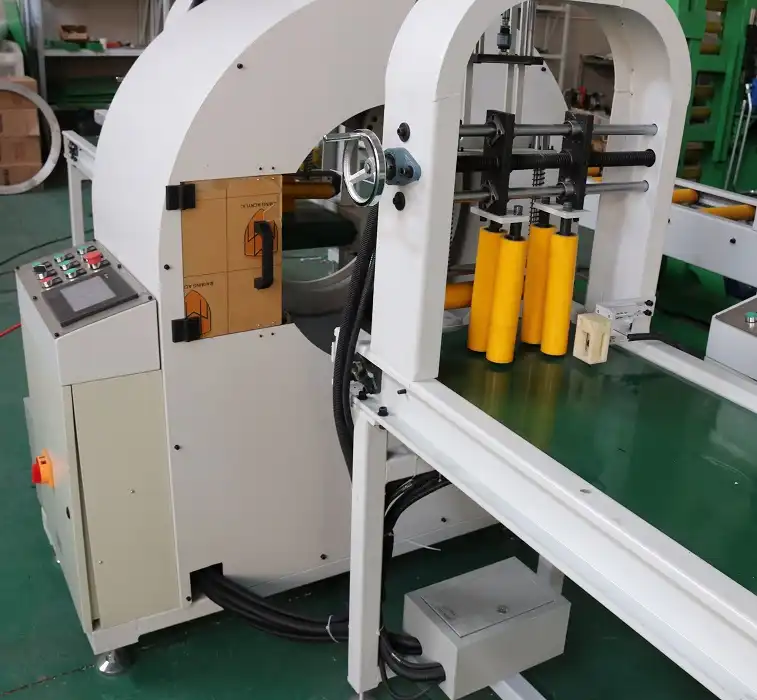
You might think that sounds too good to be true. I understand your skepticism. After years in the packing machine industry, from the factory floor to running my own successful plant, I have seen many promises. But this is different. It is about smart engineering and practical solutions. Let me explain how this technology truly transforms the way Qatar exporters handle their wooden products, addressing the core challenges you face every day.
Why are traditional packing methods failing Qatar’s wooden product exporters?
Are your traditional packing methods causing you headaches as a Qatar wooden product exporter? Think about the time it takes, the manual effort involved, and the constant worry about damage. This is a common problem I have seen for years in many factories. Relying on hand-wrapping or basic crating might seem cheap at first, but it hides many hidden costs. Your workers spend hours manually wrapping large wooden panels or intricate furniture. This is not only slow, but it also creates a high risk of injury, especially when lifting and turning heavy items. Michael Chen, a factory manager I know, often talks about the high injury rates and rising insurance costs from manual handling. Then there’s the damage. Scratched surfaces, broken corners, or moisture penetration lead to customer complaints and lost profits. Your reputation is on the line with every shipment. It is time to face the facts. These old ways are holding your business back. They create bottlenecks, endanger your team, and erode your profits. Understanding these failures is the first step toward finding a more effective solution.
Traditional packing methods fail Qatar’s wooden product exporters mainly due to their reliance on manual labor, which results in slow processing times, high labor costs, and significant risks of worker injury. These methods often lack consistent protection, leading to increased product damage from scuffs, moisture, and impacts during transit. This impacts customer satisfaction and reduces overall profitability for businesses shipping wooden goods.
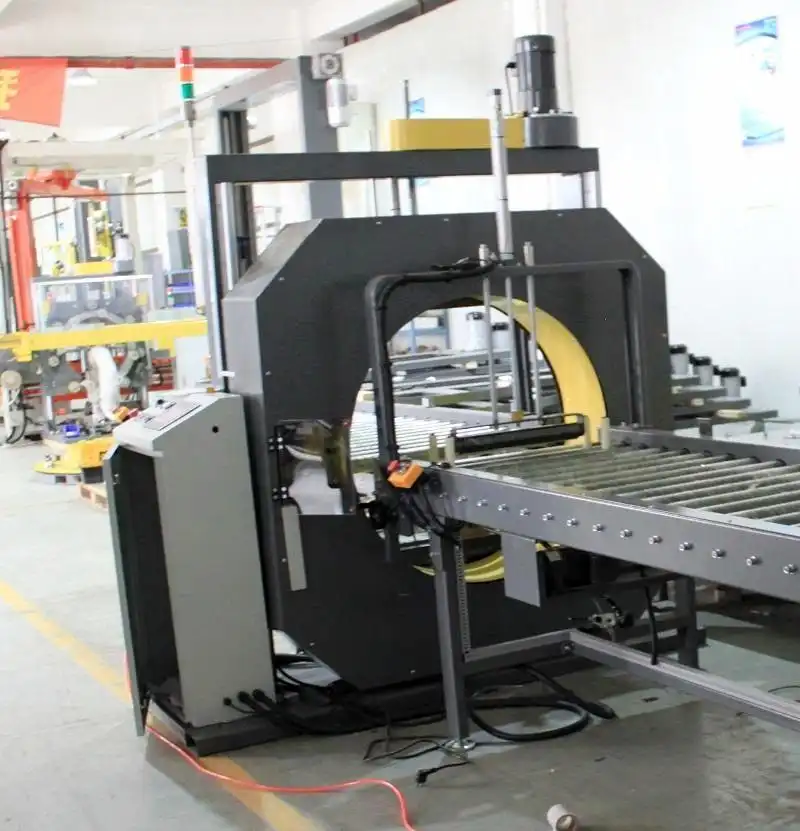
From my experience, watching factories grow from small operations to major players, I have seen the pitfalls of outdated packing. Many factory managers, like Michael, feel the pressure. They see their workers struggling, and they know there must be a better way. The issues are clear. They are not just about small problems; they impact the whole business.
The Real Cost of Manual Packing for Wooden Products
Manual packing seems straightforward. You just need hands and some film, right? But the real costs add up quickly. I remember one factory that thought they were saving money. They had a team of ten people just wrapping wooden beams all day. When I looked at their numbers, the labor cost was huge. Plus, they had two or three serious worker injuries each year from lifting heavy items. This pushed up their insurance and slowed down work. Michael Chen often shared similar stories about his metal processing plant, where heavy coils needed manual handling. The principles are the same, whether it is metal or wood. Heavy, awkward items are a recipe for problems when handled by hand.
- High Labor Costs: Each person involved means a salary, benefits, and training. For repetitive, strenuous tasks, these costs quickly become unsustainable. This is especially true in regions where labor costs are rising, making efficiency even more crucial.
- Slow Production Speed: Humans can only work so fast. A large wooden product might need multiple people and a lot of time to wrap properly. This creates a bottleneck at the end of the production line. If your packing cannot keep up with your manufacturing, your whole operation slows down. This directly impacts your ability to meet tight export deadlines.
- Increased Safety Risks: Handling heavy, long, or irregularly shaped wooden items manually is dangerous. Workers can suffer back injuries, strains, or crush injuries. This leads to missed workdays, higher insurance premiums, and a high employee turnover rate. Safety should always be a top priority, and automated solutions greatly reduce these risks. I always tell my clients, a safe factory is an efficient factory. It is not just about avoiding fines; it is about building a strong, loyal team.
Inconsistent Product Protection and Damage
Another big issue is how well the product is protected. When people hand-wrap, the tension of the film can be inconsistent. Some areas might be too loose, others too tight. This often leads to poor protection.
- Scratches and Scuffs: Wooden surfaces are prone to cosmetic damage. A loose wrap means items can shift inside the package or rub against external surfaces, causing visible damage. This might seem minor, but for high-value furniture or specialized timber, even small marks can lead to customer rejection.
- Moisture Damage: Wood is very sensitive to moisture. A hand-wrap might leave gaps or unsealed areas. In humid environments or during long sea voyages, moisture can seep in. This leads to warping, swelling, or mold growth, making the product unusable. Qatar, with its climate and long shipping routes, needs robust moisture protection.
- Impact Vulnerability: During loading, unloading, or transport, products can get bumped. If the wrap is not tight and uniform, it offers little protection. Corners of wooden panels or edges of furniture are especially vulnerable to impact damage, leading to chips or cracks. I have seen clients lose entire shipments because of poor corner protection. This is a painful lesson to learn, and it can be avoided with the right packing solution.
These problems are not just theoretical. They are real issues that hit the bottom line. It’s why I started FHOPEPACK, to share knowledge and help businesses avoid these costly mistakes.
What makes orbital wrapping the ideal solution for fragile wooden goods?
Are you struggling to find a packing method that truly protects your delicate wooden goods during their long journey from Qatar? The unique shapes and vulnerability of wooden products demand something more than basic wrapping. Many exporters are still searching for a reliable way to ensure their items arrive in perfect condition. Wooden goods, whether they are intricately carved furniture, polished timber, or custom-sized panels, are not like other products. They can easily scratch, dent, or absorb moisture if not packed correctly. Using standard methods often leaves them exposed, leading to costly damage and unhappy customers. You worry about every bump and jolt your shipment faces on its way to its destination. This constant stress is unnecessary. There is a packing technology specifically designed to handle these challenges. It provides a superior level of protection for almost any wooden product. This solution addresses the specific needs of fragile and uniquely shaped items.
Orbital wrapping is ideal for fragile wooden goods because it creates a 360-degree, tightly tensioned, and uniform stretch film cocoon around the product, regardless of its length or irregular shape. The horizontal wrapping motion ensures comprehensive coverage, protecting against scratches, dust, moisture, and impact from all angles. This consistent and robust barrier keeps wooden products stable and secure, greatly reducing the risk of damage during handling and long-distance shipping from Qatar.
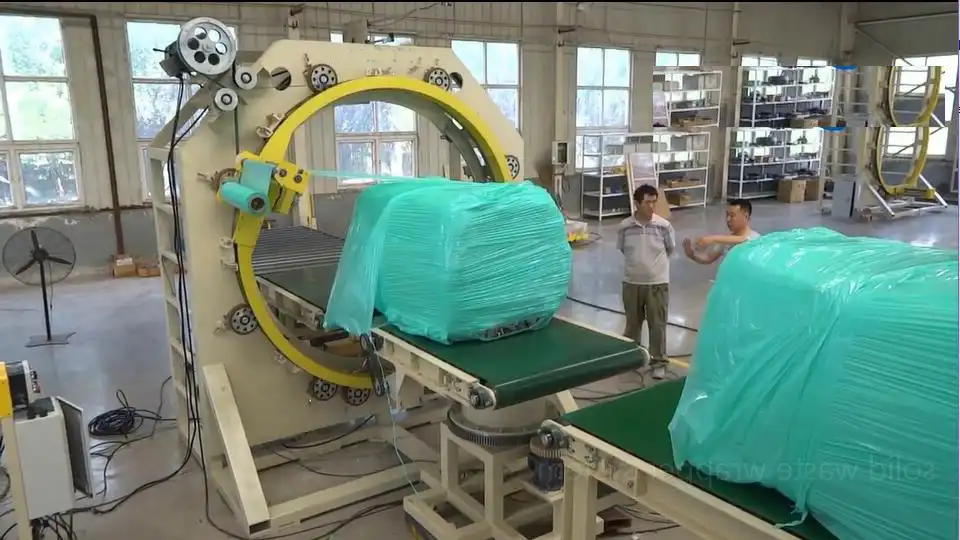
When I first saw an orbital wrapper in action, I was impressed. It solved so many problems that factories, especially those dealing with long or bulky items, were facing. For wooden products, its benefits are even more critical. It is about understanding the physics of protection.
How Orbital Wrapping Achieves Superior Protection
The core idea behind an orbital wrapper is smart. Instead of the product spinning or the film being applied vertically, the film reel orbits horizontally around a stationary or slowly moving product. This simple change makes a huge difference. Imagine a long wooden beam. A conventional pallet wrapper struggles with length. An orbital wrapper handles it with ease. This design directly counters the weaknesses of traditional packing methods.
- 360-Degree Total Coverage: The film wraps completely around all sides of the product as it passes through the wrapping ring. This means no exposed edges, no gaps where dust or moisture can enter. Every inch of your wooden product is covered. This continuous seal is vital for protecting against environmental factors, especially in varied climates during transit.
- Consistent Film Tension: Orbital wrappers apply stretch film with controlled and adjustable tension. This ensures the wrap is tight and uniform across the entire surface. Consistent tension means the film acts like a protective skin, holding pieces together and absorbing shocks. This prevents shifting, rubbing, and surface damage that often occurs with loosely wrapped items. I often tell my clients, consistency is key to true protection.
- Adaptability for Various Shapes and Sizes: Whether you are exporting long timber planks, flat packed furniture components, or even irregularly shaped wooden crafts, an orbital wrapper can adjust. The open ring design allows for products of almost any length and a wide range of widths and heights. This versatility means one machine can handle multiple product lines, saving space and investment compared to needing different packing solutions. This flexibility is a huge advantage for diversified exporters in Qatar.
Preventing Specific Wooden Product Damage
Beyond general protection, orbital wrapping directly addresses the common damage types seen in wooden product shipping. This is where its value truly shines.
- Scratch and Scuff Prevention: The tight, multi-layered film creates a smooth, protective outer layer. This barrier prevents external objects from directly contacting the wooden surface. It significantly reduces the risk of scratches and scuffs that can devalue high-quality wooden items. This is crucial for maintaining the aesthetic appeal of furniture or finished wood products.
- Moisture and Dust Barrier: The overlapping layers of stretch film form a strong seal, making it extremely difficult for moisture or dust to penetrate. For wooden products, this is a game-changer. It prevents warping, mold, and discoloration caused by humidity, ensuring products arrive in the same condition they left the factory. In a place like Qatar, where humidity can be a factor, this protection is critical for goods traveling long distances.
- Impact and Abrasion Resistance: The tightly bound film adds structural integrity and cushioning. It helps to hold components firmly together, reducing internal movement. In case of minor impacts during handling or transport, the film absorbs some of the shock, preventing direct damage to the wood itself. This also minimizes abrasion, where parts rub against each other, which is common in loosely packed shipments.
When I started my own packing machine factory, I saw how much product damage cost my clients. This experience shaped my belief in robust packing solutions. Orbital wrapping offers that robust solution, giving Qatar exporters peace of mind and protecting their valuable wooden products.
How does an orbital wrapper boost safety and cut costs for Qatar’s factories?
Are you, like many factory managers in Qatar, constantly struggling with workplace safety issues and rising operational costs? Manual handling of heavy wooden products is a major culprit, leading to worker injuries and inefficient processes. This dual challenge can severely impact your factory’s bottom line and employee morale. I have heard countless stories from factory owners and managers, much like Michael Chen, who are deeply concerned about their workers’ safety. They tell me about the strain of lifting bulky wooden items, the back injuries, and the compensation claims. Meanwhile, the manual packing process itself is a drain on resources—too many people, too much time, and often, too much waste. You are under pressure to deliver more for less, but these issues are holding you back. What if a single machine could significantly reduce these safety risks and, at the same time, drastically cut your operational expenses? An orbital wrapper does exactly that, offering a clear path to a safer, more profitable operation for Qatar’s wooden product manufacturers and exporters.
An orbital wrapper significantly boosts safety in Qatar’s factories by automating the heavy and repetitive task of wrapping, thus minimizing manual handling of large wooden products and greatly reducing the risk of worker injuries like strains and back problems. It cuts costs by reducing labor needs, increasing packing speed, and decreasing material waste. This leads to fewer worker compensation claims, higher productivity, and less product damage, ultimately improving the factory’s overall financial health.
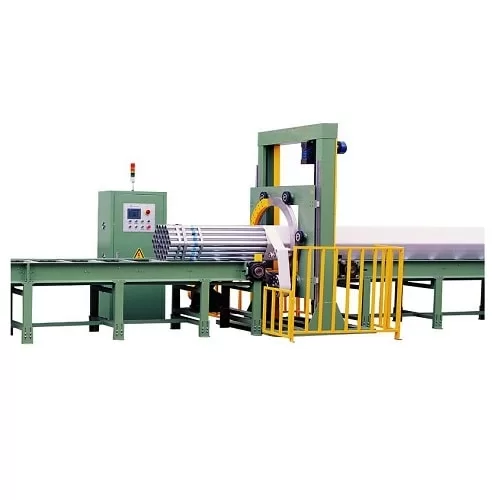
Safety and cost are two sides of the same coin in a factory. I learned this early in my career. A safe workplace is usually a more efficient one. And efficiency almost always leads to cost savings. Michael Chen, with his extensive experience in heavy manufacturing, deeply understands this connection. For him, investing in durable equipment that improves both safety and efficiency is not just a choice, it is a necessity for his factory’s survival and growth.
Enhancing Workplace Safety with Automation
The most direct safety benefit of an orbital wrapper is the reduction of manual labor for dangerous tasks. This is a game-changer.
- Minimizing Manual Handling of Heavy Loads: Wooden products, especially long planks, large panels, or assembled furniture, can be very heavy and awkward to move. Manual lifting and turning put workers at high risk of musculoskeletal injuries. An orbital wrapper allows products to be moved through the machine on conveyors or by forklifts, removing the need for workers to physically handle the items during the wrapping process. This dramatically lowers the incidence of back strains, pulled muscles, and other common workplace injuries. I have seen how much a single injury can disrupt a team and lead to long-term costs.
- Reduced Risk of Repetitive Strain Injuries (RSIs): Even lighter manual wrapping tasks involve repetitive motions. Over time, these can lead to RSIs in wrists, arms, and shoulders. Automation eliminates these repetitive manual tasks, protecting workers from chronic injuries. This means a healthier workforce, fewer sick days, and a more engaged team.
- Creating a Safer Work Environment: By containing the wrapping process within a machine, the overall work area becomes safer. There are fewer people moving around heavy objects, reducing the risk of accidents from collisions or dropped items. Implementing safety features like emergency stops, light curtains, and protective guarding around the orbital wrapper further enhances the safety culture of the factory. It allows your skilled workers to focus on tasks that require human judgment, not heavy lifting.
Significant Cost Reductions Through Efficiency
Beyond safety, the financial benefits of an orbital wrapper are substantial. These savings directly impact your factory’s profitability, which is a key goal for any manager. Michael Chen always looks for solutions with a clear ROI.
- Lower Labor Costs: This is often the most immediate and impactful saving. An orbital wrapper can do the work of several manual laborers. While you might still need one operator to manage the machine, the reduction in headcount for packing tasks is significant. Over time, these savings in wages, benefits, and training add up to a substantial amount.
- Increased Packing Speed and Throughput: Machines work faster and more consistently than humans. An orbital wrapper can wrap products at a much higher speed, often completing a task in minutes that would take manual laborers much longer. This increased speed eliminates packing bottlenecks, allowing your factory to process and ship more wooden products in less time, directly boosting overall production capacity.
- Optimized Film Usage and Reduced Waste: Orbital wrappers are designed to use stretch film efficiently. They apply film with precise tension and overlap, minimizing waste from overtightening or loose wrapping. Many machines also have pre-stretch capabilities, which can make a single roll of film go much further. This reduction in material consumption contributes to lower operational costs and a more sustainable practice.
- Reduced Product Damage and Returns: As I discussed earlier, superior protection means fewer damaged goods. Every returned product or customer complaint due to damage costs money – in reshipping, replacement, and lost reputation. By drastically reducing damage rates, an orbital wrappers directly contribute to higher customer satisfaction and improved profitability. Michael, in his metal factory, faces high costs from product damage; for wooden products, the issue is just as severe.
| Aspect | Manual Packing | Orbital Wrapping Machine | Impact on Business |
|---|---|---|---|
| Safety | High risk of injuries (back, strains, RSIs) | Minimal manual handling, greatly reduced injury risk | Safer workplace, lower insurance, happier employees 👷♂️ |
| Labor Cost | High due to multiple workers, benefits, training | Significantly lower; 1 operator can manage | Substantial operational savings 💰 |
| Packing Speed | Slow and inconsistent | Fast and consistent | Increased throughput, faster delivery 🚀 |
| Product Damage | High risk of scratches, moisture, impact damage | Low risk due to 360-degree, tight wrap | Fewer returns, higher customer satisfaction 👍 |
| Material Usage | Inefficient, higher waste | Optimized, reduced film waste, pre-stretch benefits | Cost savings on consumables, more sustainable ♻️ |
Investing in an orbital wrapper is not just buying a machine. It is an investment in your factory’s future, ensuring the safety of your team and the profitability of your exports.
What should Qatar exporters look for in an orbital wrapping machine partner?
Are you a Qatar exporter feeling hesitant about investing in new packing equipment after past negative experiences with suppliers? Many businesses have faced the frustration of dealing with companies that prioritize sales over genuine support, leaving you with unreliable machines and unmet promises. This lack of trust is a significant barrier to improving your operations. I have heard countless stories. Companies buy a machine, only to find the after-sales service is non-existent. Spare parts are hard to get, technical support is slow, and the machine breaks down, causing massive production delays. This kind of experience makes factory managers, like Michael Chen, incredibly cautious. He emphasizes needing a partner who truly understands his problems, not just a seller. You need more than just a piece of equipment; you need a reliable, knowledgeable partner who will stand by you. Choosing the right orbital wrapping machine is only half the battle. Finding a trustworthy partner who offers deep industry insight, robust support, and a commitment to your success is equally important. This partnership ensures your investment pays off in the long run.
Qatar exporters should look for an orbital wrapping machine partner who offers deep industry expertise, proven reliability in machine design and manufacturing, and comprehensive after-sales support including installation, training, and readily available spare parts. A trustworthy partner understands specific operational challenges in exporting wooden products, provides tailored solutions, and demonstrates a long-term commitment to client success, ensuring the investment in packing automation yields maximum ROI and avoids costly downtime.

My journey in the packing machine industry taught me a lot. From an employee to building my own factory, I learned that a machine is only as good as the company behind it. This is why I created FHOPEPACK. It is not just about selling equipment; it is about sharing knowledge and building relationships based on trust. Michael Chen’s concerns about “supplier trust crisis” are absolutely valid. It is something I often hear, and it is a problem that good partners can solve.
Beyond the Machine: The Value of a True Partner
When you are looking to automate your packing, especially for important export operations, you are not just buying steel and wires. You are buying a solution, and that solution needs solid support.
- Deep Industry Knowledge and Experience: A good partner brings more than just product specifications. They bring years of experience understanding the nuances of packing different materials, including wooden products. They should know about common challenges in export, such as climate variations, transit conditions, and specific market requirements. When I started FHOPEPACK, my goal was to share the practical insights I gained from building and running my own factory. This kind of hands-on knowledge is invaluable. They should be able to look at your specific wooden products and factory setup and recommend the best orbital wrapper model and configuration.
- Proven Machine Reliability and Quality: This goes without saying, but it is often overlooked in the rush for a low price. A partner should offer machines built with high-quality components, robust engineering, and a track record of consistent performance. Ask for testimonials, case studies, or even visit their facilities if possible. Durability means less downtime and fewer unexpected costs. I always focused on building robust machines in my factory, knowing that a broken machine means lost money for my clients. Michael Chen specifically seeks “durable equipment” that can withstand “high-intensity, harsh work environments.” This is a key requirement.
- Comprehensive After-Sales Support: This is where many suppliers fail. A reliable partner offers a complete support package:
- Professional Installation and Commissioning: Ensuring the machine is set up correctly from day one.
- Thorough Operator Training: Your team needs to know how to operate and perform basic maintenance on the machine safely and efficiently.
- Readily Available Spare Parts: Downtime is costly. Quick access to spare parts is crucial for minimal disruption. A good partner will stock common parts and have efficient logistics.
- Responsive Technical Support: When issues arise, you need quick and effective help. This might be remote troubleshooting or on-site visits.








