
How Orbital Stretch Wrappers Help Vietnam Factories Reduce Film Waste Effectively?
Running a factory in Vietnam brings unique pressures. Are you constantly fighting against slow packing lines, worried about worker safety, and seeing valuable products damaged before they even leave your facility? I know these feelings well. Many factory managers I talk to are frustrated with traditional packing methods that chew through film and time, eating into profits. This problem is not just about cost; it impacts your whole operation.
Orbital stretch wrappers help Vietnam factories reduce film waste by precisely applying film around products, often coils or elongated items, using a controlled wrapping process that minimizes overlaps and stretch inconsistencies common with manual wrapping or traditional turntable methods, leading to significant material savings.

If you are looking for solutions that boost efficiency, cut costs, and improve safety, then understanding how modern packing technology can make a real difference is key. Let’s explore how these machines can transform your operations.
Why Do Traditional Packing Methods Lead to So Much Film Waste in Vietnam?
Are you tired of watching your packing film budget disappear too quickly? Do you often see rolls of film used inefficiently, with too much overlap or uneven tension, simply to make sure a product is secure? This waste is a real problem for many factories, especially in a competitive market like Vietnam.
Traditional packing methods, particularly manual hand wrapping or outdated semi-automatic machines, cause film waste in Vietnam due to inconsistent film tension, excessive overlapping to compensate for poor security, lack of precise control over film application, and operator fatigue leading to inefficient use of material.
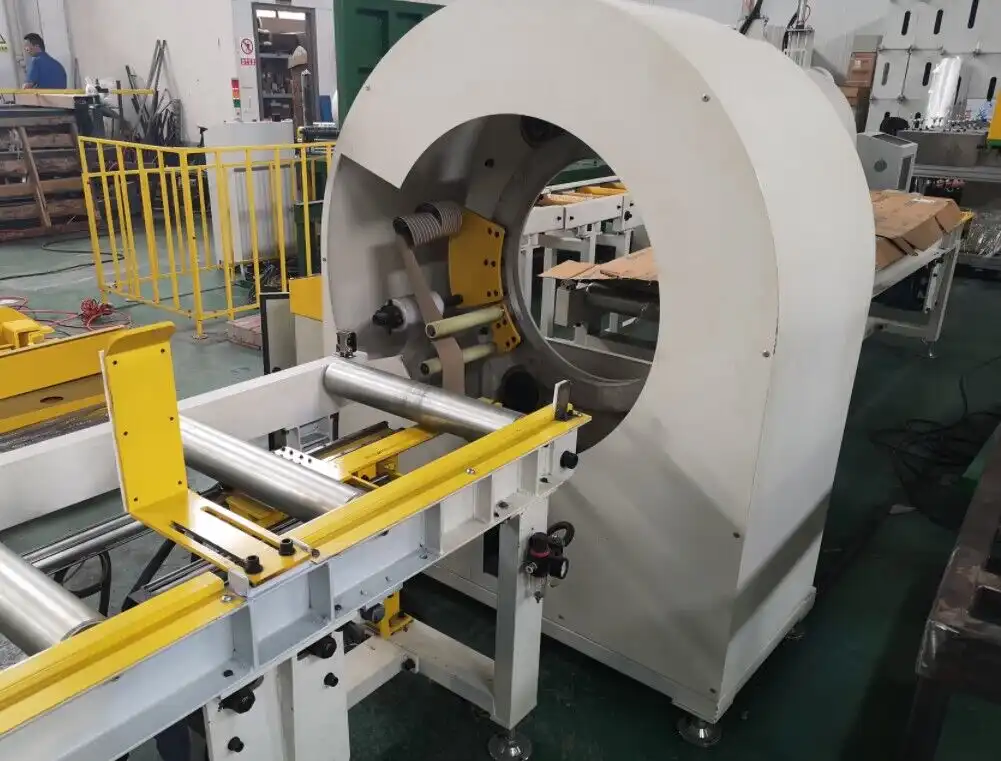
When I first started in the packing machine industry, I saw firsthand how much material could be wasted. My journey from a factory employee to owning my own successful packing machine factory taught me that every bit of efficiency counts. In the early days, before automation was common, we relied on people to wrap coils and bundles. It was hard work, slow, and often resulted in uneven wraps. Sometimes, workers would over-wrap just to be safe, using more film than needed. Other times, the wrap was too loose, and products would shift, causing damage. This was particularly true for heavy items like steel coils or long wire bundles. These traditional methods also often require more people. More people means higher labor costs and a greater risk of workplace injuries, especially when handling heavy or awkward items. This constant struggle between security and efficiency, often leading to wasted film, is a challenge I have seen countless factories in Vietnam face. It is a bottleneck that can hold back your entire production line.
How Manual and Outdated Systems Contribute to Waste and Inefficiency
The way factories pack their products directly impacts cost and overall efficiency. Many factories in Vietnam still use old methods that cause problems. Understanding these issues is the first step to finding better solutions.
1. Inconsistent Film Application
Manual wrapping depends entirely on the person doing the work. One worker might pull the film too tight, another too loose. This leads to uneven wraps. If the film is too loose, the product is not secure. This means workers often add more layers than needed, just to be safe. This extra film is wasted. Older semi-automatic machines also have limits. They might not stretch the film well or apply it evenly. This means you use more film to get the same protection as a modern machine. Think about wrapping a large steel coil by hand. It is very hard to keep the film tension the same around the entire coil. This results in parts of the coil being over-wrapped and other parts being under-wrapped.
2. Excessive Overlapping and Tension Issues
When workers wrap by hand, they tend to overlap the film too much. They do this to make sure there are no gaps or loose spots. This excessive overlap is pure waste. A machine designed to wrap precisely can measure and control the overlap. It uses only what is needed. Also, film quality is important. If film is not stretched correctly, it does not do its job well. High-quality stretch film is designed to be stretched a lot. This makes it strong and sticky. Manual wrapping often does not stretch the film enough. This means you use more film, and it does not perform as well. This reduces the film’s actual strength and protection.
3. High Labor Costs and Safety Risks
Manual packing needs many workers. Each worker means a salary, benefits, and training. Also, wrapping heavy or oddly shaped items, like steel coils or long pipes, is dangerous. Workers can strain their backs, drop items, or get tangled in the film. These risks lead to injuries, which means higher insurance costs and lost work time. In my own factory journey, I saw how much time and money we saved when we moved away from heavy manual tasks. It was not just about saving film; it was about protecting our people. An automated system can do the work of several people safely and much faster. This reduces your labor costs and makes your workplace safer for everyone.
| Packing Method | Film Efficiency | Labor Requirement | Safety Risk | Product Damage Risk |
|---|---|---|---|---|
| Manual Wrapping | Low (High Waste) | High | High | High |
| Old Semi-Auto | Medium (Moderate Waste) | Medium | Medium | Medium |
| Orbital Stretch Wrapper | High (Low Waste) | Low | Low | Low |
These factors combine to create a significant drain on resources for factories in Vietnam. Investing in better technology directly addresses these problems.
What Makes Orbital Stretch Wrappers a Smart Choice for Reducing Film Waste?
Do you constantly look for ways to trim operational costs without cutting corners on product protection? Are you wondering if there is a better way to pack that not only saves money on materials but also improves your overall production flow? For many factory managers, finding that sweet spot between cost and efficiency is a top priority.
Orbital stretch wrappers are a smart choice for reducing film waste because they offer precise, automated film application, consistent tension control, and optimized stretch ratios, ensuring that each product is securely wrapped with the minimum necessary amount of film, significantly outperforming manual or older wrapping methods in material efficiency.
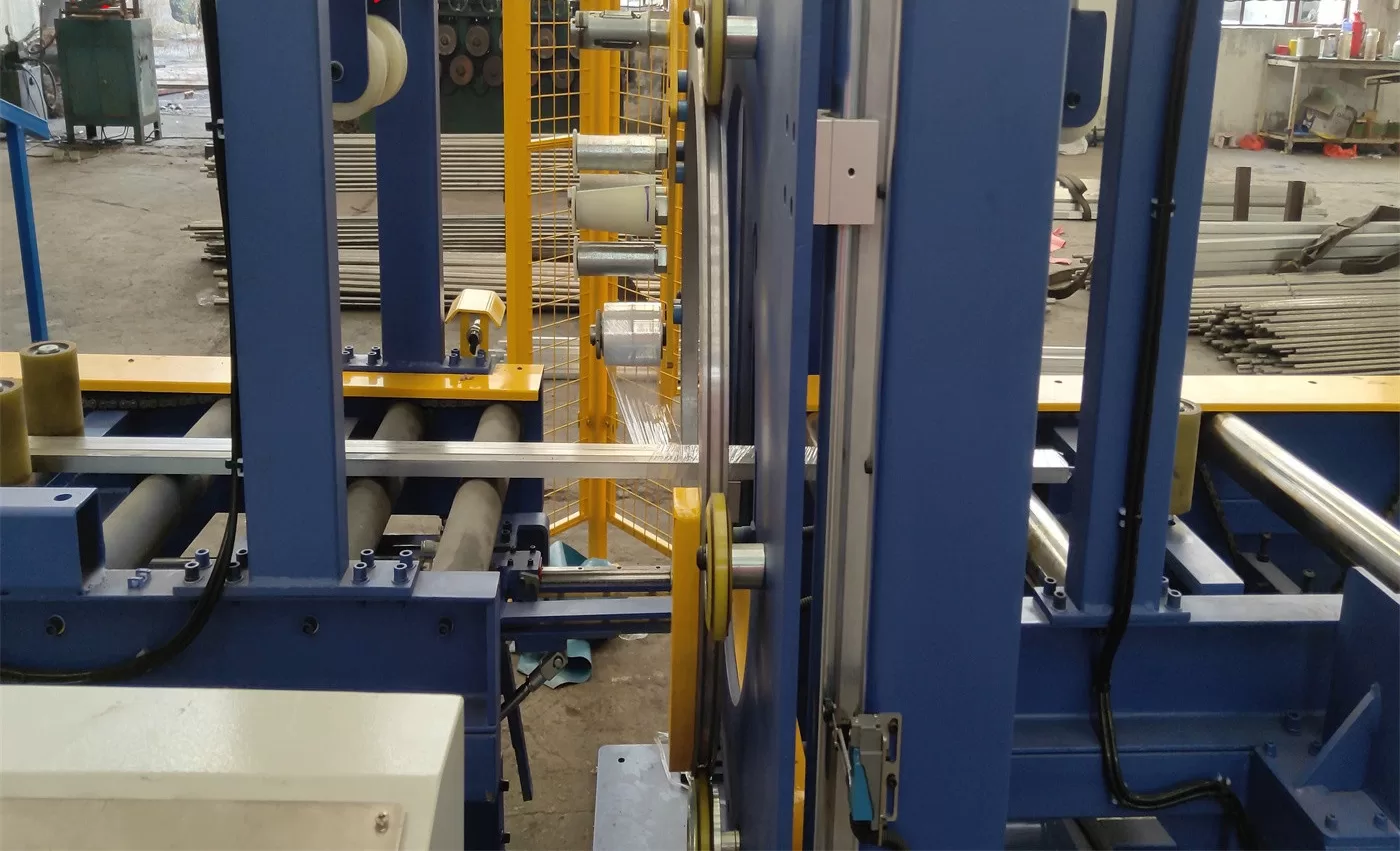
When I was building my packing machine factory, one of our main goals was to create machines that solved real-world problems for businesses. We focused on machines that did not just wrap, but wrapped better. For me, it was always about value. I knew that factories needed equipment that paid for itself quickly. Orbital stretch wrappers, especially those designed for heavy industrial use, fit this need perfectly. They are built to handle the tough demands of coil packing and steel wire packing, which are areas I know very well. The precision these machines offer is a game-changer. They apply film exactly where it is needed, with the right tension, every single time. This consistency means you stop guessing how much film to use and start measuring it accurately. This small change makes a huge difference in how much film you buy and how much waste you produce. It is not just about a machine; it is about a smarter way of packing that directly impacts your bottom line.
Key Features of Orbital Stretch Wrappers That Boost Efficiency
Orbital stretch wrappers are special machines. They wrap film around products like coils or long bundles. They do this in a very smart way. This helps factories save money and work better.
1. Advanced Film Pre-Stretch Technology
One big reason orbital wrappers save film is their pre-stretch system. This system takes a meter of film and stretches it to two, three, or even four meters. This makes the film much longer and thinner but also stronger. Think of a rubber band. When you stretch it, it gets longer and more elastic. The machine does this for you automatically. You get more wrapping power from less film. Old machines or hand wrapping cannot do this as well. This means you buy fewer rolls of film over time. It is like getting more for your money with every roll. This technology is crucial for reducing waste.
2. Consistent Tension Control
Orbital wrappers have systems that keep the film tension exactly the same during the whole wrap cycle. This is very important. If the tension is too loose, the film does not hold the product tight. If it is too tight, the film might break or damage the product. Constant tension means the film is applied evenly and securely. It removes the need for extra layers just to be safe. This reduces film use. It also makes sure your product is truly protected. This helps prevent damage during shipping. This consistent application is something manual wrapping simply cannot achieve. Humans get tired, but machines do not.
3. Automated and Programmed Wrapping Cycles
These machines are smart. You can program them to wrap in a specific way for different products. For example, a heavy steel coil might need more layers than a light plastic pipe. You can set the number of layers, the overlap percentage, and where to apply extra reinforcement. Once set, the machine follows these rules every time. This removes human error and makes sure every product is wrapped the same. This automated control leads to much less film waste. It also makes packing faster and more reliable. This means your factory can process more products in less time, with consistent quality.
4. Reduced Labor and Enhanced Safety
By automating the packing process, orbital stretch wrappers reduce the need for workers to manually handle heavy items. This directly cuts down on labor costs. It also makes the workplace much safer. Workers are no longer lifting, bending, or struggling with large, awkward products. Instead, they operate the machine. This greatly lowers the risk of injuries. Safety is a huge concern for factory managers, and rightly so. An injury costs money in medical bills, lost work time, and potential legal issues. My experience taught me that a safer workplace is a more productive and profitable workplace.
| Feature | Benefit to Film Reduction | Benefit to Efficiency/Cost |
|---|---|---|
| Pre-Stretch System | Maximizes film yield per roll | Lower material costs |
| Consistent Tension | Optimal film usage, no over-wrap | Reduced product damage, uniform packing |
| Automated Programs | Precise film application for each product | Faster cycle times, less labor |
| Reduced Manual Labor | Less human error in film use | Lower labor costs, improved safety |
These advantages show that orbital stretch wrappers are not just an expense; they are an investment. They pay for themselves through material savings, increased efficiency, and a safer work environment.
Can Orbital Wrappers Truly Improve Safety and Product Quality in Busy Factories?
Are you a factory manager constantly juggling the demands of high production targets with the absolute need to keep your workers safe? Do you face customer complaints about damaged goods, especially those heavy or delicate items that are tough to pack properly? These are common worries in any busy factory, particularly in Vietnam where rapid industrial growth means high production volumes.
Orbital stretch wrappers truly improve safety by automating the handling and wrapping of heavy or awkwardly shaped products, drastically reducing manual labor and the associated risks of injury, while simultaneously enhancing product quality by providing consistent, secure, and protective wrapping that minimizes damage during transport and storage.
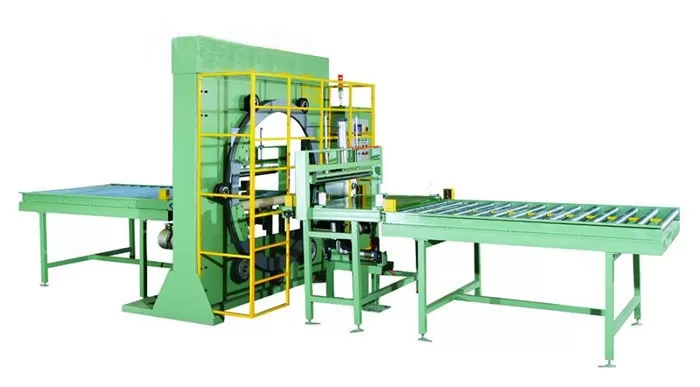
In my experience, a good packing solution is never just about wrapping. It is about solving bigger problems. When I started FHOPEPACK, I knew we needed to focus on practical solutions that made a real difference on the factory floor. I remember a client in the steel industry who struggled with both safety and product damage. Their large steel coils were constantly being scratched or dented during internal transport and manual packing. Workers faced serious risks moving and securing these heavy items. After they installed an orbital stretch wrapper, the change was dramatic. Not only did their film waste drop, but workplace accidents related to packing almost disappeared. Their customers also reported far fewer instances of damaged goods. This was a clear example of how the right machine can transform an operation. It is not just about the machine; it is about the entire system becoming better, safer, and more reliable.
How Orbital Wrappers Address Safety and Quality Concerns
Safety and product quality are two big pillars for any successful factory. Orbital stretch wrappers offer clear benefits in both these areas. Let us look at how.
1. Eliminating Manual Handling of Heavy Loads
The biggest safety gain comes from removing people from dangerous tasks. In factories, especially those dealing with metal, logistics, or heavy manufacturing, workers often have to lift, move, and secure very heavy items. Think of large steel coils, bundles of pipes, or stacks of lumber. Doing this manually is risky. It leads to back injuries, crushed fingers, and other serious accidents. An orbital stretch wrapper, especially a fully automatic model, takes over this heavy work. Products are loaded onto a conveyor or platform, passed through the wrapping ring, and then offloaded. Workers stay at a safe distance, operating controls. This drastically cuts down on workplace injuries. My own factory used to have many workers involved in heavy lifting. When we automated, not only did efficiency jump, but our accident rate dropped to almost zero for these tasks. This also reduces insurance costs and worker turnover.
2. Consistent Product Protection and Damage Reduction
Product quality is not just about what you make; it is also about how it arrives at the customer. If a product gets damaged during packing or transport, it leads to customer complaints and lost profits. Orbital wrappers provide a very consistent wrap. The film is applied with even tension and layers, creating a strong, protective barrier. This secure wrap holds products together tightly, preventing movement and abrasion that could cause damage. For items like steel coils, protecting the edges from scratches or dents is crucial. A good wrap does this. It ensures your product reaches the customer in the same condition it left your factory. This builds trust with your clients and protects your brand reputation.
3. Enhancing Workplace Ergonomics and Employee Morale
When you remove dangerous and physically demanding tasks, the overall work environment improves. Workers feel safer and are less stressed. This leads to better ergonomics. Ergonomics is about designing a workplace that fits the worker, reducing strain. With orbital wrappers, workers perform lighter tasks, like loading film or monitoring the machine. This shift improves their morale. Happy and safe workers are more productive. They are also more likely to stay with your company. This reduces the costs associated with training new staff. From my perspective, investing in worker safety is not just an expense; it is an investment in your people and your company’s future.
4. Compliance with Safety Standards and Regulations
Many countries, including Vietnam, have strict safety regulations for factories. Businesses must follow these rules to avoid fines and legal issues. Automating heavy-duty packing tasks with machines like orbital wrappers helps factories meet these standards. It shows a commitment to worker safety. This can also make audits easier and improve your company’s public image. Being known as a safe and responsible employer is a big advantage in attracting and keeping good talent.
| Aspect | Traditional/Manual Packing | Orbital Stretch Wrapper Solutions |
|---|---|---|
| Safety | High risk of back injuries, cuts, crushing | Automated handling, reduced manual contact, safer workplace |
| Ergonomics | Poor, repetitive strain, physical exertion | Improved, workers monitor machines, less physical strain |
| Product Protection | Inconsistent, prone to damage, shifting | Consistent, secure wrap, minimized damage, stable during transit |
| Customer Satisfaction | Risk of complaints due to damaged goods | Higher satisfaction, products arrive intact |
| Regulations | Harder to comply, potential for violations | Easier compliance, proactive safety measures |
By focusing on these points, factories in Vietnam can see a clear path to not only reduce film waste but also create a safer, more productive, and higher-quality operation.
My Insights: Why Choosing the Right Partner is as Important as the Machine Itself?
Have you ever invested in a piece of equipment only to find that the supplier disappeared after the sale, leaving you with problems and no support? This is a common story I hear from factory managers, especially in places like Vietnam, where rapid growth means many new suppliers emerge. The frustration of dealing with a company that only cares about the sale, not your long-term success, can be incredibly damaging to your operations.
From my personal experience building FHOPEPACK, choosing the right partner for packing machinery is critical because expert guidance ensures you get a solution tailored to your specific challenges, not just a product. A good partner provides reliable after-sales service, expert insights, and a commitment to your factory’s growth, which directly impacts ROI and avoids costly downtime and trust issues.
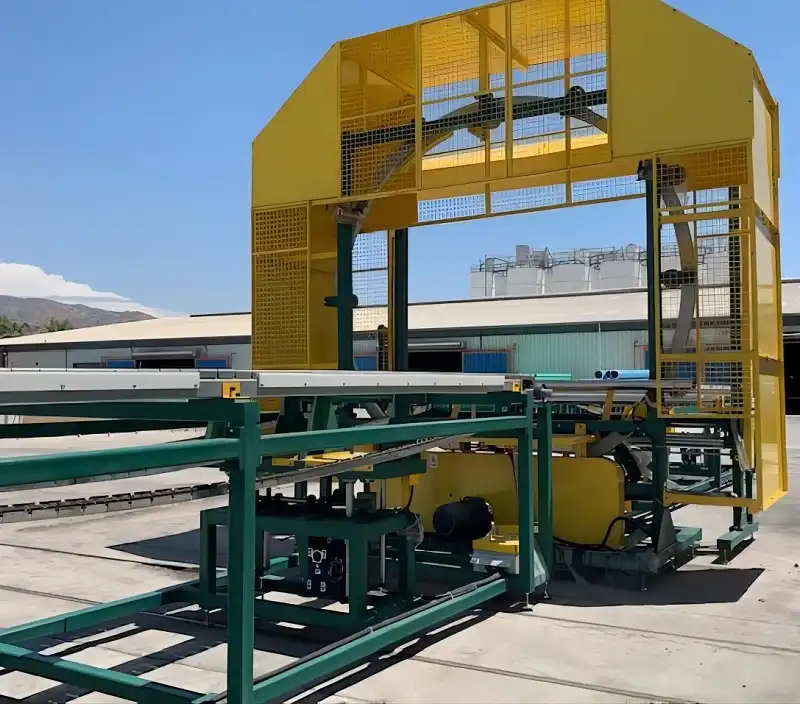
My journey in the packing machine industry began on the factory floor. I started as an employee, learning every bolt and every process. This hands-on experience was invaluable. Later, when I built my own successful packing machine factory, I carried that understanding with me. I knew what it felt like to be a client, facing production bottlenecks, safety concerns, and the pressure to control costs. This is why FHOPEPACK is more than just a machine supplier. We are a knowledge-sharing platform. We want to be the kind of partner I wished I had when I was starting out. I achieved financial independence thanks to the opportunities the coil packing and steel wire packing industries gave me. Now, I feel a deep sense of gratitude. I am dedicated to giving back, sharing my expertise to help others succeed. When you work with FHOPEPACK, you are not just buying a machine. You are gaining a partner who understands your challenges, someone who can offer the insights of a packing machine engineer who has built a successful factory from the ground up. We do not just sell equipment; we offer solutions and guidance to help your business grow, just as I helped many of my clients grow theirs. This focus on partnership and long-term support is what truly makes a difference.
The Value of Partnership Beyond the Purchase
Investing in machinery is a big decision. It impacts your factory for many years. Choosing a supplier is not just about the price of the machine. It is about who you trust to help you solve problems and grow.
1. Expert Consultation and Tailored Solutions
Every factory is different. What works for one might not work for another. A good partner does not just try to sell you their most expensive machine. They listen to your specific problems. They look at your current production lines, your product types, and your goals. Then, they recommend a solution that truly fits. This means asking deep questions about your current film waste, safety issues, and efficiency bottlenecks. Based on this, they can suggest the right type of orbital wrapper, whether it is semi-automatic or fully automatic, and how to integrate it into your existing setup. This expert advice saves you money in the long run by ensuring you get the right machine the first time.
2. Reliable After-Sales Service and Support
This is where many suppliers fail. They sell a machine and then disappear. But machines need maintenance, parts, and sometimes troubleshooting. A reliable partner provides strong after-sales support. This includes training your staff, being available for technical questions, and quickly supplying spare parts. Downtime on a production line is very expensive. Every hour a machine is not running means lost production and lost revenue. Knowing you have a team ready to help quickly gives you peace of mind. This commitment to ongoing support is a hallmark of a trustworthy supplier. It ensures your investment keeps working for you.
3. Long-Term Relationship and Business Growth
A true partner wants to see your business succeed. They understand that if you grow, they might grow with you. This means they are invested in helping you achieve your goals. For example, if your challenge is reducing product damage and improving safety, a partner will show you how their orbital wrapper directly addresses these issues. They will also help you measure the return on investment (ROI). This shows you the real financial benefits of your purchase, like how much you save on film or how much safer your workplace becomes. This long-term view builds trust. It turns a simple transaction into a lasting business relationship, which is something I always aimed for with my clients.
4. A Source of Continuous Knowledge and Innovation
The packing machine industry is always changing. New technologies and better ways of working come out all the time. A good partner stays on top of these changes. They can share new ideas and help you keep your factory efficient and competitive. This is why FHOPEPACK is a knowledge-sharing platform. We want to be a resource for you. We provide insights and expertise that go beyond just selling machines. This means you are not just getting a machine; you are also getting access to a wealth of knowledge to help your factory stay ahead.
| Aspect of Partnership | Impact on Factory Operations |
|---|---|
| Expert Advice | Right machine, optimal integration, avoided costly mistakes |
| After-Sales Support | Minimized downtime, fast issue resolution, sustained productivity |
| Long-Term Vision | Clear ROI, business growth, trusted relationship |
| Knowledge Sharing | Stay updated, adapt to new tech, maintain competitiveness |
Choosing a supplier that acts as a partner, with deep industry experience and a genuine commitment to your success, is just as important as the quality of the machine itself. This is the foundation for lasting efficiency and growth.
Conclusion
Orbital stretch wrappers are a smart investment for Vietnam factories. They cut film waste, boost safety, and improve product quality by automating packing. Choosing a partner like FHOPEPACK offers expert support beyond just the machine.








