

How Does Real‑Time Data Integration Improve Coil Upender Performance in Korea?
Imagine this: your factory floor is humming, but then you hit a bottleneck. Your current coil packing process is slow. It takes too much human effort. This impacts your whole production and how fast you can deliver. You need a better way.
Real-time data integration directly improves coil upender performance in Korea by giving factory managers immediate insights into operations. This helps identify and fix issues fast. It optimizes machine cycles, predicts maintenance needs, and drastically reduces manual errors. This leads to higher efficiency, better safety, and clear cost savings for factories handling heavy materials.


I understand these pressures. In my own journey from a packing machine engineer to factory owner, I saw these challenges firsthand. Let’s dig deeper into how real-time data can transform your operations. We will explore how these solutions can help you, just like they have helped so many others I’ve worked with.
How Can Real-Time Data Solve Your Factory’s Efficiency Bottlenecks?
Do you feel like your production line is constantly held back by slow, manual processes at the end? Are you seeing your overall output slow down because of how long it takes to pack coils? This is a common problem, and it directly impacts your bottom line.
Real-time data integration helps solve efficiency bottlenecks by providing instant feedback on machine performance. This allows for quick adjustments and continuous optimization of the upending process. It cuts down on idle time, streamlines material flow, and maximizes throughput for every shift.
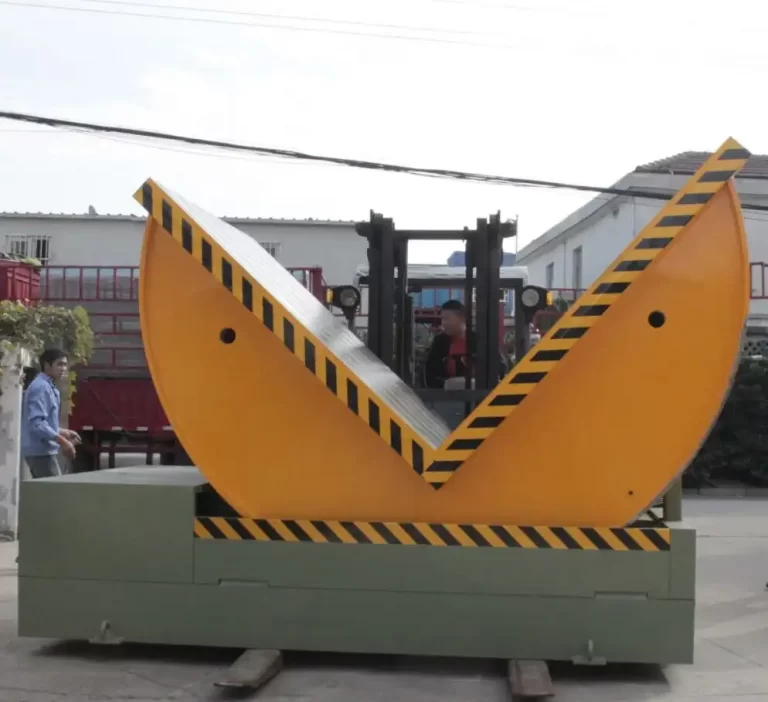

When I started my own packing machine factory, I quickly learned that efficiency was not just about buying a new machine. It was about how you used that machine. It was about understanding every part of the process. Real-time data takes this understanding to a whole new level. For coil upenders, this means collecting information about every cycle. This includes how long each lift and tilt takes, the weight of the coil, and any delays. This data is not just stored; it is analyzed right away.
This immediate analysis shows you exactly where the slowdowns happen. Maybe the operator is taking too long to load the coil. Maybe the machine is moving slower than it should at certain points. With real-time data, you can see these issues as they happen. You can make changes instantly. For example, if the system shows that coils are waiting too long before being upended, you know you need to adjust the upstream process. Or, if the upender is consistently pausing, you can check the machine for issues. This proactive approach prevents small delays from becoming big bottlenecks.
Think about a factory in Korea that handles steel coils. Without real-time data, they might only know at the end of the day that their output was lower than expected. They would then have to guess why. With real-time data, they would see the exact moment a slowdown occurred. They would see if it was due to a specific operator, a particular coil size, or a machine malfunction. This level of detail allows them to fix the problem immediately. It also helps them train staff better. It helps them schedule maintenance more effectively. It turns guesswork into informed decision-making. This kind of data-driven insight is what separates a good factory from a great one. It is about working smarter, not just harder. It is about maximizing the potential of every machine on your floor. This leads to much higher production rates and faster delivery times.
Can Data-Driven Upenders Truly Enhance Workplace Safety?
Are you worried about the safety of your workers? Do you see the risks involved in manually moving heavy materials like steel coils? Manual handling of these heavy items is not just slow; it creates huge risks for injuries. This can lead to high insurance costs and staff turnover.
Yes, data-driven upenders truly enhance workplace safety by minimizing human interaction with heavy loads. Real-time monitoring alerts operators to potential hazards and ensures proper machine operation. This drastically cuts down on workplace accidents and reduces the risk of injuries associated with manual handling.


Safety has always been a top priority for me. When I was on the factory floor, I saw firsthand how easily accidents could happen, especially with heavy loads. That is why I always focus on solutions that protect workers. Data-driven upenders play a big role here. These machines are designed to automate the hazardous task of flipping or turning heavy coils and molds. When you add real-time data to this, the safety benefits multiply.
The system monitors many things. It checks the weight of the coil. It checks the position of the upender. It checks the speed of the movement. If any parameter falls outside safe limits, the system can immediately stop the machine. It can also alert the operator. For example, if a coil is too heavy for the upender’s rated capacity, the system will prevent the operation. This stops a potential overload situation before it can cause damage or injury. Another example is collision detection. Sensors can identify if an object or person is too close to the moving parts of the upender. It will then automatically halt the operation. This creates a safer zone around the machine.
Think about the high-pressure environment of a metal processing plant in Korea. Workers are constantly around heavy machinery and materials. Manual handling of coils is not only inefficient, but it is also extremely dangerous. A worker could get crushed. They could suffer severe back injuries. They could even lose a limb. By automating the upending process and adding real-time data, you move workers away from these high-risk areas. The data ensures the machine itself operates within safe parameters at all times. This reduces the chance of mechanical failure due to misuse. It also reduces human error. This is crucial. Even a small mistake can lead to a serious accident. With data-driven safety features, the system acts as an extra layer of protection. It is like having a watchful eye on every single movement. This greatly improves overall worker safety. It also reduces your company’s liability and insurance costs.
What Is the Real ROI of Integrating Data into Your Coil Upending Operations?
Are you hesitant to invest in new equipment because you are not sure if it will really pay off? Have you dealt with suppliers who only want to sell you a machine, but then their support disappears? You need a clear return on investment (ROI). You need a partner who understands your business needs.
Integrating real-time data into coil upending operations delivers a strong ROI by reducing manual labor costs, minimizing product damage, and extending equipment lifespan. This leads to significant savings in operational expenses and increased overall profitability. It turns an upfront investment into a long-term benefit.
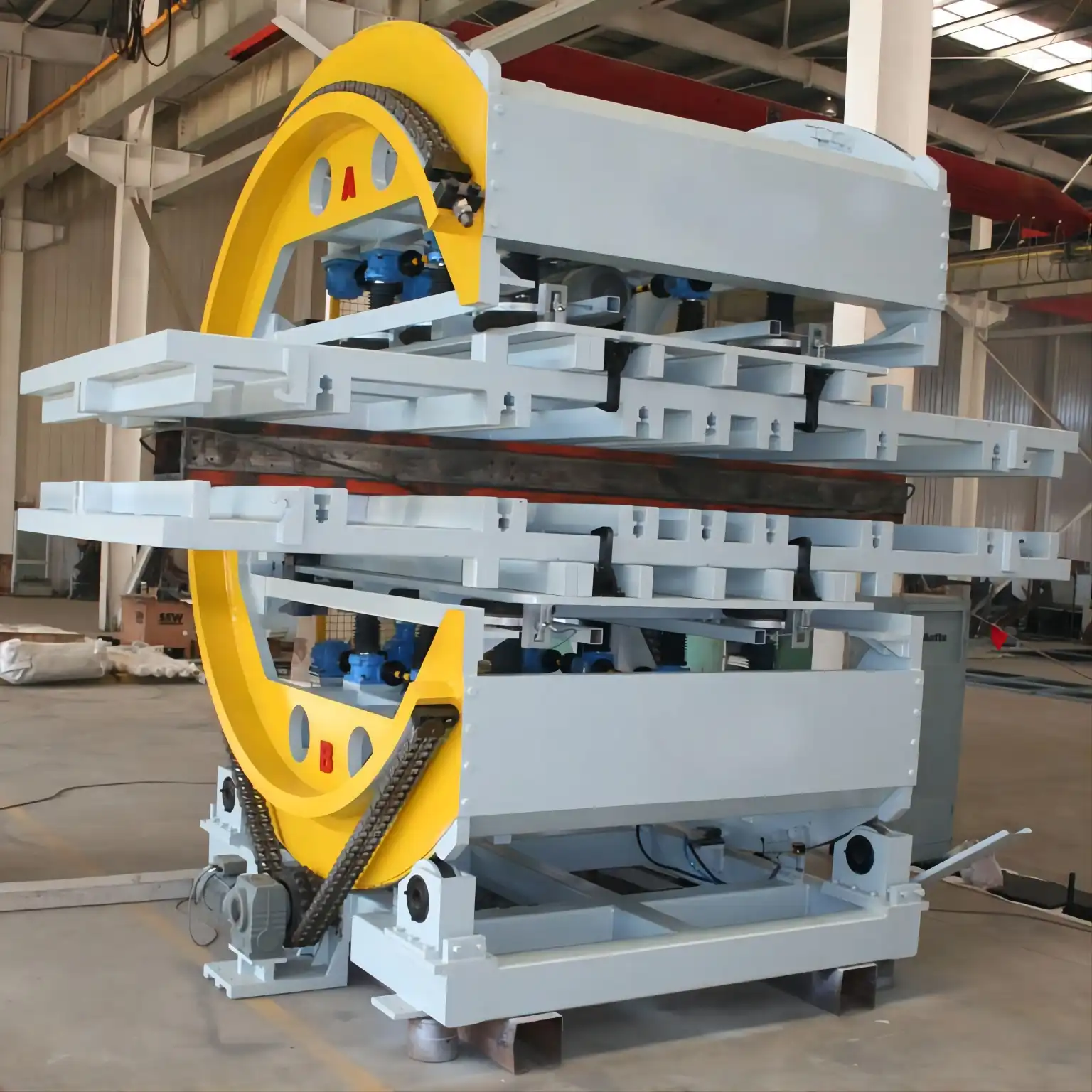

I know that every investment in a factory must make sense financially. When I built my factory, every piece of equipment I bought had to have a clear reason for being there. It had to contribute to our growth. This is why the ROI of data-integrated coil upenders is so important. It is not just about fancy technology. It is about measurable benefits that directly impact your bottom line.
Let us break down the ROI. First, there is the reduction in labor costs. By automating the upending process and making it more efficient with data, you need fewer people to do the same amount of work. This frees up your skilled workers for other, more complex tasks. It means you can manage your workforce more effectively. Second, there is the significant reduction in product damage. Michael Chen faces issues with damaged coils during internal transfer and packing. This leads to customer complaints and lost profits. Real-time data helps ensure precise and gentle handling. This minimizes damage to the coil edges or surfaces. Less damage means fewer returns. It means happier customers. It means more profit per coil.
Third, the extended lifespan of the equipment itself contributes to ROI. Real-time data allows for predictive maintenance. Instead of waiting for a part to break down, the system can alert you when a component is showing signs of wear. You can then replace it before it causes a major malfunction. This prevents costly emergency repairs and long periods of downtime. Downtime means lost production, which directly impacts your revenue. For example, if the data shows that a motor is consistently running hotter than usual, you can inspect it and replace it before it burns out. This proactive approach saves you money in the long run. It reduces the frequency of replacements for expensive parts. It also keeps your production line running smoothly.
Here is a simple example of how ROI can be calculated:
| Factor | Without Real-Time Data | With Real-Time Data | Savings/Benefit |
|---|---|---|---|
| Labor Cost (per year) | High | Medium | Significant Reduction |
| Product Damage | Frequent | Minimal | Increased Profit Margin |
| Downtime (per year) | High (unplanned) | Low (planned) | Maximize Production Time |
| Equipment Lifespan | Standard | Extended | Lower Replacement Costs |
| Safety Incidents | Higher | Much Lower | Reduced Insurance/Liability |
This table clearly shows where your investment pays off. It is not just about saving money in one area. It is about improving multiple aspects of your operation. This creates a compounding effect on your profitability. Investing in data-driven solutions is an investment in your factory’s future. It gives you control. It gives you predictability. This is what you need for sustainable growth.
Conclusion
Integrating real-time data into coil upenders transforms factory operations. It boosts efficiency, enhances safety, and drives clear financial returns. This ensures smarter, safer, and more profitable production.












