

How does a Pallet Inverter Reduce Contamination Risks in Electronics Component Storage?
In the world of electronics, even the smallest speck of dust or unseen residue can cause major problems. If you manage a warehouse handling sensitive components, you know the constant worry. Are your valuable products truly safe from contamination? Manual handling, dirty pallets, and even the air itself can carry silent threats that degrade your components, leading to costly defects, product recalls, and damaged reputations. This isn’t just about cleaning; it’s about protecting your entire investment. There is a smarter, safer way to handle your goods that helps you maintain the highest standards.
A pallet inverter precisely transfers sensitive electronics from old, potentially contaminated pallets to clean, new ones. This mechanical process minimizes human contact and exposure to dirty environments, locking in product integrity and significantly reducing contamination risks within electronics component storage.
This isn’t just a simple flip. It is a strategic move to secure your entire supply chain. By understanding how a pallet inverter works and the specific risks it addresses, you can elevate your warehouse operations. Let’s look closer at how this essential equipment helps safeguard your valuable electronic components, keeping them clean and secure from the moment they arrive until they are ready to ship.
What are the hidden contamination threats in electronics warehousing?
You work hard to manage valuable electronics, but do you truly see all the threats lurking in your warehouse? It is not just visible dirt you need to worry about. Microscopic dust, lint, chemical residues, and even static charges from old wooden pallets can silently degrade your sensitive components. These invisible enemies cause unexpected defects and costly failures. Understanding these hidden threats is the first step to fighting them effectively.
In electronics warehousing, contamination threats go far beyond obvious dirt. They include microscopic dust particles, lint, chemical residues from previous loads, and even biological contaminants that can adhere to traditional pallets, posing a constant risk to sensitive electronic components. These unseen dangers can compromise product integrity and lead to significant financial losses.
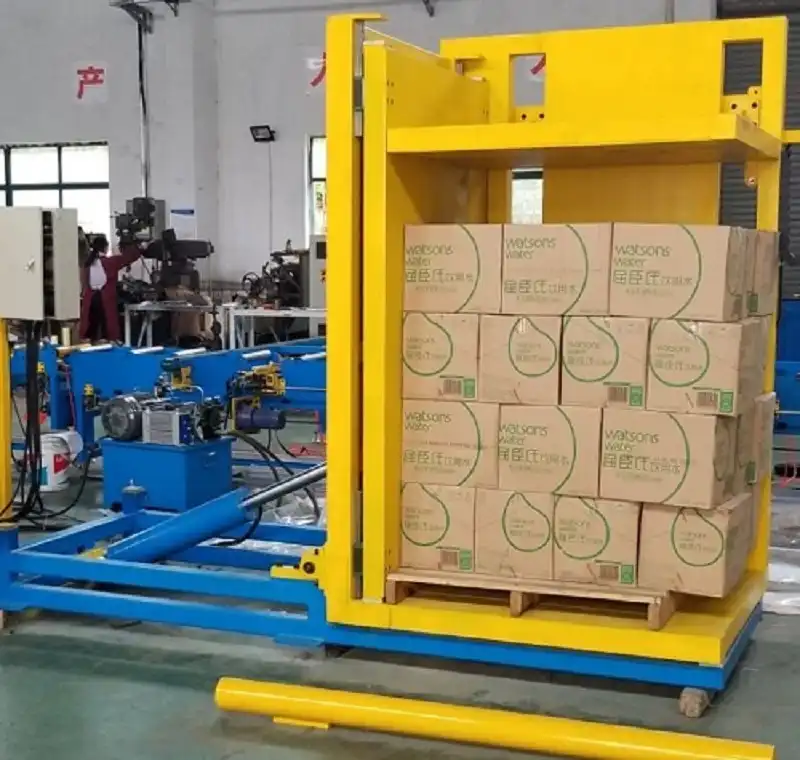

I have seen many facilities struggle with these issues throughout my career in packing machines. Early on, I realized that understanding these threats is just as important as finding the right solution. For example, a client manufacturing high-precision circuit boards once faced a batch of components failing due to what seemed like invisible contamination. After a deep dive, we found that tiny splinters and dust from their inbound wooden pallets were getting onto the components during manual transfer. This led to microscopic shorts and failures they could not easily trace. The problem was not the manufacturing process; it was the handling and storage.
Here are the specific hidden threats that electronics components face:
- 1. Dust and Particulate Matter: Dust is everywhere. It comes from floors, from the air, and especially from older, worn pallets.
- Impact: Microscopic dust can settle on exposed circuits, leading to short circuits, signal interference, or reduced performance. Even tiny fibers from packaging materials can cause problems.
- Source: Airborne particles, debris from forklifts, and especially the rough surfaces of wooden pallets can shed particles.
- 2. Chemical Residues: Pallets are often reused and can carry traces of previous cargo.
- Impact: Residues from food products, industrial chemicals, or even cleaning agents can corrode sensitive electronic parts. They might also react with component materials, causing long-term damage.
- Source: Past loads, spills on warehouse floors, and residues from non-food-grade cleaning processes.
- 3. Biological Contaminants: Moisture and organic matter can lead to mold or bacteria growth.
- Impact: While less common for dry electronics, in humid environments, mold spores can settle on components, causing physical damage or attracting moisture, leading to corrosion.
- Source: Unclean pallets from outdoor storage or food processing areas can harbor these contaminants.
- 4. Physical Damage and Debris: Old pallets can break down.
- Impact: Splinters from wooden pallets, small pieces of broken plastic, or metal fragments can fall onto components, causing scratches or direct damage. They might also wedge into packaging, creating pressure points.
- Source: Worn-out, damaged, or improperly maintained pallets.
- 5. Electrostatic Discharge (ESD): Some materials, especially older wooden or plastic pallets, can generate static electricity.
- Impact: ESD can cause immediate and irreparable damage to microchips and integrated circuits. This damage might not be visible but can lead to latent failures later.
- Source: Friction from moving components on non-ESD-safe surfaces, especially during manual transfers where materials rub together.












