
How Does Orbital Wrapping Ensure Secure Bundling of Rebars, Rods, and Profiles for Long-Distance Shipping?
When you run a metal processing plant in Mexico, or anywhere in the world, the last thing you want is damaged products arriving at your customer’s site. I have seen the pain this causes firsthand. Imagine the wasted resources, the lost trust, and the impact on your bottom line when a perfectly manufactured batch of steel rebars arrives bent or scratched. This is a common challenge, especially with long and heavy items like rebars, rods, and profiles that need to travel across long distances. It puts immense pressure on operations managers like Michael Chen, who need to keep production high and costs low, all while ensuring safety.
Orbital wrapping machines offer a robust solution by creating a tightly wound, protective barrier around bundles of long products. This ensures that items like rebars, rods, and profiles remain securely contained and shielded from impact, moisture, and abrasion during handling and long-distance transit, significantly reducing the risk of damage.

You might be thinking, “There has to be a better way than what we are doing now.” And you are right. The good news is, there is. Let us look deeper into why current methods often fall short and how the right technology can change everything for businesses in the heavy industries. (secure metal bundling, long-distance shipping protection)
Why is Traditional Manual Packing for Metal Products Risky and Inefficient?
Have you ever watched your team manually prepare heavy bundles of steel for shipping? The process can be slow, tedious, and incredibly dangerous. I have spent years in this industry, first as an employee, then building my own factory, and I have seen too many close calls. For a factory manager like Michael, these risks translate directly into higher operating costs and potential liabilities.
Traditional manual packing methods for heavy metal products are inherently risky due to manual handling of heavy, awkward items, leading to high rates of worker injury. They are also highly inefficient, requiring significant labor and time, which slows down production lines and increases operational expenses.

It is not just about the immediate danger. The downstream effects ripple through the entire operation. From slow processing to damaged goods, manual packing creates problems that can undermine your entire business. Let us break down these key issues that impact productivity and safety. (manual metal product packing, inefficient bundling methods)
Key Drawbacks of Manual Metal Product Packing
Traditional methods often rely on simple banding or manual stretch wrapping. These approaches might seem cost-effective at first glance. However, they introduce a host of problems that negate any initial savings. I always tell my clients that a small investment in the right automation can save millions in the long run.
👷♂️ Safety Hazards and Worker Well-being
Manual packing of heavy and long metal items like rebars or steel profiles is a major source of workplace injuries. Workers often lift, shift, and secure bundles that weigh hundreds of kilograms. This heavy lifting and repetitive motion can cause severe back injuries, strains, and even crush injuries. In a factory like Michael’s, these incidents lead to high insurance costs, increased workers’ compensation claims, and valuable employee turnover. No manager wants to see their team members injured. Safety is not just a cost; it is a core value. A single serious injury can halt production, spark investigations, and damage company morale significantly. Manual strapping also exposes workers to tensioning tools that can snap, causing further harm. Ensuring worker safety should always be a top priority for any factory, especially in heavy manufacturing sectors. It is about protecting your most valuable asset: your people. (workplace safety heavy industry, manual lifting risks)
🐢 Efficiency Bottlenecks and Production Delays
The speed of your packing line directly affects your overall factory output. When packing relies heavily on manual labor, it becomes a bottleneck. Workers can only move so fast. Each bundle needs individual attention, manual tensioning, and securing. This process is time-consuming and often inconsistent. In high-volume operations, these delays accumulate quickly, impacting delivery schedules and customer satisfaction. If Michael’s factory is trying to increase output, a slow packing process will always hold it back. It is like having a super-fast engine with a clogged fuel line. The whole system runs below its potential. Automation removes this human speed limit, allowing for consistent, high-speed output. It ensures that the packing phase keeps pace with upstream production. (packing line bottlenecks, production efficiency improvement)
📉 Product Damage and Quality Control Issues
Manual packing often provides insufficient protection for metal products during transit. Simple banding might keep items together, but it does not protect against surface scratches, dents, or edge damage. Rebars, rods, and profiles are susceptible to damage from impacts or shifting during shipping. Imagine a shipment arriving with surface rust or bent ends because the wrapping failed to protect it from moisture or movement. These damages lead to customer complaints, returned goods, and lost profits. In my experience, even minor damage can hurt your brand’s reputation. Maintaining product quality from the factory floor to the customer’s hands is crucial for repeat business and growth. Manual methods simply cannot offer the consistent, all-around protection needed for long-distance transport of these valuable goods. (metal product damage prevention, shipping quality control)
💰 High Operational Costs
While automation has an upfront cost, manual packing carries significant ongoing expenses. Labor costs are a primary factor. The more people you need to assign to packing, the higher your wages and benefits expenses. Beyond wages, there are indirect costs from injuries, such as medical leave, retraining new staff, and increased insurance premiums. The cost of product damage itself, including rework, returns, and lost sales, adds up quickly. Furthermore, inconsistent manual wrapping can lead to excessive material use, as workers might over-wrap to compensate for lack of proper tensioning. When you sum up these expenses, manual packing is far more expensive in the long run than a well-chosen automated solution. (packing operational costs, labor cost reduction)
| Feature | Manual Packing | Automated Orbital Wrapping |
|---|---|---|
| Safety | High risk of worker injury, strain | Minimal human intervention, greatly reduced risk |
| Efficiency | Slow, labor-intensive, bottleneck | Fast, consistent, high-volume throughput |
| Product Protection | Inconsistent, poor against impact/moisture | Superior, full enclosure, weather-resistant, secure |
| Cost | High ongoing labor, injury, damage costs | Higher initial investment, significant long-term savings |
| Consistency | Varies with worker, prone to errors | Uniform, repeatable, high-quality wraps |
| Labor Needs | High | Low, frees workers for other tasks |
The table makes it clear. Relying on manual packing for industrial metal goods creates more problems than it solves. It is a costly, risky, and inefficient approach in today’s demanding logistics landscape. (manual vs automated packing, industrial packaging comparison)
What Makes Orbital Wrapping the Best Solution for Protecting Long and Heavy Industrial Goods?
So, if manual packing is not the answer, what is? For businesses dealing with long, heavy industrial products like rebars, rods, and profiles, orbital wrapping stands out. It offers a level of protection and efficiency that traditional methods simply cannot match. This is exactly the kind of solution Michael needs to overcome his current challenges with product loss and delivery speed.
Orbital wrapping excels at protecting long and heavy industrial goods by applying a continuous, tightly stretched film around the product bundle, creating a robust, all-encompassing protective layer. This method provides superior resistance to physical damage, moisture, and dust, ensuring product integrity during storage and transit.

The design of an orbital wrapper is ingenious in its simplicity and effectiveness. It works by having a rotating arm that wraps stretch film 360 degrees around the length of the product as it passes through the machine. This creates a secure, overlap-rich protective layer. Let us explore the specific features that make this method ideal for heavy industry. (orbital wrapping benefits, industrial goods protection)
Key Protective Features of Orbital Wrapping
When I first started FHOPEPACK, I knew that reliable, effective packaging was key to customer satisfaction. Orbital wrapping machines are designed with this in mind. They address the core vulnerabilities of long metal products during shipping.
🛡️ Complete 360-Degree Enclosure and Protection
Unlike simple banding or spot wrapping, an orbital stretch wrapper fully encloses the product bundle. The film is applied continuously in a helical pattern around the entire length and circumference of the rebars, rods, or profiles. This creates a seamless, multi-layered shield that protects against external elements from every angle. Think about a steel coil’s edge. With orbital wrapping, that vulnerable edge gets multiple layers of protection. This full enclosure is crucial for preventing scratches, dents, and abrasion, which are common issues when products shift or rub against each other or the transport vehicle. It ensures that every part of the bundle is equally protected, minimizing the chance of localized damage. (360-degree product protection, full enclosure packaging)
💪 Superior Bundle Stability and Containment
Heavy and long products can be difficult to stabilize. During transit, sudden stops, turns, or bumps can cause bundles to shift. This movement can lead to product damage, or even worse, it can pose a safety risk if the load becomes unstable. Orbital wrapping applies significant tension to the stretch film. This tight wrapping compacts the bundle, creating a single, cohesive unit. The high tension prevents individual items from moving within the bundle. It also keeps the entire bundle stable on pallets or inside containers. This superior containment is vital for long-distance shipping, especially when goods are transported over rough roads or across oceans. A stable load means less damage and safer handling throughout the logistics chain. (bundle stability for shipping, heavy product containment)
☔ Weather Resistance and Environmental Shielding
Metal products, especially raw or unfinished ones, are highly susceptible to rust and corrosion when exposed to moisture. Even humidity can be an enemy. Dust and dirt can also compromise product quality or cleanliness. Orbital wrapping creates a strong barrier against these environmental threats. The stretch film is waterproof and provides an excellent seal against rain, snow, and humidity. It also keeps out dust and grime. This protection is incredibly important for products stored outdoors or transported in open vehicles. By preventing rust and contamination, orbital wrapping helps maintain the quality and value of your products from the moment they are packed until they reach their destination. For Michael’s factory in Mexico, where products might face varied climates during shipping, this feature is invaluable. (weatherproof packaging, corrosion prevention packaging)
🌀 Customizable Wrapping Parameters for Diverse Products
Not all rebars or profiles are the same. They vary in length, width, and weight. A good orbital wrapper offers flexibility. Machines like those from FHOPEPACK and SHJLPACK allow you to adjust wrapping parameters. You can control the film overlap, tension, and the number of layers. This customization means you can tailor the protection level to the specific product and its shipping requirements. For example, a heavy, high-value profile might need more layers and higher tension than a standard rebar bundle. This adaptability ensures optimal film usage – enough to protect, but not so much that it wastes material. It allows Michael to use one machine for a range of products, maximizing his investment. This smart use of film reduces costs and environmental impact, making the process both efficient and sustainable. (customizable wrapping settings, flexible packaging solutions)
🚀 Streamlined Load Handling
Once bundled by an orbital wrapper, products are much easier and safer to handle. A tightly wrapped bundle is less likely to snag, separate, or cause an imbalance during forklift operations or crane lifting. This ease of handling not only speeds up the loading and unloading process but also reduces the risk of accidents caused by shifting or falling items. The uniform shape and secured nature of the wrapped bundles also optimize space utilization in transport vehicles, allowing for more efficient stacking and reducing empty space, which can lower shipping costs. The improved package integrity simplifies every step of the logistics chain, from the factory floor to the final customer. (optimized load handling, efficient logistics packaging)
These features show that orbital wrapping is more than just a packaging method; it is a comprehensive protection system designed for the rigors of industrial long-distance shipping. It is a strategic investment that pays off by ensuring product integrity and streamlining operations. (industrial packaging solution, long product protection)
How Does Orbital Wrapping Directly Improve Factory Operations and ROI for Businesses like Michael’s?
For a factory manager like Michael, every investment must show a clear return. It is not enough for equipment to be “good”; it needs to solve problems, save money, and boost the bottom line. Orbital wrapping machines do exactly that. They transform packing from a problematic bottleneck into a smooth, efficient operation.
Orbital wrapping significantly improves factory operations by automating the packing process, leading to increased speed and efficiency. It enhances worker safety by reducing manual handling of heavy items and provides a strong return on investment (ROI) through lower labor costs, reduced product damage, and faster throughput.
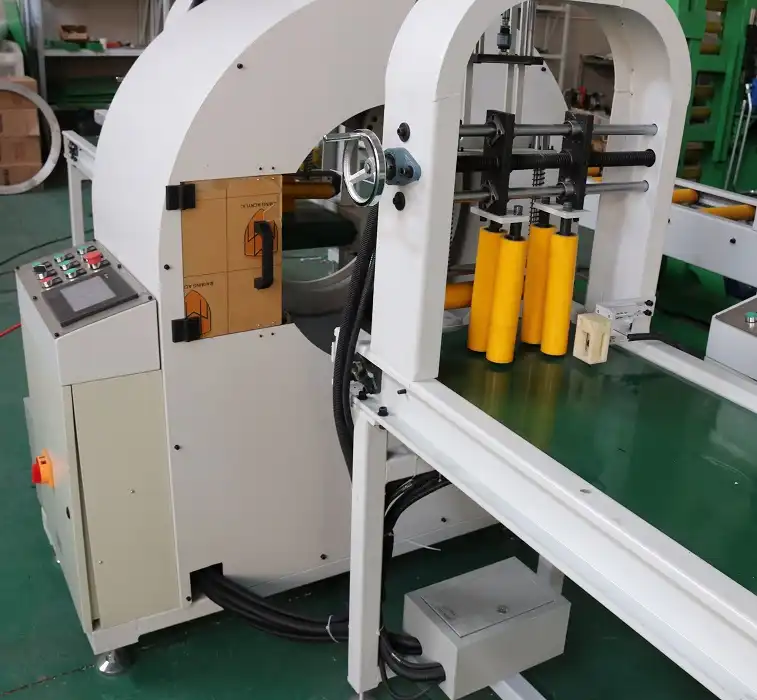
From the perspective of someone who has built and run factories, I know that real improvements come from solutions that address multiple pain points at once. Orbital wrapping is one of those solutions. It is not just about a better package; it is about a better way of doing business. (factory operational improvement, packaging ROI)
Operational Advantages and ROI for Metal Processing Plants
When I started my journey, I learned that true success comes from understanding the operational details. Implementing orbital wrapping is not just buying a machine; it is adopting a strategy for smarter, more profitable operations.
⚡ Increased Packing Speed and Throughput
One of the biggest wins with orbital wrapping is the dramatic increase in packing speed. Manual packing is inherently slow. An orbital wrapper can process bundles much faster, wrapping multiple layers in seconds. This speed ensures that your packing line keeps up with your production line. If Michael’s factory is currently limited by slow packing, automation will remove that bottleneck. More products can be processed and shipped out each day. This leads to higher overall throughput for the factory. Higher throughput means more sales and greater revenue. It also reduces the need for overtime labor to catch up on packing tasks. This direct increase in production capacity offers a clear path to boosting profitability and meeting aggressive production targets. (packing speed increase, factory throughput optimization)
💸 Reduced Labor Costs and Optimized Workforce
Automation directly addresses the high labor costs associated with manual packing. An orbital wrapping machine requires minimal operator intervention. One worker can manage the machine, overseeing the process rather than physically wrapping each bundle. This frees up multiple workers who were previously dedicated to manual packing. Those employees can then be reallocated to other, more skilled tasks within the factory. This leads to significant savings in wages, benefits, and training costs. It also makes your existing workforce more productive. For Michael, reducing reliance on manual labor in such a demanding area also mitigates the costs related to worker injuries and turnover. The initial investment in an automated system quickly pays for itself through these recurring labor savings. (labor cost reduction, workforce optimization strategies)
⛑️ Enhanced Worker Safety and Reduced Injury Rates
As I mentioned earlier, worker safety is paramount. Orbital wrapping eliminates the need for manual lifting, carrying, and securing of heavy bundles. This automation removes workers from dangerous situations. By reducing exposure to heavy loads and repetitive motions, the risk of musculoskeletal injuries, strains, and accidents drops significantly. A safer workplace means fewer workers’ compensation claims, lower insurance premiums, and a more positive working environment. Employees feel valued and protected. This leads to better morale and higher retention rates. For Michael, enhancing worker safety is not just a moral obligation; it is a smart business decision that reduces direct and indirect costs associated with workplace incidents. (improved workplace safety, injury prevention automation)
✨ Consistent Packaging Quality and Brand Reputation
Automated orbital wrapping ensures a consistent, high-quality package every single time. Unlike manual methods, where quality can vary from worker to worker or even shift to shift, a machine applies the film with precise tension and overlap. This consistency means every bundle receives the same level of protection. Such reliability translates into fewer damaged goods, fewer customer complaints, and stronger customer satisfaction. When your customers consistently receive products in perfect condition, it builds trust and enhances your brand’s reputation for quality and reliability. In a competitive market, this consistent quality can be a significant differentiator, leading to repeat business and positive referrals. (consistent package quality, brand reputation enhancement)
♻️ Optimized Material Usage and Waste Reduction
Modern orbital wrappers are designed to optimize film usage. They can precisely control the film tension and overlap, ensuring that just the right amount of material is used for effective wrapping. This precision minimizes waste compared to manual methods, where over-wrapping or inconsistent application often leads to excess film use. Some machines also have pre-stretch capabilities, which can make a single roll of film cover a much larger area. Reducing film waste not only lowers material costs but also contributes to environmental sustainability. This efficiency in material use directly impacts operational costs and improves the overall environmental footprint of the packaging process. (packaging material optimization, waste reduction strategies)
📈 Clear Return on Investment (ROI)
Calculating the ROI for an orbital wrapping machine involves looking at the savings generated across several areas:
- Labor Savings: Direct cost reduction from fewer workers needed for packing.
- Reduced Product Damage: Savings from fewer returns, rework, and customer claims.
- Increased Throughput: Revenue gains from being able to ship more products faster.
- Lower Insurance Costs: Savings from a safer workplace and fewer injury claims.
- Optimized Material Costs: Savings from efficient film usage.
| ROI Component | Impact with Orbital Wrapping |
|---|---|
| Labor | 👇 Significantly reduced manual labor needs |
| Product Damage | 👇 Minimized losses from transit damage and returns |
| Throughput/Revenue | 👆 Increased packing speed directly boosts output and sales |
| Safety Costs | 👇 Lower insurance premiums and fewer injury-related expenses |
| Material Usage | 👇 Optimized film consumption, less waste |
| Customer Satisfaction | 👆 Higher due to consistent, undamaged product delivery |
By combining these factors, the investment in an FHOPEPACK or SHJLPACK orbital wrapping machine typically shows a very strong and swift return. For Michael, this means not just solving immediate problems but also making a strategic move that enhances the long-term profitability and competitiveness of his factory. (packaging ROI calculation, business profitability through automation)
My Insights!
My journey in the packing machine industry has been incredibly rewarding. I started on the factory floor, learning the ins and outs of every machine, every process. Then I took a leap, started my own factory, and grew it successfully. This experience taught me something profound: it is not just about selling a machine. It is about understanding the real-world challenges my clients face. It is about being a partner.
I have seen countless factory managers like Michael grapple with the same issues: the constant pressure to increase output, the urgent need to control costs, and the absolute necessity of keeping their workers safe. I achieved financial independence thanks to this industry, and I feel a strong pull to give back. My mission with FHOPEPACK is to share the knowledge and solutions that truly make a difference.
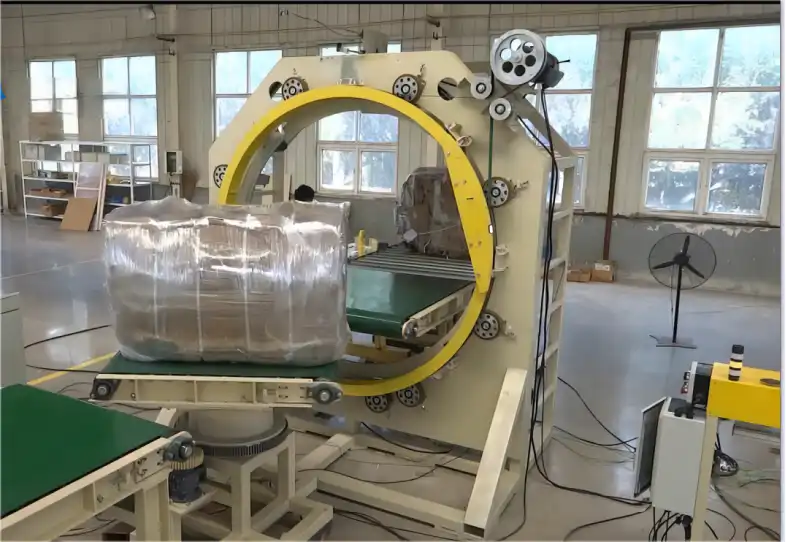
I know what it is like to be Michael Chen, looking for equipment that is not just reliable but also backed by real expertise. That is why FHOPEPACK and SHJLPACK are more than just manufacturers; we are problem-solvers. We listen to your specific production bottlenecks, your safety concerns, and your efficiency dilemmas. Then, we apply our deep industry knowledge to recommend the right solutions. When you partner with us, you are not just buying a machine; you are gaining access to years of hands-on experience and a commitment to your success. We want to help you achieve the same level of growth and independence that I found in this dynamic industry. (packing machine expert insights, trusted packaging solutions partner)
Conclusion
Orbital wrapping offers a critical solution for securely bundling rebars, rods, and profiles for long-distance shipping. It tackles key challenges like product damage, worker safety, and operational inefficiency head-on. By automating the packaging process, businesses gain increased speed, reduced labor costs, enhanced safety, and consistent product protection, leading to a strong ROI. Choosing the right orbital stretch wrapper means investing in reliability and a true partnership, ensuring your valuable products reach their destination in perfect condition, every time.








