
How Does Energy-Efficient Hydraulics Lower Expenses for Mold Tilters in Argentina?
For factory managers in Argentina, facing tight budgets and the constant pressure to boost output, every penny counts. Are you tired of seeing your electricity bills climb, while your team struggles with slow, risky manual handling? Do you worry about worker safety and damaged products during heavy operations? These problems can seriously impact your factory’s bottom line and peace of mind.
The answer to these rising costs and operational headaches often lies in a smart investment: energy-efficient hydraulic systems in mold tilters. These advanced machines cut down on power use, leading to lower electricity bills. They also make your operations smoother and safer, which means less product damage and fewer workplace injuries. This is a direct path to reducing your overall expenses and making your factory more profitable, especially in a competitive market like Argentina.
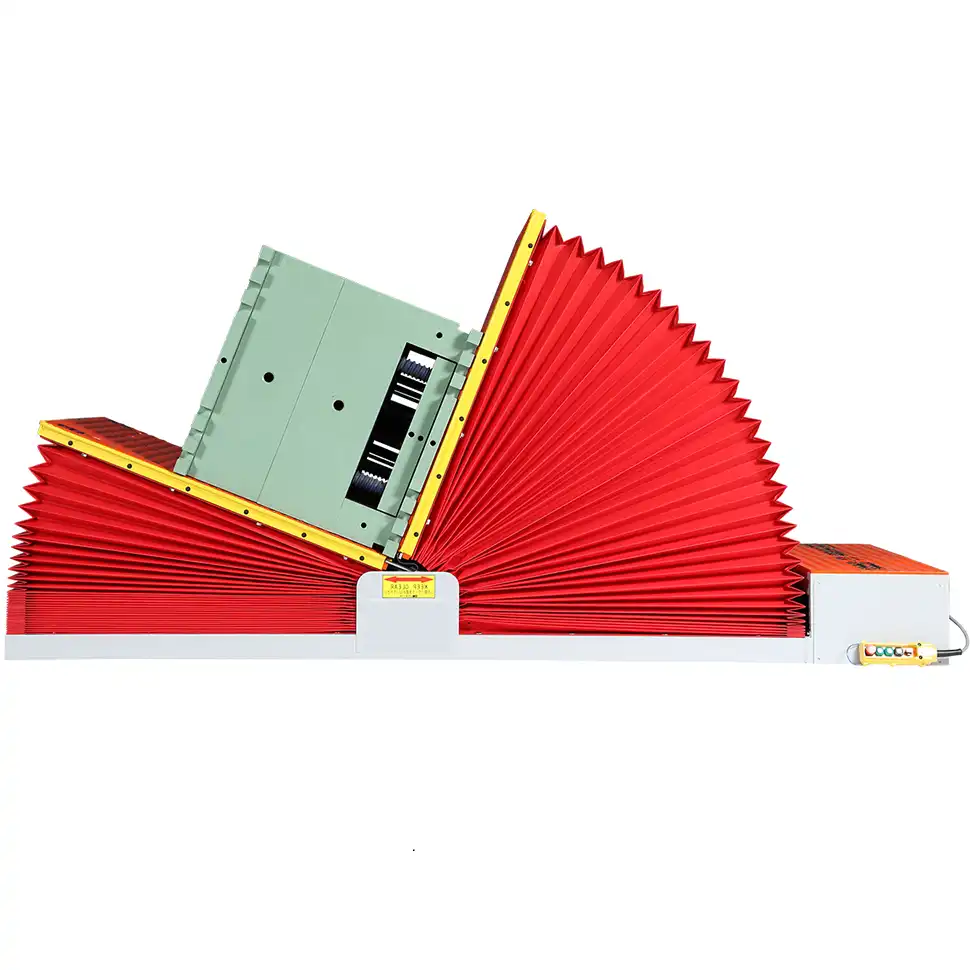
You might be thinking, “Can a new machine really make such a big difference?” I understand that thought. But stick with me. We are going to dig into exactly how these systems work. We will also see how they bring real savings and improvements to your production floor. This is not just about buying a new piece of equipment. It is about making a smart strategic move for your business.
Direct Cost Savings: How do electricity bills drop with efficient hydraulic systems?
Are your energy bills eating into your profits? Is the cost of powering your heavy machinery becoming a major burden each month? Traditional hydraulic systems can be energy hogs, constantly running at full power even when they do not need to. This wastes electricity and drives up your operating costs, making it harder to stay competitive.
Energy-efficient hydraulic systems use power only when it is needed. They do not run full tilt all the time. This “on-demand” power delivery means they consume much less electricity than older, less efficient machines. For a factory in Argentina, where energy costs are a constant concern, this translates directly into noticeable savings on your utility bills every single month.
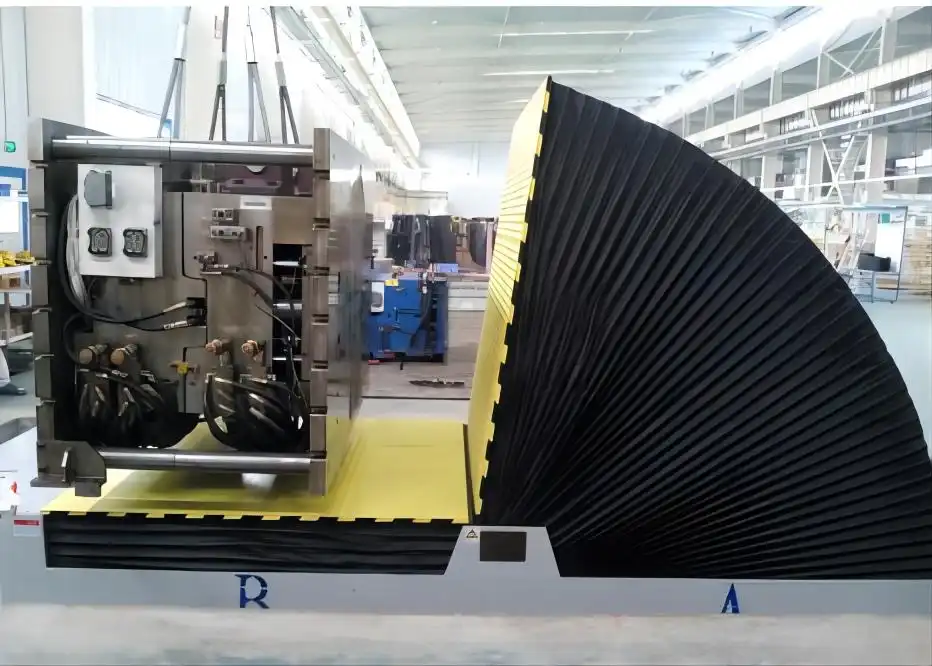
Let us talk more about how this happens. Traditional hydraulic systems often use fixed displacement pumps. These pumps deliver a constant flow of oil, no matter how much power the machine actually needs for a task. Imagine leaving your car engine running at 5,000 RPM all day, even when you are just parked. That is what a fixed pump does. It wastes a lot of energy. Modern, energy-efficient hydraulic systems use smart technologies like variable speed drives and servo motors. These allow the pump to adjust its speed and flow based on the exact demand. When the mold tilter is just holding a position, the pump can slow down or even stop. When it needs to lift or rotate a heavy mold, it ramps up just enough to do the job. This precise control avoids wasted energy.
Another point is the heat generation. Less energy wasted means less heat produced. When hydraulic systems generate less heat, the oil stays cooler, and components like seals and hoses last longer. This reduces the need for expensive cooling systems and cuts down on maintenance costs over time. Think about it: a cooler system is a happier system. For a factory manager like you, this means fewer unexpected breakdowns and a more reliable production line. You are not just saving on electricity. You are also saving on parts and labor for repairs. This approach helps lower your total operating expenses significantly. It makes your mold tilter a more economical machine to run in the long term, adding to your factory’s overall financial health.
| Feature | Traditional Hydraulic System | Energy-Efficient Hydraulic System |
|---|---|---|
| Pump Type | Fixed Displacement | Variable Speed / Servo |
| Energy Usage | Constant, high | On-demand, lower |
| Heat Generation | High | Low |
| Component Life | Shorter due to heat | Longer due to cooler operation |
| Maintenance | More frequent, higher costs | Less frequent, lower costs |
| Electricity Bill | Higher | Significantly Lower |
Boosting Safety: Can energy-efficient tilters really make the workplace safer?
Are you constantly worried about the safety of your workers, especially when they handle heavy, awkward molds or steel coils? Manual handling of these large items is incredibly risky. It leads to serious injuries, high insurance costs, and employee turnover. This creates a stressful and expensive environment for your factory.
Energy-efficient mold tilters are designed to minimize the need for manual handling of heavy items. They offer precise, controlled movements. This reduces the risk of accidents and injuries dramatically. By taking the heavy lifting out of human hands, these machines create a much safer work environment. This helps you protect your team and also cut down on related costs like medical claims and insurance premiums.
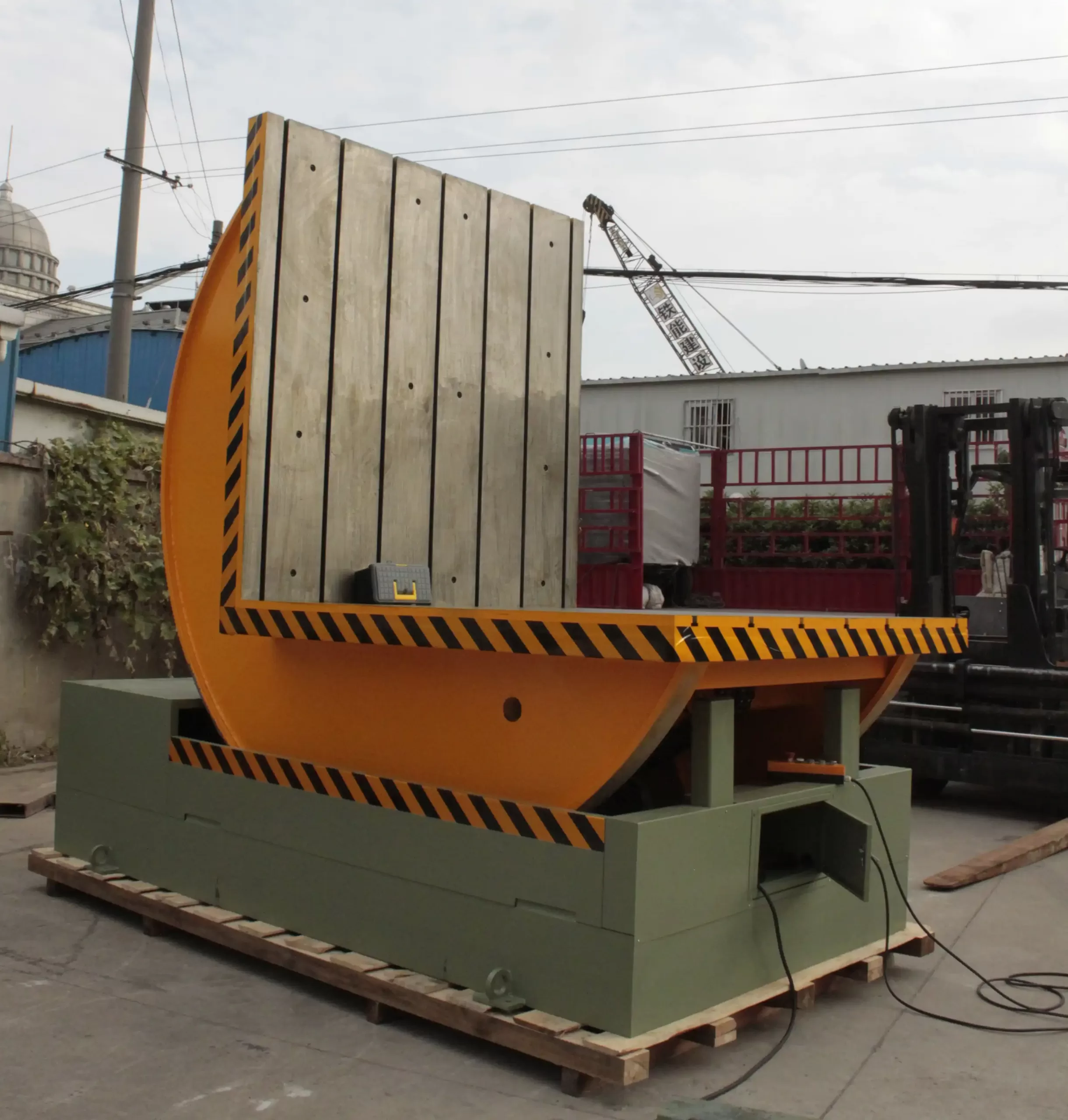
Let us dive deeper into how these systems boost safety. The precision of modern hydraulic controls is a game-changer. Older systems can be jerky or less responsive, making it hard to control heavy loads smoothly. This increases the risk of the load shifting unexpectedly or dropping. Energy-efficient hydraulic systems use advanced valving and feedback loops. These allow for very smooth and controlled acceleration and deceleration. This means the mold or coil moves exactly how and when you want it to. There are no sudden movements. This greatly reduces the chance of an operator losing control or a part falling.
Think about the physical strain on your workers. Manually flipping or rotating a heavy mold requires immense physical effort. This can lead to back injuries, sprains, and other musculoskeletal disorders. These injuries are not only painful for your employees but also costly for your business. They result in lost workdays, worker compensation claims, and the need to train new staff. A mold tilter eliminates this manual strain. Your workers can operate the machine with simple controls, staying at a safe distance from the heavy load. This shift from physical labor to machine operation is a huge step forward for workplace safety. It helps create a healthier and more productive workforce. By reducing the number of injuries, you also reduce your insurance premiums. This improves morale. It shows your team you care about their well-being. This is a vital investment for any factory manager. It is even more vital in an industry with inherent risks, such as metal processing.
Beyond Energy: What hidden benefits do advanced hydraulics bring to production?
Are your current production lines plagued by frequent equipment breakdowns and damaged products? Is the constant need for maintenance slowing down your output and leading to customer complaints? These hidden problems can chip away at your profits and reputation, even if you do not see them on your energy bill.
Advanced, energy-efficient hydraulic systems do more than just save power. They improve the overall health of your production line. They provide smoother operation. This means less wear and tear on the machine itself. This also means less damage to your valuable products. This leads to fewer repairs, more uptime, and happier customers. These are all vital for your factory’s success.
Let us go further into these less obvious benefits. Product protection is a big one. When handling delicate or high-value items like finished steel coils or precision molds, any harsh movement can cause damage. Sharp edges on coils can get dinged, or molds can be scratched if they are dropped or handled roughly. Energy-efficient hydraulic systems provide very gentle and controlled movements. They reduce the impact on the product during tilting or rotation. This minimizes dents, scratches, and other forms of damage. For Michael, who faces issues with product loss during internal transfer, this is a huge win. Less damaged product means fewer customer complaints. It also means less scrap and higher profit margins.
Then there is the matter of equipment lifespan and maintenance. Machines that operate smoothly and with less internal stress last longer. Energy-efficient hydraulics reduce shock loads and vibrations. This is because they deliver power precisely. This reduces the stress on mechanical components like bearings, gears, and structural frames. Less stress means less wear. Less wear means your mold tilter will need fewer spare parts and less frequent repairs. This extends the life of your investment. It also reduces your maintenance budget. For a factory manager who values durable equipment, this is very important. Predictable maintenance schedules also mean less unplanned downtime. This keeps your production line running smoothly. It helps you meet delivery deadlines and maximize throughput. These benefits, though not always as obvious as an electricity bill, significantly improve your factory’s operational efficiency and profitability over time.
Finding the Right Partner: Why is expertise crucial for your mold tilter investment?
Have you ever invested in new equipment only to find the supplier disappears after the sale? Or perhaps they do not truly understand your specific factory needs? Dealing with vendors who just want to sell a box, without offering real solutions or support, can lead to wasted money and ongoing frustration. This makes finding a new partner a very cautious process for you.
Choosing an expert partner, one with deep industry knowledge and a proven track record, is just as important as the machine itself. An expert will understand your production bottlenecks, your safety concerns, and your need for ROI. They will provide tailored solutions. They will also offer reliable support long after the purchase. This ensures your investment truly solves your problems and drives your business forward.
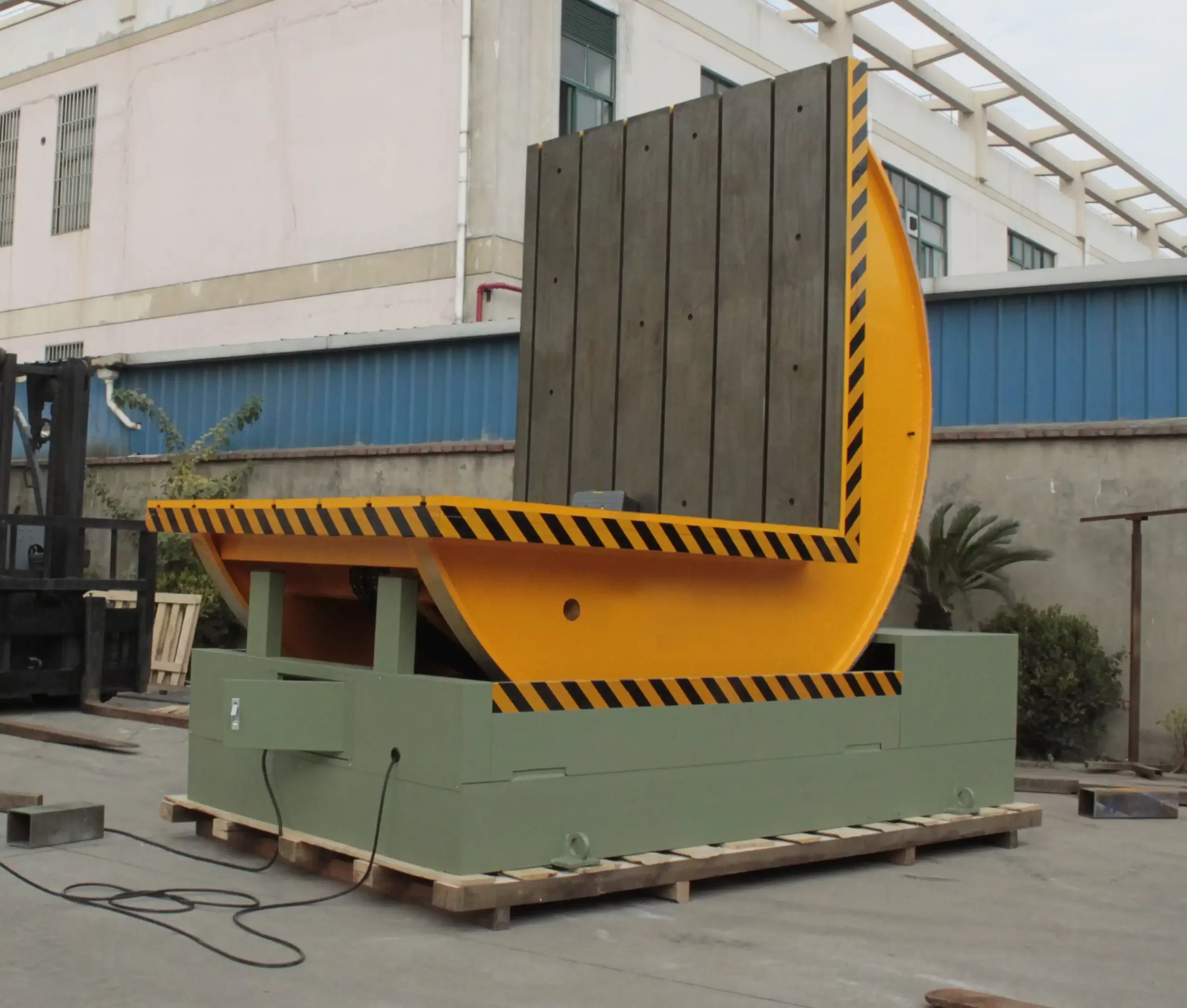
Let us explore why this partnership matters so much. A good supplier does not just sell you a mold tilter. They listen to your problems. They look at your current processes. They offer solutions that fit your unique factory setup. For example, Michael struggles with manual handling of heavy items and efficiency bottlenecks at the end of his production line. A true partner would not just recommend a standard tilter. They would assess the weight and size of his molds, the space available, and the flow of his operations. They would then propose a mold tilter with the right capacity, features, and level of automation. This ensures it integrates seamlessly and directly addresses his pain points. This understanding comes from deep industry experience.
My own journey in the packing machine industry, from an employee to building my own successful factory, taught me this lesson repeatedly. It is not just about the machine’s specifications. It is about understanding the entire production ecosystem. It is about foreseeing potential issues and offering practical advice. This includes everything from installation to long-term maintenance. A reliable partner offers strong after-sales service. They provide technical support, spare parts, and even training for your operators. This ensures your new mold tilter keeps running efficiently for years. This kind of partnership builds trust. It also provides peace of mind. You know you have an expert by your side, ready to help you optimize your operations and grow your business. This is the difference between a simple transaction and a strategic alliance that truly benefits your factory.
My Insights
When I look at the challenges faced by factory managers today, especially in places like Argentina, it takes me back to my own early days. I remember the constant drive to make things more efficient, safer, and more profitable. Building my packing machine factory, and seeing my clients grow their businesses, reinforced one key truth: smart investments in the right technology, backed by genuine expertise, are the bedrock of financial independence and business success. For me, that meant understanding the core problems and delivering solutions that truly worked. Now, I am committed to giving back, sharing that knowledge so others can thrive. Choosing energy-efficient mold tilters is not just an expense; it is a strategic decision that reflects a deep understanding of operational excellence and a commitment to long-term growth. It is about investing in your future, just as I invested in mine.
Conclusion
Energy-efficient hydraulic mold tilters cut costs directly through lower power use and indirectly by boosting safety and reducing maintenance. This makes them a smart investment for factories aiming to increase profit and efficiency.








