
How Does Energy-Efficient Design Lower Operating Costs for U.S. Tilters?
For many U.S. manufacturing plants, high operating costs are a constant worry. Energy bills can skyrocket, and the inefficiencies of old equipment slowly eat away at profits. This puts a lot of pressure on factory managers. It slows down growth and makes it hard to compete. But what if there was a clear path to significant savings?
Energy-efficient design in industrial tilters directly lowers operating costs for U.S. factories. These modern machines use less power. They also last longer and need less repair. This means lower electricity bills, reduced maintenance expenses, and fewer disruptions. It all adds up to a stronger bottom line for your business.
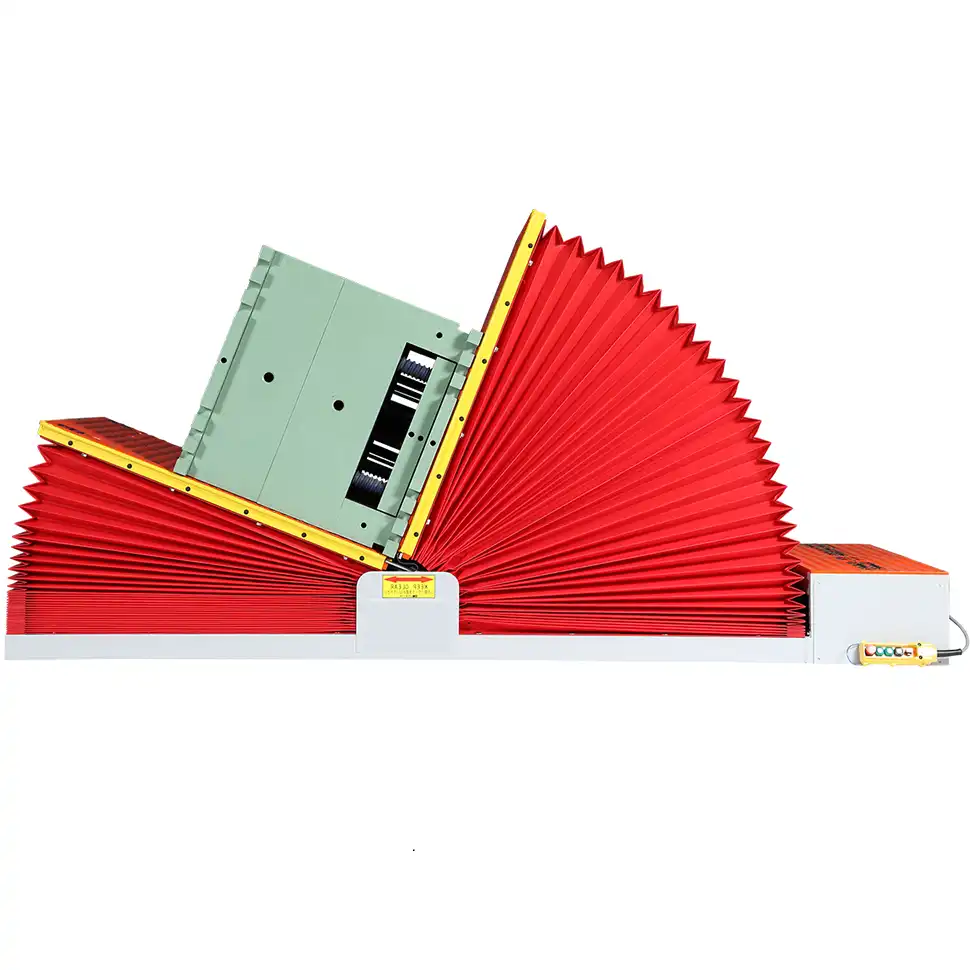
Understanding the “how” behind these savings is key. Let’s look closer at specific ways energy-efficient tilters can transform your operations. We will explore how smart power use, better durability, improved safety, and expert partnership all contribute to a more profitable future for your U.S. factory.
How Can Smart Power Consumption Lead to Significant Savings?
Are your current tilters draining your energy budget? Many older machines waste a lot of power. This inflates your monthly electricity bills. It creates an unnecessary financial burden on your operations. This inefficiency directly impacts your overall profitability.
Smart power consumption in modern tilters directly leads to significant cost savings. These machines use advanced technology to manage electricity more effectively. They only use the power they need for each task. This cuts down on wasted energy. It results in noticeably lower operating costs for your plant.
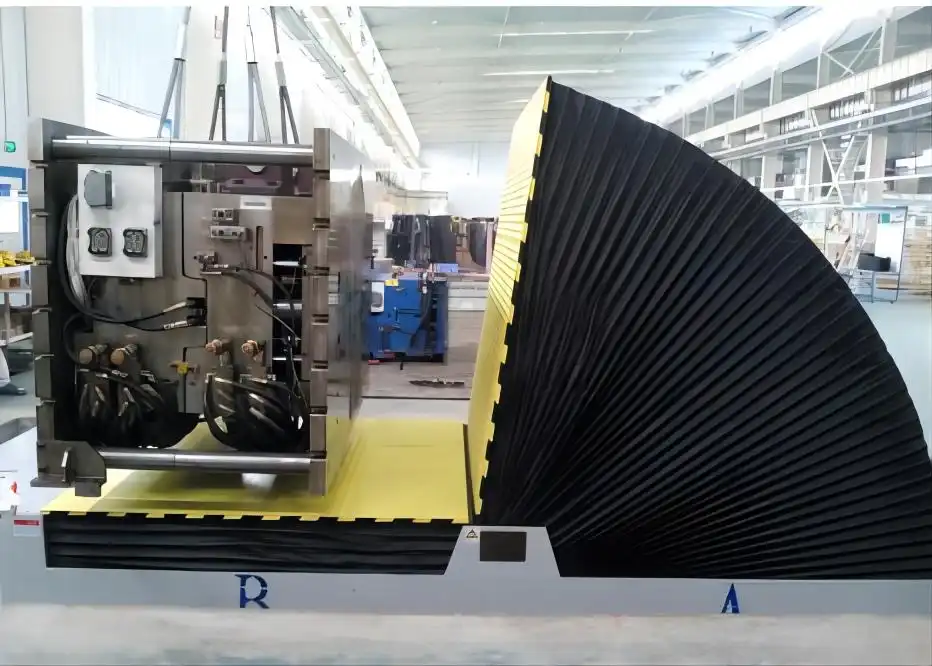
Let’s dive deeper into how smart power consumption makes a difference. Modern energy-efficient tilters come with key features designed to cut down on electricity use. One of the biggest advancements is the use of Variable Frequency Drives (VFDs). VFDs control the speed and torque of the electric motor. This means the motor only runs at the speed required for the load. Older machines often run at full speed all the time, even when not needed. This wastes a lot of electricity. A VFD can adjust the motor speed instantly. This can reduce power consumption by a large amount. For example, reducing motor speed by just 20% can cut power consumption by almost 50%. This creates real savings over time.
Another important feature is the use of highly efficient motors. These motors are designed to convert more electrical energy into mechanical energy. They lose less energy as heat. This makes them much more efficient than older, standard motors. Investing in a tilter with an IE3 or IE4 rated motor can provide long-term energy savings. These motors operate effectively under varying loads. This means they perform well across different tasks in your factory. They maintain efficiency whether they are flipping heavy molds or lighter coils.
Intelligent control systems also play a big part. These systems can optimize the tilter’s operation. They can put the machine into a low-power standby mode when not in use. They can also schedule maintenance based on actual usage. This prevents unnecessary running time. Some systems even include energy monitoring features. These features allow you to track power consumption in real-time. This helps identify and fix any areas of energy waste. This level of control gives you a clear picture of your energy use. It allows for continuous optimization. Reducing energy consumption is not just about cutting costs. It is also about running a smarter, more sustainable factory.
Why is Reduced Wear and Tear Crucial for Long-Term Cost Reduction?
Are your industrial tilters frequently breaking down? High wear and tear on machinery leads to constant repair bills. It also causes expensive production stops. These issues can disrupt your entire operation. They can severely impact your ability to meet deadlines and control costs.
Reduced wear and tear in energy-efficient tilters is crucial for long-term cost reduction. These machines are built with stronger materials and better engineering. They withstand demanding factory environments. This means fewer breakdowns, less need for parts, and much lower maintenance costs over the machine’s lifespan.
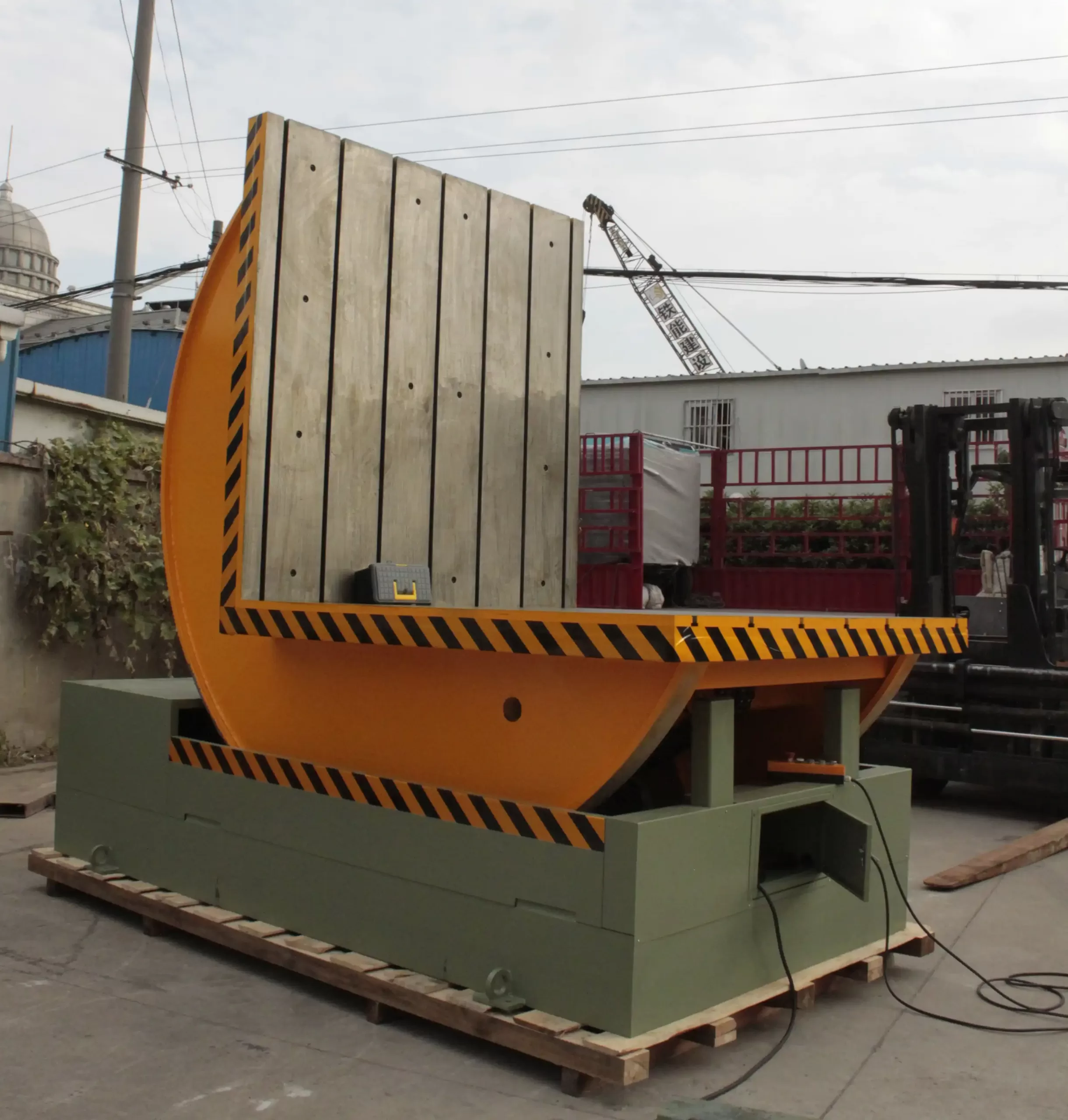
Let’s explore why reduced wear and tear is so important for your bottom line. Energy-efficient tilters are often designed with durability as a core principle. This goes hand in hand with efficiency. When components last longer, they need less replacement. This directly reduces material costs. It also reduces labor costs for repairs. Think about the heavy loads these machines handle, whether they are steel coils or large molds. The components must be robust.
These modern tilters use high-grade materials for critical parts. For example, strong steel alloys for frames and high-quality bearings for moving parts. These materials are chosen for their resistance to fatigue and corrosion. This extends the life of the machine. Precision engineering also plays a big role. Parts are manufactured to tight tolerances. This means they fit together perfectly. This reduces friction and stress on the system. Less friction means less heat buildup. It also means less energy is lost. This helps both efficiency and durability.
The design of the hydraulic and electrical systems also contributes to reduced wear. Smooth operation of hydraulic cylinders prevents sudden jolts. This protects the machine’s structure. Electrical components are often protected from dust and moisture. This prevents premature failure. When a machine operates smoothly and efficiently, its parts are less stressed. This extends their operational life. This reduces the frequency of unexpected breakdowns. Unplanned downtime is very expensive for any factory. It stops production. It can delay orders. It can even lead to penalties. A reliable tilter, built to resist wear, ensures your production line keeps moving. This stability is invaluable for long-term cost control and consistent output.
How Does Automation and Safety Contribute to Overall Cost Efficiency?
Do your current material handling processes rely too much on manual labor? This can be slow and dangerous. It also makes your factory less efficient. Manual handling of heavy items like coils or molds puts workers at high risk. It leads to injuries and higher insurance costs. This affects your profitability and employee morale.
Automation and improved safety features in modern tilters contribute significantly to overall cost efficiency. Automated tilters reduce the need for manual handling. This speeds up processes. It also greatly reduces the risk of accidents. This leads to lower labor costs, fewer injuries, and less product damage.
Let’s understand how automation and safety build cost efficiency. When I started FHOPEPACK, I saw firsthand the challenges factories faced. A major one was the reliance on manual handling for heavy materials. This was both slow and dangerous. Automated tilters solve this. They can flip or turn heavy objects quickly and safely. This frees up workers for other tasks. This increased speed at the end of the production line means products move out faster. This boosts overall factory throughput. Reduced labor requirements for these heavy tasks translate directly into lower operational costs. You need fewer people for the most dangerous parts of the process.
Safety improvements are equally vital for cost efficiency. Manual handling of heavy steel coils or molds carries extreme risks. Workers can suffer sprains, crushing injuries, or worse. Each incident leads to medical costs, lost work time, and potential increases in insurance premiums. Modern tilters are designed to minimize human interaction with the heavy load. They often come with safety features like light curtains, pressure sensors, and emergency stop buttons. These features prevent accidents. Some tilters have automatic clamping systems. These systems hold the load securely during the flip. This prevents slippage and damage to the product.
Reducing accidents has a ripple effect on costs. Fewer injuries mean lower healthcare costs for your company. It also means lower workers’ compensation claims. A safer workplace also leads to higher employee morale and lower turnover. When workers feel safe, they are more productive. Beyond human safety, these machines protect your valuable products. Damage to coils or molds during manual handling leads to costly scrap and customer complaints. Automated tilters perform these delicate operations with precision. This significantly reduces product damage. By improving both automation and safety, energy-efficient tilters deliver a strong return on investment. They do this by lowering labor costs, cutting injury-related expenses, and minimizing product loss.
What Role Does Expert Partnership Play in Maximizing Your ROI?
Are you tired of equipment suppliers who only care about making a sale? It’s frustrating when you invest in new machinery, but the supplier doesn’t understand your real factory problems. This often leaves you with solutions that don’t quite fit. It means you don’t get the most out of your investment.
Expert partnership is key to maximizing your return on investment (ROI) when buying a tilter. Working with a vendor like FHOPEPACK, founded by someone with deep factory experience, means you get more than just a machine. You get a partner who truly understands your operational bottlenecks and safety needs. This leads to solutions that genuinely solve your problems and boost your business.
Let me share my insights on the importance of an expert partner. My journey began as an employee in a packing machine factory. I learned the ropes from the ground up. I saw firsthand the challenges on the factory floor: the tight margins, the pressure to increase output, the constant need for reliable equipment. Later, I built my own successful packing machine factory. This experience gave me a deep understanding of what it takes to run a profitable operation. It also showed me the true value of reliable machinery and smart solutions.
Because of this journey, I achieved financial independence. I also helped many of my clients grow their businesses. Now, through FHOPEPACK, I want to give back. I want to share that expertise. For me, it’s not just about selling a tilter. It’s about understanding your specific factory. It’s about listening to your challenges. Are you struggling with efficiency bottlenecks? Do you have safety concerns with heavy material handling? Are you losing product due to poor internal transfers? I have faced these same issues myself. I know the feeling of needing a durable, efficient machine that won’t let you down.
An expert partner like FHOPEPACK helps you beyond the purchase. We can assess your current setup. We can identify the exact points where an energy-efficient tilter will make the biggest impact. This means we help you choose the right model. We ensure it integrates seamlessly into your existing lines. We also focus on the long-term. This includes reliable after-sales support and ongoing advice. We want to ensure your investment continues to pay off year after year. This level of partnership is what Michael Chen, a factory manager, truly seeks. He wants someone who understands his production bottlenecks and can offer reliable solutions. This shared understanding leads to a higher ROI. It turns a simple machine purchase into a strategic business decision.
How Do U.S. Regulations Influence the Need for Energy-Efficient Tilters?
Are you aware of the growing pressure from U.S. regulations on industrial energy use? Increasingly strict environmental standards and energy efficiency mandates are changing how factories operate. Ignoring these can lead to fines. It can also damage your company’s reputation.
U.S. regulations directly influence the need for energy-efficient tilters. These machines help factories comply with stricter energy consumption rules. They also contribute to a greener operation. This reduces regulatory risks. It can also open doors to potential incentives. This makes energy-efficient equipment a smart choice for long-term compliance and competitive advantage.
Let’s examine how U.S. regulations impact the demand for energy-efficient tilters. In the United States, there is a clear trend toward stricter energy efficiency standards across all industries. Federal agencies, like the Department of Energy (DOE), set minimum efficiency levels for various types of industrial equipment. States also have their own regulations. For example, California often leads with more stringent environmental and energy consumption laws. These regulations aim to reduce overall energy consumption. They also aim to lower greenhouse gas emissions. For factory managers, this means there is growing pressure to upgrade old, inefficient machinery.
Using energy-efficient tilters helps your factory meet these regulatory requirements. This avoids potential penalties. It also demonstrates your company’s commitment to sustainability. This can be important for public relations. It can also be important for attracting environmentally conscious customers. Many businesses are now prioritizing suppliers who show environmental responsibility. Investing in energy-efficient equipment aligns your factory with these broader national goals.
Beyond compliance, there can be financial benefits. The U.S. government and various state programs sometimes offer incentives for businesses that invest in energy-efficient equipment. These can include tax credits, grants, or rebates. These incentives can significantly reduce the upfront cost of purchasing a new tilter. This makes the switch to energy efficiency even more attractive. For example, some programs might offer credits for specific motor types or control systems. This support helps accelerate the return on investment for new machinery. By adopting energy-efficient tilters, U.S. factories not only reduce operating costs but also position themselves as forward-thinking and compliant businesses in a changing regulatory landscape. This strategic advantage can lead to better market positioning and long-term success.
Conclusion
Energy-efficient tilters cut costs through smart power use, less wear, and improved safety. They offer a strong ROI for U.S. factories. Partnering with experts ensures long-term success and growth.








