
How Does Energy-Efficient Hydraulics Reduce Expenses for Italian Coil Upenders?
Are you a factory manager dealing with constant pressure to cut costs, boost output, and keep your workers safe? Do you see your current coil and wire packing process as a slow, risky bottleneck? If so, you are not alone. Many businesses, including those in Italy, face these exact struggles. Downtime, high energy bills, and worker injuries can quickly eat into your profits.
Energy-efficient hydraulic systems for coil upenders directly cut down your factory’s costs. They achieve this by using power only when needed, reducing wasted energy. This leads to lower electricity bills, less wear and tear on machines, and fewer breakdowns. Ultimately, this means more reliable operations and bigger savings for businesses using them.
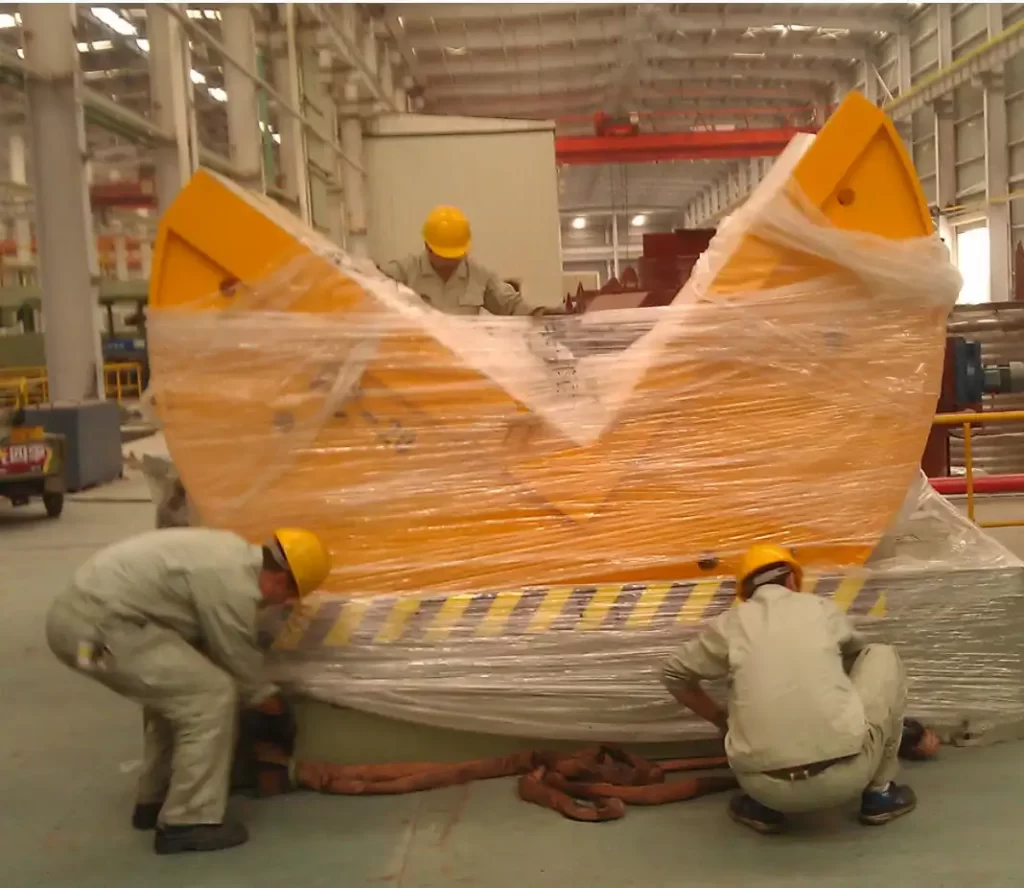
I have seen countless factories struggle with old, inefficient equipment. I know the pain of unexpected breakdowns and the constant drain of high energy costs. But there is a better way. Let us look closer at how modern hydraulic technology can help you solve these problems and bring real savings to your business.
How Does On-Demand Power Saving Cut Your Energy Bills?
Do your machines run at full power all the time, even when they are not doing heavy work? This wastes a lot of electricity. Think about a car always revving its engine, even when sitting at a stop light. It uses fuel for no reason. This old way of doing things costs you money every hour.
On-demand power saving cuts your energy bills because the hydraulic system only uses the energy it needs, exactly when it needs it. Instead of running a pump at full speed constantly, these smart systems adjust their power output based on the actual work being done. This means less wasted electricity and lower monthly energy statements.

Traditional hydraulic systems use fixed-displacement pumps. These pumps deliver a constant flow of oil, no matter how much force the upender needs. When the upender is holding a coil, or not moving, the pump still works hard. It sends oil through a relief valve, which simply dumps the excess pressure and heat back into the tank. This process generates a lot of heat and wastes a lot of energy. It is like driving a car with your foot constantly on the gas and the brake at the same time. The engine works hard, but you do not go anywhere efficiently. This wasted energy shows up directly on your electricity bill.
Newer, energy-efficient hydraulic systems use variable frequency drives (VFDs) and variable displacement pumps. These technologies are much smarter. A VFD controls the electric motor that drives the pump. It can slow the motor down when the upender is not lifting or tilting a heavy coil. When the upender needs full power to move a heavy load, the VFD speeds up the motor. This means the pump only produces the exact amount of flow and pressure required. This stops the excess oil from flowing through a relief valve, which means almost no wasted energy. For factories in places like Italy, where energy prices can be high, this change can lead to big savings. For instance, if an upender operates for eight hours a day, five days a week, a 30% reduction in power consumption can add up to thousands of Euros saved over a year. It is a simple concept, but it makes a huge difference in your bottom line. We have seen firsthand how much this impacts our clients. They notice the difference in their bills right away. This approach is not just about being “green;” it is about being smart with your money.
How Does Reduced Wear and Tear Lower Your Maintenance Costs?
Is your factory constantly dealing with hydraulic fluid leaks, overheating pumps, or worn-out seals? These problems lead to costly repairs and frequent replacement of parts. Every time a machine breaks down, it stops your production, and that means lost money.
Energy-efficient hydraulic systems lower your maintenance costs because they operate at cooler temperatures and with less stress on their components. When a system does not run at full power all the time, it generates less heat. Less heat means that the hydraulic fluid lasts longer, seals do not break down as quickly, and pumps and motors experience less wear.

Think about an old car engine that constantly runs hot. Parts wear out faster, and you need more frequent oil changes and repairs. Hydraulic systems are similar. High temperatures break down hydraulic fluid. This causes it to lose its lubricating properties and become thicker, making the pump work even harder. This creates a cycle of increased wear. Also, heat causes seals to harden and crack, leading to leaks. These leaks not only mean wasted fluid but also create safety hazards on the factory floor. When I started my own factory, I learned quickly how critical it was to keep maintenance costs low. Every repair was a hit to our budget. We learned that investing in equipment that reduces wear means less money spent on spare parts and less time spent on repairs.
Here is a simple look at how efficiency impacts component life:
| Component | Traditional Hydraulic System | Energy-Efficient Hydraulic System | Impact on Maintenance Costs |
|---|---|---|---|
| Hydraulic Fluid | Degrades faster due to heat | Lasts longer, less degradation | Fewer fluid changes, lower waste disposal costs |
| Seals | Harden, crack faster | Maintain integrity longer | Fewer leaks, less frequent seal replacement |
| Pump/Motor | Constant high stress, overheating | Variable stress, cooler operation | Longer lifespan, fewer breakdowns |
| Filters | Clog faster due to fluid breakdown | Remain cleaner longer | Less frequent filter replacement |
By reducing the overall stress and heat within the system, energy-efficient hydraulics extend the life of almost every component. This translates directly into less money spent on replacement parts and fewer hours spent by your maintenance team fixing things. For a factory manager like Michael, who needs durable equipment that can handle tough environments, this reliability is priceless. It means more uptime, more production, and a healthier bottom line. Less worrying about machine failure means more focus on production goals.
How Does Enhanced Safety and Reliability Boost Your Production?
Are your workers still manually handling heavy coils or struggling with outdated, unpredictable machinery? This not only slows down your production but also puts your team at high risk of injury. Every incident costs money in medical bills, insurance, and lost work time.
Energy-efficient hydraulic systems enhance safety and reliability, which directly boosts your production. Modern systems offer smoother, more controlled movements, reducing the risk of sudden jerks or drops that can cause product damage or worker injury. Their inherent stability means fewer unexpected shutdowns, keeping your production line moving.

In many factories, the process of turning over heavy steel coils or wire bundles is still highly manual. This is a huge safety risk. Workers might use forklifts and chains, or even crowbars, to try and flip these heavy items. One slip, one wrong move, and someone can get seriously hurt. When I built my factory, safety was always a top priority. I saw firsthand how much a single accident could cost a company, not just in money, but in morale and trust. An automated coil upender removes the need for human hands to be near the heavy, moving parts. It handles the full weight with precision.
Energy-efficient hydraulic upenders offer several safety advantages. Their precise control means the coil moves smoothly and predictably. There are no sudden drops or uncontrolled swings. This reduces the chance of the coil slipping or falling, which could injure workers or damage the product. Also, because these systems are more reliable, they break down less often. Fewer breakdowns mean fewer times workers need to go into dangerous areas to fix machinery. It also means less time spent troubleshooting and more time spent producing. For Michael, dealing with high injury risks and product damage, this level of control and reliability is a game-changer. It helps his factory meet strict safety regulations and reduce high insurance costs tied to workplace accidents. A reliable machine is one that works day in and day out, helping you meet your production targets without unexpected stops. This consistent performance directly leads to higher output and smoother operations.
My Insights!
Over my many years in the packing machine industry, from starting as a factory employee to building FHOPEPACK, I have learned one big truth: the right equipment is not just a cost, it is an investment. I have met so many factory managers, much like Michael, who are under immense pressure. They need to increase output, cut costs, and ensure their teams are safe. I remember one client who was constantly losing money because of damaged steel coils during handling. Their old system was slow and rough. They thought replacing it would be too expensive. But when we showed them the clear return on investment of an energy-efficient upender, they saw the light.
It was not just about the machine; it was about understanding their entire production line. It was about seeing how every bottleneck, every safety risk, and every wasted kilowatt-hour of energy added up to big losses. I have built a business around sharing this knowledge because I am so grateful for the opportunities this industry gave me. My goal is to help others succeed. Investing in energy-efficient hydraulics for your coil upenders is not just a technical upgrade. It is a strategic move. It is about building a safer workplace, reducing your environmental footprint, and most importantly, making your factory more profitable. It is about having a partner who truly understands your challenges and can offer solutions that work, not just sell you a machine. When you focus on efficiency and reliability, you are not just buying equipment. You are buying peace of mind and a stronger future for your business.
Conclusion
Energy-efficient hydraulics cut expenses for coil upenders by reducing energy use, lowering maintenance, and boosting safety. This leads to higher profits and a more reliable factory operation.








