
How Does an Orbital Wrapping Machine Protect Long Steel Pipes and Aluminum Profiles During Transport?
Have you ever worried about your valuable long steel pipes or aluminum profiles getting damaged during transit? The thought of scratched surfaces, bent edges, or even rust before they reach your customer is a common nightmare for factory managers. These issues do not just look bad. They cost money, time, and damage your company’s reputation. Finding a reliable way to secure these products is not just a good idea; it is a business essential.
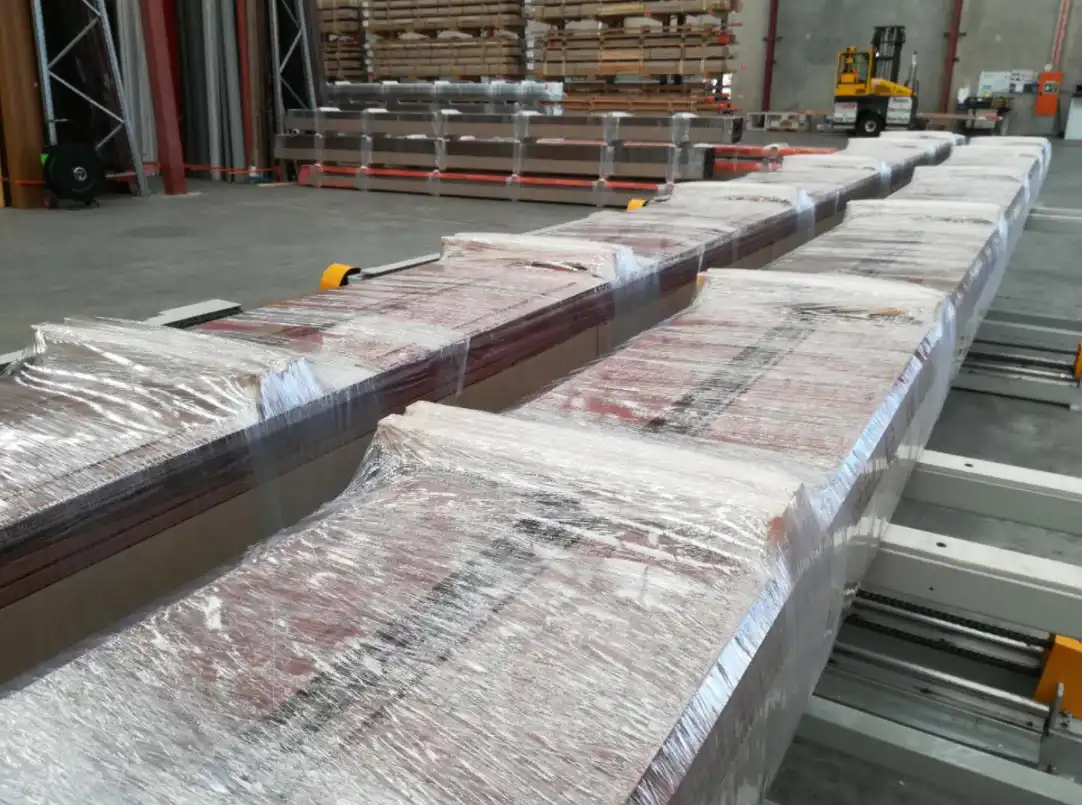
An orbital wrapping machine protects long steel pipes and aluminum profiles by creating a tightly wrapped, fully enclosed package using stretch film. This process secures the product, prevents movement, and forms a barrier against external elements like moisture, dust, and physical abrasions during handling and transportation. It gives a consistent, strong layer of protection that manual methods cannot match.
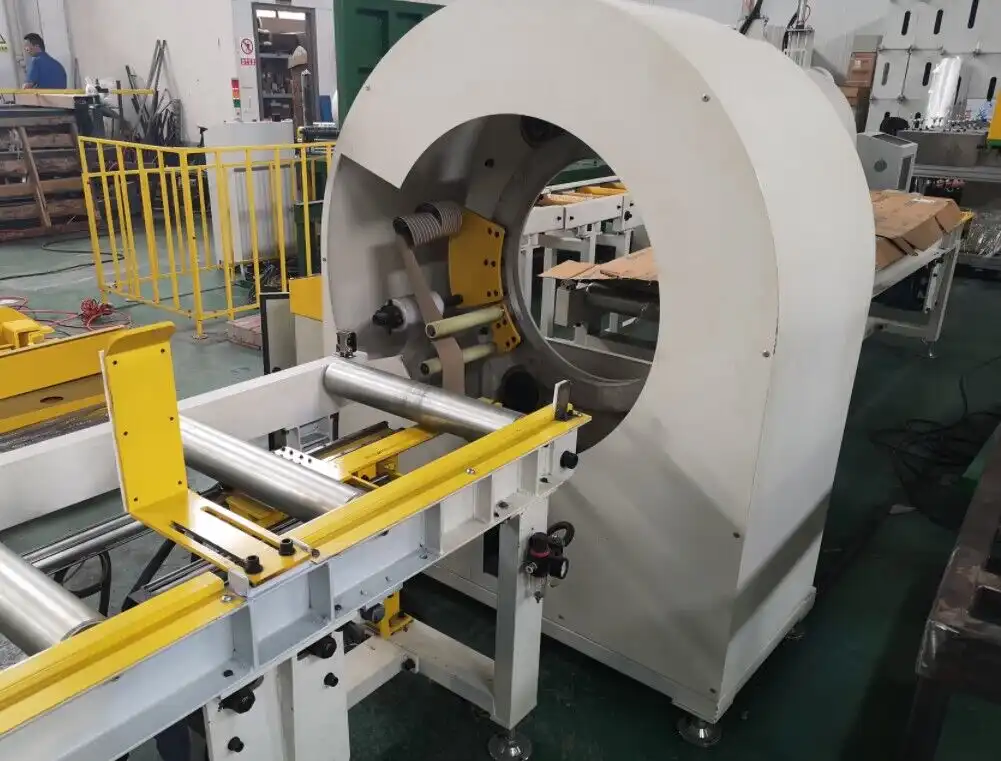
Many factory leaders, just like Michael in Mexico, struggle with these exact challenges. They want to cut down on product damage and boost efficiency. If you are looking to keep your products safe and improve your entire packing process, keep reading. We will explore how orbital wrapping machines can be your most trusted partner in achieving these goals.
Why Are Current Packing Methods a Problem for Long Metal Products?
Do your current packing methods feel slow, unsafe, or even wasteful? Many factories, especially those dealing with long metal products like steel pipes or aluminum profiles, face big issues with their old ways of packaging. These methods often lead to more problems than solutions. This can cost you money and cause headaches for your team.
Current packing methods for long metal products often rely on manual labor. This makes them slow and inefficient. Workers handle heavy and awkward items, which increases safety risks. It also causes damage to products during packing and transport. These older methods simply cannot keep up with modern production needs or safety standards.
My journey in the packing machine industry taught me this early on. I started on the factory floor. I saw first-hand the challenges workers faced. Heavy steel coils and long profiles needed securing. But the manual process was tough. It was slow. It was dangerous. Here at FHOPEPACK, we understand these real-world problems. We know that inefficient packing impacts your whole operation.
The Hidden Costs of Manual and Outdated Packaging
Relying on old packing methods can seem cheaper at first. But, in reality, it creates many hidden costs. These costs eat away at your profits. They also make your factory less competitive. Let us look at some of these issues.
- Slow Production Speed:
- Manual wrapping takes a lot of time. Workers must move around long, heavy items. This slows down the end of your production line.
- This bottleneck means your finished products wait longer. It delays shipping. This hurts your delivery times.
- For factories in Mexico and across Latin America, fast delivery is key for customer satisfaction.
- Increased Safety Risks:
- My experience showed me that manual handling of large metal items is risky. Workers lift, carry, and wrap heavy pieces.
- This work can cause injuries. Common problems include back strains or crushed limbs.
- High injury rates lead to higher insurance costs. They also cause staff turnover. This makes finding and training new workers a constant challenge. A safe workplace is a productive workplace.
- Product Damage and Loss:
- During manual packing, products are exposed. Sharp edges of steel pipes or delicate surfaces of aluminum profiles can get scratched. They can bend. They can get dirty.
- Movement during transport makes this worse. Poorly secured loads shift. This leads to more damage.
- Damaged products mean customer complaints. They mean returns. This impacts your bottom line. It also harms your reputation as a quality supplier. I have seen clients lose big contracts because of consistent product damage during transit.
- High Labor Costs and Inconsistency:
- Manual wrapping needs many workers. These are ongoing labor costs.
- The quality of wrapping can vary greatly. One worker might wrap tightly. Another might not. This causes inconsistent protection.
- Automated solutions offer consistent quality. They reduce the need for many hands. This saves money in the long run.
- Thinking about return on investment (ROI) is important here. What seems like an upfront cost for automation quickly turns into savings.








