
How does an orbital stretch wrapper reduce dust and moisture risks in Iran?
Are you tired of seeing your valuable steel coils and wire rods arrive at their destination damaged by dust and moisture? I know this problem well. Many factory managers, especially in places like Iran, face constant battles against harsh elements. It costs you money, hurts your reputation, and causes endless headaches. Imagine the frustration: you put so much effort into production, only for the final packaging to fail. This leads to customer complaints, wasted materials, and often, arguments over who is responsible. It is not just about a dirty product; it is about lost profits and a tarnished brand image. What if there was a clear, effective way to put an end to these packaging problems? A solution that consistently protects your products and brings peace of mind?
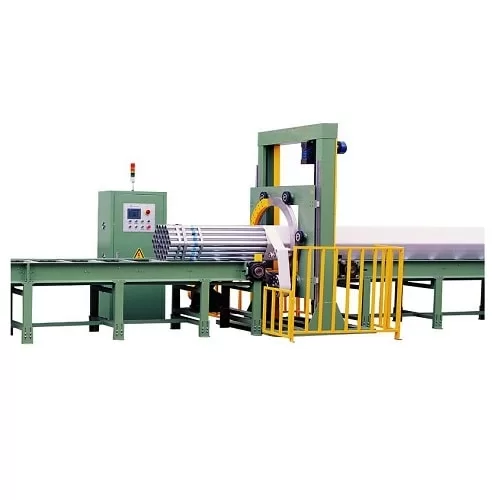
An orbital stretch wrapper significantly reduces dust and moisture risks by creating a tightly sealed, multi-layered barrier around products like steel coils and wire rods. This specialized machine wraps horizontally, ensuring every surface, especially the vulnerable edges and open ends, is fully covered and protected. The continuous film application prevents ingress of airborne particles and moisture, which is vital in challenging environments like Iran.
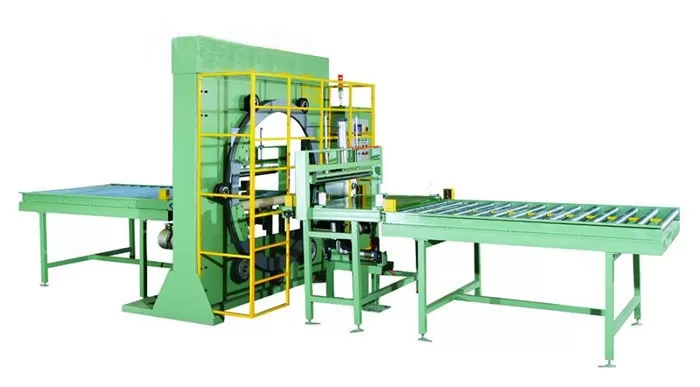
As someone who has built a successful packing machine factory from the ground up, I have seen first-hand the impact that proper packaging makes. It is not just about a machine; it is about securing your product, your business, and your future. Let us dive deeper into how this technology works and why it is a game-changer for factories facing tough conditions.
How do traditional packing methods fail against dust and moisture?
Are you still relying on manual wrapping, tarps, or simple plastic sheeting for your heavy goods? I often see factories struggling with methods that seem cheap at first but end up costing more. These old ways leave your products vulnerable. Think about it: every gap, every loose flap, every poorly secured corner is an open invitation for dust, rain, and humidity to damage your valuable inventory. In places like Iran, with its varied climate, this is a daily risk. This leads to rusty surfaces, corroded parts, and product rejection, eroding your profits piece by piece. We need to understand why these traditional methods fall short before we can fully appreciate a better way.
Traditional packing methods often fail against dust and moisture because they lack the tight, consistent, and full enclosure offered by automated systems. Manual wrapping creates uneven coverage and gaps. Simple sheeting or tarps can easily shift, tear, or allow moisture to seep underneath. This leaves products, especially complex shapes like steel coils and wire rods, exposed to environmental damage, leading to degradation and economic losses for the factory.
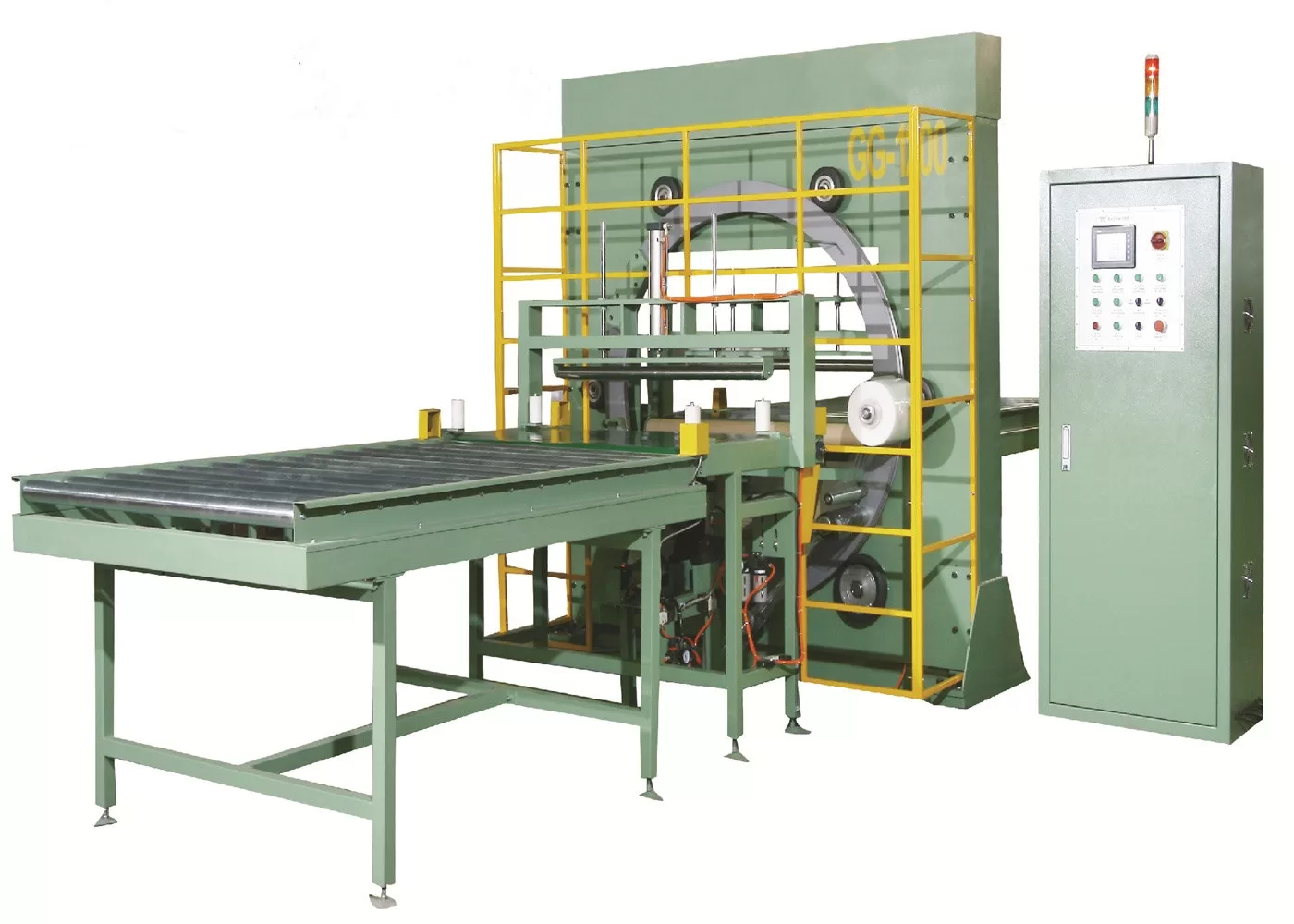
When I first started in the packing machine industry, I saw many factories, even successful ones, making big mistakes with their packaging. They often thought of packaging as an afterthought. It was just something you did before shipping. This mindset costs them dearly. Traditional methods, while seemingly simple, carry hidden costs and risks.
For example, using stretch film by hand seems easy. But it is not.
The Limits of Manual Wrapping
Manual wrapping is slow. Workers need to walk around large coils or bundles, pulling film. This is physically demanding. It also creates inconsistent wraps. One side might be tight, another loose. This means dust and moisture can find their way in. In my old factory, we tried this for a while. We saw that even our best workers could not achieve perfect, consistent seals every time. This led to quality control issues.
Another common problem is the use of basic covers or bands.
Why Simple Covers Are Not Enough
Simple plastic covers or bands might hold items together. But they do not seal them. They act like a loose blanket. Dust particles are very small. Water vapor can get through tiny openings. Imagine a fine sandstorm or a humid day. These elements get under the cover. They then start to corrode the metal. This is a big problem for products like steel. The surface quality is key. Any damage means a lower price or even rejection.
Consider also the risk of product damage during handling.
Product Damage During Transit
Even if the wrapping seems okay, manual handling often causes issues. Workers lift and move heavy coils. They might bump them. The packaging might snag or tear. This exposes the product. Then, dust and moisture can get in easily. I once saw a coil where the packaging ripped during loading. A small tear became a big problem when it rained during transit. The customer refused the shipment. These are the kinds of problems I learned to solve.
Traditional methods are also dangerous for workers.
Safety Risks and Labor Costs
Manual wrapping involves heavy lifting and repetitive movements. This leads to injuries. Back pain, strains, and cuts are common. This increases insurance costs. It also leads to staff turnover. A factory manager like Michael needs to keep his team safe. He also needs to control labor costs. Manual packaging solutions fail on both these points. They are not efficient. They are not safe. They do not protect the product well enough for today’s demanding market. We need a better approach.
What makes orbital stretch wrappers so effective at sealing out harsh elements?
You understand the weaknesses of old packing methods. But how can a machine truly solve the problem of dust and moisture? Many people wonder what makes these wrappers so special. Without a clear understanding, choosing the right equipment feels like a gamble. You might buy something that promises protection but still lets the elements in. This wastes your money and time. You need a reliable answer. Let me explain the core reasons why orbital stretch wrappers are a powerful shield against even the toughest environmental challenges.
Orbital stretch wrappers are effective at sealing out harsh elements due to their unique horizontal wrapping mechanism and precise film application. They create a continuous, overlapping, and tensioned film layer around the product, sealing all sides. The film’s elasticity and self-adhesion ensure a tight, impenetrable barrier against dust, dirt, and moisture. This method is superior because it fully encapsulates the product, unlike less advanced systems.
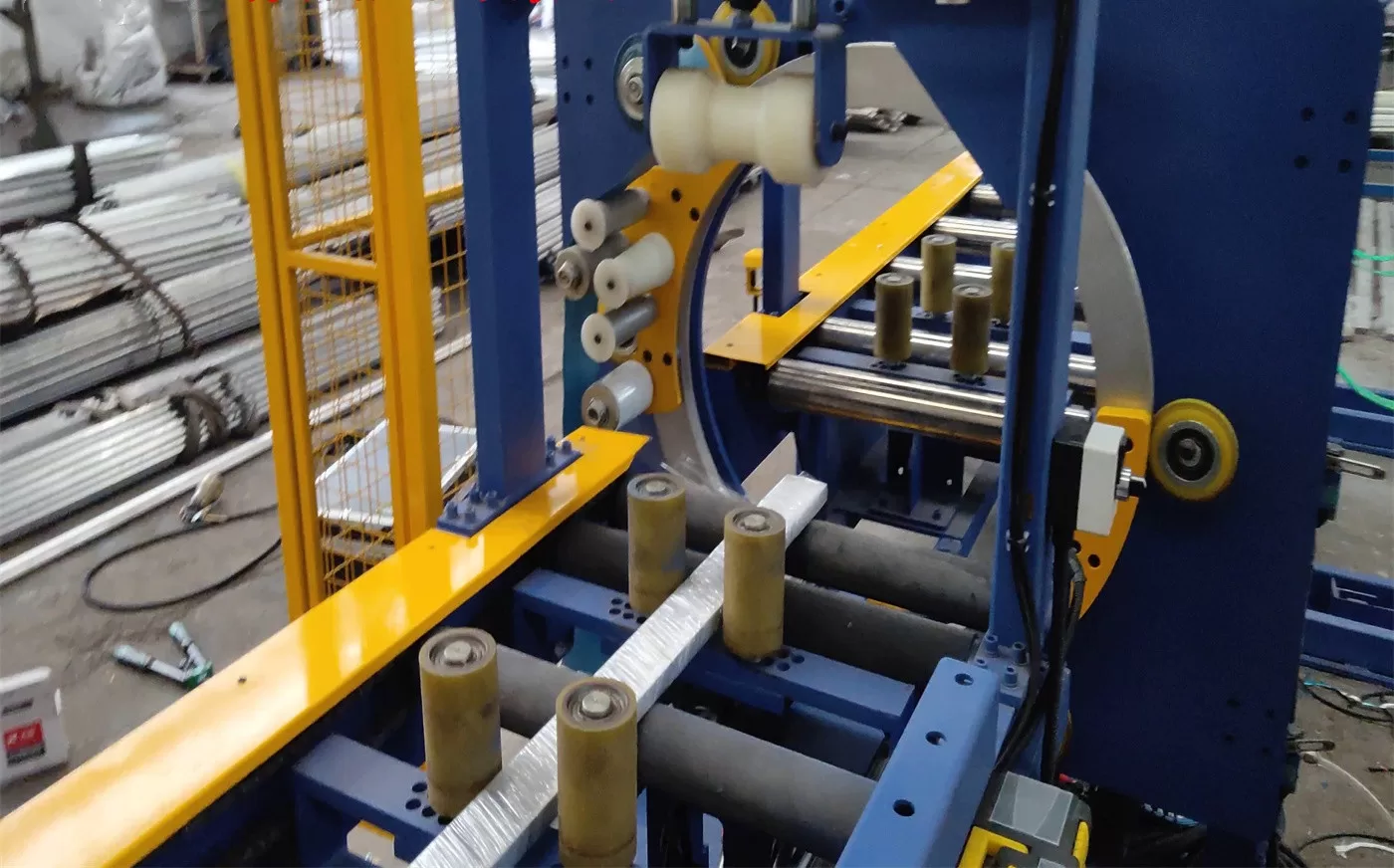
From my years in the packing machine industry, I have seen many technologies come and go. The orbital stretch wrapper stands out because it solves a fundamental problem: how to fully protect long, bulky, or circular products. Its design is simple yet brilliant.
Let me break down what makes it so good.
How the Orbital Motion Works
The heart of an orbital wrapper is its rotating ring. This ring holds the stretch film. As the product passes through the center of this ring, the film rapidly wraps around it. The machine applies film horizontally. This is different from vertical pallet wrappers. For items like steel coils, pipes, or wire bundles, this horizontal motion is key. It ensures every part of the circumference is covered. There are no exposed top or bottom surfaces. The machine moves the film carriage in an “orbit” around the product. This creates a continuous spiral wrap. This spiral pattern builds up layers of film. Each layer overlaps the last. This forms a very strong barrier.
Think about the film itself.
The Power of Stretch Film
The stretch film used is not just any plastic. It is a specialized, highly elastic material. When stretched, it creates tension. This tension pulls the film tight against the product. This removes air pockets. It also prevents the film from sagging or flapping. The film also has a natural tackiness. This means each layer sticks to the next. This creates a solid, laminated barrier. Dust cannot penetrate it. Water cannot seep through the sealed layers. This is especially important for metal products. Even a small amount of moisture can lead to rust.
Consider how this applies to various products.
Versatility for Different Products
Orbital wrappers are not just for coils. They handle many shapes. They wrap long profiles, lumber, or even furniture components. For steel products, this versatility is a huge advantage. Whether it is a large steel coil, a bundle of rebar, or a spool of wire, the orbital wrapper adapts. It provides the same high level of protection. In my early days, I saw factories trying to wrap these different items manually. It was always a struggle. The orbital wrapper gives a consistent result every time. This consistency is what factory managers like Michael need. It means fewer rejections and happier customers. It is a reliable solution for tough industrial environments like those in Iran.
Beyond protection, how do these machines boost factory efficiency and safety?
Protecting your products from dust and moisture is crucial. But modern factories need more than just good packaging. They need solutions that also improve operations. Are you looking for ways to cut costs and make your workplace safer? Manual packing processes are not only inefficient but also dangerous. High labor costs, slow production, and frequent worker injuries drain your resources. These issues hold back your factory’s growth and profitability. An orbital stretch wrapper does much more than just protect. It transforms your entire end-of-line process.
Orbital stretch wrappers boost factory efficiency by automating the packing process, drastically increasing throughput compared to manual methods. They save labor costs and reduce material waste. From a safety standpoint, these machines eliminate the need for workers to manually handle heavy or awkward items for wrapping, greatly reducing the risk of injuries. This automation creates a safer and more productive work environment.
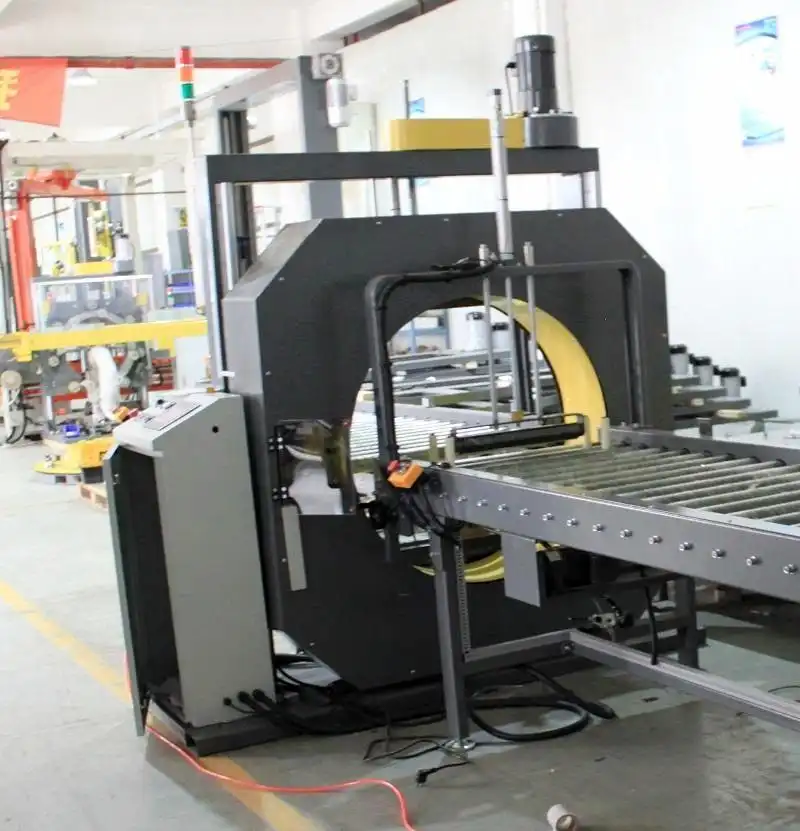
When I was running my own factory, I learned that every minute and every person counted. Automation was not just a luxury; it was a necessity for staying competitive. Orbital stretch wrappers offer clear benefits in terms of both efficiency and safety, which directly impacts a factory’s bottom line.
Let us look at efficiency first.
Significant Increases in Throughput
Manual wrapping is slow. A worker can only wrap a few coils per hour. An orbital stretch wrapper can wrap many more, often dozens, depending on the machine and product size. This dramatically speeds up the end of the production line. I remember a client who struggled to meet delivery deadlines because of their slow packing process. After installing an orbital wrapper, their packing time dropped by 70%. This meant they could process more orders. This increased their revenue. This is a direct impact on profitability. It solves the efficiency bottleneck Michael faces.
Then there is the matter of labor costs.
Reduced Labor and Material Costs
| Automating the wrapping process means fewer workers are needed for this specific task. Those workers can then be assigned to other, more valuable jobs within the factory. This optimizes labor use. Also, orbital wrappers apply film very consistently. They use only the amount of film needed. This reduces material waste. Manual wrapping often uses too much film. Or it uses too little, leading to damage. With a machine, you get optimal film usage every time. This leads to cost savings on materials over the long run. | Cost Factor | Manual Wrapping | Orbital Wrapper | Benefit |
|---|---|---|---|---|
| Labor Hours | High | Low | Significant Savings | |
| Film Waste | Variable/High | Low/Consistent | Reduced Material Costs | |
| Product Damage | High | Low | Fewer Rejections | |
| Throughput | Low | High | Increased Production |
Now let us talk about safety.
A Safer Workplace
This is a huge one for me. As a factory owner, I always prioritized my employees’ safety. Manual wrapping of heavy items like steel coils is very dangerous. Workers have to bend, lift, and maneuver around large, unstable loads. This causes strain and accidents. An orbital wrapper takes the human element out of the direct wrapping process. The product moves on a conveyor. The machine does all the wrapping. Workers supervise the process from a safe distance. This drastically lowers the risk of injuries. It means fewer missed workdays. It means lower insurance premiums. It also means a happier, more secure workforce. For a factory manager like Michael, improving worker safety is not just good practice; it is essential for business. It is a responsible way to manage a factory.
Why is choosing the right packing partner crucial for long-term success?
You are ready to invest in advanced packing solutions. But the market is full of suppliers. How do you pick the right one? I have seen many factories make the wrong choice. They end up with unreliable machines and no support. Buying a machine is not like buying a simple tool. It is a long-term investment. If your supplier offers poor service or sells you the wrong machine, you face more downtime, costly repairs, and ongoing frustration. This wastes your capital and delays your progress. Choosing the right partner, one who understands your needs and supports you, is just as important as the machine itself.
Choosing the right packing partner is crucial for long-term success because it ensures you get not just a machine, but a complete, reliable solution. A good partner offers expert advice, high-quality equipment, and robust after-sales support. This prevents costly downtime, ensures proper installation and training, and provides ongoing maintenance. Without a trusted partner, factories risk purchasing unsuitable machines and facing a lack of critical support, leading to operational inefficiencies and financial losses.
My journey in the packing machine industry taught me this lesson very clearly. When I started my factory, I learned that a machine is only as good as the company behind it. I’ve heard stories, and seen it myself, where companies buy a shiny new machine, only for it to break down. Then they cannot get parts or help. This is a nightmare for any factory.
Let us explore what a good partner brings.
Deep Industry Knowledge and Tailored Solutions
A truly helpful supplier does not just sell machines. They understand your industry. They know the challenges you face. For instance, in Iran, dealing with specific environmental factors is key. A good partner will ask about your product types, your throughput needs, and your factory layout. They will offer a solution tailored to you. They do not just push a standard product. They offer professional insights. This is what Michael is looking for. He wants someone who can understand his production bottlenecks and safety concerns. This kind of expertise ensures the equipment truly solves your problems.
Then there is the issue of quality and reliability.
Quality Equipment and Reliability
I believe in building machines that last. That is what FHOPEPACK stands for. A reliable partner supplies high-quality, durable equipment. These machines must withstand the harsh environment of a metal processing factory. They need to work day in and day out without constant breakdowns. Low-quality machines mean frequent repairs and unexpected costs. This completely negates any efficiency gains. I always focused on engineering robust equipment because I knew what factory life was like. You need machines you can count on.
Consider also the critical aspect of support.
Comprehensive After-Sales Support
What happens after you buy the machine? This is where many suppliers fail. A good partner provides excellent after-sales support. This includes:
- Installation and Training: Proper setup and training for your team ensure the machine runs well from day one.
- Maintenance and Parts: Easy access to spare parts and technical support for regular maintenance or unexpected issues.
- Troubleshooting: Quick help when problems arise to minimize downtime.
I once worked with a supplier who sold us a machine and then disappeared. When we had a problem, it took weeks to get help. This taught me a valuable lesson. When I built FHOPEPACK, I made sure we would always be there for our clients. Michael has faced suppliers who are only focused on sales. He needs someone he can trust. That trust comes from consistent support. It ensures your investment continues to pay off year after year.
What are my personal insights on investing in advanced packing solutions?
You have seen the benefits of orbital stretch wrappers. But investing in new technology can feel like a big step. Perhaps you are wondering if the return on investment is truly worth it for your factory. Many factory managers hesitate because of the upfront cost. They fear making a wrong decision that could hurt their business. This fear can keep them stuck with outdated, inefficient, and unsafe methods. From my own experience, I can tell you that investing wisely in advanced packing solutions is one of the best decisions you can make for long-term growth and profitability.
From my personal insights as a packing machine engineer who started as an employee and then built a successful factory, investing in advanced packing solutions like orbital stretch wrappers is not just an expense, but a strategic move. I have seen how such investments lead to financial independence for me and growth for my clients. They directly improve safety, cut operational costs, reduce product damage, and boost overall efficiency, ensuring a strong return on investment and a competitive edge in the market.
My journey began as an employee in a packing machine factory. I saw the challenges workers faced. I also saw the pressure on managers to meet targets. Later, when I built my own factory, these early experiences shaped my vision. I understood that smart investments in machinery were not just about buying equipment. They were about building a stronger business. They were about creating better lives for employees and serving customers better. This is why I stress the value of automated packing.
The Real Cost of Doing Nothing
Many people focus only on the price tag of a new machine. But what about the cost of sticking with old ways? For Michael, this means ongoing manual labor costs, high risks of worker injury, and frequent product damage. These hidden costs add up. They eat into profits every single day. I learned that sometimes, the most expensive choice is to do nothing at all. Investing in a machine like an orbital wrapper might seem like a big sum. But its return on investment (ROI) is often very clear and quick. It comes from reduced labor, fewer damaged goods, and increased output.
How I Achieved Financial Independence (And Helped Clients)
When I made the decision to invest in better processes and technologies for my own factory, it changed everything. We could produce more. Our products were safer during transit. Our workers were happier and more productive. This led to increased profits. This allowed me to grow my business. It also led me to financial independence. I realized I could help others do the same. I shared my knowledge with clients. I helped them choose the right machines. I showed them how to optimize their packing lines. Seeing their businesses grow, seeing them achieve their own success, was a huge reward. This is why I founded FHOPEPACK. I want to share this knowledge.
Looking Beyond the Machine: A Partner for Growth
My experience taught me that success is not just about the best machine. It is also about the right mindset. It is about viewing equipment as a tool for growth. It is about finding a partner who understands your challenges. A partner who shares your vision for efficiency and safety. Someone who can offer real solutions and support. I believe in giving back to the industry that gave me so much. This means sharing insights that go beyond just specifications. It means providing guidance based on real-world factory experience. When you invest in FHOPEPACK, you are not just getting a machine; you are gaining a partner who has walked in your shoes. We understand the pressures you face. We are committed to helping you achieve your goals, just as I helped my clients and myself.
Conclusion
Investing in an orbital stretch wrapper is a smart, strategic move. It protects products, boosts efficiency, and ensures safety. This leads to clear ROI and long-term success for your factory.








