
How Does an Energy‑Efficient Steel Coil Upender Reduce Operating Costs for Thai Mills?
For many years, I have seen the challenges factory managers face in heavy industries. You deal with high production targets, tight budgets, and constant safety concerns. In Thailand’s competitive steel market, these pressures are even greater. Manual handling of heavy steel coils causes slow processes, high labor costs, and dangerous work environments. Are you tired of seeing your profits disappear due to inefficiency and accidents?
An energy-efficient steel coil upender directly addresses these problems. It helps Thai mills cut operating costs by automating heavy lifting, which lowers labor expenses. It also reduces product damage and greatly improves safety. All of this happens while using less power, making your operations more sustainable and profitable.
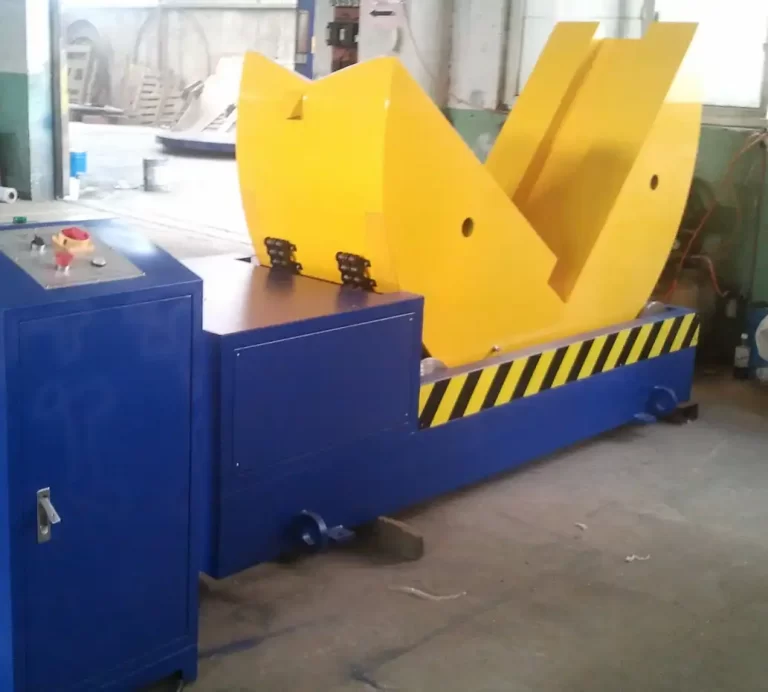
You can clearly see how an energy-efficient steel coil upender brings big changes. But to really understand its full impact, we need to look closer. We will examine the specific ways this machine can make your factory safer, more efficient, and much more profitable.
Why is Manual Coil Handling So Costly and Risky for Thai Steel Plants?
Are you still relying on manual labor to move and flip heavy steel coils in your factory? This old method creates many problems. It slows down your entire production line and drives up your operating costs. Worse, it puts your workers in danger every single day. Are you ready to solve these serious issues?
Manual coil handling costs a lot of money because of high labor wages and slow work. It also has major risks like worker injuries and product damage. These issues increase your operational expenses and cause production delays.
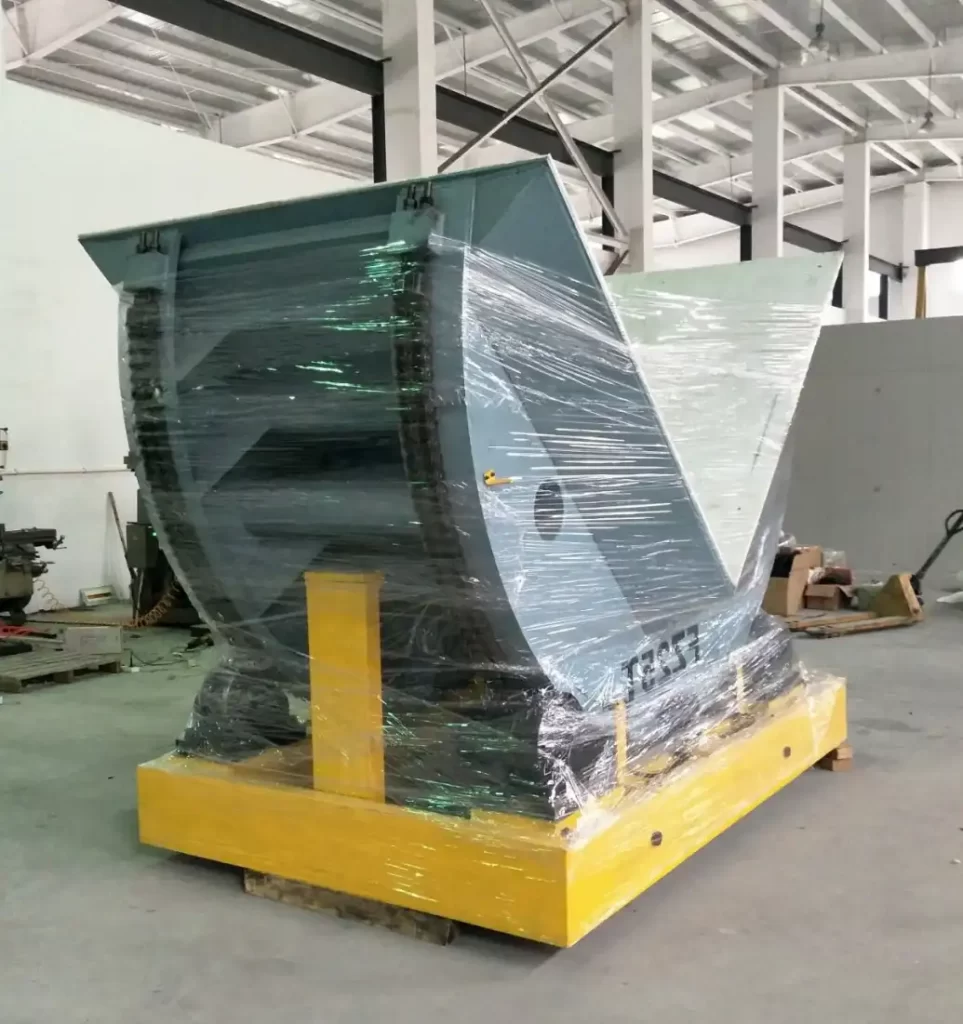
When I first started working in a packing machine factory, I quickly saw how challenging and expensive manual handling was. Later, when I built my own factory, I made sure to invest in solutions that would eliminate these problems. Manual coil handling is a huge drain on resources. First, there are the direct labor costs. You need multiple workers to safely lift, move, and flip heavy steel coils. Their wages add up quickly, especially if you pay overtime. Then, there are the safety risks. Steel coils are extremely heavy. They can weigh many tons. Moving them by hand, or even with basic forklifts, creates a high risk of serious injuries. Workers can suffer crushing injuries, broken bones, sprains, and chronic back problems. Each accident leads to medical costs, higher insurance premiums, and lost work time. This affects your production schedule.
Beyond injuries, manual handling is simply slow. Imagine trying to flip a five-ton coil by hand. It takes time, effort, and coordination. This creates bottlenecks at the end of your production line. If your packing process is slow, your entire factory slows down. This means you produce less, and your delivery times get longer. This makes customers unhappy. Lastly, product damage is a common problem. When workers manually move coils, there is always a risk of dropping them or bumping them against something. This can dent the edges, scratch the surfaces, or even deform the coil. Damaged products cannot be sold as first-grade material, leading to financial losses and customer complaints. These hidden costs of inefficiency, safety incidents, and damaged goods eat into your profit margins day after day.
| Factor | Manual Coil Handling Costs | Automated Coil Upender Impact |
|---|---|---|
| Labor Wages | High, multiple workers needed | Reduced, one operator for many tasks |
| Safety Risks | Very High (Injuries, claims) | Very Low (Controlled process) |
| Efficiency | Slow, creates bottlenecks | Fast, smooth flow, no delays |
| Product Damage | Moderate to High | Very Low |
| Insurance Cost | Higher | Lower |
| Downtime | Higher (due to accidents) | Lower |
How Does an Upender Directly Reduce Labor Costs for Steel Mills?
Are your labor expenses for coil handling weighing down your factory’s budget? Many managers feel this pressure. The need for many workers to manually manage heavy coils can make your operations very expensive. Are you looking for a clear way to cut these ongoing costs?
An upender greatly reduces labor costs for steel mills. It automates the process of rotating heavy coils. This removes the need for multiple workers to manually flip or position coils. It frees up personnel for other important tasks. This also helps minimize overtime pay.
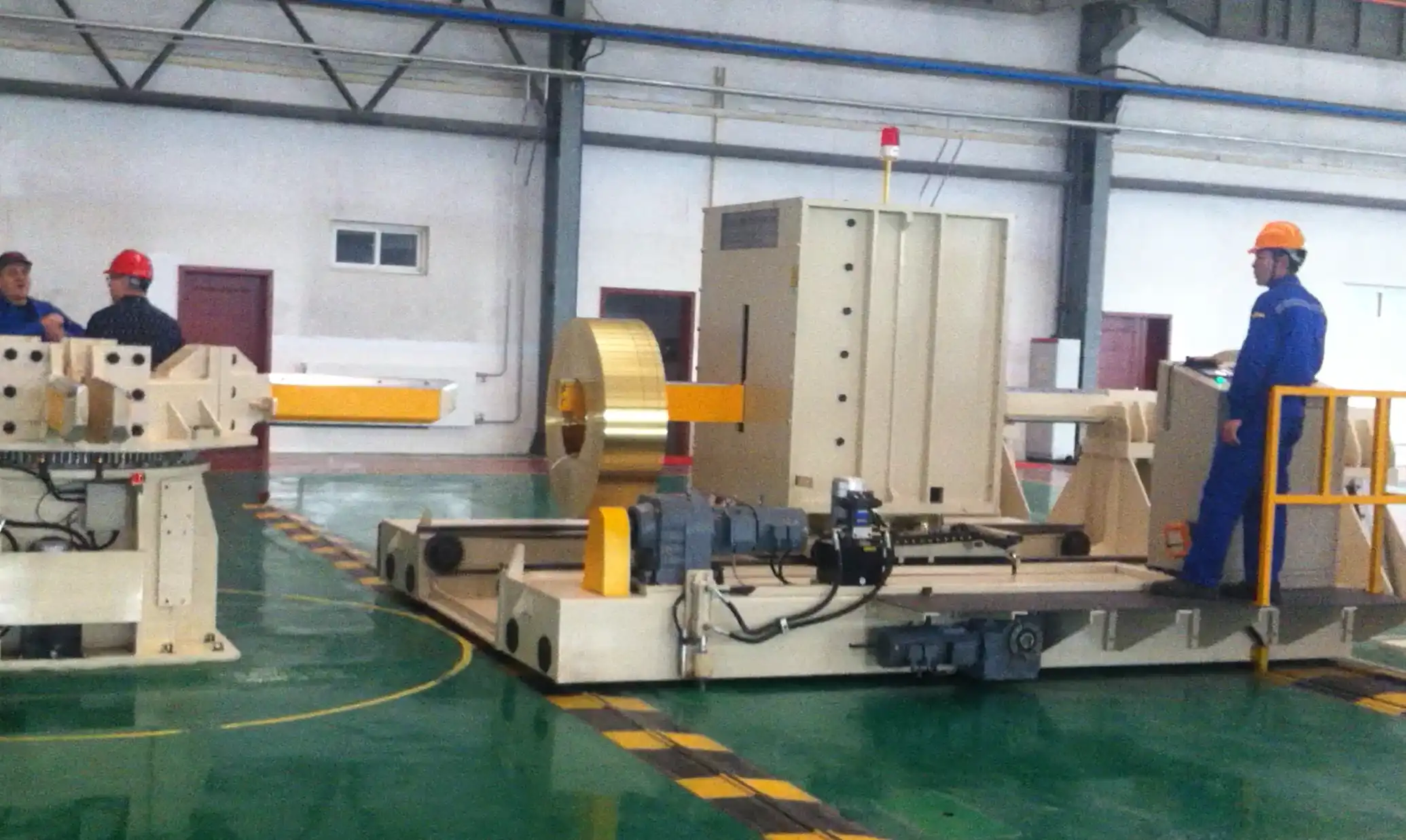
From my experience in the packing machine industry, I learned early on that labor is one of the biggest fixed costs for any factory. This is true for steel mills in Thailand too. When you have a machine like a steel coil upender, it takes over a job that used to need many people. Imagine flipping a 20-ton steel coil from eye-to-sky to eye-to-bore. Without an upender, you would need several skilled workers, special cranes, and a lot of careful coordination. This takes time, and it needs many hands. With an upender, usually, only one operator is needed to oversee the entire process. This operator can control the machine safely from a control panel.
This reduction in manpower directly lowers your labor costs. You do not need to pay as many salaries for this specific task. You also reduce the need for overtime hours, which are more expensive. The people who used to do the manual coil flipping can now be moved to other parts of your factory where their skills are needed. This makes your overall workforce more efficient. Investing in an upender is not just about buying a machine; it is about smart cost management. The return on investment (ROI) is very clear. The money you save on wages, benefits, and overtime for the few workers an upender replaces quickly pays for the machine itself. For example, if you pay four workers to manually flip coils for eight hours a day, the annual cost is very high. An upender can often do the same work with just one supervisor. This means significant savings year after year. As I built FHOPEPACK, I always looked for ways to make our processes more efficient and less dependent on expensive manual labor. This approach helped my own factory become financially strong, and it is something I advise all my clients to consider.
| Cost Category | Manual Coil Handling Labor Impact | Upender Labor Cost Impact |
|---|---|---|
| Number of Workers | High (e.g., 3-5 workers per shift) | Low (e.g., 1 operator per shift) |
| Wages & Benefits | High, recurring expense | Significantly reduced |
| Overtime Pay | Common, adds to costs | Rarely needed |
| Training Costs | Higher, for manual handling safety | Lower, focused on machine operation |
| Productivity | Lower per labor hour | Much higher per labor hour |
| Resource Allocation | Workers tied to simple, heavy tasks | Workers freed for skilled jobs |
Can Upenders Truly Improve Safety and Reduce Product Damage in Metal Processing?
Do you worry constantly about worker safety and product damage in your metal processing plant? These are common and valid concerns. Manual handling of heavy materials leads to high injury rates. It also results in costly product defects. Is there a way to solve both problems at once?
Yes, upenders truly improve safety. They remove workers from direct contact with heavy, moving coils. They also reduce product damage. Upenders provide a stable, controlled, and precise way to rotate and position coils. This prevents dents, scratches, and other forms of harm to the product.
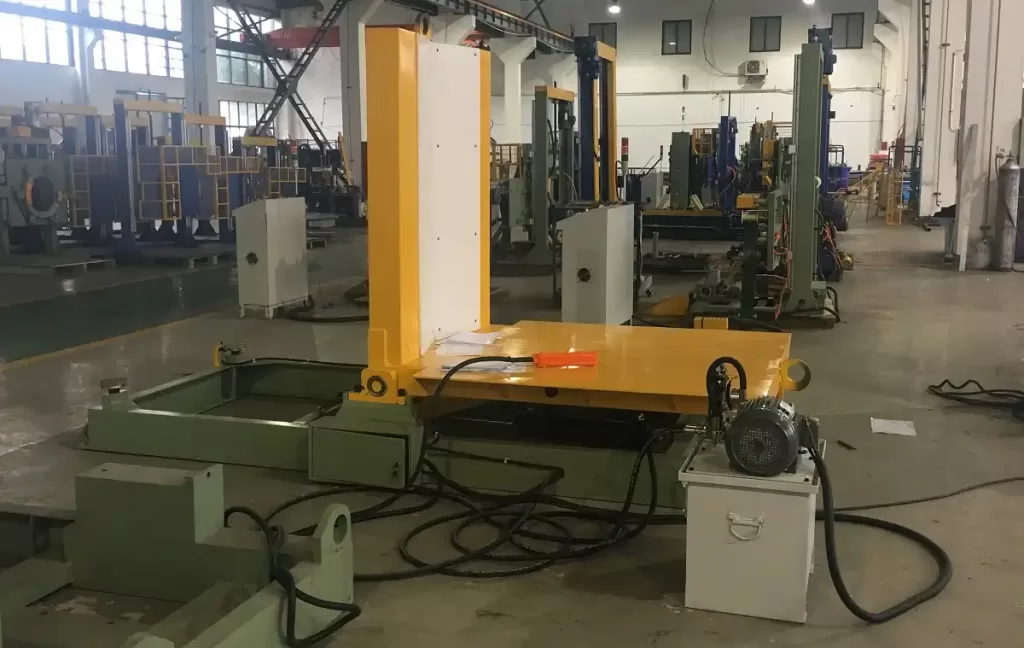
Safety and product quality are two sides of the same coin in any factory, especially in heavy industries. When I was running my own packing machine factory, I understood that worker injuries are not just a human cost; they are a huge financial burden. An upender radically changes the safety landscape. In manual operations, workers are often directly in the path of large, moving, and very heavy steel coils. There is always a risk of being crushed, hit by a falling coil, or getting a limb caught. An upender, however, carries out the rotation process automatically and under controlled conditions. Workers do not need to touch the coil during the flip. They operate the machine from a safe distance using controls. This removes them from pinch points and the risk of accidents caused by human error or fatigue. A safer workplace means fewer accidents, lower insurance premiums, and a more reliable workforce.
Regarding product damage, this is another critical area where upenders shine. In manual coil handling, coils are often moved using chains, slings, or forklifts. This can cause the coil edges to get dented or scratched. If a coil is dropped, even from a small height, it can deform the entire product. This leads to costly scrap material or unhappy customers. An upender uses a large, flat platform and a hydraulic or mechanical system to gently and smoothly rotate the coil. The entire coil is supported during the rotation. There are no sudden drops or impacts. The movement is precise and controlled. This means the coil maintains its perfect shape and surface quality. For steel mills in Thailand, where quality control is key to meeting international standards and customer expectations, minimizing product damage is a huge advantage. It leads to fewer customer complaints, fewer returns, and a better reputation in the market. This directly impacts your bottom line.
| Feature | Manual Coil Handling Safety/Damage | Upender Safety/Damage Impact |
|---|---|---|
| Worker Exposure | High risk of direct contact | Low, remote operation |
| Injury Rate | High (sprains, crush injuries) | Very low |
| Product Support | Uneven, point-load | Full, even platform support |
| Rotation Control | Manual, prone to errors | Precise, automated |
| Edge Damage | Common | Very rare |
| Surface Scratches | Common | Rare |
| Insurance Premiums | Higher due to claims | Lower |
| Customer Complaints | Higher due to damaged goods | Lower |
Conclusion
An energy-efficient steel coil upender transforms Thai mills. It cuts costs, boosts safety, and reduces damage, ensuring a stronger, more profitable future.








