
How Does a Mold Tilter Reduce Downtime in Spain’s Automotive Toolrooms?
Toolrooms in Spain’s automotive industry face big problems. They deal with heavy molds. Moving these molds is often slow and risky. This can stop work and cost a lot of money. You might feel stuck with old ways, watching your production slow down.
A mold tilter cuts downtime by making mold handling faster and safer. It turns heavy molds with ease, reducing manual effort. This simple change helps prevent accidents and speeds up setup times. It means machines run more, and workers stay safe.
We all know the pressure of keeping a factory running. I have been there myself, from the factory floor to owning my own plant. I learned that the right equipment can change everything. Let’s look closer at how mold tilters make a real difference.
How do old mold handling methods hurt your operations?
Are you still moving heavy molds by hand or with cranes that are hard to control? This way of working causes many issues. It puts your workers at risk. It also slows down your entire production process. You might think it saves money, but the hidden costs are huge.
Old mold handling methods cause slow production, safety risks, and product damage. Workers often struggle with heavy molds. This leads to slow changes and long periods when machines are not running. It also increases the chance of accidents.
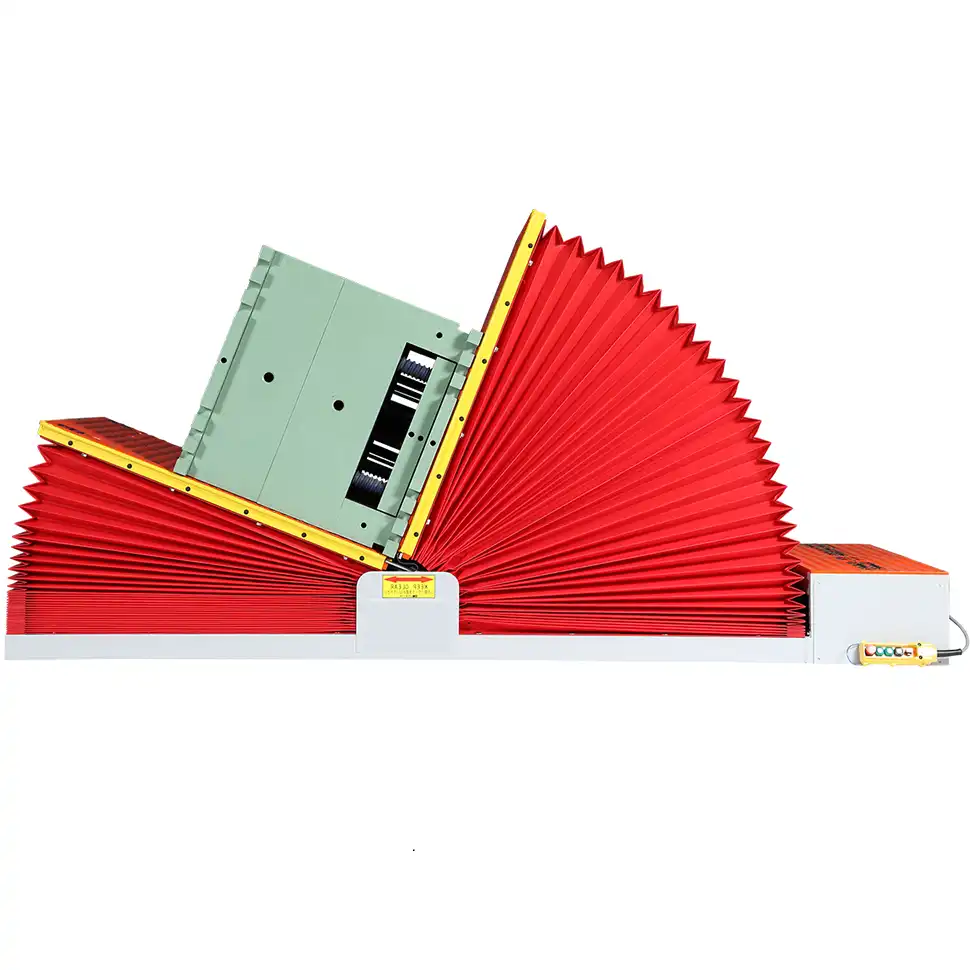
Manual handling of molds is a big problem in many factories. This is especially true for those in the automotive sector. They use very large and heavy molds. When workers try to move or flip these molds by hand, it causes many issues.
Slow and Inefficient Processes
First, it is very slow. A team of workers might need hours to move a mold. They use chains, hoists, and levers. This whole process takes time away from actual production. Each mold change can mean lost hours. This adds up to many days of lost production each year. In a fast-paced industry like automotive, every minute matters. If your production line needs a mold change, and it takes too long, the whole line stops. This is downtime. Downtime means no parts are being made. This costs the company money. It affects how many cars can be built.
High Safety Risks
Second, it is very dangerous. Heavy molds can weigh many tons. Workers can get crushed if a mold falls. They can also get injured from strain or improper lifting. This leads to higher insurance costs for the company. It also means workers might be out sick for a long time. Some might even leave the company because of the high risks. A safe workplace is important for everyone. It also helps the company keep good workers. When accidents happen, investigations follow. This also takes time and resources away from production.
Product Damage
Third, old methods can damage the molds or the products. When molds are moved manually, they might hit other things. They might drop a short distance. Even a small bump can damage a mold. A damaged mold means bad parts. It also means the mold needs repair. This costs money and takes more time. Sometimes, the mold is fine, but the finished product gets damaged during packing or transfer. This leads to unhappy customers. They might send back the damaged goods. This hurts the company’s reputation and its profits. I have seen clients lose big contracts because of consistent product damage. These problems are real. They affect the bottom line. It is not just about moving a mold; it is about protecting your investment and your reputation.
Do mold tilters truly make the workplace safer?
Are your workers constantly at risk from heavy lifting? Do you worry about injuries every time a mold needs moving? The traditional ways are full of danger. You might feel like safety is a constant uphill battle.
Yes, mold tilters significantly improve workplace safety by removing manual handling risks. They allow one person to flip or rotate heavy molds using precise controls. This gets rid of the need for workers to physically lift or struggle with heavy objects.
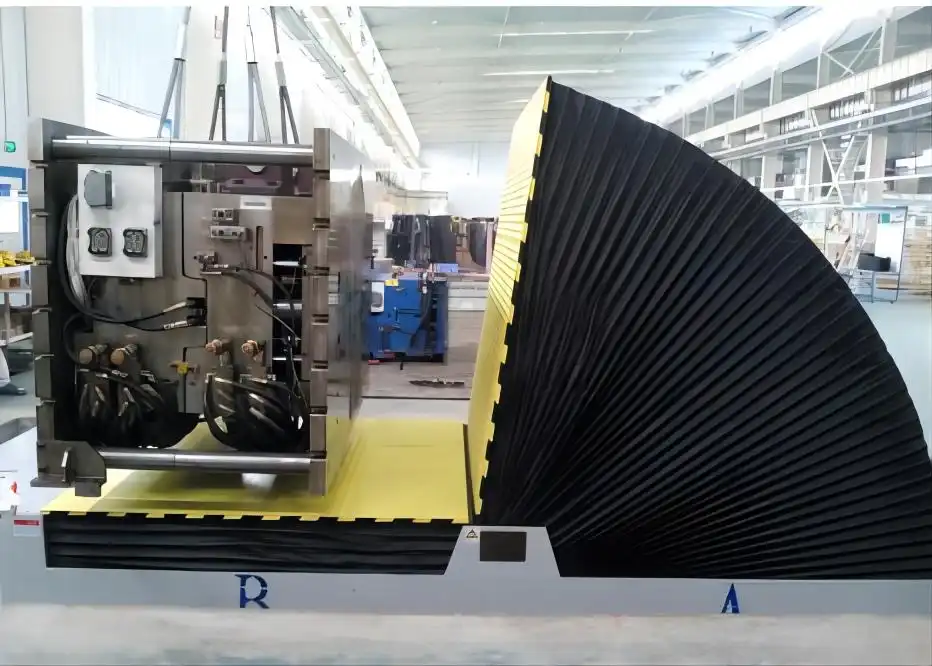
Workplace safety is not just a buzzword. It is essential. For factories dealing with heavy items like molds, safety is a top concern. Mold tilters are a game-changer for safety. They change how molds are handled.
Eliminating Manual Heavy Lifting
The biggest safety benefit of a mold tilter is that it stops the need for manual heavy lifting. Before, workers would use brute force. They would try to flip molds using crowbars or a series of cranes. This was very risky. A slip, a lost grip, or an unbalanced load could lead to severe injuries. These injuries include crushed limbs, back problems, and even death. A mold tilter does all the heavy work. It uses strong hydraulic or electric systems. Workers just need to operate the controls. This keeps them away from the dangerous parts of the process. They can stand at a safe distance. This lowers the risk of accidents greatly.
Stable and Controlled Movements
Mold tilters also offer controlled and stable movements. Molds are held firmly in place by clamps or sturdy platforms. When the machine tilts, the mold moves smoothly. There are no sudden drops or uncontrolled swings. This is very different from using cranes and slings. Cranes can swing. Slings can break. These things can cause a mold to fall. If a heavy mold falls, it can destroy equipment. It can also hurt anyone nearby. A mold tilter makes sure the mold stays secure throughout the whole operation. This precision helps prevent costly damage to the mold itself. It also protects other equipment on the factory floor.
Reduced Worker Fatigue
Another benefit is less worker fatigue. When workers do not have to strain themselves, they stay fresh. Tired workers make more mistakes. They are more likely to have an accident. By taking away the physical strain, mold tilters help workers stay alert. This means fewer errors and a safer working environment overall. It also improves morale. Workers feel safer and more valued when their company invests in their well-being. This leads to higher productivity in the long run. It also reduces sick days and worker turnover. My own factory used machines to reduce manual strain, and I saw a direct positive impact on our team’s energy and focus.
Compliance with Safety Standards
Finally, using mold tilters helps companies meet safety rules. Governments and industry groups have strict rules about how heavy items should be handled. By using a mold tilter, factories show they care about safety. They meet or even go beyond these rules. This can help avoid fines and legal problems. It also shows customers and partners that the company is responsible.
Can a mold tilter speed up your production line?
Is your production line often waiting for molds to be set up? Do mold changes take too much time, cutting into your output targets? You might feel like efficiency is a dream that is hard to reach.
Yes, a mold tilter can significantly speed up your production line by cutting mold changeover times. It makes the process quick and repeatable. This means molds are ready for use faster. It reduces idle machine time.
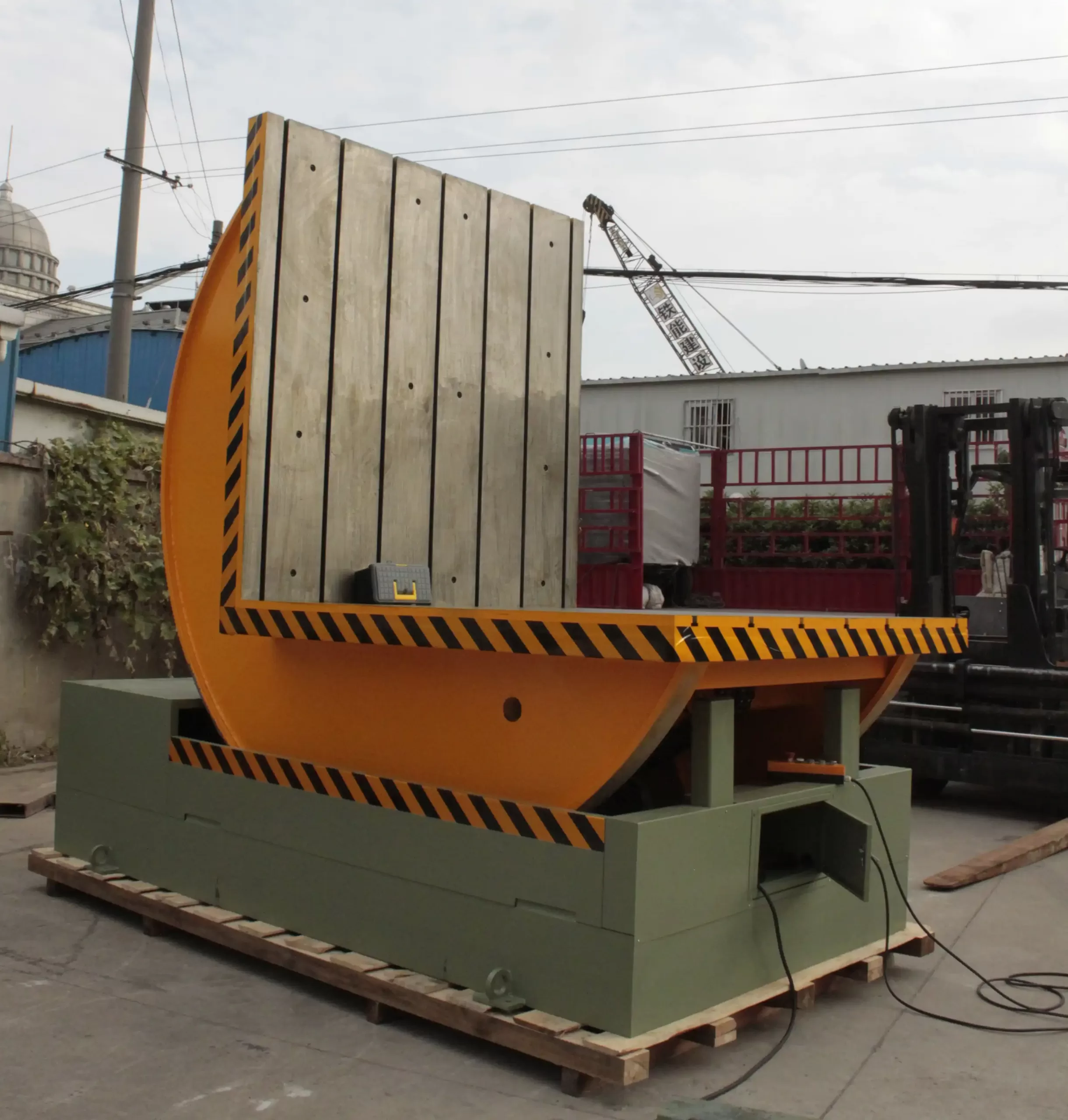
Speed in production is key. Especially in industries like automotive, every second counts. A mold tilter is not just about safety. It is also a powerful tool for boosting how fast you can make things.
Faster Mold Changeovers
The biggest way a mold tilter speeds things up is by making mold changeovers much faster. In the past, changing a mold was a long process. It needed many workers. They had to use complex tools and cranes. Now, one person can do it. The mold tilter flips the mold quickly. This means the mold is ready to be put into the machine faster. For example, a process that used to take an hour might now take only 15 minutes. This saves 45 minutes for every mold change. If a factory changes molds many times a day, these minutes add up. They become hours of extra production time. This direct time saving means more parts can be made in the same amount of time.
Optimized Workflow
Mold tilters also make the workflow smoother. They can be placed right where they are needed. This means less moving molds across the factory floor. The molds go from storage to the tilter, then to the machine. This shortens the path. It reduces delays. A well-placed mold tilter can be a central point for all mold handling tasks. This makes the whole process more organized. It removes bottlenecks. When one part of the process speeds up, the whole line benefits. I always tell my clients that looking at the entire workflow is critical. A small improvement in one step can have a huge impact downstream.
Reduced Rework and Scrap
When molds are handled poorly, they can get damaged. This leads to bad products. These bad products are called scrap. Making scrap costs money. It also takes up machine time that could be used for good products. A mold tilter handles molds gently and precisely. This lowers the chance of damage. Less mold damage means fewer bad parts. This means less rework. It means less waste. This saves materials and labor. It also means the factory can make more good products. This increases overall output. It also improves quality. Customers get better products. This makes them happy.
Better Machine Utilization
Ultimately, faster mold changes mean your main production machines are running more often. When machines are idle, they are not making money. They are just sitting there. By cutting downtime for mold changes, a mold tilter makes sure your expensive machines are working hard. This increases their utilization rate. This is a simple but powerful idea. More machine uptime equals more production capacity. This leads to higher profits. It helps factories meet tight production schedules, which is common in the automotive sector with its just-in-time delivery systems.
How do you pick the right mold tilter partner?
Have you been let down by equipment suppliers before? Did they sell you a machine, then disappear when you needed help? Finding a reliable partner for your factory equipment can feel like a gamble.
Picking the right mold tilter partner means looking for experience, strong after-sales support, and a deep understanding of your needs. A good partner will offer proven solutions and stand by their products long after the sale. They understand your real challenges.
Choosing a supplier is as important as choosing the equipment itself. I have built a factory from the ground up. I know how vital a good partnership is. It is not just about buying a machine. It is about getting a solution that works for you.
Look for Deep Industry Knowledge
First, find a partner who truly understands your industry. For Spanish automotive toolrooms, this means a supplier who knows about heavy molds, tight deadlines, and safety rules. They should not just sell machines. They should understand your problems. Ask them about their experience with similar factories. Do they know about mold design? Do they know about production bottlenecks? A good partner offers more than just a product. They offer solutions. They can give advice on how to best use the mold tilter in your specific factory setup. They think about your workflow and your goals.
Check for Strong After-Sales Support
Second, after-sales support is critical. What happens if the machine breaks down? Who will fix it? How fast can they get parts? Some suppliers only care about making a sale. Then they forget about you. This is a big risk. You need a partner who offers training for your team. They should have a clear warranty. They need to provide quick technical support. Look for a supplier with a good reputation for service. Ask for references. Talk to other clients they have helped. A strong service team means your machine will be running again quickly if there is a problem. This reduces downtime. It protects your investment.
Demand Proven Reliability and Durability
Third, the equipment itself must be reliable and durable. Automotive toolrooms are tough places. Machines get used a lot. They need to stand up to heavy work. Ask about the materials used. Ask about the design. Is it built to last? Does it have a good track record? Look for sturdy construction. Look for good quality components. A cheaper machine might seem like a good deal at first. But if it breaks down often, it will cost you more in the long run. Downtime from broken machines is very expensive. A reliable machine helps keep your production flowing smoothly. My own experience showed me that investing in quality pays off every time.
Seek Clear ROI and Custom Solutions
Finally, a good partner will help you see the return on investment (ROI). They should be able to show you how their mold tilter will save you money. This includes less labor cost, fewer accidents, and more production. They should not just give you a price. They should show you the value. Also, can they offer custom solutions? Every factory is a little different. A partner who can adapt their product to your specific needs is very valuable. They listen to your challenges. They propose solutions that fit your unique situation. This might mean a special size or a unique feature.
What are my key insights for mold tilter success?
Have you ever wondered if you are missing something big when it comes to factory efficiency? Do you feel like there is a secret sauce to making the right investments? My journey in this industry taught me some important lessons.
My key insight for mold tilter success is that it’s about more than just the machine; it’s about a complete system approach. This means understanding your real operational pain points, focusing on long-term value, and partnering with experts who share your vision for growth and safety.

I started as an employee. Then I built my own packing machine factory. This journey taught me a lot about making things work. It also taught me about helping businesses grow. When it comes to mold tilters, I have a few key insights I want to share. These are lessons I learned firsthand.
Focus on the “Why,” Not Just the “What”
Many people just look at what a machine does. They ask, “What does this mold tilter do?” But the better question is, “Why do I need this mold tilter?” You need to understand the root cause of your problems. Is it truly slow production? Is it worker safety? Is it product damage? When you know your main problem, you can find the right solution. For example, if your biggest issue is frequent worker injuries from heavy lifting, then the safety benefits of a mold tilter are your “why.” If it is production bottlenecks, then the speed increase is your “why.” I always pushed my clients to dig deep. Do not just buy a machine because it looks good. Buy it because it solves a real problem for your business. This thinking helps you make smart investments.
Value Partnership Over Transaction
I mentioned this before, but it is worth saying again. Do not just buy a machine. Build a partnership. I have seen many companies buy equipment from suppliers who just want to sell. They do not care about long-term success. A true partner understands your business. They want to see you succeed. They offer advice. They provide support. They are there for you not just when you buy, but for years after. This is what I aimed for with FHOPEPACK. We want to share knowledge. We want to help others grow. A good partnership means you have someone to call when problems come up. It means you get the best use out of your equipment for a long time. It is about trust.
Think About the Total Cost, Not Just the Purchase Price
People often only look at the price tag. They see a cheaper machine and think it is a good deal. But the real cost is much more than the purchase price. Think about the total cost of ownership. This includes the price of the machine, but also:
- Installation costs: How much does it cost to set it up?
- Maintenance costs: How much does it cost to keep it running?
- Energy costs: How much power does it use?
- Downtime costs: How much money do you lose if it breaks down?
- Repair costs: How much do parts and labor cost when it needs fixing?
- Safety incident costs: What are the costs if an accident happens with manual handling?
A mold tilter might cost more upfront than using old methods. But if it prevents one serious injury, or saves hours of downtime each week, the return on investment can be huge. I learned that paying a little more for quality and reliability upfront saves a lot of money later on. It is an investment in your factory’s future. It makes your operations more stable and profitable.
Embrace Automation for Growth
Finally, embrace automation. The world is moving fast. Manual processes are becoming less competitive. Automation, like using a mold tilter, is not just about making things faster. It is about making your business ready for the future. It allows you to produce more with fewer risks. It frees up your workers to do more valuable tasks. In my journey, investing in automation was a key step to achieve financial independence and help my clients grow. It makes your factory more resilient. It gives you an edge over competitors. Do not be afraid to change old ways. New technology can unlock huge potential for your business.
Conclusion
Mold tilters cut downtime in automotive toolrooms by improving safety, boosting efficiency, and reducing product damage. Investing in a quality tilter and a reliable partner means more uptime and better profits.








